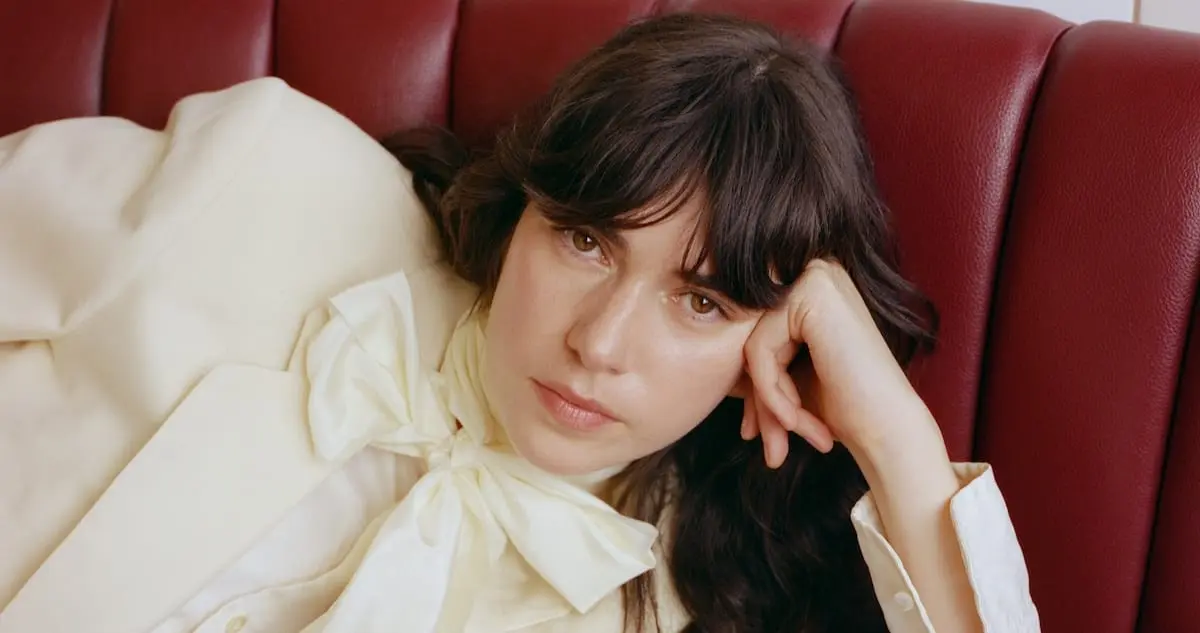
In the rich tapestry of modern British popular music, few figures possess a perspective as intimate, storied, and structurally formative as singer-songwriter Claire Hamill. Spanning over six decades of listening, writing, and performing, Hamill’s career offers a rare window into the evolution of contemporary music—from the warm, domestic harmonies of post-war Britain to the sophisticated avant-pop landscapes of the late 20th century.
In a recent comprehensive retrospective curated by music journalist Michael Heatley, Hamill opened her personal archive and memory banks to trace the soundtrack of her life. Through ten foundational records, her narrative moves far beyond a standard artist’s CV. Instead, it forms a deeply personal cultural history, punctuated by chance encounters with rock royalty, missed artistic collaborations, and the quiet resilience required to navigate the turbulent waters of the music industry.
Hamill’s journey—highlighted by her current musical endeavors with The Claire Hamill Band and upcoming appearances at the Nene Valley Rock Festival—underscores a lifelong dedication to the craft of song. Her reflections offer an authoritative masterclass in how early acoustic impressions, familial sacrifices, and high-art classical compositions can converge to shape a singular artistic voice.
Detailed Chronology: A Soundtrack in Ten Records
1. The Formative Years: Harmony and Hearth (1963–1966)
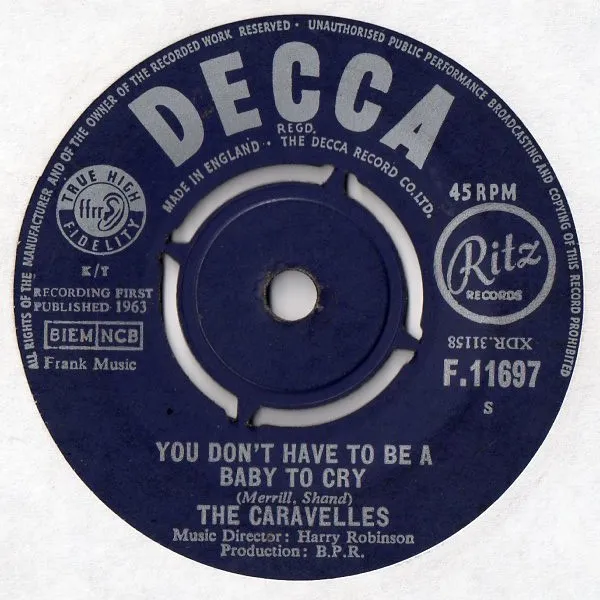
The genesis of Hamill’s musical consciousness lies in the harmonious interplay of domestic spaces. Her earliest auditory memory is rooted in a 1963 7-inch release: The Caravelles’ "You Don’t Have To Be A Baby To Cry" (Decca F 11697).
"This was one of the first things that I remember, listening to my mum and my Auntie Josie sing together," Hamill recalls. "Listening to people singing in harmony set me on my journey."
This domestic foundation expanded when her family relocated to Teesside when she was twelve. There, her parents opened a pioneering local coffee bar—complete with a bustling jukebox and a Coca-Cola machine—that served as a vital social hub in a region lacking similar youth spaces for a 30-mile radius.
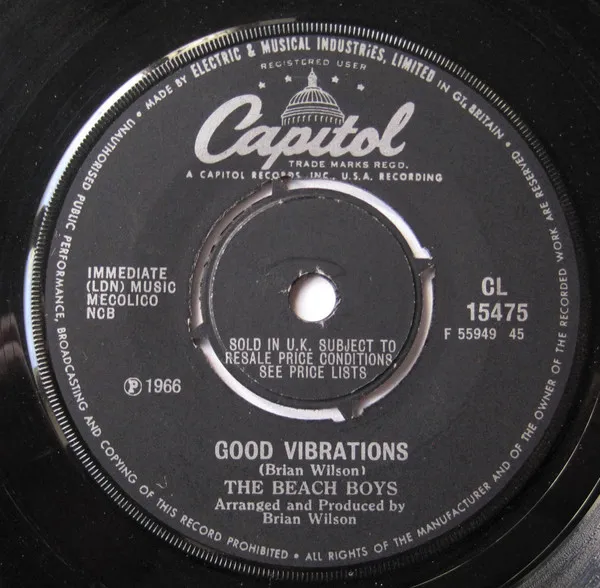
By 1966, the architecture of harmony shifted dramatically with The Beach Boys’ "Good Vibrations" (Capitol CL 15475). For Hamill, Brian Wilson’s masterpiece represented a quantum leap in arrangement and scale. "That was when I heard harmony go into another dimension," she reflects. "Good Vibrations was mind-blowing, because of the arrangements and the way that it changed. It became quite orchestral. Another step forward in my musical education." This sat alongside family singalongs of "Sloop John B," embedding the effortless accessibility of vocal arrangements into her creative DNA.
2. The Beatles, Resilience, and Early Stardom (1968)
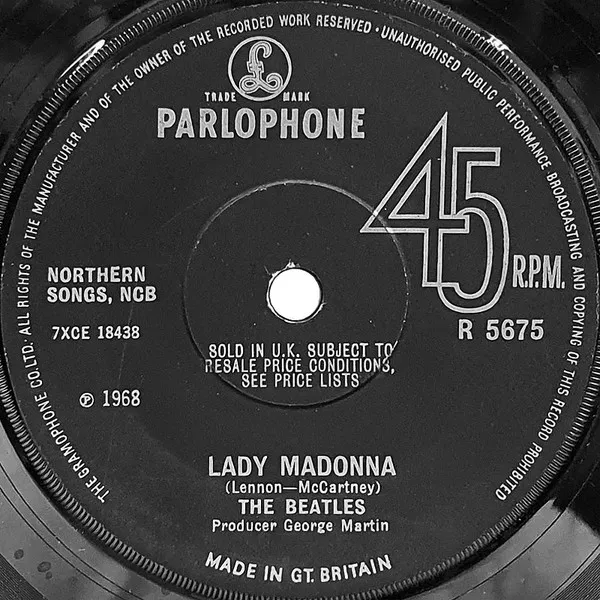
The late 1960s brought personal upheaval and profound artistic inspiration. Following the dissolution of her parents’ marriage, Hamill’s mother retrained as a typist—having previously worked at ICI—to support the family. For the young artist, this quiet resilience mirrored The Beatles’ "Lady Madonna" (Parlophone R 5675). "I really saw her as Lady Madonna," Hamill notes.
Concurrently, "Eleanor Rigby" became a cornerstone of her burgeoning performance repertoire. A pivotal adolescent moment occurred on holiday in Whitby, where a local guitar player invited her to perform at a crowded pub. Stepping up to the microphone, her rendition of the McCartney-penned classic drew immediate, affectionate validation from the room, cementing her ambition to perform.
3. The 1970s: Free Spirits, Coffee Bars, and Finding Her Voice
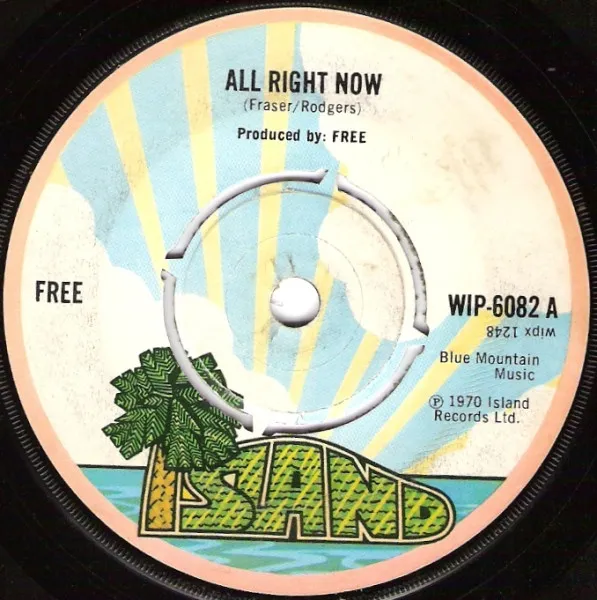
As the calendar turned to the 1970s, the landscape of rock music grew heavier and more introspective. Free’s "All Right Now" (Island WIP 6082) captured the zeitgeist of Hamill’s school years. With Middlesbrough native Paul Rodgers serving as a local hero—whose mother lived along the same road as Hamill’s convent school—the band felt intensely personal. This proximity extended into her late teens when she befriended guitarist Paul Kossoff at Island Records’ Basing Street studios. Reflecting on Kossoff’s tragic trajectory, Hamill offers a sobering observation: "Fame, it’s a terrible thing for young people sometimes…"
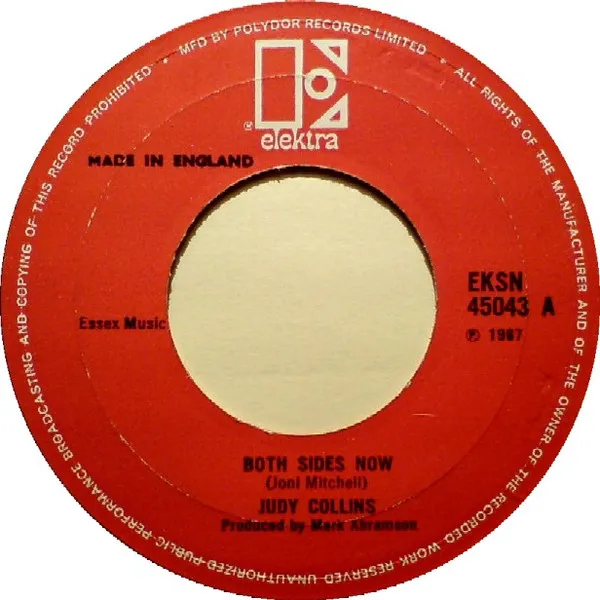
Around this time, her mother’s new partner introduced her to the music of Joni Mitchell via Judy Collins’ rendition of "Both Sides, Now" (Elektra EKSN 45043). The revelation was identity-shifting: "I just went, ‘Now I know who I am: I’m like Joni Mitchell, because I write songs as well.’ I didn’t feel like Sandy Denny, who had a very traditional, folky voice." This alignment with Mitchell’s confessional songwriting style paved the way for Hamill’s own artistic output, culminating years later in an unforgettable introduction to Mitchell herself in David Geffen’s Los Angeles office.
4. The 1980s: Classical Intersections and Avant-Garde Explorations
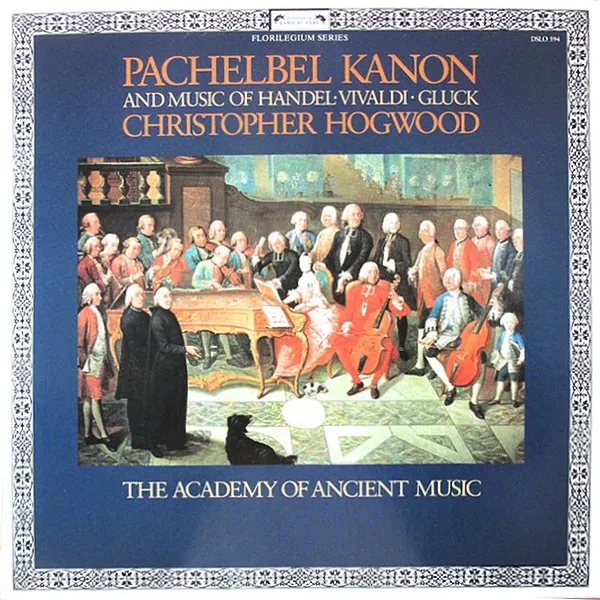
The 1980s saw Hamill expanding into multimedia and ambient landscapes. Through her then-husband Nick Austin, who pioneered a satellite TV channel for new age and classical music broadcast in the early hours on Channel 4, Hamill intersected with producer Michael Appleton (formerly of The Old Grey Whistle Test). Appleton paired footage of Emperor penguins walking in time to the Academy of Ancient Music’s recording of Pachelbel’s "Canon in D" (L’Oiseau Lyre DSLO 594), commissioning Hamill to write a vocal accompaniment. While the resulting track achieved considerable popularity, the quirky realities of television production were highlighted when the BBC invited the penguins—but not Hamill—to appear on the Saturday morning children’s show Going Live.
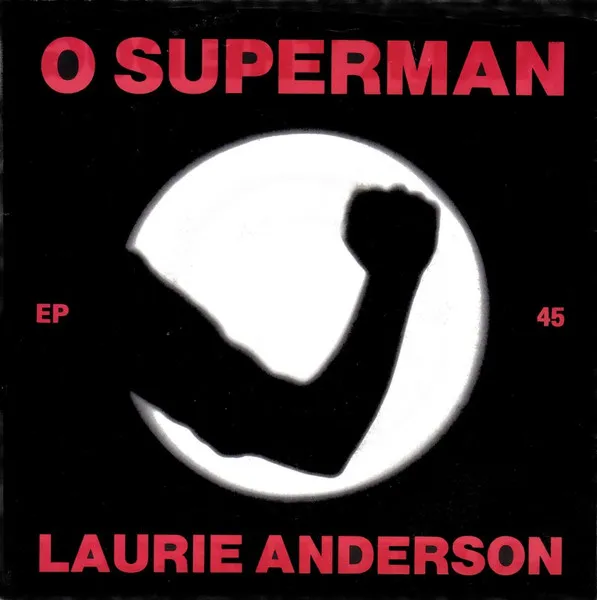
Concurrently, the avant-garde experiments of Laurie Anderson’s "O Superman" (Warner Bros K 17870)—discovered via John Peel’s BBC Radio 1 show—left an indelible mark. Hamill borrowed Anderson’s signature breathy vocal production style for her own track, "The Moon Is A Powerful Lover." Her interactions with Peel also revealed the colorful social ecosystem of London’s music scene; she recounts a memorable party where Peel affectionately admonished her: "Claire Hamill, you’ve been to too many of these parties lately; you’re a bit of a ligger, aren’t you?"
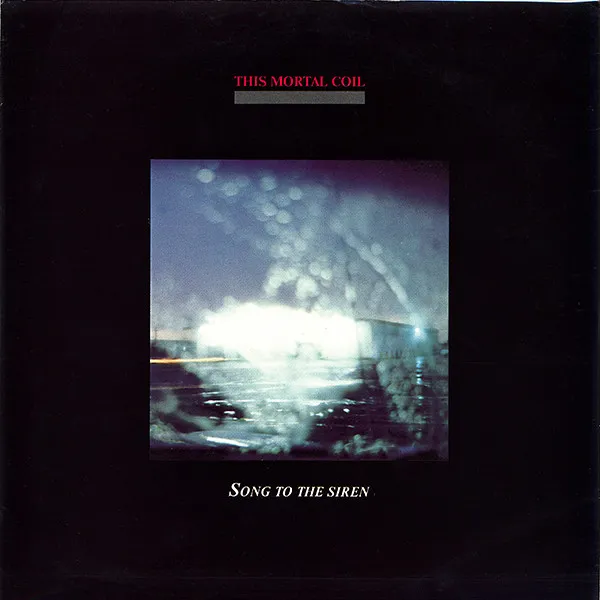
The decade also reinforced deep personal connections to contemporary folk tragedy. Hamill’s admiration for This Mortal Coil’s "Song To The Siren" (4AD AD 310)—featuring Elizabeth Fraser’s spectral vocals—was underscored by her real-life friendship with the song’s original writer, Tim Buckley, whom she met while performing in a Denver club in 1974.
5. Mature Reflections: Copyright Hurdles and Late Discoveries
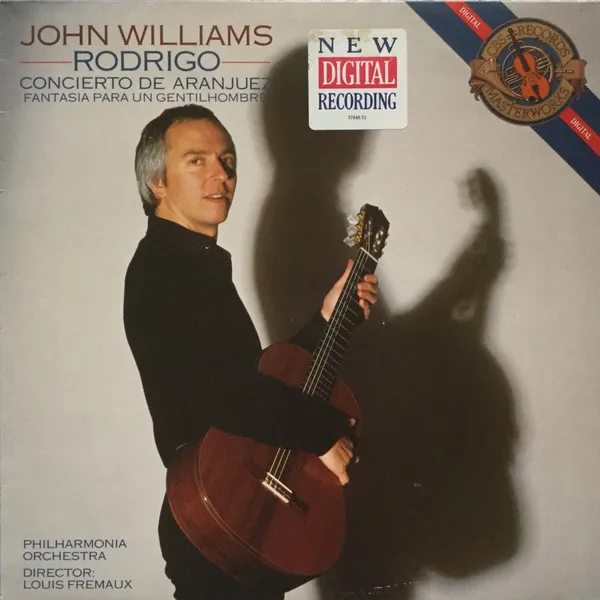
Navigating the complexities of the music business continued into the later decades of her career. When attempting to record a contemporary beat-driven version of Rodrigo’s "Concierto de Aranjuez" (utilizing John Williams’ renowned Sony Classical recording), Hamill encountered the strict realities of international copyright law. Her polite written request to Rodrigo’s daughter, the owner of the musical estate, was met with a flat refusal: "Absolutely not!"
Ironically, despite her lifelong immersion in professional music circles, Hamill’s personal record collection was initially sparse. Growing up with a weekly pocket money allowance of 50p and no home record player, her physical purchases began much later in life. The first album she actively went out to buy was Seal’s "A Kiss From A Rose" (ZTT ZANG 52CD1) in 1994. Admiring its unorthodox pre-chorus structure, rich vocal arrangement, and pristine production, it stands as a testament to her enduring appreciation for superior pop craftsmanship regardless of era.
Supporting Context & Metrics
To contextualize Claire Hamill’s journey within the broader framework of British record collecting and industry economics, Michael Heatley’s retrospective catalog provides an interesting financial snapshot of the physical music market:
- Entry-Level Nostalgia: Classic 7-inch singles from the 1960s and 1970s—such as The Caravelles, Free, Judy Collins, and Seal—currently command modest collector values in the UK market, hovering around the £5 mark.
- Mid-Tier Collector Demand: Seminal releases with high cultural resonance, such as The Beach Boys’ "Good Vibrations" (£8) and This Mortal Coil’s 4AD release (£15), demonstrate steady secondary-market appreciation.
- The High-End Artifact: The standout valuation in the catalog belongs to The Beatles’ 1968 Parlophone pressing of "Lady Madonna" at £60, reflecting the enduring scarcity and fervor surrounding prime Beatles 7-inch vinyl in the UK.
Future Outlook
As the music industry continues to re-evaluate the contributions of its foundational singer-songwriters, Claire Hamill remains an active, forward-looking creator rather than a mere legacy act.
Her current artistic output is anchored by the release of The Claire Hamill Band’s latest project, A House Among The Trees, issued via the Archway Ocean label. This work continues her lifelong exploration of narrative lyricism and sophisticated vocal arrangement. Furthermore, live performance remains central to her ethos, with a high-profile appearance scheduled for the upcoming Nene Valley Rock Festival in September.
By bridging the gap between post-war domestic vocal traditions, 1970s confessional folk-rock, and modern compositional sensibilities, Hamill proves that a life immersed in music is an ongoing dialogue—one that honors the past while continually seeking out new harmonic horizons.