Executive Overview
In a development that has sent ripples of excitement across the British music landscape, Welsh songstress Charlotte Church is officially preparing to release her first full-length studio album in over a decade and a half. The record, slated for a prospective 2027 release, marks a monumental milestone for an artist who has spent her entire life in the public eye. Having recently completed the final mixing sessions for the project, Church has teased that the upcoming body of work is a genre-defying, expansive, and deeply courageous sonic exploration unlike anything she has produced before.
For an artist whose career spans more than twenty-five years—evolving from a globally renowned classical prodigy into a chart-topping pop sensation, and later morphing into an experimental independent creator and activist—this seventh studio album represents the culmination of years of artistic reinvention. While her last traditional full-length release, Back to Scratch, hit shelves in 2010, Church has far from remained idle. Through a series of critically praised independent EPs, avant-garde live performances, and her wildly popular Pop Dungeon shows, she has steadily carved out a distinct space for herself entirely outside the traditional pop machinery.
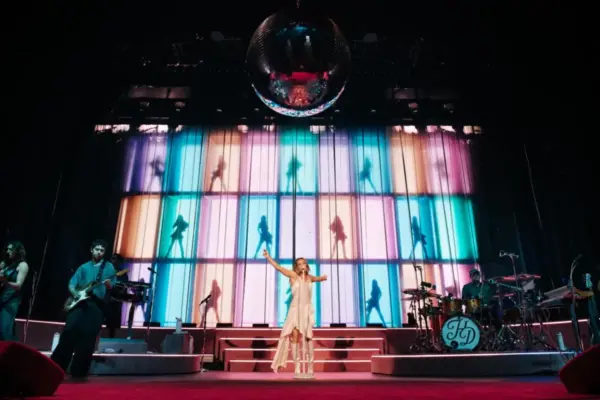
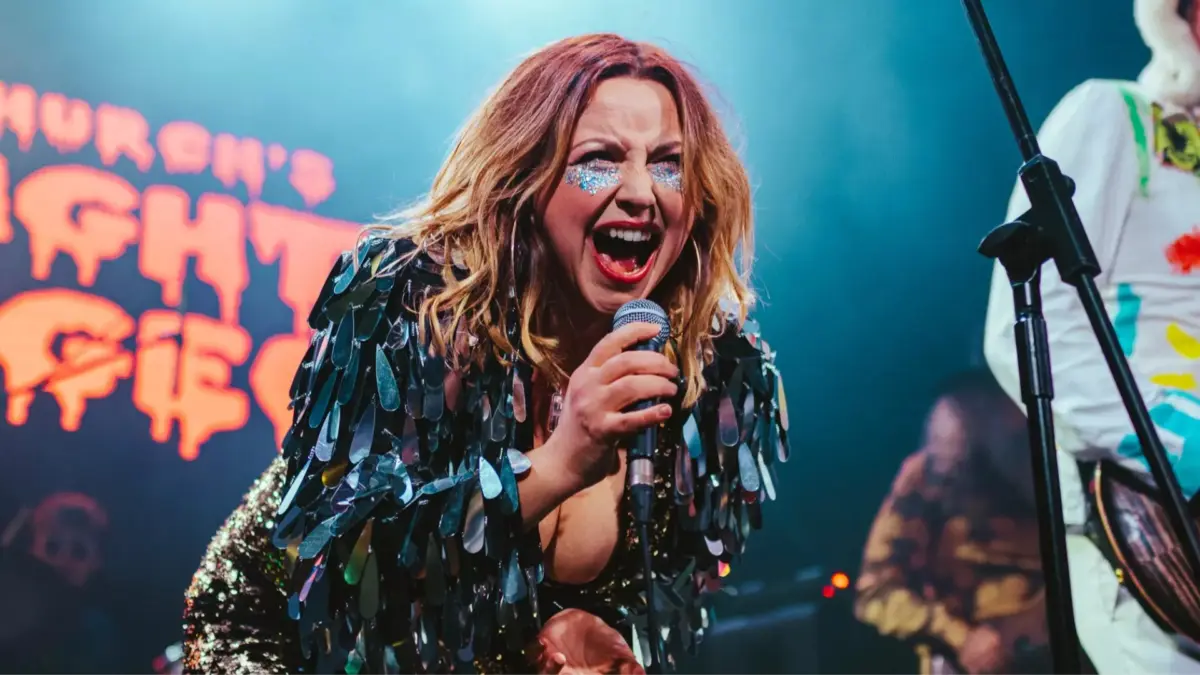
As she currently traverses the United Kingdom on her Charlotte Church’s End Times Pop Dungeon tour, the anticipation surrounding her return to the recording studio has never been higher. This comprehensive retrospective and forward-looking report examines the trajectory of her remarkable career, dissects the rare insights she has shared regarding her upcoming 2027 record, and analyzes the profound cultural and musical context of her long-awaited comeback.
Detailed Chronology: From Classical Prodigy to Pop Icon and Beyond
To fully understand the weight of Charlotte Church’s upcoming musical chapter, one must retrace a career that reads like a musical odyssey—one defined by intense public scrutiny, staggering commercial heights, and relentless artistic evolution.
The Prodigy Years: Classical Crossover Dominance (Late 1990s – Early 2000s)
Charlotte Church first captured the international spotlight as a pre-teen sensation with a voice of astonishing power and clarity. Hailing from Cardiff, Wales, she rose to fame virtually overnight following a memorable telephone performance on the British television program The Big Big Talent Show in 1997. Her phenomenal vocal ability prompted major record labels to take immediate notice, leading to a high-profile deal with Sony Music.
In 1998, at the tender age of 12, Church released her debut studio album, Voice of an Angel. The record was a phenomenal commercial triumph, selling millions of copies worldwide and making her the youngest artist in history to have a number-one album on the UK classical chart. The collection showcased her extraordinary operatic range, blending sacred music, traditional Welsh folk songs, and classical crossover standards.
Capitalizing on this unprecedented momentum, Church released a self-titled follow-up album in 1999 and Dream a Dream in 2000. These releases cemented her status as a global phenomenon, performing for international dignitaries, popes, and US presidents, while shifting millions of units globally. By the turn of the millennium, she was a household name, synonymous with the late-90s classical crossover boom that also paved the way for artists like Josh Groban and Russell Watson.
The Pop Metamorphosis: Tissues and Issues (2005)
By her mid-teens, however, Church felt creatively stifled by the rigid expectations of the classical world. Eager to explore contemporary sounds and express her true personality, she executed one of the most daring career pivots in modern British pop history.
In 2005, she released her fourth studio album (and her first pop record), Tissues and Issues. Spearheaded by the addictive, tongue-in-cheek lead single "Crazy Chick," the album proved that Church was far more than a novelty classical act. "Crazy Chick" became an immediate chart smash, peaking at number two on the UK Singles Chart and dominating radio airwaves throughout the summer of 2005. The album itself debuted within the top five of the UK Albums Chart, earning favorable reviews from critics who praised her vocal agility and newfound lyrical irreverence. Subsequent singles, including "Call My Name," "Even God Can’t Change an Ex," and "Moodswings," further established her credibility as a vibrant, witty, and deeply capable pop songstress.
The Indie Shift and Back to Scratch (2010)
Following the whirlwind success of her pop debut, Church chose to step away from major-label constraints. Eschewing the commercial formulas dictated by mainstream hit-makers, she leaned toward a more organic, alternative singer-songwriter aesthetic.
Her fifth studio album, Back to Scratch, was independently released in October 2010. Co-written and co-produced with seasoned collaborators, the record embraced a mature blend of folk, rock, and adult contemporary balladry. While it lacked the chart-topping ubiquity of "Crazy Chick," Back to Scratch was widely celebrated by critics as an honest, vulnerable snapshot of an artist navigating young adulthood, motherhood, and personal reinvention in the public eye.
The Experimental Era and EPs (2010s – Present)
Rather than rushing back into the traditional album cycle, the subsequent decade saw Church dive deep into artistic exploration and grassroots activism. She released a trilogy of critically acclaimed independent EPs—One, Two, and Four (with Three being conceptually integrated into her live work)—between 2012 and 2014. These releases showcased a dramatic departure from commercial pop norms, incorporating dark electronic textures, haunting vocal harmonies, and complex sonic arrangements.
Simultaneously, Church became a prominent cultural and political voice in the UK, using her platform to champion environmental causes, mental health awareness, and progressive politics. Her creation of Pop Dungeon—a joyful, high-energy, eclectic live revue featuring radical covers of pop and rock classics alongside her own original material—became a legendary fixture of the British festival circuit, cementing her reputation as an indomitable live performer.
Supporting Context & Metrics: The Scale of the Comeback
The announcement of a new Charlotte Church album arrives against a backdrop of shifting industry dynamics, where legacy artists with deep creative credentials are finding renewed freedom in independent spaces. To appreciate the magnitude of this release, one must look at the key metrics and historical context that define her career.
- The 16-Year Gap: The span between 2010’s Back to Scratch and her projected 2027 release constitutes a massive 16-year hiatus from traditional full-length album campaigns. In the hyper-fast digital music era, such an extended break is rare for an artist with a major pop pedigree, amplifying the mystery and anticipation surrounding the project.
- Global Sales Legacy: Before stepping into the indie world, Church had accumulated massive commercial metrics, having sold over 10 million records worldwide during her teenage and early adult years.
- The Independent Model: Unlike her early work under Sony Music, Church’s upcoming seventh album is entirely self-driven and independent. This creative autonomy allows her total control over her artistic narrative, insulating the project from commercial pressures and focus-group interference.
- Live Circuit Momentum: The announcement coincides directly with her extensive UK touring schedule, specifically the Charlotte Church’s End Times Pop Dungeon tour, ensuring that her live vocals are sharper and her performance stamina stronger than ever as she prepares to send the master recordings out into the world.
Official Statements and Artistic Vision
In her illuminating interview with The Observer, Charlotte Church provided rare and tantalizing details regarding the creative process behind her upcoming seventh album. Having recently put the finishing touches on the final mix, the Welsh artist made it clear that comfort and predictability were entirely absent from the studio.
"[The album is] my first album in 16 years and it sounds like nothing you’ve ever heard," Church shared with The Observer. "It’s really difficult to put into a genre category."
This genre-defying ethos has been a hallmark of her independent output, but industry insiders suggest her new material pushes these boundaries even further. Rather than chasing fleeting TikTok trends or radio-friendly formulas, Church has leaned into maximalist, emotionally resonant soundscapes.
"I jump all around the place," she added, describing the shifting dynamics of the record. "It’s deep and it’s big and it’s courageous."
This self-assessment aligns seamlessly with her artistic evolution over the past decade. Friends and collaborators who have caught early previews of the project report a record that marries the breathtaking, operatic purity of her youth with the gritty, alternative edge of her adult songwriting, all underscored by cinematic production values and profound lyrical themes.
Future Outlook: What to Expect from the 2027 Release Cycle
As the music world digests the news of Charlotte Church’s return, the road ahead to the projected 2027 release date promises to be a fascinating journey. While a 16-year wait is undeniably long, the deliberate pacing allows for a thoughtful, meticulously planned rollout that honors the gravitas of her return.
1. Anticipated Lead Singles and Teasers
Industry analysts speculate that while the full album may not drop until 2027, Church and her team may begin rolling out introductory singles or conceptual EPs late next year. Given her penchant for subverting expectations, fans should prepare for unconventional promotional campaigns that prioritize artistic statements over traditional radio singles.
2. Live Integration
With her End Times Pop Dungeon tour currently captivating audiences across the UK through September, concertgoers are holding out hope for early live debuts of new, unreleased material. Integrating these fresh tracks into her high-energy live sets would serve as the ultimate proving ground, allowing her to test the visceral impact of the new songs directly on her loyal fanbase.
3. A Defining Cultural Moment
For an artist who has survived the intense, often predatory media landscape of late-90s and early-2000s celebrity culture, emerging on her own terms in 2027 with a fearless, unclassifiable masterpiece represents the ultimate triumph. Church’s journey from child prodigy to independent firebrand is a testament to artistic resilience.
As the countdown to 2027 officially begins, one thing is abundantly clear: Charlotte Church is not interested in nostalgia acts or comfortable comebacks. Instead, she is stepping back into the ring with a massive, courageous, and utterly unique statement that promises to remind the world why she remains one of the most singular talents of her generation.