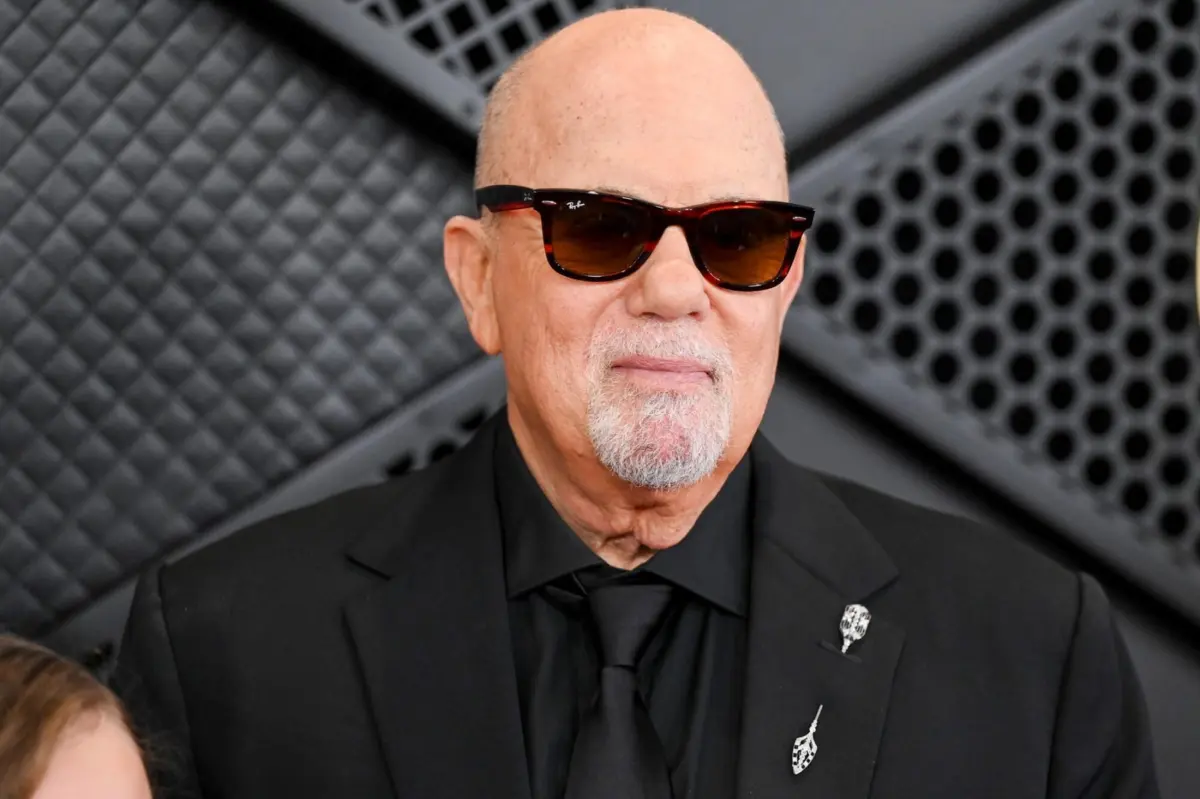
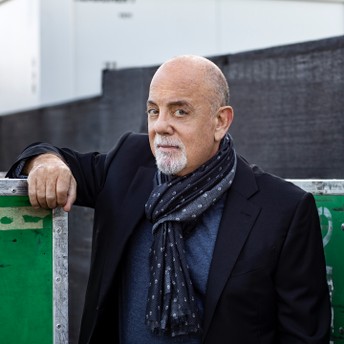
For decades, Billy Joel has been an immutable fixture of the global music landscape. Crowned the "Piano Man" early in his legendary career, the 77-year-old pop and rock icon has spent a lifetime captivating millions with soaring melodies, poetic lyricism, and tireless live performances. However, behind the iconic Steinway grand piano, a quiet and alarming medical crisis was unfolding.
In a candid, soul-bearing interview on his dedicated SiriusXM channel, Joel opened up for the first time about the terrifying reality of his diagnosis with Normal Pressure Hydrocephalus (NPH)—a neurological condition that ultimately forced him to halt his touring career. What began as unsettling balance issues, described by the singer as feeling perpetually "on a boat," unmasked a startling truth: the physical toll of rocking out at maximum volume night after night was mimicking the effects of repeated concussions.
This comprehensive report explores the dramatic intersection of rock-and-roll endurance and neurological health. We trace the chronology of Billy Joel’s diagnosis, examine the intricate medical realities of brain shunts and cerebrospinal fluid accumulation, review the profound sacrifices required to preserve cognitive function, and outline the future outlook for one of American music’s most enduring treasures.
Detailed Chronology: From the Stage Collapse to the Diagnosis
The Warning Signs on the Road
The first public cracks in Billy Joel’s seemingly invincible touring stamina appeared in early 2025. For a man who built his legacy on high-octane performances, marathon setlists, and an unbreakable rapport with audiences worldwide, the onset of physical instability was deeply alarming.
The tipping point arrived on February 22, 2025, during a headlining performance at the Mohegan Sun Arena in Uncasville, Connecticut. Near the emotional climax of his classic anthem "It’s Still Rock and Roll to Me," Joel executed a signature microphone spin. However, what should have been a routine piece of stagecraft went awry when he lost his footing and fell heavily on stage.
While concertgoers initially brushed off the incident as a momentary slip, it served as a glaring physical manifestation of a progressive, underlying neurological disorder that had been quietly eroding his equilibrium.
Seeking Answers and Confronting NPH
Troubled by persistent balance problems and cognitive fogginess that made navigating daily life feel unstable, Joel sought medical evaluation. Neurologists administered a battery of tests before delivering a diagnosis that would alter the course of his golden years: Normal Pressure Hydrocephalus (NPH).
NPH is a brain disorder characterized by the abnormal accumulation of cerebrospinal fluid (CSF) in the brain’s ventricles. As the fluid builds up, it places severe, progressive pressure on surrounding brain tissue. This compression impairs critical neurological functions, manifesting as gait disturbances (the feeling of being on a boat), cognitive decline, and memory loss.
Initially, the singer’s reaction to his medical team’s primary treatment recommendation was swift and dismissive. "I initially said I’d ‘pass’ on the suggestion," Joel confessed, recalling his aversion to the invasive nature of the proposed operation, which required drilling directly through his skull to implant a surgical drainage system.
The Turning Point: Choosing Surgery
Faced with the progressive nature of NPH, Joel reconsidered his initial refusal after conducting independent research. The realization that untreated hydrocephalus could permanently erode his memory and cognitive clarity forced a reconsideration.
"I read up on it and I realized it can help improve your balance and can help your memory. You know, I don’t want to lose my marbles," Joel shared with listeners on SiriusXM. "It’s hard to tell what’s age and what’s a condition, so I agreed to do the shunt and I had a surgery, and they implanted a shunt in my brain and it actually improved things."
The successful procedure—which involved inserting a flexible tube (shunt) to redirect excess CSF away from the brain and into another part of the body where it can be absorbed—yielded immediate, tangible improvements in his balance, memory, and overall physical coordination.
Supporting Context & Metrics: Understanding Normal Pressure Hydrocephalus (NPH)
What is Normal Pressure Hydrocephalus?
To fully comprehend the severity of Billy Joel’s health crisis, one must examine the clinical realities of NPH. According to the Cleveland Clinic, Normal Pressure Hydrocephalus is most commonly diagnosed in adults aged 60 and older. Despite the word "normal" in its title, the pressure of the fluid inside the ventricles remains within normal ranges during spinal taps, yet the sheer volume and constant presence of the fluid cause profound damage over time.
The classic clinical triad of NPH includes:
Gait Disturbances: Often the earliest symptom, presenting as a magnetic, shuffling walk or profound unsteadiness—matching Joel’s description of feeling like he was walking on a boat.
Cognitive Impairment: Ranging from mild forgetfulness and slowed thinking to severe executive dysfunction, affecting concentration and task management.
Urinary Incontinence: Resulting from the compression of neural pathways that control bladder function.
The Rock-and-Roll Concussion Effect
Perhaps the most arresting revelation from Joel’s medical disclosures was the connection between his profession and the progression of his neurological vulnerability. His neurological team delivered a sobering verdict: decades of performing high-decibel, physically demanding rock concerts had taken a cumulative toll.
"Because of my job, which is playing rock ’n’ roll music very loud, [it] was giving me something like a concussion every time I did a show," Joel explained. "It was causing damage to my brain nerves and I could be losing more brain cells the more shows I did, and I realized that means I shouldn’t be doing this right now."
The vibrational impact of massive stadium sound systems, combined with the physical exertion of energetic piano playing and stage performance, created micro-traumas analogous to repetitive concussions. For a brain already compromised by fluid accumulation, this continuous environmental stressor threatened permanent, irreversible cellular damage.
Official Statements and Public Reassurance
Stepping Back from the Spotlight
Following medical advisement to eliminate high-stress environments and physical triggers, Billy Joel made the heavy decision to cancel his planned 2025 tour dates. The cancellation sent shockwaves through the music industry, prompting an outpouring of concern from millions of devoted fans worldwide.
Yet, rather than retreating into complete seclusion, the legendary songwriter has embraced a rigorous rehabilitation regimen. He has fully committed to physical therapy and neuro-cognitive exercises prescribed by his medical team.
"I gotta improve. They don’t want me to stress too much," Joel noted, emphasizing his active role in his recovery. "I’m doing whatever it is they tell me to do because I don’t want to lose it." He described a daily routine of self-testing and cognitive monitoring designed to safeguard his mental sharpness.
Direct Message to Fans: "I’m Still Here"
Aware of the anxiety surrounding his health, the "Vienna" singer offered a reassuring message to his global fanbase, firmly quashing rumors of an imminent fade into obscurity:
"I just want people to know, don’t worry about me. I’m not going anywhere. I’m here. I’m still here."
This resilience was underscored by rare, selective public appearances. On January 2, 2025, Joel surprised attendees at a concert in Wellington, Florida, by hopping on stage with a Billy Joel tribute band, Turnstiles, to deliver rousing renditions of "We Didn’t Start the Fire" and "Big Shot." Furthermore, he maintained his philanthropic commitment to music education, appearing in March at a star-studded Carnegie Hall tribute fundraiser featuring luminaries such as Rob Thomas, Rufus Wainwright, Wyclef Jean, and Pat Monahan—an event that successfully raised over $225,000.
Future Outlook: Legacy, Recovery, and the Unbroken Spirit
As Billy Joel navigates the post-surgical chapter of his life, the landscape of his career has undeniably shifted. The era of grueling, multi-city world tours and high-decibel stadium spectacles has officially concluded, replaced by a chapter centered on healing, preservation, and quiet contribution.
The Medical Prognosis
Neurological experts note that while shunt surgery cannot reverse all historical damage caused by NPH, it effectively halts the progressive degeneration of brain tissue when caught and treated. Coupled with strict lifestyle modifications—such as avoiding the acoustic and physical trauma of loud rock performances—Joel’s prognosis for maintaining his cognitive faculties and daily independence remains strong.
Preserving a Cultural Monument
Billy Joel’s legacy is already cemented in the annals of American music history. With over 160 million records sold worldwide, six Grammy Awards, and a catalog of timeless anthems that soundtrack generations, his place as a cultural titan is unassailable.
By openly discussing his battle with Normal Pressure Hydrocephalus, Joel has performed one final, vital service for his public: destigmatizing neurological aging and demonstrating the courage required to prioritize health over applause.
The Piano Man may have stepped away from the blinding lights of the tour bus, but his voice, his mind, and his indomitable spirit remain intact. As he assured his supporters, he is not going anywhere—proving that true artistry transcends the stage.