Executive Overview
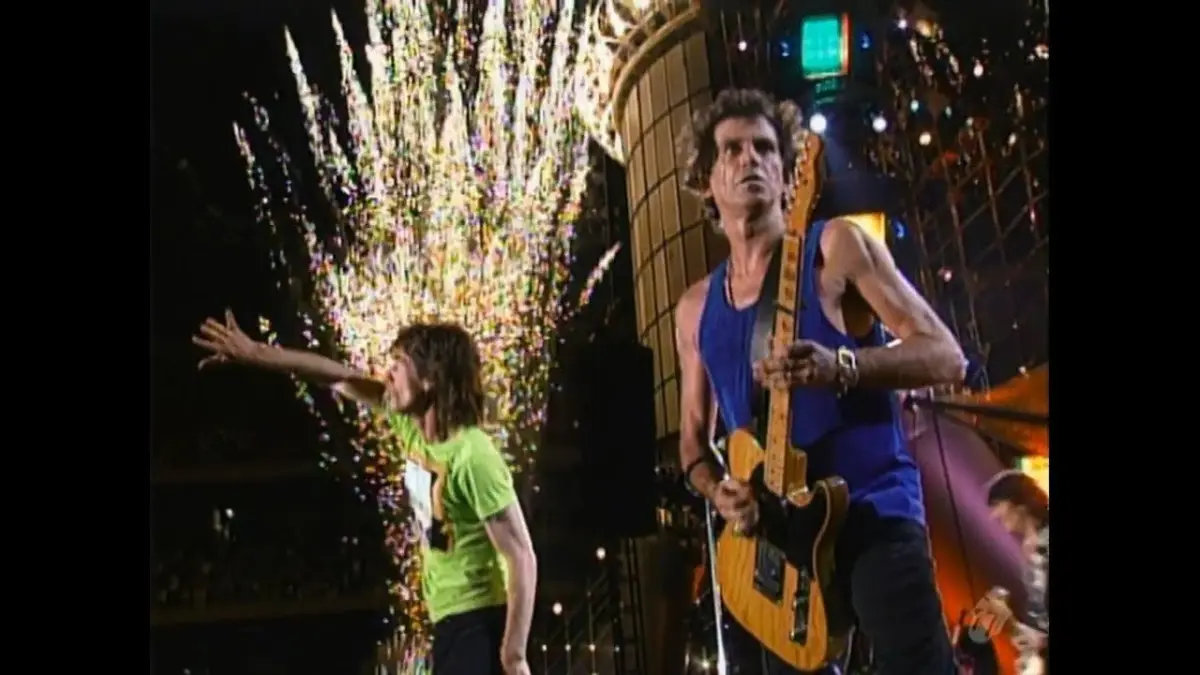
For over six decades, The Rolling Stones have stood as the premier archetype of rock ’n’ roll rebellion, swagger, and artistic endurance. Formed amidst the damp, smoke-filled rhythm-and-blues clubs of London in the early 1960s, the group—anchored by the legendary songwriting partnership of vocalist Mick Jagger and guitarist Keith Richards—transformed American blues and roots music into a global cultural phenomenon. Across 25 primary UK studio releases, the Stones did not merely mirror the evolving musical landscape; they frequently defined, disrupted, and redefined it.
While their British contemporaries, most notably The Beatles under the guidance of producer George Martin, embraced classical orchestration, music hall sensibilities, and pop-driven melodies, The Rolling Stones built their empire on transatlantic raw materials. They synthesized electric Chicago blues, syncopated Southern soul, urban funk, and outlaw country into an aggressive, uninhibited rock aesthetic. This exhaustive critical analysis synthesizes six decades of studio recordings, contextualizing each album within the band’s artistic evolution, internal dynamics, commercial impact, and legacy.
Detailed Chronology: The Discography Ranked
The studio catalog of The Rolling Stones represents a dynamic trajectory marked by foundational blues roots, a peerless late-1960s and early-1970s golden era, adventurous genre excursions in the late 1970s, and a long-standing commitment to high-octane modern production.
THE GOLDEN QUADRUMVIRATE & BEYOND

   ┌────────────────────────────────────────────────────────┐
   │ 1. Sticky Fingers (1971)        - Peak Musicality       │
   │ 2. Exile On Main St. (1972)     - Raw Americana Double  │
   │ 3. Let It Bleed (1969)          - End-of-60s Apocrypha  │
   │ 4. Beggars Banquet (1968)       - Acoustic & Blues Return│
   │ 5. Some Girls (1978)            - Disco & Punk Answer  │
   └────────────────────────────────────────────────────────┘
The Missteps and Misguided Experiments (#25–#21)
25. Emotional Rescue (1980)
Emotional Rescue captured the Stones arriving late to the disco movement—a full five years after its global saturation. Dominated by Jagger’s high-pitched falsetto and buoyant basslines on tracks like "Dance (Pt. 1)" (which shared an uncanny rhythmic resemblance to Led Zeppelin’s "Trampled Under Foot"), the album lacks cohesive focus. The sole undeniable highlight remains Keith Richards’ tender, reflective vocal closer, "All About You."
24. Dirty Work (1986)
Recorded during the nadir of Jagger and Richards’ personal and professional relationship—exacerbated by Jagger’s focus on his debut solo record She’s The Boss—Dirty Work suffers from harsh mid-1980s production techniques. Drummer Charlie Watts was battling severe personal addiction issues, leaving the sessions feeling fractured. The album’s flagship single, a cover of Bob & Earl’s "Harlem Shuffle," lacks the urgency of their best work, making the LP a document of internal discord.
23. Steel Wheels (1989)
Designed as a high-profile reconciliation between Jagger and Richards, Steel Wheels established the sonic template for the band’s late-career stadium era. Built around Charlie Watts’ precise snare work, the album prioritized polished, arena-ready rock ("Mixed Emotions") over organic groove. Despite the inclusion of "Continental Drift"—a bold experiment featuring the Master Musicians of Jajouka—the album prioritized commercial stability over artistic risk.

22. Bridges To Babylon (1997)
In an effort to remain contemporary, the band enlisted a sprawling roster of producers including The Dust Brothers, Don Was, and Danny Saber, alongside eight different bass players. Jagger pushed for loop-based sampling and modern pop-R&B arrangements ("Anybody Seen My Baby"), while Richards held fast to traditionalist blues-rock styles produced by Rob Fraboni. The resulting album, though commercially successful, feels musically fragmented.
21. Voodoo Lounge (1994)
Following the departure of founding bassist Bill Wyman, the Stones recruited Darryl Jones to hold down the low end. Under the guidance of producer Don Was, Voodoo Lounge sought to recalibrate the band’s classic 1970s warmth for the digital age. Tracks like "Love Is Strong" and the driving single "You Got Me Rocking" restored a sense of muscular dignity to the group’s sound.
Transitional Phases and Stylistic Pivots (#20–#16)
========================================================================
ALBUM RANKINGS: MID-TIER & TRANSITIONAL ERAS
========================================================================
#20 Black And Blue (1976)        --> Guitarist Auditions & Funk Grooves
#19 Between The Buttons (1967)   --> Kinks-esque Pop & Studio Polishing
#18 Goats Head Soup (1973)       --> Balladry & Clavinet Funk
#17 Undercover (1983)            --> Post-Punk, Reggae & MTV Ambition
#16 Foreign Tongues (2026)       --> Modern High-Def Heavy Rock
========================================================================
20. Black And Blue (1976)
Functioning in part as an open audition to replace guitarist Mick Taylor, Black And Blue features guest performances by Wayne Perkins, Harvey Mandel, and eventual full-time member Ronnie Wood. The album explores reggae ("Cherry Oh Baby"), funk ("Hot Stuff"), and soul ("Hand Of Fate"), culminating in the majestic, sprawling ballad "Memory Motel."
19. Between The Buttons (1967)
Recorded in London and Hollywood, Between The Buttons signaled a shift away from pure American blues toward British pop structures reminiscent of The Kinks. With multi-instrumentalist Brian Jones’ influence beginning to recede, tracks like "Miss Amanda Jones" and Richards’ vocal showcase "Connection" highlighted a crisp, driving rock style that laid early foundations for their late-1960s sound.

18. Goats Head Soup (1973)
Following the relentless double-album assault of Exile On Main St., the Stones retreated to Jamaica’s Dynamic Sounds Studios. Influenced by their tourmate Stevie Wonder, the band incorporated wah-wah clavinet and lush brass arrangements ("Doo Doo Doo Doo Doo (Heartbreaker)"). While lighter on up-tempo rockers, the record features "Angie," one of the most commercially successful ballads in the group’s history.
17. Undercover (1983)
Undercover was the Stones’ last full-throated attempt to aggressively shape contemporary pop trends. Co-produced by Chris Kimsey, the record incorporated post-punk rhythms, dance-funk guitar textures ("Undercover Of The Night"), reggae ("Feel On Baby"), and spoken-word rap ("Too Much Blood"). Its provocative music videos were heavily featured—and occasionally censored—by MTV.
16. Foreign Tongues (2026)
Continuously pushing their recording career forward into their seventh decade, Foreign Tongues expands upon the contemporary, high-definition rock polish established by producer Andrew Watt. Driven by tight rhythms and sharp, frill-free arrangements, the record juxtaposes modern aggro-rockers like "Rough And Twisted" with archival drum tracks from the late Charlie Watts on "Hit Me In The Head." High-profile guest contributions from Paul McCartney and Steve Winwood complement Jagger’s falsetto work ("Jealous Lover") and Richards’ reflective country outings ("Some Of Us").
Creative Flourishes and Formative Milestones (#15–#11)
      [1965–1981: THE EVOLUTION OF ROCK TEMPLATES]

  Out Of Our Heads (1965)    --> Soul & Motown Integration
  No. 2 (1965)               --> Chess Studios Blues Magic
  Their Satanic Majesties... --> Psychedelic Experimentation
  It's Only Rock 'N Roll     --> Reggae Beats & Heavy Riffs
  Tattoo You (1981)          --> Vault Rescues turned Hits
15. It’s Only Rock ’N Roll (1974)
Marking Mick Taylor’s final studio appearance, It’s Only Rock ‘N Roll captured the band self-producing under the pseudonym "The Glimmer Twins." Featuring funk-infused extended workouts ("Fingerprint File") and Latin-tinged ballads ("Time Waits For No One"), the album’s identity is anchored by its anthemic title track—co-written during home jam sessions with Ronnie Wood.

14. Their Satanic Majesties Request (1967)
Often dismissed as an imitation of Sgt. Pepper’s Lonely Hearts Club Band, Satanic Majesties arose from chaotic studio sessions punctuated by high-profile drug arrests. Despite its fractured origins, the record stands as a compelling psychedelic artifact, featuring the dark, Mellotron-driven "2000 Light Years From Home" and the orchestral pop classic "She’s A Rainbow" (arranged by future Led Zeppelin bassist John Paul Jones).
13. Out Of Our Heads (1965)
The band’s third UK studio effort reflected their evolving concert setlists, shifting focus from raw Delta blues to American R&B and Motown soul. Striking covers of Don Covay’s "Mercy Mercy," Marvin Gaye’s "Hitch Hike," and Sam Cooke’s "Good Times" demonstrated the band’s expanding musical versatility during their formative American tours.
12. The Rolling Stones No. 2 (1965)
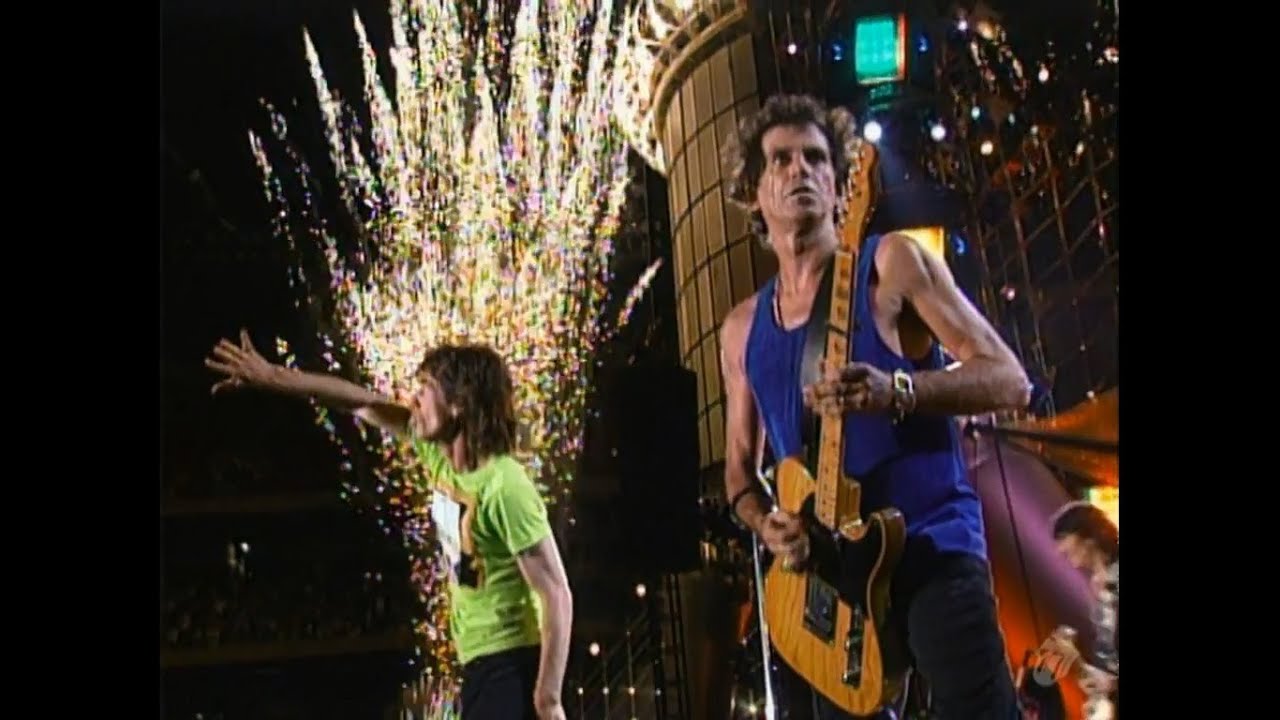
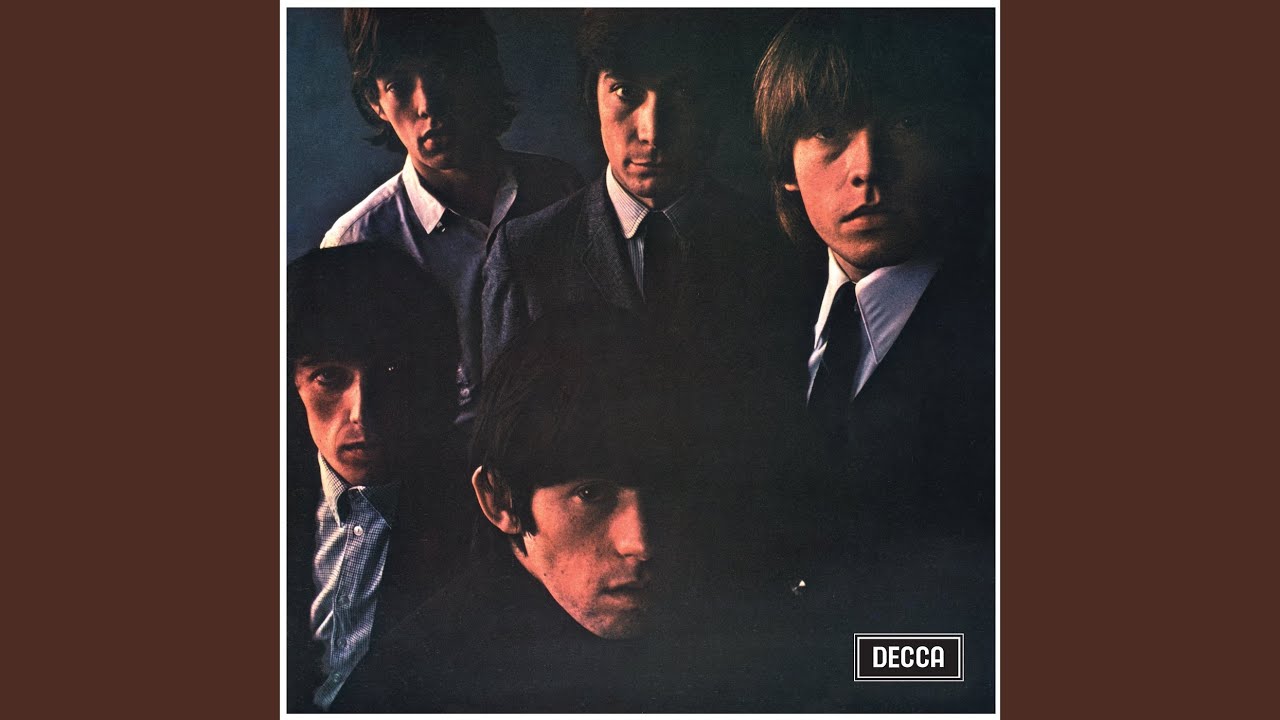
Recorded largely at Chicago’s legendary Chess Studios and RCA in Hollywood, this early LP documents a band refining their sound on American soil. Despite condescending coverage from mainstream media, the band delivered confident performances of "Time Is On My Side" and "Down The Road Apiece," alongside increasingly sophisticated early Jagger/Richards originals like "Off The Hook."
11. Tattoo You (1981)
Assembled largely from unreleased studio outtakes spanning a decade, producer Chris Kimsey and the band overhauled vintage backing tracks with fresh vocals and updated mixes. The resulting album flows with remarkable unity, yielding classic rockers ("Start Me Up," originally conceived as a reggae vamp during the Black And Blue sessions) and smooth, sax-laden soul ballads ("Waiting On A Friend").
The Modern Triumphs and Roots Revolutions (#10–#6)
10. A Bigger Bang (2005)
Stripping away the multi-producer excess of their 1990s records, A Bigger Bang focused on bare-bones, highly visceral rock ‘n’ roll. Tracks like "Rough Justice" and "Oh No Not You Again" highlighted the rhythmic synergy between Richards’ open-tuned guitars and Watts’ unyielding drumming, demonstrating the enduring viability of their core signature sound.
9. Blue & Lonesome (2016)
Recorded live over three days at British Grove Studios in West London, Blue & Lonesome marked the Stones’ first pure blues record in over five decades. Covering classics by Little Walter, Jimmy Reed, and Howlin’ Wolf, the album featured Jagger’s harp playing and passionate vocals, accompanied by guest guitar work from Eric Clapton.
+--------------------------------------------------------------------+
|                      AFTERMATH (1966) AT A GLANCE                  |
+--------------------------------------------------------------------+
|  • First all-original Jagger/Richards tracklist                    |
|  • Brian Jones' multi-instrumental mastery:                        |
|       - Sitar simulation / Slide Guitar ("Mother's Little Helper") |
|       - Appalachian Dulcimer ("Lady Jane")                         |
|       - African Marimbas ("Under My Thumb")                        |
+--------------------------------------------------------------------+
8. Aftermath (1966)
A landmark in the band’s trajectory, Aftermath was the first Rolling Stones album composed entirely of Jagger/Richards material. Recorded in Los Angeles, the album was defined by Brian Jones’ creative instrumental textures, including the Appalachian dulcimer on "Lady Jane" and the marimba melody on "Under My Thumb."
7. Hackney Diamonds (2023)
Ending an 18-year hiatus of original material, Hackney Diamonds paired the band with producer Andrew Watt to deliver a critical and commercial success. Featuring appearances by Paul McCartney, Elton John, Stevie Wonder, and Lady Gaga ("Sweet Sounds Of Heaven"), the record captured the band’s late-era energy on tracks like "Angry" and "Bite My Head Off," while honoring Charlie Watts via posthumously included drum tracks.
6. The Rolling Stones (1964)
The band’s debut album captured the energetic spirit of the 1960s British rhythm-and-blues explosion. Filled with vibrant covers of Chuck Berry ("Carol"), Slim Harpo ("I’m A King Bee"), and Jimmy Reed ("Honest I Do"), the record introduced the world to the band’s raw, unpolished musical energy.
The Immortal Top Five (#5–#1)
========================================================================
                      THE CANONICAL TOP FIVE
========================================================================

  #5: SOME GIRLS (1978)
      Key Tracks: "Miss You", "Beast Of Burden", "Respectable"
      Impact: Fused four-to-the-floor disco grooves with punk attitude.

  #4: BEGGARS BANQUET (1968)
      Key Tracks: "Sympathy For The Devil", "Street Fighting Man"
      Impact: Breathed dirty acoustic roots into political rock.

  #3: LET IT BLEED (1969)
      Key Tracks: "Gimme Shelter", "Midnight Rambler"
      Impact: The apocalyptic sonic finale to the turbulent 1960s.

  #2: EXILE ON MAIN ST. (1972)
      Key Tracks: "Tumbling Dice", "Rocks Off", "All Down The Line"
      Impact: Sprawling, basement-recorded double-LP masterpiece.

  #1: STICKY FINGERS (1971)
      Key Tracks: "Brown Sugar", "Wild Horses", "Can't You Hear Me Knocking"
      Impact: The absolute peak of Mick Taylor-era blues-rock fusion.
========================================================================
5. Some Girls (1978)
Facing the dual cultural waves of punk rock and disco, the Stones responded with their most vital record of the late 1970s. Driven by the four-to-the-floor disco rhythm of "Miss You," the street-smart urgency of "Respectable," and the soulful guitars of "Beast Of Burden," Some Girls re-established the group’s global relevance.
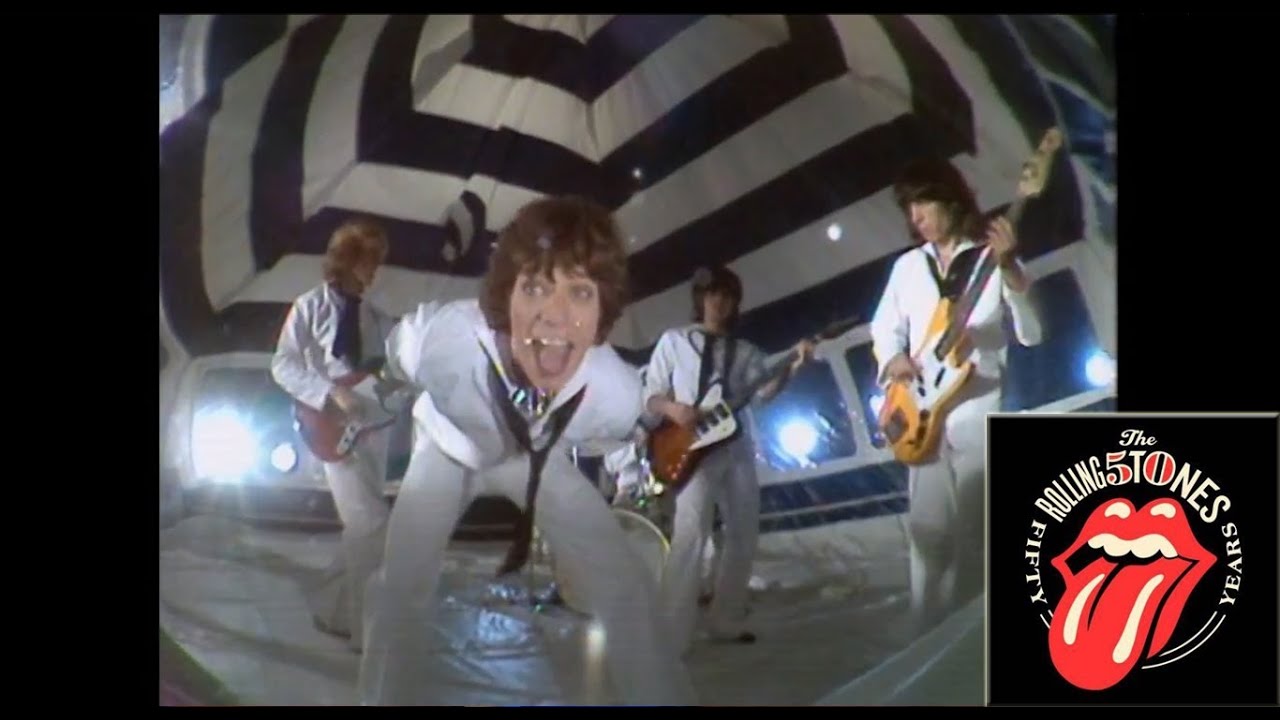
4. Beggars Banquet (1968)
Initiating the band’s celebrated golden era, Beggars Banquet stripped away psychedelic flourishes in favor of gritty, acoustic-driven roots rock. Enhanced by Jimmy Miller’s earthy production, the album yielded the samba-infused "Sympathy For The Devil" and the politically charged "Street Fighting Man."
3. Let It Bleed (1969)
Released on the eve of the Altamont Free Concert, Let It Bleed served as an eerie soundtrack to the end of the 1960s. From the apocalyptic intensity of "Gimme Shelter"—featuring Merry Clayton’s iconic vocal performance—to the blues epic "Midnight Rambler" and the choral finale "You Can’t Always Get What You Want," the album remains a masterpiece of dark rock ‘n’ roll.
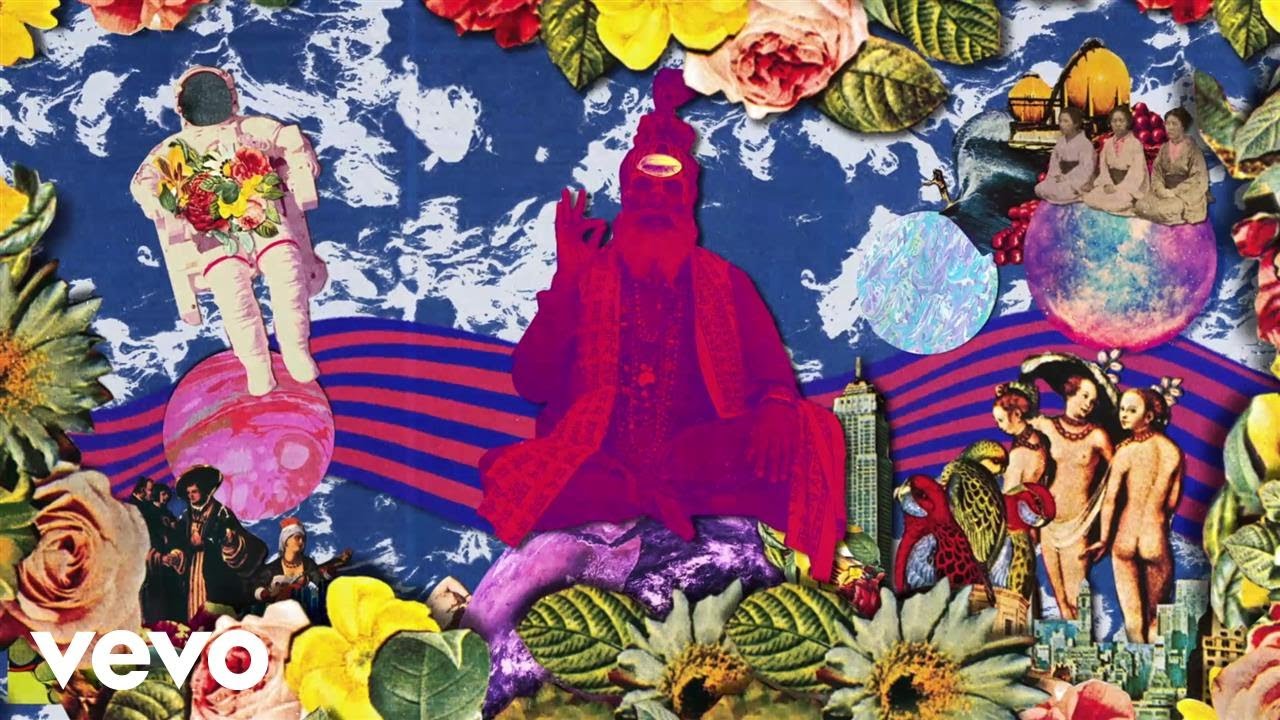
2. Exile On Main St. (1972)
Recorded in the basement of the Villa Nellcôte in southern France during a period of tax exile, Exile On Main St. stands as one of the definitive double albums in rock history. A murky mix of blues, country, gospel, and soul, tracks like "Tumbling Dice," "Rocks Off," and "Rip This Joint" capture a band performing at their absolute peak.
1. Sticky Fingers (1971)
Featuring iconic artwork designed by Andy Warhol, Sticky Fingers represents the definitive studio statement by The Rolling Stones. The album highlights the brilliant guitar interplay between Keith Richards and Mick Taylor, supported by the horn arrangements of Bobby Keys. From the opening riff of "Brown Sugar" to the country-rock archetype "Wild Horses" and the extended jam of "Can’t You Hear Me Knocking," Sticky Fingers stands as the crown jewel of their discography.
Supporting Context, Musical Evolution, and Key Metrics
Production Transformations Across Eras
The sonic progression of The Rolling Stones catalog was fundamentally shaped by key studio collaborators who guided their musical transitions:
+-------------------+----------------------+-------------------------------------+
| Producer / Era    | Time Period          | Key Signature Characteristics       |
+-------------------+----------------------+-------------------------------------+
| Andrew Loog Oldham| 1964–1967            | Raw R&B, mono mixes, pop hooks     |
| Jimmy Miller      | 1968–1973 (Golden)   | Earthy acoustic drums, organic depth|
| The Glimmer Twins | 1974–1981            | Funk jams, disco grooves, heavy rock|
| Chris Kimsey      | 1981, 1983, 1989     | Gated snares, crisp digital clarity |
| Don Was           | 1994–2016            | Vintage warmth, high-fidelity polish|
| Andrew Watt       | 2023–Present         | Aggressive, high-definition punch   |
+-------------------+----------------------+-------------------------------------+
Commercial & Critical Impact Summary
                      ALBUM CATEGORIZATION BY ERA

    1964-1967: Formative R&B & Psychedelia
    [R&B Covers] ──> [Self-Composed Pop] ──> [Psychedelic Trips]
    (The Rolling Stones)   (Aftermath)       (Satanic Majesties)

    1968-1972: The Golden Quadrumvirate
    [Roots Return] ──> [Apocalyptic Rock] ──> [Warhol Blues] ──> [Nellcôte Basement]
    (Beggars Banquet)    (Let It Bleed)      (Sticky Fingers)     (Exile On Main)

    1973-1981: Funk, Reggae & Disco Adaptations
    [Jamaica Funk] ──> [Guitar Auditions] ──> [NYC Disco-Punk] ──> [Vault Re-recordings]
    (Goats Head Soup)   (Black and Blue)       (Some Girls)         (Tattoo You)

    1983-Present: Modern Era & Late Triumphs
    [80s Friction]  ──> [Was/Jones Era]   ──> [Live Blues Return] ──> [Watt-Era Rebirth]
    (Dirty Work)        (Voodoo Lounge)       (Blue & Lonesome)     (Hackney Diamonds)
Critical Reception and Band Dynamics
The artistic trajectory of The Rolling Stones has consistently interacted with internal band dynamics and evolving musical genres:
1. The Songwriting Axis
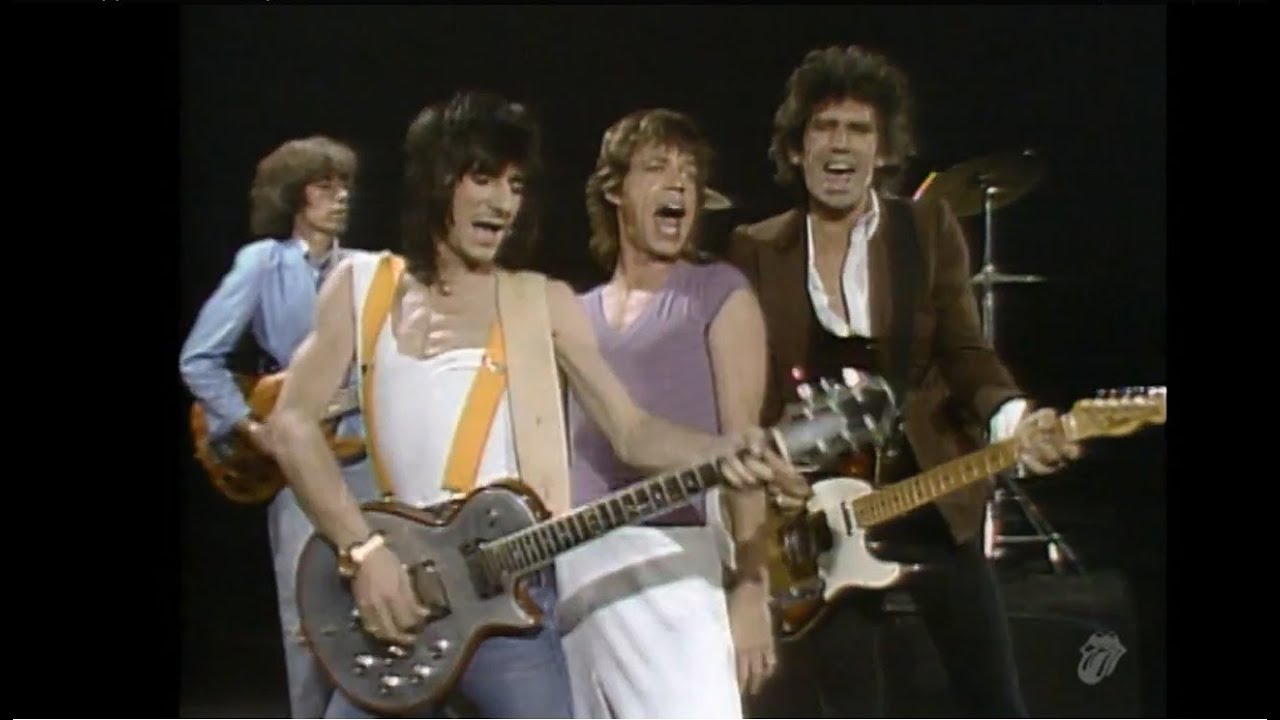
The central creative tension between Mick Jagger and Keith Richards has historically driven the band’s stylistic shifts. Jagger has consistently acted as the forward-looking trendsetter, eager to incorporate contemporary club styles, dance rhythms, and pop production techniques (as seen on Emotional Rescue, Undercover, and Bridges To Babylon).
Conversely, Richards has served as the band’s musical archivist, anchoring their work in traditional American roots, blues, and country styles. When these two opposing forces achieve equilibrium—as on Beggars Banquet, Sticky Fingers, and Some Girls—the band produces its most enduring work.
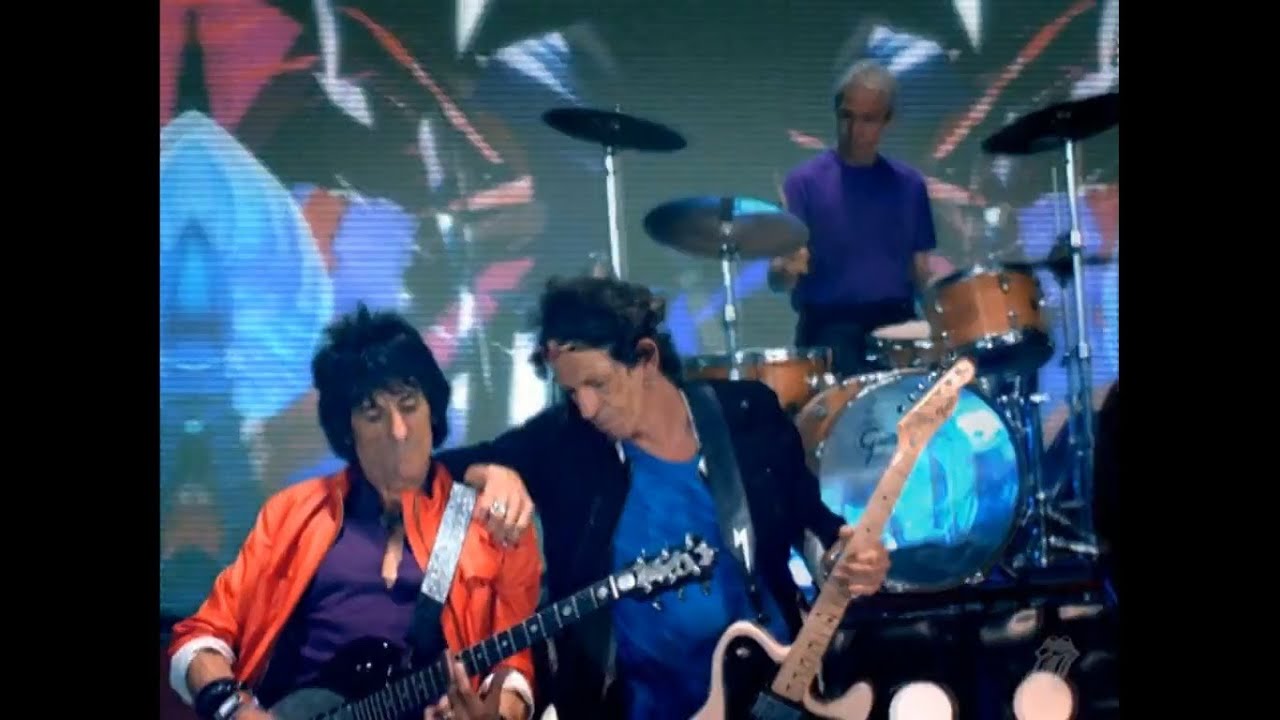
2. Lead Guitar Transitions
The band’s studio eras are neatly delineated by the lead guitarists who partnered with Richards:
- Brian Jones (1964–1968): Brought a multi-instrumental sensibility to the studio, introducing sitar, dulcimer, marimba, and Mellotron.
- Mick Taylor (1969–1974): Introduced fluid, virtuoso blues-rock soloing and melodic solo lines, elevating the technical musicality of Sticky Fingers and Exile On Main St.
- Ronnie Wood (1975–Present): Restored the "ancient art of weaving," blending dual rhythm and lead parts seamlessly with Richards’ open-G tuning.
       LINE-UP EVOLUTION (LEAD GUITAR AXIS)

  1964-1968 ──────────────── Brian Jones
                             (Multi-Instrumental Color)
  1969-1974 ──────────────── Mick Taylor
                             (Virtuoso Blues/Slide Solos)
  1975-Present ───────────── Ronnie Wood
                             (Rhythmic Guitar Weaving)
Future Outlook and Legacy in the 21st Century
Rather than resting on their laurels as a heritage touring act, The Rolling Stones have continued to update their studio legacy into their seventh decade. The critical and commercial success of late-career projects like Blue & Lonesome (2016) and Hackney Diamonds (2023) demonstrated that their core musical chemistry remains vibrant.

With Steve Jordan stepping into the drum chair following the passing of Charlie Watts, and producer Andrew Watt bringing modern high-definition punch to their sound, the band has successfully bridged their historical roots with contemporary recording standards.
Whether exploring traditional Chicago blues or cutting high-energy rock anthems, The Rolling Stones’ 25-album studio catalog stands as an unassailable foundation of modern music history—a body of work that continues to influence every generation of rock ’n’ roll that follows.