Executive Overview
In a monumental development for the history of electronic and art-pop music, legendary New York duo Fischerspooner have officially partnered with Demon Records to launch an extensive, career-spanning catalogue reissue campaign. This multi-phase archival initiative promises to meticulously restore, preserve, and celebrate the provocative output of one of the early 2000s’ most visually striking and sonically innovative outfits.
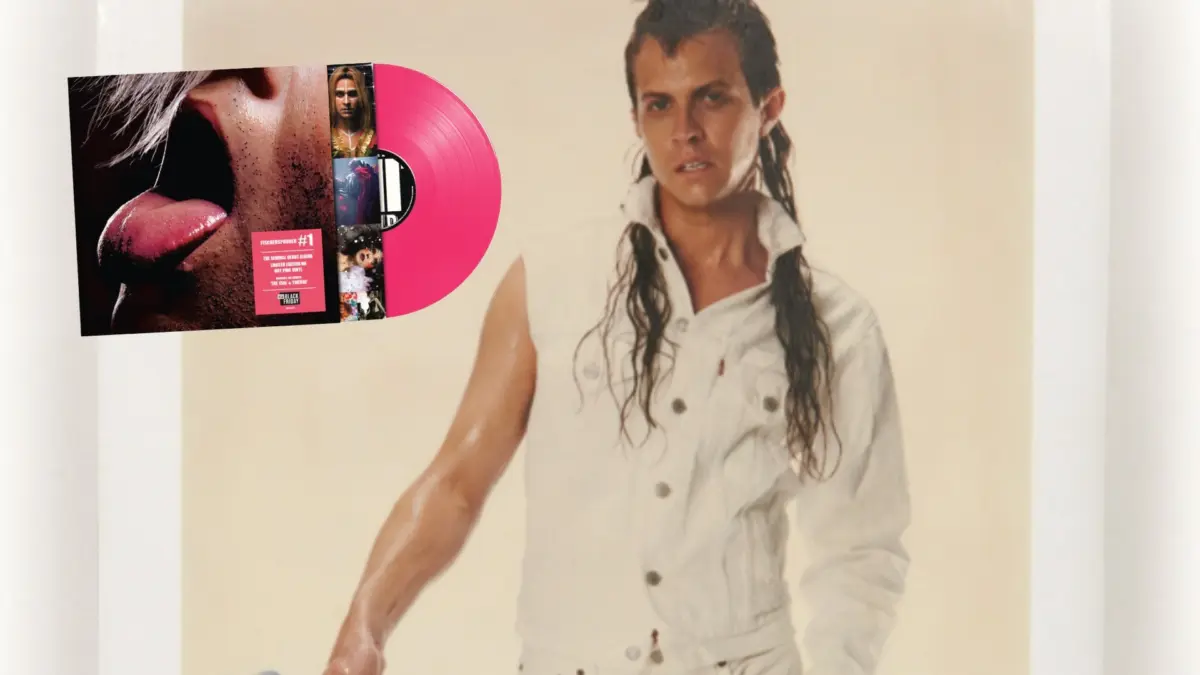
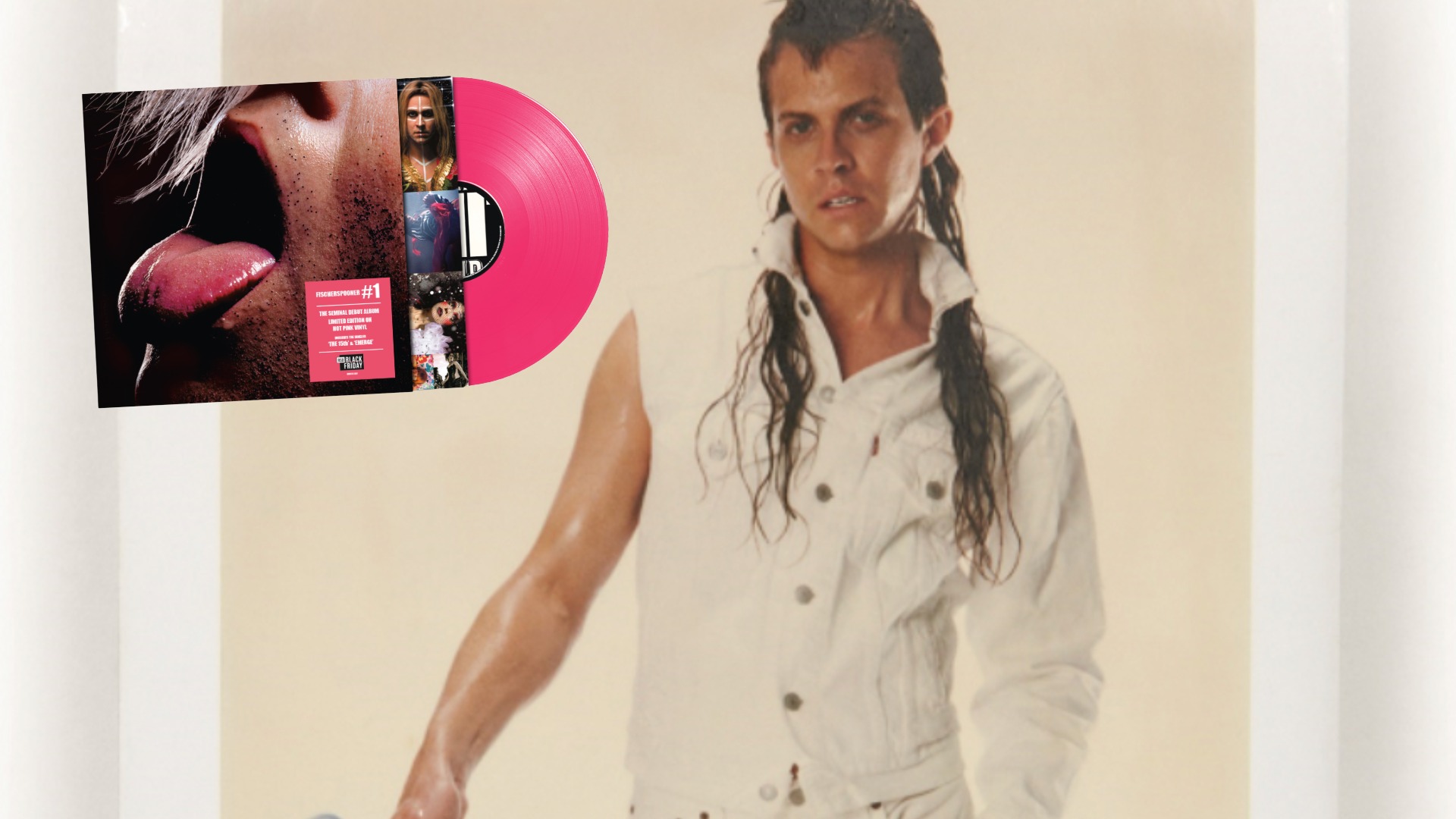
The campaign launches on November 27 with a striking, limited-edition hot pink vinyl pressing of the duo’s seminal 2001 debut studio album, #1. Available exclusively through participating independent outlets for Record Store Day Black Friday, this release marks the first time the album has been pressed on vinyl since its original, highly coveted early-2000s runs. Beyond this immediate collector’s item, the partnership will culminate in a comprehensive, definitive box set slated for release in the spring of 2027.
Founded in New York City in 1998 by classically trained musician Warren Fischer and performance artist Casey Spooner, Fischerspooner emerged not merely as a band, but as a multidisciplinary performance art project. They interrogated, deconstructed, and radically redefined the parameters of pop stardom, high fashion, electronic dance music, and theatrical stagecraft. Throughout their career, they carved out a singular niche, balancing high-concept art theory with accessible, club-ready synth-pop anthems. They also lent their distinctive production and remixing prowess to global pop royalty, including Kylie Minogue and The Killers.
This newly minted partnership with Demon Records ensures that Fischerspooner’s pioneering contributions to modern music culture will be properly archived, contextualized, and introduced to entirely new generations of listeners, vinyl enthusiasts, and art historians alike.
Detailed Chronology: From Lower Manhattan Experiment to Global Electroclash Phenomenon
1998–2000: The Genesis in the New York Underground
Long before the term "electroclash" became a ubiquitous buzzword across music journalism columns in London and New York, Fischerspooner was born out of the gritty, vibrant downtown arts scene of late-1990s Manhattan. Warren Fischer and Casey Spooner conceived the project as an experimental laboratory—a hybrid platform that dissolved the traditional boundaries separating visual art, theatre, fashion design, and electronic music composition.
In their nascent stages, Fischerspooner performances functioned less like traditional rock or electronic music gigs and more like interactive, site-specific theatrical happenings. They utilized lo-fi synthesizers, elaborate costume designs, conceptual dance choreography, and satirical multimedia visuals to question the very nature of entertainment, celebrity, and consumer culture. Operating within the subterranean DIY venues of the New York art world, the duo cultivated an aura of exclusivity and intellectual rigor, treating every live show as a singular, living installation.
2001–2003: The Release of #1 and the Electroclash Explosion
The turning point in the duo’s trajectory arrived with the independent release of their debut album, #1, in 2001. Propelled by the infectious, avant-garde club hits "Emerge" and "Sweet Knockout," the album quickly transcended the borders of the New York underground, igniting a transatlantic cultural firestorm.
#1 became the blueprint for the early-2000s electroclash movement—a genre-bending collision of 1980s synth-pop, post-punk attitude, techno beats, and high-fashion aesthetics. With Casey Spooner serving as an intensely charismatic, androgynous frontman whose stage presence referenced everyone from Klaus Nomi to David Bowie, and Warren Fischer orchestrating sleek, icy, yet deeply emotional electronic arrangements, the group captured the zeitgeist of a millennial culture on the precipice of digital transformation.
Major labels took notice of the underground frenzy. Fischerspooner signed a high-profile international deal with Capitol Records, which re-released #1 globally in 2003, complete with expanded visuals and high-budget music videos. Suddenly, an art project that had begun in cramped New York lofts was headlining international festivals, gracing the pages of avant-garde fashion magazines, and turning dancefloors upside down from Berlin to Tokyo.
2004–2018: Evolution, Artistry, and High-Profile Collaborations
Rather than resting on the commercial formulas of their debut, Fischerspooner continually subverted expectations across subsequent releases. Their sophomore studio album, Odyssey (2005), expanded their sonic palette by incorporating organic instrumentation, rich orchestral arrangements, and complex vocal harmonies, showcasing a maturing songwriting partnership.
Over the ensuing decade, the duo solidified their reputation as master architects of modern pop production and remixology. Their distinctive touch graced tracks for legendary acts such as Australian pop icon Kylie Minogue and Las Vegas indie-rock titans The Killers, bridging the gap between underground electronic experimentation and stadium-sized pop appeal.
In 2017, the duo returned with Sir, their critically acclaimed third studio album. Co-produced with R.E.M. frontman Michael Stipe, Sir was conceived as an explicit exploration of queer identity, desire, and heartbreak. It reaffirmed Fischerspooner’s status as vital, uncompromising contemporary artists capable of reinventing their sonic and visual vocabulary while staying true to their conceptual roots.
Supporting Context & Metrics: The Cultural and Commercial Impact of #1
To fully appreciate the significance of Demon Records’ decision to reissue #1 on hot pink vinyl, one must examine the metrics and cultural currency of the record within modern music history.
The Vinyl Resurgence and Collector Demographics
In the two decades since its initial release, original physical pressings of #1—particularly the early-2000s vinyl editions—have become holy grails for electronic music collectors and obsessive vinyl archivists. On secondary marketplaces like Discogs, mint-condition copies have routinely commanded substantial sums, reflecting a persistent, underserved demand for tangible physical artifacts from the electroclash era.
The decision to release the album on hot pink vinyl for Record Store Day Black Friday directly targets this passionate collector demographic. By aligning with participating independent record shops, Demon Records is ensuring that the physical release serves as both a celebration of indie record store culture and a long-overdue rectification of the album’s out-of-print status.
Defining the Sound of Millennium Transition
Musically, #1 occupies a fascinating historical crossroads. Released at the dawn of the digital age, the album bridged the gap between analog synthesizer nostalgia (nodding heavily to Kraftwerk, Depeche Mode, and early Chicago house) and the hyper-mediated celebrity culture of the 21st century.
Tracks like "Emerge" utilized minimalist, robotic beats and deadpan, spoken-word vocal delivery to critique the hedonism of the club scene while simultaneously celebrating its transcendent power. This duality—simultaneously participating in and critiquing the machinery of pop entertainment—became Fischerspooner’s defining signature.
Musicologists frequently cite #1 as a primary catalyst for the bloghouse and indie-dance explosions of the mid-2000s, paving the way for artists ranging from LCD Soundsystem and Lady Gaga to Justice and the broader synthwave revival movements of the 2010s and 2020s.
Official Statements: Perspectives from the Duumvirate
The announcement of the Demon Records partnership has prompted profound reflections from both founding members regarding the legacy, longevity, and future preservation of their life’s work.
Reflecting on the ideological roots of the project, classically-trained musician Warren Fischer shared deep insights into the experimental nature of their inception:
"Fischerspooner started in 1998 as an experiment incorporating music, image, and performance to explore what entertainment was and could be," Fischer explains.
"Sincere and absurd, I’m excited #1 is coming back on vinyl with Demon, so people can hear it again on its own terms, twenty-five years later."
Fischer’s statement highlights the deliberate tension at the heart of Fischerspooner’s art: the juxtaposition of profound sincerity with tongue-in-cheek absurdity. By presenting #1 on vinyl two and a half decades after its conception, the reissue allows listeners to evaluate the work detached from the fast-moving hype cycle of the early-2000s music industry, letting the compositions stand firmly on their own sonic merits.
Meanwhile, visionary performance artist Casey Spooner emphasized the immense emotional and historical value of archival preservation, viewing the partnership as an opportunity to unlock a treasure trove of unseen historical material:
"It’s exciting that all our creative work and history is being carefully preserved," adds Spooner.
"To have all these ideas gathered in one place and properly archived is a huge gift. There’s so much more that hasn’t been seen and amazing stories yet to be told."
Spooner’s forward-looking perspective underscores the multidisciplinary scale of the upcoming campaign. Because Fischerspooner generated countless hours of video art, conceptual photography, unreleased demo tracks, theatrical set designs, and avant-garde costume documentation, the process of cataloguing their history is an archaeological undertaking of major cultural importance.
Future Outlook: Looking Toward the 2027 Definitive Box Set
While the hot pink vinyl edition of #1 launching this November on Record Store Day Black Friday serves as the explosive opening salvo of this campaign, the horizon holds even greater treasures for devoted fans and cultural historians.
Demon Records and Fischerspooner have confirmed that the reissue campaign will expand progressively over the next few years, culminating in a comprehensive, definitive box set scheduled for release in the spring of 2027.
Although exact tracklists, unreleased audio inclusions, and physical packaging details for the 2027 box set remain under wraps, industry insiders anticipate that the collection will serve as the ultimate retrospective of the duo’s career. It is expected to encompass:
- Remastered editions of their entire studio album catalogue (#1, Odyssey, and Sir).
- Rare, long-out-of-print 12-inch remixes and club white-label dubs.
- Previously unreleased studio sessions, demo recordings, and alternate vocal takes.
- A hardbound retrospective photography book featuring iconic imagery, behind-the-scenes theatrical documentation, and newly commissioned critical essays exploring the socio-cultural impact of the electroclash movement.
As popular culture continues to cycle through nostalgic reassessments of the early 2000s, Fischerspooner’s return feels remarkably timely. Unlike many of their contemporaries who burned brightly and faded quickly, Fischerspooner approached pop music through the rigorous lens of conceptual fine art.
Through this definitive partnership with Demon Records, their legacy is secure. Whether spinning the newly minted hot pink vinyl of #1 on a turntable this November or awaiting the monumental box set arrival in spring 2027, audiences are being reminded that Fischerspooner were not merely participants in the musical landscape of their time—they were architects of the future.