Executive Overview
It was the television equivalent of a high-stakes, blindfolded tango across a minefield. Saturday night marked Judgement Day for what industry insiders and passionate fans alike are calling Strictly Come Dancing 2.0. The departure of long-standing, beloved hosts Tess Daly and Claudia Winkleman was never going to be a quiet transition; it represents the most monumental structural shift in the BBC flagship entertainment juggernaut’s history.
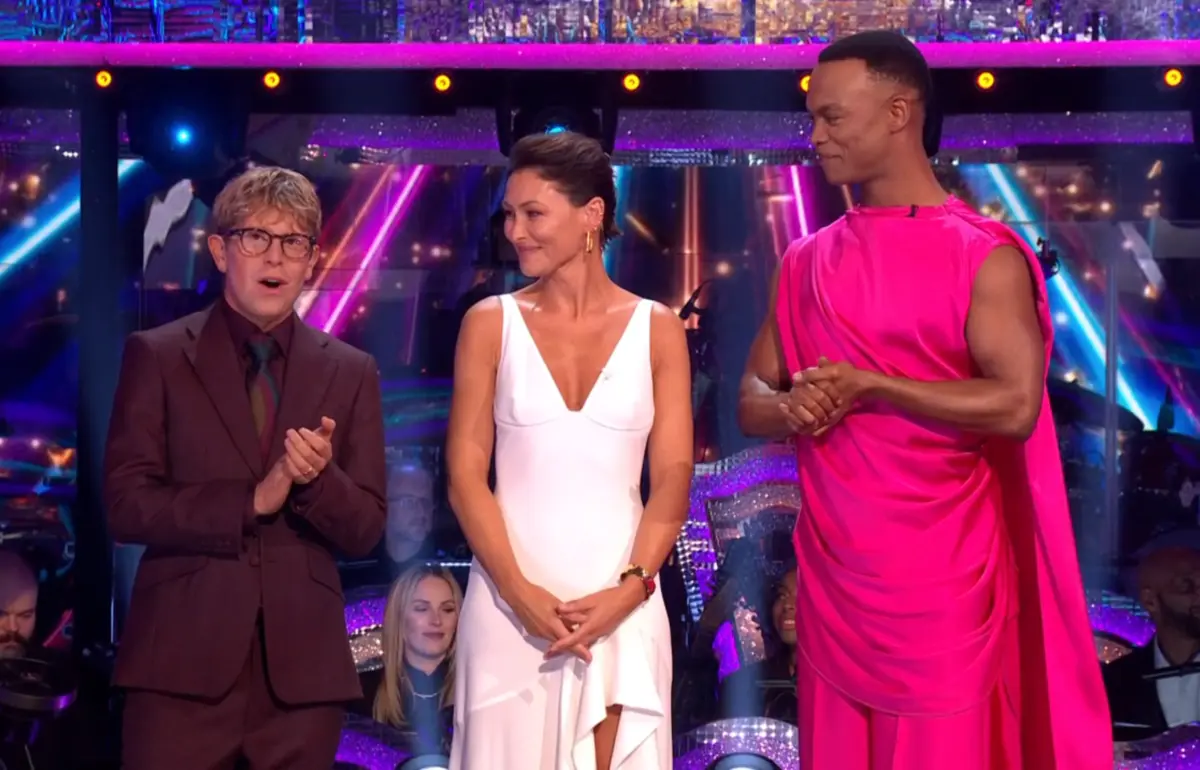
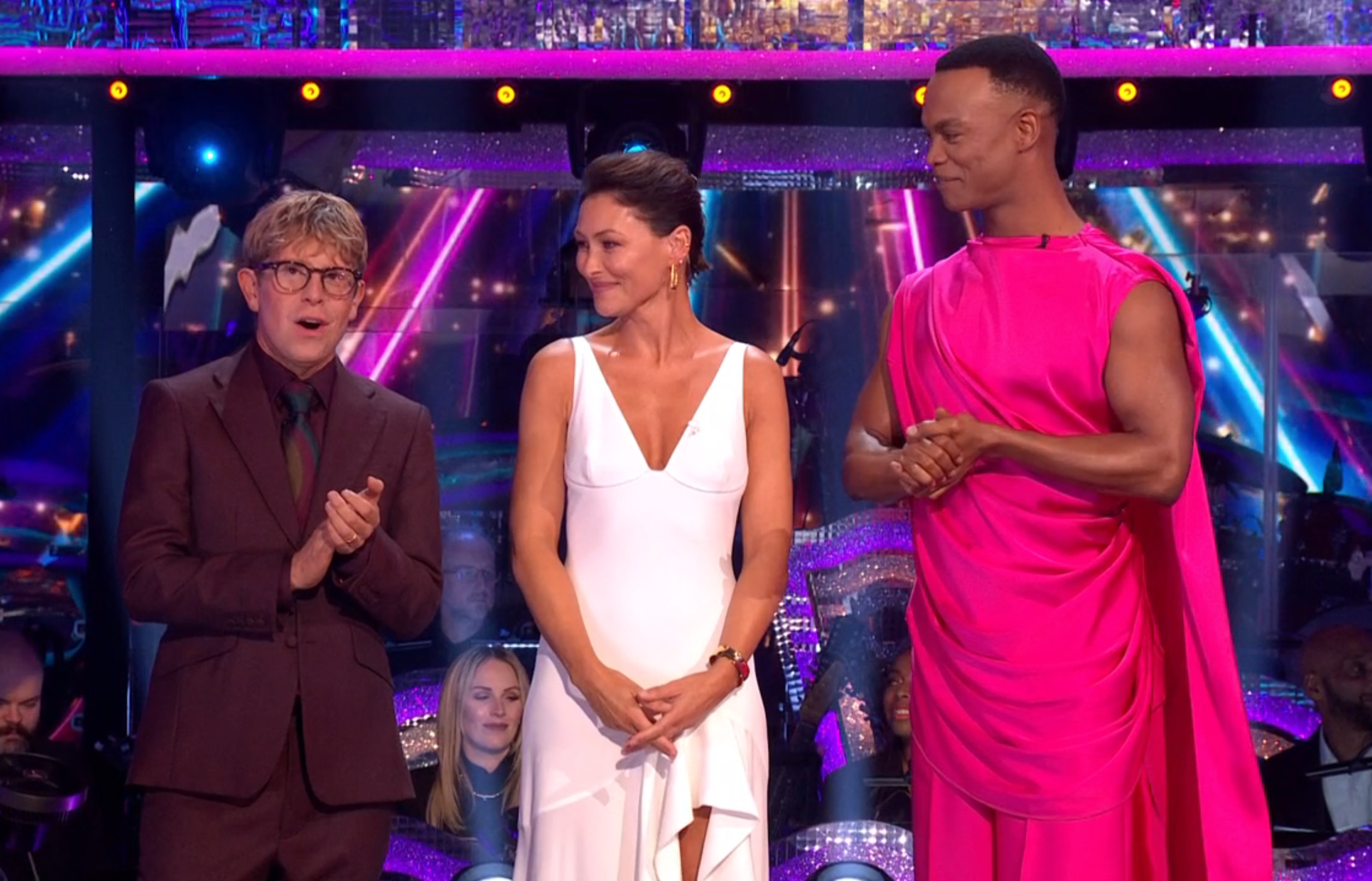
Yet, the changes go far beyond a simple seat-swap at the top of the stairs. This season’s overhaul reads like a total reinvention: a fresh-faced presenting trio consisting of Johannes Radebe, Emma Willis, and Josh Widdicombe; fan-favourite professional dancers shown the door in a ruthless talent cull; a newly launched digital companion show; and alterations to the traditional pairing process that resemble speed-dating. It is, without question, the most radical reinvention Strictly has undergone since Ed Balls famously transformed "Gangnam Style" into a pop-culture touchstone.
While viewers caught a carefully curated glimpse of this new world during the pre-recorded launch show, everyone understood that the first live broadcast would be the true crucible. Could the programme retain its effervescent sparkle despite a cast notably lacking in household-name megastars? Would the audience embrace a new generation of professional dancers? And, most crucially, when it came to a three-pronged presenting lineup, would three prove to be an awkward crowd?
The short answer is a qualified yes, but the devil, as always, is in the glittering, sequin-encrusted details. While Johannes Radebe proved a natural heir to the late-night debrief throne, the decision to split the main stage hosting duties between Emma Willis and Josh Widdicombe introduced friction where smooth synergy used to reign. As Strictly steps boldly into its uncertain future, producers face a formidable task: refining a newly bloated presenting dynamic before the glitter starts to tarnish.
Detailed Chronology: Anatomy of the First Live Show
The Build-Up and the Launch Show Prelude
The anxieties surrounding Strictly 2.0 began months ago, fueled by leaked casting lists and rumors of backstage turbulence. The pre-recorded launch show aired the previous Saturday, serving as a gentle aperitif that introduced the fresh roster of celebrity contestants to their professional partners. Viewers witnessed streamlined formatting, adjustments to the pairing mechanisms, and the introductory framing of the new hosting trio.
However, the launch show is traditionally a honeymoon phase—a heavily edited, low-stakes showcase where no one goes home and the judges hand out overly generous scores to calm the nerves of amateur dancers. The real test always loomed on the horizon: the first live show.
Opening Night: The Live Broadcast Unfolds
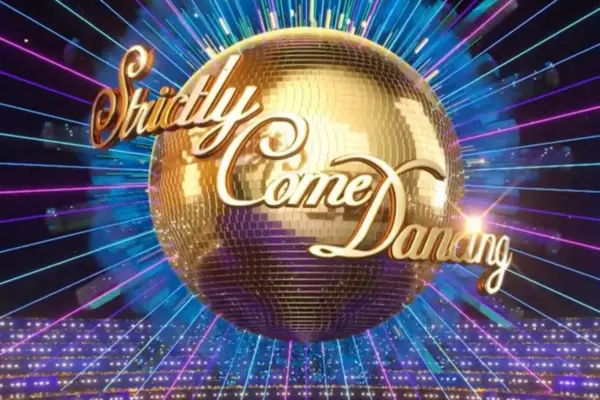
As the iconic theme music swelled on Saturday night, the atmosphere in the studio was thick with anticipation. The opening number—though featuring new choreography and fresh faces among the pro ranks—was met with mixed reviews regarding the newly unveiled title sequence and modernised logo, which some critics and fans on social media slammed as looking surprisingly amateurish.
As the dances progressed, the structural reality of the three-host format became glaringly apparent.
- The Johann-arena: Johannes Radebe seamlessly stepped into what was once affectionately known as the "Clauditorium." Stationed upstairs, the former Strictly professional used his unique insider perspective to soften the judges’ harsher critiques and provide empathetic, technical breakdowns of the routines. Despite minor timing hiccups—such as Radebe’s opening links occasionally missing their marks while breathless contestants scrambled up the stairs—his magnetic charm carried the segment effortlessly.
- The Main Stage Dynamic: Down on the floor, Emma Willis and Josh Widdicombe took the reins. Willis played the consummate professional straight-man, setting up the rhythm of the show, while Widdicombe leaned heavily into his persona as the cheeky, self-deprecating comic. In the scripted opening moments, the chemistry held. But once the live interviews began, the cracks in the double-act began to show.
Post-Dance Comedies of Errors
The post-dance interviews are historically where Strictly builds emotional resonance, allowing viewers to connect with the human vulnerability behind the rhinestones. Unfortunately, this is precisely where the wheels came off for Widdicombe.
Driven by a comedian’s instinct to "yes, and" every situation, Widdicombe’s constant ad-libbing proved to be an unfortunate distraction. Whether he was talking over Willis—a frequent occurrence throughout the night—clapping back at head judge Shirley Ballas with defensive punchlines, or awkwardly attempting to joke away wardrobe malfunctions, his gag-at-all-costs attitude clashed with the traditional warmth of the format.
Despite these presenting stumbles, the dancing itself largely delivered. New professionals Maddie Ingoldsby and Mark Karmalita demonstrated immense early promise, while YouTube star John Nellis emerged as the series’ early underdog darling, capturing the public’s imagination with a shockingly polished Week One foxtrot. The evening concluded with a surprise announcement: Movie Week has been aggressively bumped forward to Week Two, signaling that producers are doubling down on high-concept spectacles to maintain momentum.
Supporting Context & Metrics: The Scale of the Overhaul
To understand why the presenting dynamic feels so seismic, one must examine the sheer volume of structural changes implemented by the BBC for this production cycle.
| Area of Change | Previous Era (Daly / Winkleman) | Strictly 2.0 (Radebe / Willis / Widdicombe) |
|---|---|---|
| Primary Presenters | 2 hosts (Clear division: Main Stage vs. Clauditorium) | 3 hosts (Split main stage + upstairs debrief) |
| Professional Roster | Stable core with gradual evolution | Major cull (axing of fan favorites like Nadiya Bychkova) |
| Ancillary Content | It Takes Two (Spin-off show) | It Takes Two + New Online Companion Show |
| Launch Mechanics | Traditional pairing reveals | Speed-dating-style adaptation |
| Theme Placement | Movie Week traditionally in Weeks 4–6 | Movie Week controversially moved to Week Two |
The decision to trim the professional dancer roster—releasing popular figures such as Nadiya Bychkova—drew fierce backlash from dedicated fandoms earlier in the year. Coupled with a celebrity cast that lacks the immediate, blockbuster star power of previous years (such as Hamza Yassin, Rose Ayling-Ellis, or Layton Williams), the pressure on the production team to deliver an instantly gripping television experience was immense.
Furthermore, the introduction of a digital companion show indicates the BBC’s desperate push to capture younger demographics migrating away from linear Saturday night viewing. Yet, multi-platform expansions mean little if the core broadcast stumbles on its fundamental chemistry.
Official Statements and Industry Reaction
BBC executives have continuously defended the sweeping changes, framing them as a necessary evolution to keep the nearly twenty-year-old format fresh for a contemporary audience.
In pre-launch press statements, the new presenting trio insisted that the format would be fluid, with all three hosts rotating responsibilities and trying out different roles throughout the series.
"We aren’t here to step into anyone’s dancing shoes; we are here to build a new pair," Johannes Radebe shared during a recent BBC promotional interview. "The energy of this show is driven by love for the art form, and whether we are upstairs or downstairs, that core engine remains unchanged."
Industry commentators, however, have adopted a more cautious tone. Television critics note that while Emma Willis is one of the most reliable, unflappable live presenters working in British television today, her pairing with Widdicombe feels artificially forced.
“On paper, putting a seasoned studio anchor with a sharp-witted stand-up comedian sounds like a recipe for witty banter,” notes media analyst Sarah Jenkins. “In practice, a live entertainment show requires rhythmic pacing. When a comedian treats every contestant’s emotional vulnerability as an open mic night setup, the emotional resonance of the show evaporates.”
Fans on digital forums and social media platforms have been similarly divided. While Radebe has been universally embraced—with hashtags celebrating "King Jojo" trending globally—sentiment regarding Widdicombe’s live interruptions has skewed critical, with many calling for a prompt restructuring of the stage-side duties before the competition enters its critical middle weeks.
Future Outlook: Can Strictly 2.0 Adapt in Time?
As the glitter settles on the first live show of Strictly 2.0, the BBC’s grand experiment is officially underway. The production team has bought themselves breathing room thanks to strong performances from the celebrity-pro partnerships and the undeniable charisma of Johannes Radebe, who appears to have permanently secured the emotional anchor role previously held by Claudia Winkleman.
Yet, the central question posed by fans and critics alike remains entirely unanswered: Why three?
Fifteen dances into the new era, the division of labor between Willis and Widdicombe feels redundant rather than innovative. If the presenting trio is truly committed to rotating roles, producers would be wise to utilize Widdicombe away from the immediate post-dance emotional crucible—perhaps placing him in comedic pre-recorded inserts or utilizing his sharp wit in structured segments where a punchline won’t step on a contestant’s heartfelt moment.
Strictly Come Dancing has always been a show that invites its audience to play the role of the judge. Right now, the public’s scorecard for the new presenters is mixed: glowing praise for the upstairs transition, and a cautionary yellow card for the floor-level dynamics. With Movie Week hurtling toward us in Week Two—an exceptionally early placement for a high-cost, high-stress themed episode—there is no time for the hosts to find their footing gradually. They must synchronize their steps, and fast, if Strictly 2.0 is to keep its footing on the nation’s Saturday night television landscape.