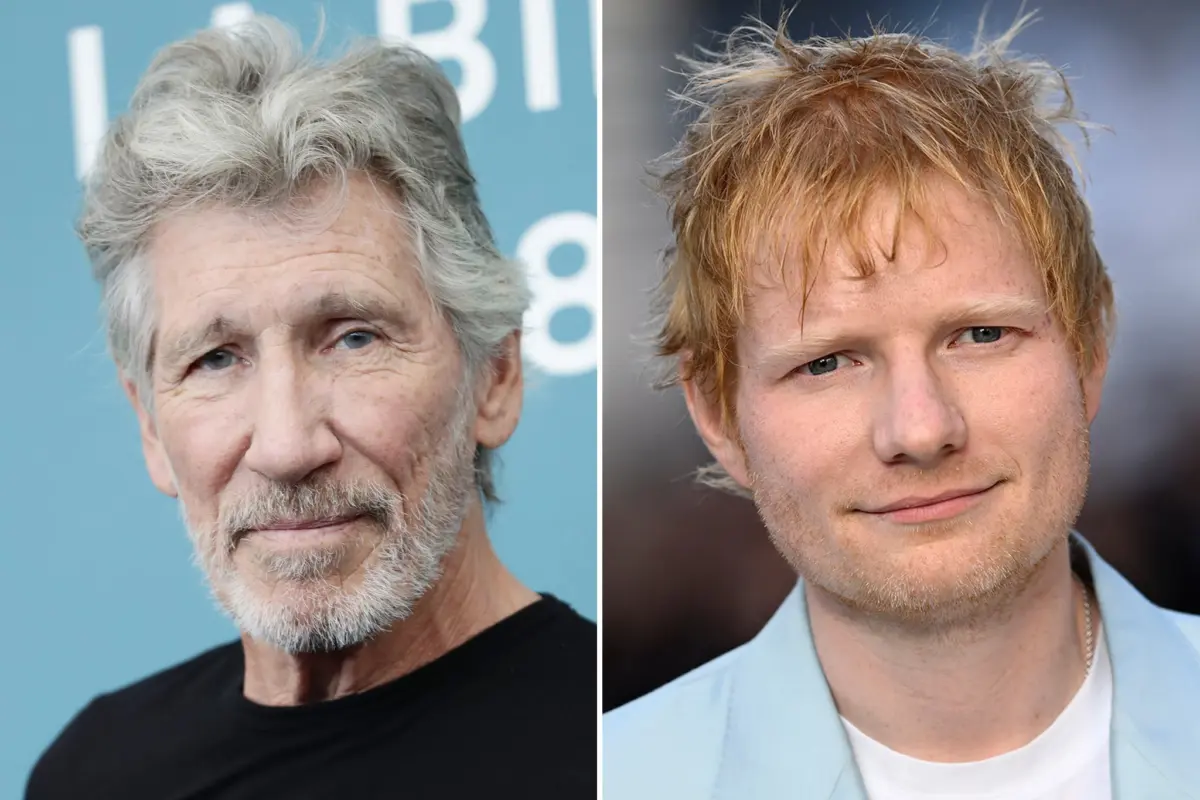
The global music industry finds itself at the violent intersection of art, geopolitics, and corporate venue politics following a cascading controversy surrounding British pop star Ed Sheeran’s ongoing tour. What began as an impassioned plea from American rapper Macklemore for a "free Palestine" during a concert appearance has rapidly devolved into a multi-continental cultural flashpoint. The fallout has drawn sharp rebukes from legendary musicians, triggered mass boycotts by supporting acts, mobilized billionaire sports franchise owners, and reignited fierce debates regarding the boundaries of free speech on concert stages.
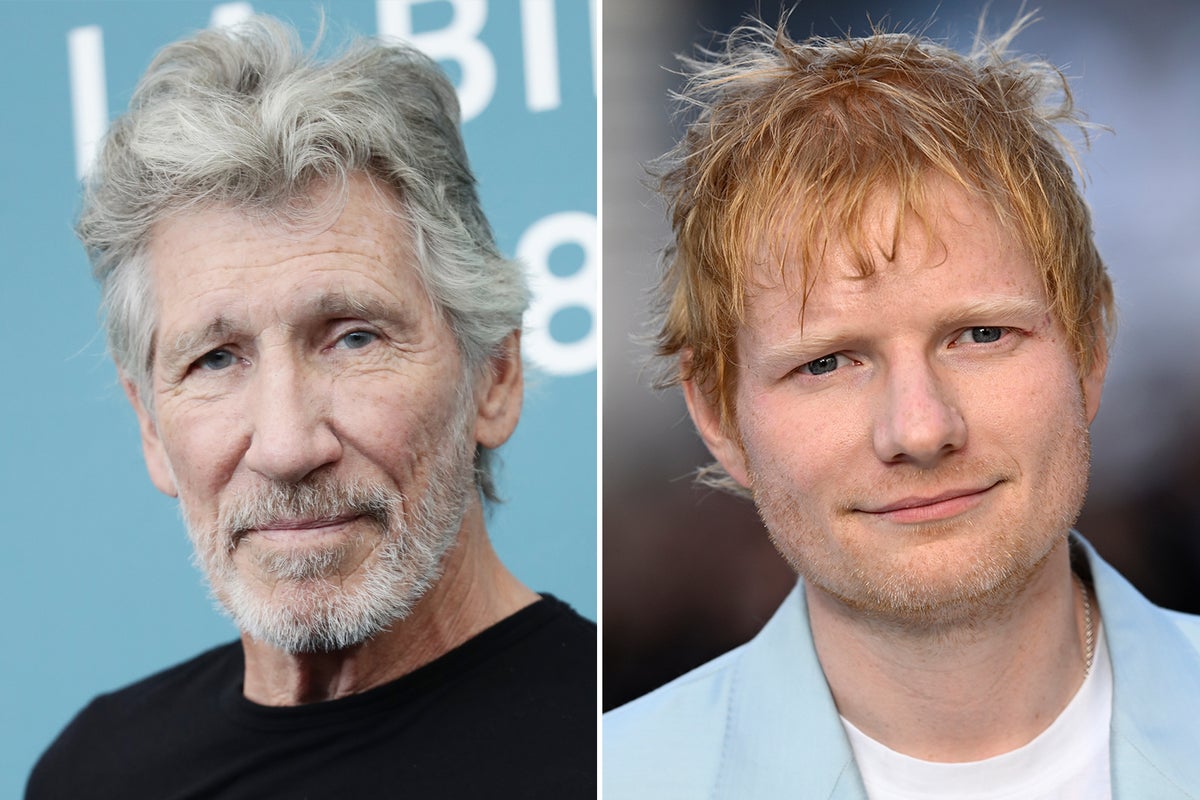
The crisis reached a fever pitch when Pink Floyd co-founder Roger Waters unleashed a blistering video critique, labeling Ed Sheeran a "p****" for allegedly capitulating to pressure and dropping Macklemore from the lineup. The controversy stems from Macklemore’s September performances in New Jersey, where the "Thrift Shop" rapper used his platform to advocate for Palestinian civilians trapped in the Israel-Hamas conflict. Within days, Macklemore was abruptly cut from the remainder of the tour—a decision he claims was orchestrated by billionaire New England Patriots owner Robert Kraft, who controls one of the premier stadiums hosting Sheeran’s dates.
While Sheeran has vehemently denied being "complicit" in the censorship, stating that the decision ultimately fell to the Messina Touring Group promoter and venue stakeholders to prevent cancellations, his explanations have done little to quell the backlash. In a stunning display of solidarity, supporting acts including Finneas, Lukas Graham, Beoga, and Aaron Rowe have collectively abandoned the tour, leaving Sheeran’s live itinerary in organizational disarray. This comprehensive report investigates the timeline, corporate pressures, political rhetoric, and industry-wide ramifications defining one of the most contentious cultural disputes in recent memory.
Detailed Chronology of the Tour Crisis
The Catalyst: Macklemore’s New Jersey Stage Remarks
The controversy ignited on September 3 and 4 during Ed Sheeran’s high-profile performances in New Jersey. Macklemore, serving as a primary support act for the leg of the tour, used his designated stage time to address the devastating humanitarian crisis unfolding in Gaza and the West Bank. Standing before tens of thousands of fans, the rapper called for a "free Palestine" and asserted that individuals trapped in the crossfire must know they have not been forgotten by the international community.
Macklemore expanded his remarks to express solidarity with university student encampments and activist groups such as Students for Justice in Palestine and Jewish Voices for Peace.
"To all of my Jewish brothers and sisters: criticism of Israel, criticism of apartheid, being against genocide in no way is a criticism of you," Macklemore told the audience. "My message is for peace; love for all human beings to be treated with dignity, respect, and equality. So I say Free Palestine, I say Free Lebanon… None of us will be free until we are all free."
The Backlash and Corporate Intervention
The onstage remarks immediately drew intense scrutiny from pro-Israel organizations. Most notably, the Israeli-American Council launched a formal petition demanding that Sheeran and his management remove Macklemore immediately. The council argued that the tour was being hijacked to advance a "one-sided political agenda" on a platform meant for musical entertainment rather than political activism.
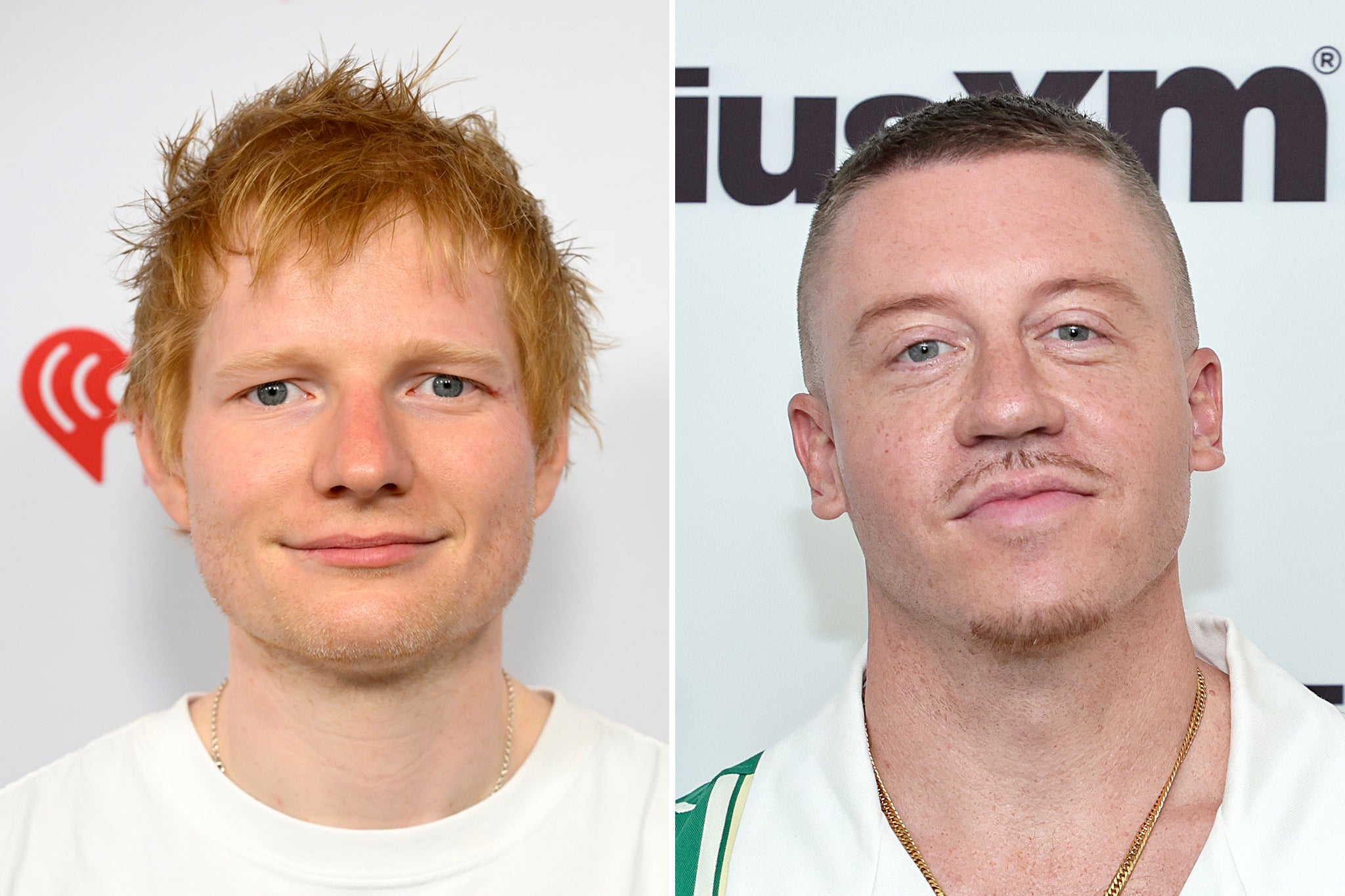
Concurrently, corporate pressures mounted behind the scenes. Macklemore announced within days that he had been officially dropped from the remainder of the tour. According to the rapper, the decision was forced upon Sheeran’s camp following an aggressive intervention by billionaire Robert Kraft, owner of Gillette Stadium—one of the key venues scheduled to host upcoming legs of the tour.
Kraft’s administration asserted that the stadium maintains a strict policy against providing a platform for rhetoric perceived as antisemitic or deeply offensive to the Jewish community, citing Macklemore’s use of imagery and language regarding the Middle East conflict as crossing a definitive line.
The Mass Exodus of Supporting Acts
As news of Macklemore’s dismissal spread, the music community reacted with profound polarization. While pop star Pink distanced herself from Macklemore’s methodology—criticizing the use of graphic wartime visuals on screens and questioning the nuance of addressing stadium crowds on complex geopolitical issues—other artists took direct retaliatory action.
In a domino effect of solidarity, multiple supporting acts pulled out of Sheeran’s tour overnight. Grammy-winning producer and artist Finneas led the charge, declaring on Instagram: "Artists must not be silenced when they speak up for the oppressed. I have decided to withdraw from my upcoming tour dates with Ed Sheeran. I stand with Palestine and its people."
They were quickly joined by Danish pop band Lukas Graham and traditional Irish acts Beoga and Aaron Rowe. The exodus left Sheeran’s upcoming Philadelphia concert on September 19 and subsequent dates facing severe logistical and operational disruptions.
Supporting Context & Industry Metrics
The collision of popular music and Middle East geopolitics highlights an increasingly fragile ecosystem where artists, promoters, and venue owners must navigate starkly polarized audiences.
| Stakeholder / Entity | Official Position / Action Taken | Impact on Tour Operations |
|---|---|---|
| Ed Sheeran | Denies complicity; claims he bowed to promoter/venue pressure to protect crew jobs and fans. | Facing desertion of all supporting acts and intense public criticism. |
| Macklemore | Spoke out for Palestinian rights on stage; removed from tour. | Sparked international debate on freedom of expression in live music. |
| Robert Kraft & Venues | Threatened to pull tour dates; cited policies against hate speech and antisemitism. | Exercised venue monopoly power to censor controversial political speech. |
| Supporting Acts (Finneas, etc.) | Resigned en masse in solidarity with Macklemore’s right to free speech. | Created massive scheduling voids and public relations crises for promoters. |
| Roger Waters | Condemned Sheeran via social media video, using derogatory language. | Amplified counter-narratives from longtime pro-Palestinian advocates. |
The financial and operational mechanics of modern stadium tours heavily favor corporate stakeholders. Venues owned by billionaires or massive conglomerate corporations possess absolute veto power over talent rosters, often hiding behind "code of conduct" or "hate speech" clauses to mitigate brand risk. However, this incident demonstrates that applying corporate censorship to politically expressive artists risks alienating creative collaborators, as evidenced by Finneas and other acts willingly forfeiting lucrative performance contracts on moral grounds.

Official Statements and Public Responses
Roger Waters’ Blistering Condemnation
Never one to shy away from political confrontation, Pink Floyd bassist and prominent pro-Palestinian activist Roger Waters took to X (formerly Twitter) to deliver a vicious assessment of Ed Sheeran’s role in the controversy.
Framing his message against a backdrop featuring an image of UN Special Rapporteur Francesca Albanese—who has faced severe political backlash for her reports on the Gaza genocide—alongside the tear-stained face of a Gazan woman, Waters minced no words.
"There’s two kinds of people in this world," Waters stated directly to the camera. "There’s people who do the right thing. The rapper Macklemore would be one of those people. And there’s people—many of them, sadly—little f… excuse me, I nearly used the F-word then… p****s like you who do the wrong thing."
Waters concluded his message with a cold, dismissive "goodbye," sealing his status as one of the most aggressive external critics of Sheeran’s handling of the crisis.
Ed Sheeran’s Defense of Neutrality
Faced with escalating boycotts and accusations of cowardice, Ed Sheeran broke his silence via a formal statement on September 15. The British singer-songwriter attempted to defend his desire to maintain a neutral stage environment while simultaneously shielding his extensive touring crew from economic devastation.
"I am not complicit," Sheeran wrote. "I have my personal views on this devastating conflict. Just because I choose to not speak publicly, it doesn’t mean I don’t have them, and it doesn’t mean I don’t care… I choose to use my fame and platform to be a place of safety and sanctuary, to maintain diplomacy and keep conversations open, not closed."
Sheeran further explained that yielding to Robert Kraft and venue owners was a necessary evil to ensure that his backing band, technical crew, and secondary staff—who rely entirely on the tour for their livelihoods—were not suddenly left unemployed by canceled stadium dates. Ironically, this justification crumbled as his own band members and support acts subsequently walked out anyway.
Robert Kraft and Stadium Management
Defending the ban on Macklemore, Patriots owner Robert Kraft released a clarifying statement emphasizing that Gillette Stadium maintains a zero-tolerance framework for rhetoric that risks inflaming community tensions.
"Based on Macklemore’s recent actions, material shared from the stage during Ed Sheeran’s shows in New Jersey, and a broader history of antisemitic rhetoric and imagery… we determined that his participation in the September 25th and 26th concerts would cross that line," Kraft’s statement read, framing the decision around community safety and the prevention of hate speech rather than direct political censorship.
Future Outlook and Industry Ramifications
As Ed Sheeran prepares to take the stage in Philadelphia, the long-term ramifications of the Macklemore tour expulsion will likely reverberate across the global touring circuit for years to come. Several critical questions remain unresolved:
- The Replacement Dilemma: With Finneas, Lukas Graham, Beoga, and Aaron Rowe all having severed ties with the tour, Messina Touring Group faces a severe shortage of high-profile support acts willing to step into a toxic environment without alienating their own fanbases.
- The Precedent of Venue Censorship: The overt intervention of billionaire venue owners like Robert Kraft establishes a chilling precedent for artists wishing to express political solidarity on tour. It forces promoters and performers to weigh the commercial viability of playing major stadiums against their freedom of political speech.
- Polarization of Fanbases: The stark divide between celebrity activists (such as Waters and Finneas) and corporate-minded risk mitigation strategies (exemplified by Kraft and Sheeran’s initial compliance) ensures that pop music will remain an active battleground for international diplomacy and human rights discourse.
Ultimately, the Ed Sheeran tour crisis has shattered the illusion that mainstream pop tours can successfully insulate themselves from the geopolitical storms of the modern world. Whether the music industry establishes clearer protocols for artistic expression or simply retreats further into corporate risk aversion remains the defining question of the current concert season.