Executive Overview
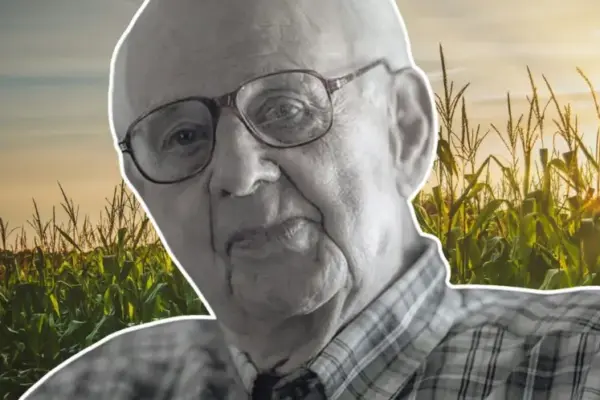
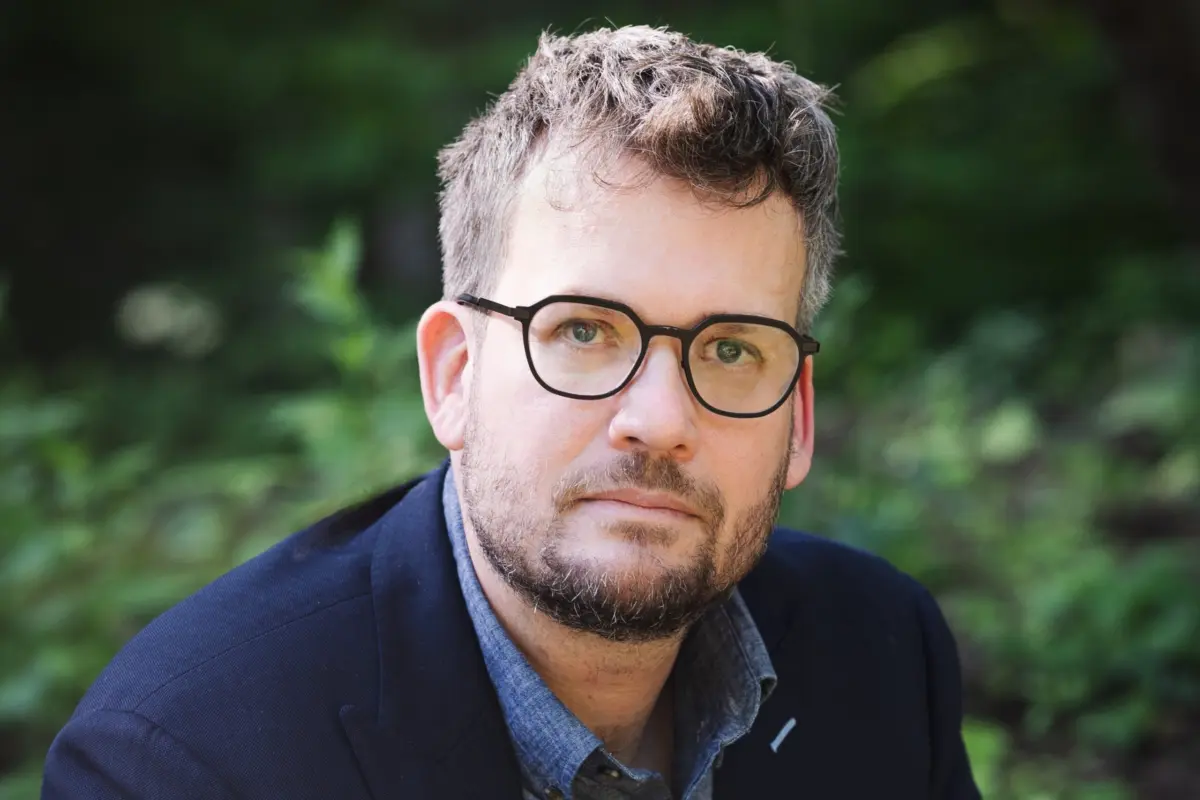
For nearly two decades, John Green has occupied a singular space in modern literature and digital culture. Celebrated universally as a titan of Young Adult (YA) fiction—propelled to stratospheric, inescapable fame by 2012’s The Fault in Our Stars—Green has spent the past several years quietly dismantling and rebuilding his relationship with celebrity, literature, and the internet. Now 49 years old, the Indiana-born author is returning to fiction after a nearly decade-long hiatus with his first adult novel, Hollywood Ending.
This release marks a critical inflection point in Green’s career. It bridges the gap between his signature, deeply empathetic explorations of young adulthood and the weight of middle-aged reflection. Yet, Green’s return to the literary spotlight arrives against a turbulent backdrop. As his classic works, notably Looking for Alaska, face unprecedented bans across American school districts, Green navigates the paradox of being simultaneously beloved by millions and targeted by cultural censors. Operating at the intersection of global health advocacy, educational digital media, and contemporary fiction, Green remains an anomaly: a proudly, unapologetically earnest voice in a cultural landscape dominated by irony, cynicism, and algorithmic algorithms designed to commodify human vulnerability.
Detailed Chronology: The Journey of a Literary Outsider
The Early Foundations: Chaplaincy and Hard-Boiled Optimism
Long before Looking for Alaska became a cultural touchstone in 2005, Green’s worldview was forged in the halls of a children’s hospital where he worked as a student chaplain in his early twenties. That formative, intensely painful six-month stint left an indelible mark on his psyche. It redirected his career ambitions toward public health and instilled a profound, unshakeable sense of global responsibility.
To this day, Green carries a dog-eared note in his wallet, a pocket-sized talisman inscribed with a stark demographic reality:
"In 1990, 12 million children died under the age of five. Last year, fewer than five million did."
It is an emblem of what he terms "hard-boiled optimism"—a deliberate psychological rejection of despair in favor of constructive hope. This foundational empathy would later animate his advocacy for global health equity, his lobbying efforts in Washington, and his continuous fundraising for medical charities.
The YA Explosion and the Trap of Hyper-Celebrity
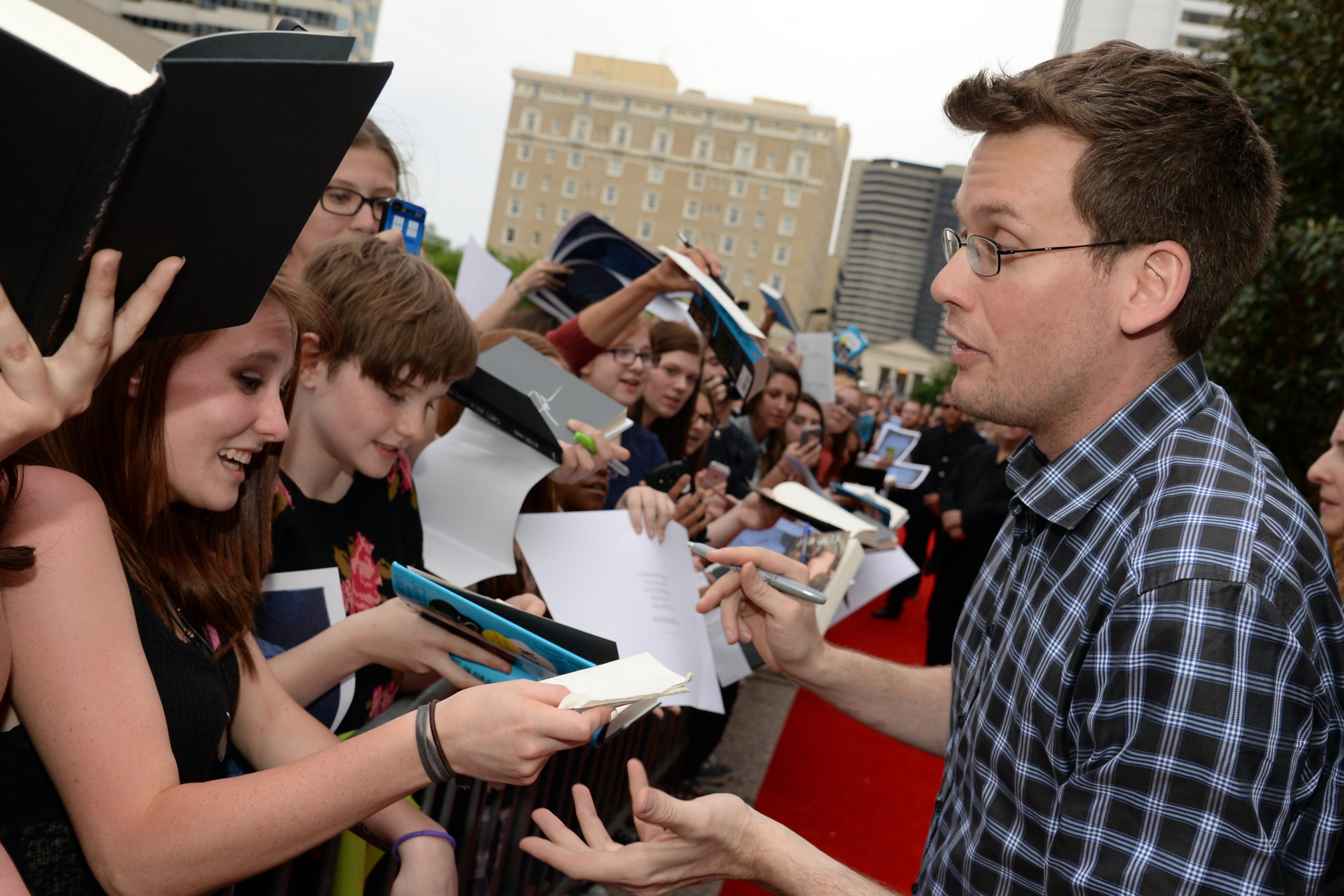
When Green’s debut novel, Looking for Alaska, was published in 2005, it struck a nerve with a generation of readers, establishing tropes of witty, melancholic, and intellectually precocious youth. However, it was the 2012 publication of The Fault in Our Stars—and its subsequent blockbuster film adaptation in 2014—that catapulted Green into a tier of fame rarely experienced by contemporary novelists. His work was championed by pop-culture royalty like Kim Kardashian, parodied on Saturday Night Live, and celebrated by Time Magazine, which named him one of the world’s most influential people in 2014.
Yet, this massive, hyper-visible platform proved toxic for an admitted introvert grappling with anxiety and obsessive-compulsive disorder (OCD). Uninvited fans began showing up at his home, and the public scrutiny became suffocating. The solution, Green realized, was paradoxical: he had to find a way to become less famous.
For the next decade, Green pivoted toward rigorous non-fiction and deep-dive journalism, penning acclaimed essays in 2021 and a meticulously researched history of tuberculosis published in 2025. Both nonfiction ventures debuted at No. 1 on The New York Times bestseller list, successfully establishing a protective moat between his private self and his public readership.
The Return to Fiction: Hollywood Ending
After a nearly nine-year hiatus from novel-writing, Green wrestled with a central, paralyzing question: What was the point of writing another John Green novel? What did he have left to contribute that hadn’t already been said?
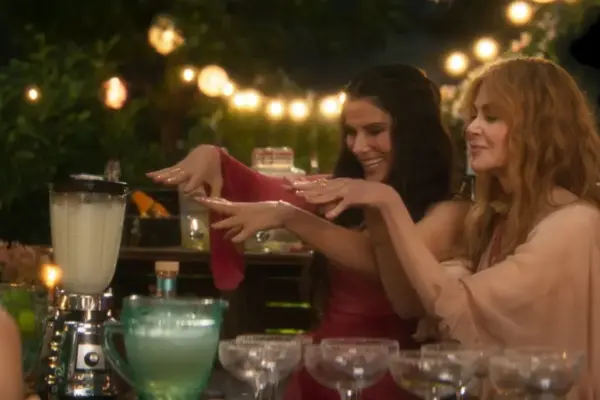
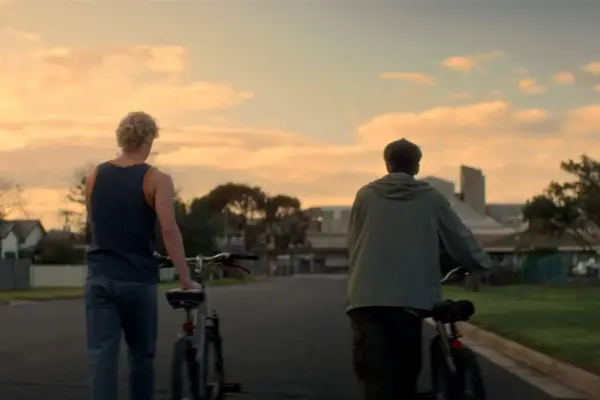
The answer materialized in Hollywood Ending, his debut adult novel. Set against the chaotic backdrop of a buzzy arthouse film chronicling the life of Andy Warhol, the story follows two young actors: Juniper, a former child star fighting for artistic legitimacy, and Kai, an unknown actor on the precipice of global stardom. Thrown together by circumstance, they navigate the turbulent waters of early adulthood—a period Green identifies as the most definitive and difficult of his own life.
Supporting Context & Metrics: The Digital Panopticon and Literary Censorship
Navigating the "Toxic Soup" of the Social Internet
Having spent two decades on the social internet—accumulating over five million followers on Twitter before permanently logging off in 2022—Green possesses a uniquely seasoned perspective on the digital ecosystem. Alongside his brother Hank, with whom he manages a massive educational vlog community boasting four million subscribers, Green frequently interrogates the ethical implications of digital platforms.
The Greens produce educational videos covering everything from infectious diseases and Chernobyl to Big Tech malfeasance. Yet, they remain locked in a perpetual internal debate: are they part of the solution by offering substantive, educational counter-programming, or are they merely complicit participants in a toxic, attention-economy soup?
In Hollywood Ending, this digital anxiety is mirrored in its protagonists, whose daily follower counts tick upward like a doomsday clock signaling spiritual exhaustion. Having experienced the hollow validation of hitting milestone subscriber counts on YouTube, Green understands firsthand that algorithmic metrics are spiritually weightless. They grant access to exclusive rooms, but they offer zero sustenance to the human soul.
+-----------------------------------------------------------------+
|               THE DIGITAL DILEMMA (The Green Brothers)          |
+-----------------------------------------------------------------+
|  Platform Reach: 4+ Million Subscribers (Educational Vlogs)       |
|  Core Tension:   Educational Value vs. Algorithmic Complicity   |
|  Resolution:     Rejecting Vanity Metrics; Guarding Privacy     |
+-----------------------------------------------------------------+
The Irony of Book Bans in Modern America
Compounding the challenges of modern authorship is the alarming surge of institutional censorship. Looking for Alaska currently holds the dubious distinction of being one of the most banned books in the United States. Despite receiving critical acclaim for its honest, compassionate examination of adolescent grief, the novel has been pulled from library shelves across Florida, Iowa, and even Green’s former high school in Indiana.
Green notes the profound absurdity of this reality. Many of the individuals advocating for the ban have never actually read the work, falling victim to the modern internet’s disease: the decontextualisation of story.
Furthermore, Green recognizes his unique position within the broader censorship crisis. As a white male author, his inclusion on these banned book lists often serves as political cover for school boards attempting to deflect accusations of systemic censorship targeting queer authors and writers of color. The true tragedy, Green emphasizes, is not the impact on his own sales—which remain robust—but the chilling effect placed on American educators and librarians who now risk their careers simply for doing their jobs.
Official Statements & Authorial Philosophy
Throughout his career, Green has consistently championed an artistic philosophy rooted in radical vulnerability. In an era defined by ironic detachment and protective cynicism, Green doubles down on sincerity.
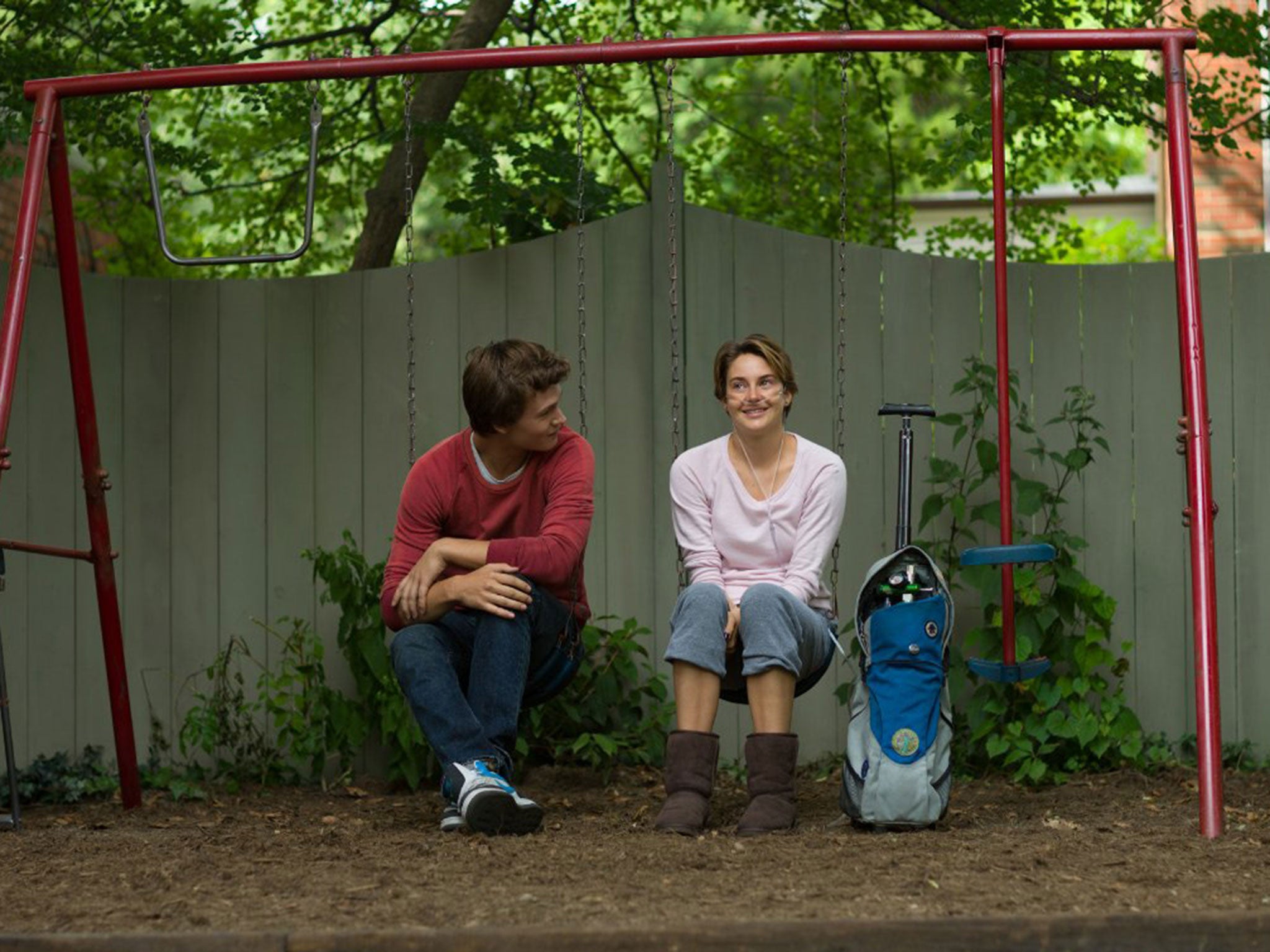
"Irony is a form of armour and I’m always trying to disarm the reader," Green explains during interviews surrounding his latest release. "It’s hard work because I know people bring a lot of cynicism and irony to the process of reading, and I totally get that. I do it too."
Despite his self-awareness regarding the risk of being labeled "cringe," Green refuses to adopt emotional armor.
"If it’s between erring on the side of coolness or the side of earnestness, I always am going to choose being earnest because I don’t want to be cold to the world or what the world has to show me."
Addressing the artificial divide separating Young Adult literature from adult fiction, Green offers a robust defense of younger readers’ intellectual capacities:
"I think teens are infinitely intellectually capable. There are ways that they think about death or loss or suffering that are different from the ways adults do, but they’re still thinking about it. I mean, most of the people who are going to read Hamlet this year are teens. If they’re reading Hamlet, they can read a John Green novel."
Finally, summarizing the core thesis of Hollywood Ending, Green distills his artistic mission down to its bare, beating heart:
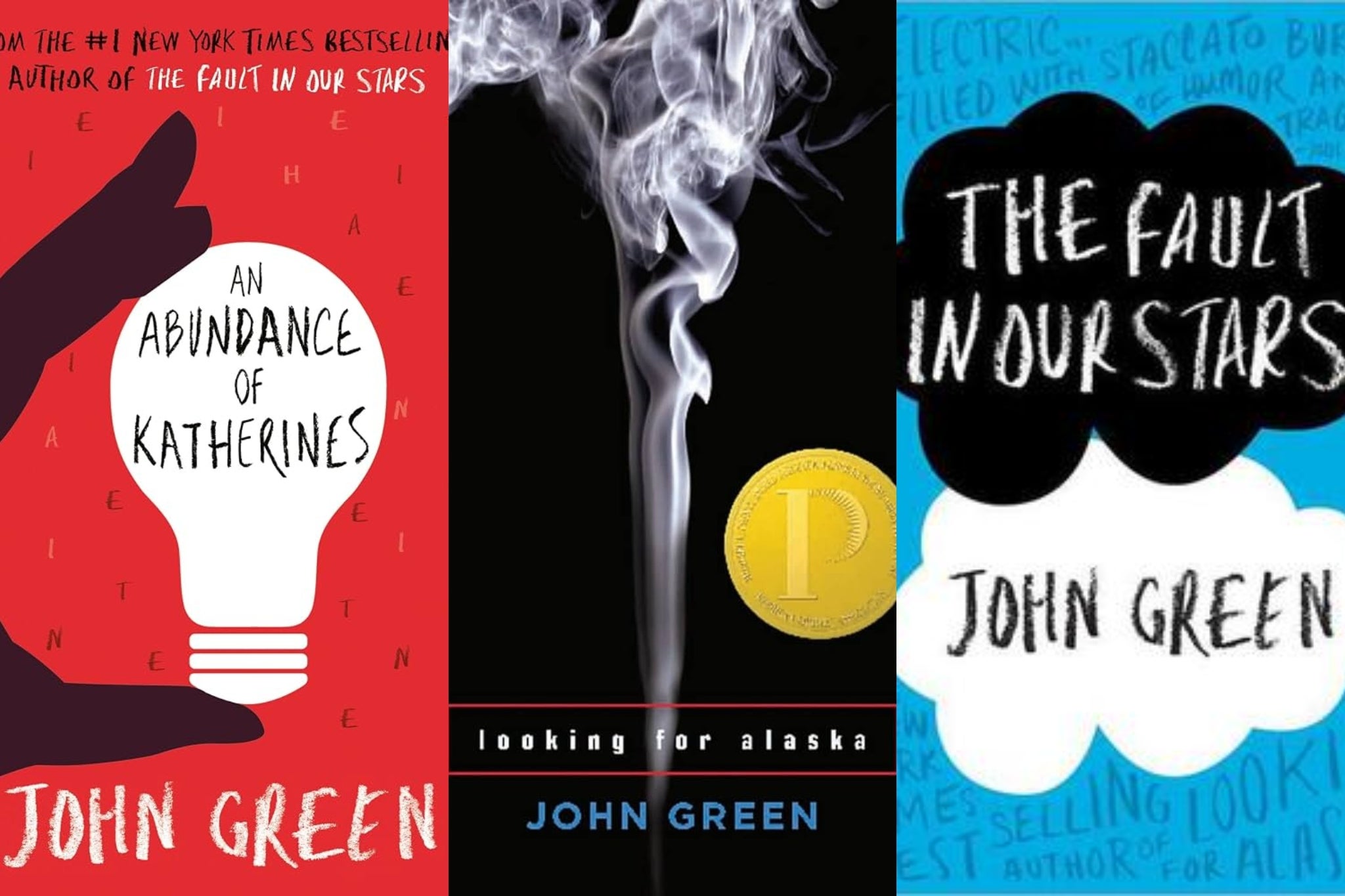
"I wanted to write a book about how we survive what we have to survive and how essential it is to be un-alone… I want people to feel the power of art and the power of love—but I have to say it without puking."
Future Outlook
As Hollywood Ending hits bookshelves worldwide via Penguin Random House, John Green stands at a fascinating crossroads. By successfully transitioning into adult fiction without abandoning the emotional architecture that defined his early work, he has proven his longevity as a literary force.
Looking forward, Green’s trajectory suggests a deliberate synthesis of his various vocations. Whether he is lobbying congressional leaders for global health equity, producing deeply researched historical nonfiction, or crafting nuanced narratives about young people navigating the digital panopticon, Green remains steadfast in his mission. He has successfully engineered a life where fame no longer dictates his peace of mind, allowing him to write with renewed purpose, unyielding curiosity, and—above all else—unapologetic sincerity.