Executive Overview
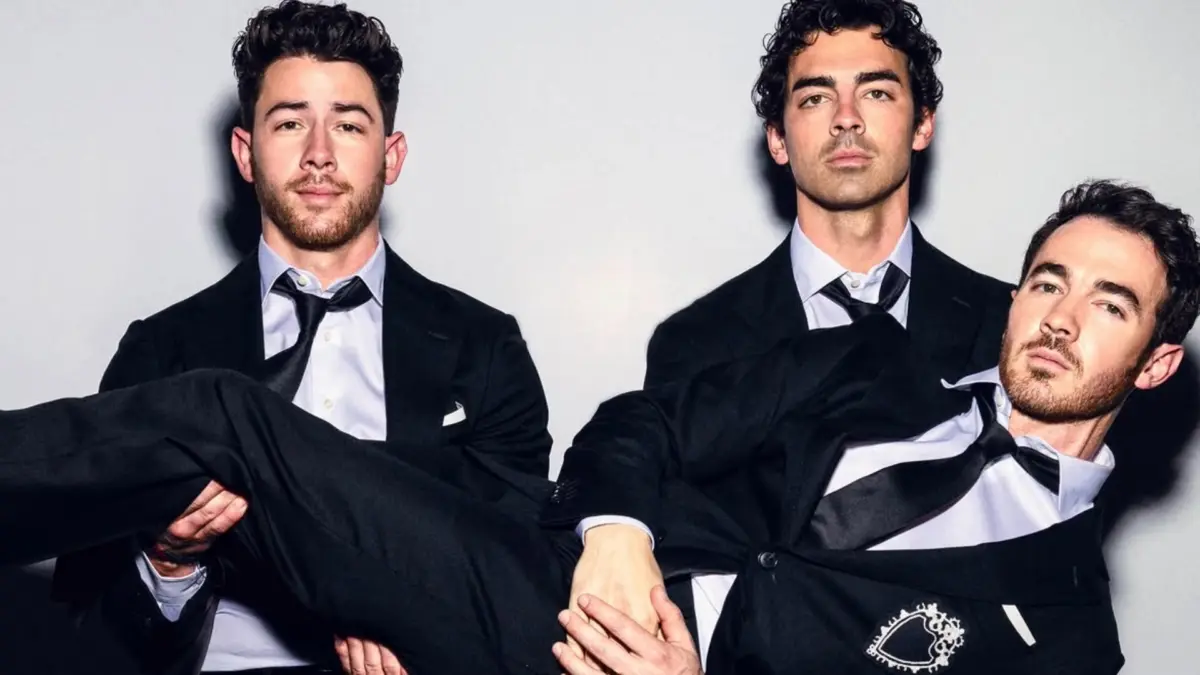
The Jonas Brothers have officially released their deeply emotive new single, “Listen When Sad,” following a high-profile live debut at New York City’s legendary Madison Square Garden. The performance served as a cornerstone of their ongoing “The Burning Up Tour All Over Again” concert series.
For a generation of fans raised on late-2000s pop-rock, the release carries profound significance beyond a standard drop. The track marks an official creative reunion between Nick, Joe, and Kevin Jonas and master producer John Fields, collaborating on original material for the first time since 2009. By welcoming back many of the original studio musicians, session players, and sound engineers who shaped their defining early-career records—such as A Little Bit Longer (2008) and Lines, Vines and Trying Times (2009)—the trio has executed a deliberate sonic homecoming.
Infused with the melancholic chords, driving rhythms, and soaring anthemic choruses characteristic of the emo and alternative rock boom of the mid-2000s, “Listen When Sad” bridges a fifteen-year gap in the band’s production history. It offers a sophisticated meditation on emotional vulnerability tailored to the group’s current artistic maturity.
This comprehensive report examines the detailed chronology of the single’s rollout, the structural and cultural significance of their reunion with John Fields, the contextual backdrop of the band’s commercial evolution, and a future outlook regarding what this sonic pivot signals for the Jonas Brothers’ trajectory.
Detailed Chronology: From the Garden Stage to Global Release
The Madison Square Garden Prelude
The rollout for “Listen When Sad” defied traditional industry norms of cryptic social media teasers and weeks-long pre-save campaigns. Instead, the Jonas Brothers chose immediate, high-impact immersion. During their multi-night residency-style takeover at Madison Square Garden as part of “The Burning Up Tour All Over Again,” the trio surprised tens of thousands of ecstatic fans by pausing the setlist to introduce an unreleased composition.
The venue choice was calculated and deeply symbolic. Madison Square Garden has long served as a career barometer for the band, representing the zenith of New York performance spaces where they transitioned from teen-idol phenoms to mainstream arena headliners. Introducing “Listen When Sad” in that specific room immediately framed the song not as a speculative pivot, but as a celebratory milestone.
"We debuted this song last weekend at Madison Square Garden, and it felt fitting since those shows were a homecoming in so many ways, and that’s how this song feels for us too," the group shared in a joint statement to press and fans following the performance.
The Fast-Tracked Digital Rollout
Capitalizing on the instant viral momentum generated by fan-captured footage across TikTok, X (formerly Twitter), and Instagram, the band’s management and Republic Records immediately fast-tracked the studio version of the track to streaming platforms. Within 48 hours of the final chord fading out at Madison Square Garden, "Listen When Sad" was cleared for global DSP (Digital Service Provider) release.
This rapid-fire deployment strategy reflects a modern shift in music marketing, wherein live audience validation serves as the ultimate litmus test for a track’s viability. By letting the fans hear the song live before hearing the pristine studio master, the Jonas Brothers established an immediate, visceral connection that bypassed traditional gatekeepers. The studio single dropped alongside high-definition performance clips and lyric videos, instantly surging up global streaming charts and securing prominent placement on marquee editorial playlists across Spotify and Apple Music.
Supporting Context & Metrics: The John Fields Factor and the Emo Revival
Unpacking the 2009-2024 Production Gap
To understand the weight of “Listen When Sad,” one must examine the pivotal role producer John Fields played in the early era of the Jonas Brothers. During the late 2000s, Fields was the architectural force behind the band’s transition from acoustic-leaning pop acts signed to Columbia Records to the explosive, guitar-driven pop-rock outfit that dominated Hollywood Records.
Fields helmed the production on Jonas Brothers (2007), A Little Bit Longer (2008), and Lines, Vines and Trying Times (2009). These albums generated multi-platinum certifications, Billboard Hot 100 smashes like "Burnin’ Up" and "S.O.S.", and solidified the band’s instrumental prowess against persistent industry skepticism regarding manufactured teen acts.
However, as the band grew, side projects emerged (such as Joe Jonas’s dance-rock outfit DNCE and Nick Jonas’s R&B-infused solo career), and they eventually went their separate ways in 2013 before staging a triumphant pop-driven comeback in 2019 with Happiness Begins (produced primarily by Ryan Tedder). While Happiness Begins and its 2023 follow-up The Album successfully modernised the trio’s sound with sleek, adult-contemporary pop production, fans frequently yearned for the raw, amp-stack-heavy angst of their formative years.
By bringing back John Fields—alongside the core ring of session musicians and mix engineers from the 2008–2009 sessions—the Jonas Brothers have effectively unlocked a vault of sonic muscle memory that had remained sealed for over a decade and a half.
The Emo and Alternative Influence
In their official statements accompanying the release, the band explicitly cited the emotional architecture of the music that soundtracked their own adolescence.
“‘Listen When Sad’ was influenced by so many of the emo and alternative bands we grew up idolising. This song feels like a little piece of where we came from, but made for where we are now. We hope you love it as much as we do.”
This stylistic nod aligns with a broader, lucrative cultural phenomenon: the mass commercial and nostalgic resurgence of mid-2000s emo, pop-punk, and alternative rock. Festivals like When We Were Young have demonstrated that audiences maintain an insatiable appetite for the soaring hooks, palm-muted guitar riffs, and confessional lyricism of that era.
“Listen When Sad” does not read as a cynical attempt to chase a TikTok micro-trend; rather, it feels like an authentic synthesis of the band’s DNA. The track marries the mature, baritone vocal delivery that Nick and Joe have cultivated over years of solo vocal training with the urgent, distortion-laced instrumentation that defined the Golden Age of 2008 pop-rock.
Official Statements and Industry Reception
The release of “Listen When Sad” has triggered widespread critical acclaim from music journalists, industry insiders, and lifelong fans alike. Critics have been particularly quick to praise the artistic bravery required to look backward in order to move forward, subverting expectations that aging pop acts must continuously sanitize their sound to fit contemporary adult-contemporary radio formats.
Inside the Band’s Creative Manifesto
In extended commentary released to trade publications, the trio elaborated on the collaborative atmosphere inside the studio during the recording sessions with John Fields:
- Nick Jonas noted that stepping back into the studio with Fields felt like removing a pair of shoes that had been broken in years ago. "There is a specific shorthand that John has with us," Nick explained. "When you’re teenagers trying to figure out how to translate the rock records we loved—bands like Jimmy Eat World, Blink-182, and The Killers—onto a pop stage, John was the masterclass. Coming back to that energy as married men in our thirties brought a completely different, grounding perspective to the lyrics."
- Joe Jonas emphasized the cathartic nature of the track’s lyrical themes. "We’ve always written about relationships, heartbreak, and growing pains, but ‘Listen When Sad’ hits differently because it acknowledges that it’s okay to not have everything figured out. Musically, it’s driving and aggressive, but lyrically, it’s deeply vulnerable."
- Kevin Jonas pointed out the logistical and emotional triumph of gathering the original crew. "Having the same guys who played on ‘Burnin’ Up’ step back into the tracking room with us was surreal. You hear those first four bars kick in, and instantly you’re back in 2008—except now, we have decades of lived experience backing it up."
Industry Analyst Perspectives
Music industry analysts tracking streaming metrics and ticket sales note that this release serves as an empirical masterclass in audience segmentation and fan retention. By leaning into their legacy while retaining modern production standards, the Jonas Brothers are successfully bridging a multi-generational demographic gap. Parents who bought tickets to the 2008 Burning Up Tour are now attending shows with older teenagers who discovered the band through streaming algorithms, creating an expansive, cross-generational consumer base.
Future Outlook: What’s Next for the Jonas Brothers?
As “Listen When Sad” continues to climb global charts and dominate conversation across social media channels, the immediate question facing the Jonas Brothers is whether this single represents a standalone nostalgic diversion or the precursor to a larger, guitar-forward studio album.
The Trajectory of “The Burning Up Tour All Over Again”
The current tour, which serves as both a literal and figurative reclamation of their past, provides the ideal live testing ground for new material. Industry insiders anticipate that as the itinerary expands across North America, Europe, and international markets, additional cuts birthed from these John Fields reunion sessions will find their way into the live setlist.
If the ecstatic audience response at Madison Square Garden is any metric to judge by, fans are more than ready for a full-length project dedicated to this revitalized, alternative-leaning sonic palette.
Artistic Evolution and Legacy Cementing
Pop longevity is notoriously difficult to sustain. Many artists who achieve massive success as teen idols struggle to transition into respected legacy acts capable of selling out stadiums decades later. The Jonas Brothers, however, have continuously bucked this trend through strategic reinvention, transparency regarding their personal growth, and an unshakeable work ethic.
By intentionally revisiting their emo and alternative roots with “Listen When Sad,” the trio is not merely chasing cheap nostalgia. They are actively curating and validating their own musical legacy. They are reminding the contemporary music landscape that long before they were pop-radio mainstays, they were rock-and-roll kids with guitars, amplifiers, and an authentic passion for making music that speaks directly to the heart of what it means to grow up.
As “Listen When Sad” cements its place on streaming playlists worldwide, it stands as a testament to the enduring power of artistic roots—proving that sometimes, the truest way forward is to listen to the sounds that shaped you when you were sad, young, and just beginning to dream of the stage.