Executive Overview
Rock legends U2 have once again seized the global cultural zeitgeist with the release of “The Greatest Show On Earth,” an explosive and theatrical new single that serves as the latest taster for their highly anticipated upcoming studio album, Carnaval De Luz. Co-written by the iconic Irish quartet alongside longtime sonic architect and visionary Brian Eno, the track is a masterclass in grand-scale arena rock, fusing anthemic structural dynamics with profound lyrical introspection.
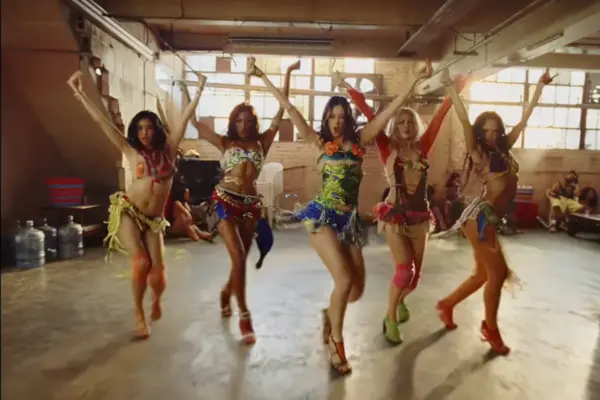
Described by the band as a poignant narrative detailing "lovers fighting to keep faith in each other—and faith itself," the song bridges the gap between stadium-filling spectacle and deeply intimate human vulnerability. True to the band’s penchant for provocative visual storytelling, the release is accompanied by a striking music video directed by longtime collaborator Anton Corbijn. The cinematic piece playfully yet sharply satirizes the band as an eccentric religious cult, casting a wry glance at institutionalized belief systems while ironically showcasing women bearing the literal and figurative heavy lifting.
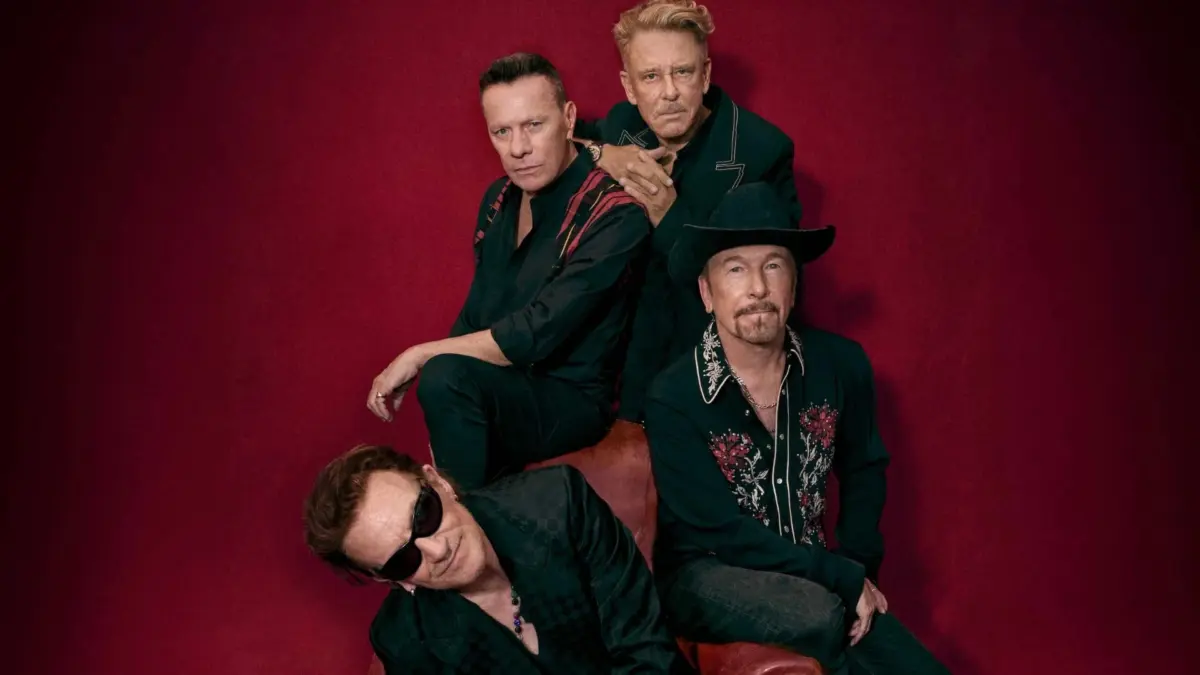
As anticipation reaches a fever pitch for Carnaval De Luz, "The Greatest Show On Earth" stands as both a gauntlet thrown down to the contemporary music landscape and a testament to U2’s enduring relevance. Over four decades into their storied career, Bono, The Edge, Adam Clayton, and Larry Mullen Jr. continue to reinvent their musical vocabulary without losing the core emotional urgency that first propelled them out of Dublin in the late 1970s. This article provides a comprehensive, authoritative investigation into the genesis of the single, its thematic underpinnings, the creative partnership with Brian Eno, the Corbijn-directed visual masterpiece, and what this bold new era signifies for one of rock’s most enduring institutions.
Detailed Chronology: The Road to Carnaval De Luz
To fully understand the weight and sonic architecture of "The Greatest Show On Earth," one must trace the evolutionary trajectory that led U2 back into the studio with Brian Eno and toward the conceptual universe of Carnaval De Luz.
The Post-Pandemic Pivot and Creative Recalibration
Following the massive success of their Joshua Tree 30th Anniversary Tour and the contemplative, acoustic-leaning reimagining of their catalog on 2023’s Songs of Surrender, U2 entered a quiet period of intense songwriting. Bono and The Edge have frequently noted in interviews that the forced stillness of the global pandemic recalibrated their relationship with music-making. Rather than chasing immediate chart trends, the band sought to recapture the kinetic, untamed energy of their formative years while filtering it through decades of sophisticated production experience.
Reuniting with Brian Eno
The genesis of Carnaval De Luz accelerated significantly once long-time collaborator Brian Eno re-entered the creative fold. Eno, whose legendary atmospheric production work defined masterworks like The Unforgettable Fire, The Joshua Tree, and Achtung Baby, brought his signature ethos of "oblique strategies" and sonic disruption to the sessions.
Sources close to the band indicate that the writing sessions for Carnaval De Luz were characterized by a deliberate blurring of boundaries between organic instrumentation and avant-garde soundscapes. "The Greatest Show On Earth" emerged from these jam-heavy, highly experimental sessions. Eno’s influence is unmistakably etched into the track’s textural depth—where shimmering synthesizer pads collide with raw, unvarnished guitar riffs and a driving, relentless rhythm section.
The Rolling Out of the Campaign
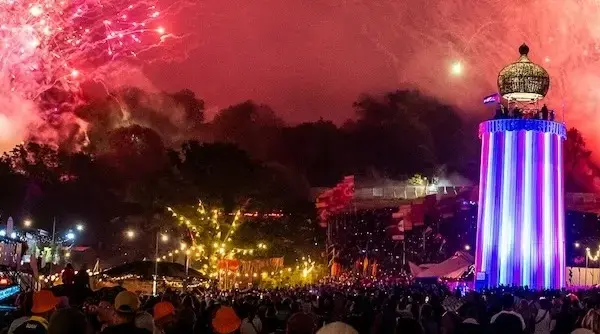
The rollout for Carnaval De Luz has been meticulously orchestrated to build maximum theatricality. Dropping breadcrumbs via cryptic social media posts and mysterious projections in major global capitals, U2 established a carnival-esque aesthetic well before dropping the needle on the first single. "The Greatest Show On Earth" acts as the emotional and sonic anchor for this campaign, transitioning fans from the cryptic visual teasers into the vivid, high-contrast world of the new record.
Supporting Context & Metrics: The Anatomy of a Rock Titan
To contextualize the release of "The Greatest Show On Earth," it is essential to examine the staggering commercial, cultural, and historical footprint U2 maintains in the modern musical ecosystem.
Commercial Longevity and Chart Dominance
With over 170–180 million records sold worldwide, U2 remains one of the best-selling music artists of all time. They are one of the few groups from the post-punk era to maintain continuous commercial viability across five distinct decades.
| Metric / Milestone | U2 Statistics |
|---|---|
| Studio Albums | 15+ (Including Carnaval De Luz) |
| Grammy Awards | 22 (A record for a rock band) |
| Global Album Sales | Estimated 175 Million+ |
| Induction into Rock & Roll Hall of Fame | 2005 (First year of eligibility) |
| Live Performance Revenue | Multiple record-breaking tours (360° Tour, The Joshua Tree Tours) |
The Eno-U2 Synergy
The partnership between U2 and Brian Eno is widely considered one of the most successful producer-artist collaborations in modern music history. Eno did not merely shape U2’s sound; he rescued them from creative stagnation during the mid-1980s sessions for The Unforgettable Fire and pushed them toward industrial and electronic deconstruction on 1991’s Achtung Baby.
By bringing Eno back for Carnaval De Luz, U2 is signaling a conscious return to their most innovative creative incubator. "The Greatest Show On Earth" benefits directly from this synergy, blending the stadium-sized emotional resonance of vintage U2 with Eno’s penchant for atmospheric subversion.
Official Statements & Creative Breakdown
The artistic intent behind "The Greatest Show On Earth" is best understood through the band’s own public statements regarding the track’s dual identity as a high-stakes sonic dare and a deeply personal exploration of endurance.
The Challenge of the Spectacle
In an official press statement accompanying the release, the band articulated the manifesto driving the track:
“‘The Greatest Show On Earth’? Now that’s a throwdown. It’s a dare, to ourselves as much as anyone, to try and have the best night of anybody’s life.”
This statement frames the song not merely as an audio recording, but as an experiential event. In an era dominated by algorithmic streaming and hyper-compressed micro-genres, U2 is boldly reasserting the value of unbridled, maximalist rock and roll. The band describes the track’s stylistic DNA as:
“A bit of showman, a bit of shaman, a riot of colour, unreasonable guitar, bass and drums, and tunes you can hold onto. Because if people are gonna show up, we certainly are.”
The Lyrical Narrative: Faith in the Face of Fracture
Beneath the carnival-esque veneer and roaring guitars lies a heavy emotional core. The song is officially billed as “a story of lovers fighting to keep faith in each other—and faith itself.”
Lyricist Bono channels the existential fatigue of the modern condition, transforming interpersonal struggle into a universal metaphor for resilience. In an age marked by social polarization, institutional distrust, and personal burnout, "The Greatest Show On Earth" asks a fundamental question: When the circus tents come down and the applause fades, what keeps us believing in one another? The answer, according to the track’s anthemic chorus, is found in the relentless, daily choice to hold on.
The Anton Corbijn Visual Masterpiece
No discussion of U2’s aesthetic evolution is complete without acknowledging the contributions of legendary photographer and director Anton Corbijn, whose stark, cinematic monochrome and surrealist imagery has defined the band’s visual identity since the 1980s.
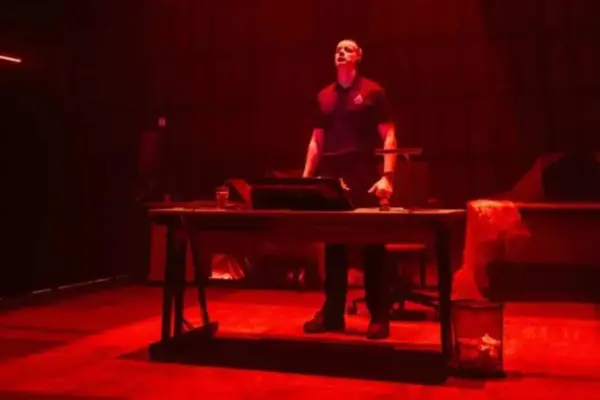
For "The Greatest Show On Earth," Corbijn has crafted a music video that is equal parts visually stunning and sharply satirical. The video casts the members of U2 as the charismatic, slightly unhinged leaders of an absurd religious cult. In classic Corbijn fashion, the imagery subverts traditional rock-god tropes by flipping power dynamics on their head: while the male figures posture and preach from makeshift pulpits, the women in the cult do all the heavy lifting—constructing sets, managing logistics, and keeping the crumbling spectacle afloat.
This clever piece of meta-commentary allows U2 to poke fun at their own historic penchant for messianic posturing while engaging in a trenchant critique of patriarchal power structures and dogmatic pageantry. The vibrant, saturated colors of the cult’s garish costumes contrast sharply with Corbijn’s usual moody aesthetic, fully embodying the "riot of color" promised in the band’s press statements.
Future Outlook: What Carnaval De Luz Portends for U2
As the global music community digests "The Greatest Show On Earth," speculation is reaching a fever pitch regarding the full release of Carnaval De Luz.
A New Era of Live Performance?
Given the thematic framing of the new single—centered around the circus, the showman, and the shaman—industry insiders are already whispering about what a supporting tour might entail. Known for redefining the parameters of live entertainment through legendary outings like the Zoo TV Tour, the PopMart Tour, and the immersive U2:UV Achtung Baby Live at Sphere residency in Las Vegas, U2 has consistently pushed the envelope of stage design.
Carnaval De Luz appears primed for a grand theatrical staging. If "The Greatest Show On Earth" is any indication, the upcoming tour cycle will blend the intimate emotional confessionals of their recent acoustic work with the jaw-dropping technological and visual ambition that has defined their career landmarks.
Cementing an Improbable Legacy
Few bands reach their fifth decade with their creative faculties intact, let alone their cultural relevance. Rock history is littered with legacy acts reduced to playing note-for-note nostalgia circuits. U2, however, has consistently refused the comfort of the comfort zone. By collaborating once again with Brian Eno, pushing their sound into technicolor theatricality, and maintaining a willingness to satirize their own mythos, U2 continues to defy the aging process of rock and roll.
"The Greatest Show On Earth" is not just a taster of an upcoming album; it is a declaration of artistic vitality. It proves that Bono, The Edge, Adam Clayton, and Larry Mullen Jr. still possess the fire, the focus, and the melodic genius required to command the global stage. As the world awaits the full unfurling of Carnaval De Luz, one thing is abundantly clear: the circus has arrived, and U2 is ready to put on the performance of a lifetime.