Executive Overview
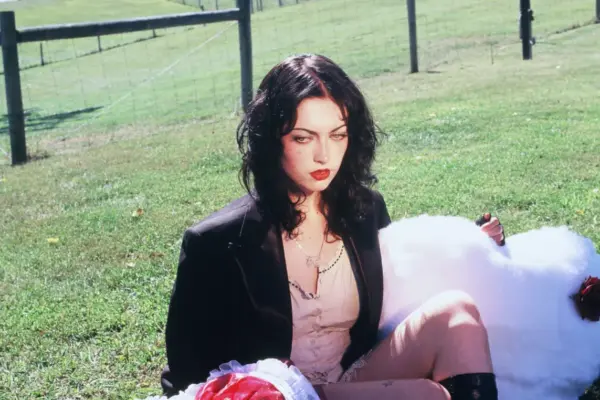
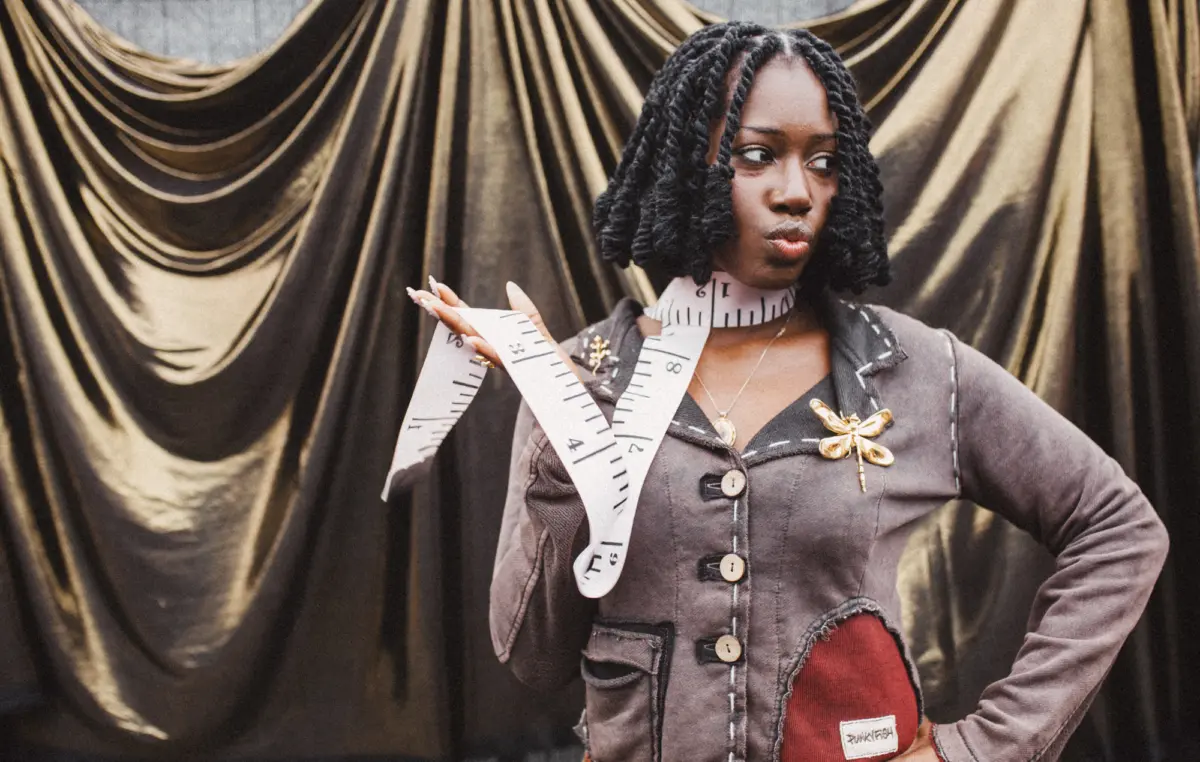
The landscape of British pop music in 2026 is undergoing a profound paradigm shift, characterized by a return to hyper-personal storytelling, genre-fluid production, and visual world-building. At the forefront of this movement is Sade Olutola, a rising singer-songwriter from South London whose meteoric rise has caught the attention of industry tastemakers and major festival bookers alike. On August 29, 2026, Olutola marked a significant milestone in her burgeoning career by making her debut appearance at the Reading Festival, delivering a highly anticipated performance on The Canopy stage.
Following her set, Olutola joined NME backstage to deconstruct the creative blueprint of her debut EP, Arrow Heart, which was released in February 2026. The project, which serves as a synthesis of teenage ambition and mature emotional processing, represents a full-circle moment for the artist. Its foundational concepts trace back to an 11-year-old Olutola navigating her self-described "Ed Sheeran phase."
This investigative feature explores the chronology of Olutola’s breakout year, analyzes the thematic and musical mechanics of her acclaimed discography—including her avant-garde single "2099"—and evaluates her positioning within the broader contemporary pop ecosystem.
Detailed Chronology
Sade Olutola’s rapid trajectory from South London bedroom producer to major festival stages is a testament to calculated artistic development and grassroots audience cultivation. Below is the chronological progression of her defining 2026 campaign:
[February 2026] ------------------> [June 2026] --------------------> [Summer 2026] -------------> [August 29, 2026]
Release of debut EP                 First headline show               High-profile support slots   Reading Festival debut
'Arrow Heart'                       at The Grace (London)             (Lexa Gates, Fousheé)        on The Canopy stage
February 2026: The Launch of Arrow Heart
Olutola officially entered the public consciousness with the release of her debut EP, Arrow Heart. The five-track project served as an introduction to her distinctive sonic palette—a blend of intimate acoustic foundations, electronic textures, and theatrical vocal arrangements. The release was met with critical acclaim, praised for its lyrical vulnerability and ambitious conceptual framework.
June 2026: The Live Baptism at The Grace
To support the EP, Olutola booked her debut headline show at London’s historic venue, The Grace, located in Islington. Despite the venue’s modest capacity, the show sold out almost instantly. For an independent artist, selling out "hard tickets"—where attendees purchase passes specifically to see the headliner rather than discovering them on a festival bill—marked a crucial transition from online popularity to tangible, physical demand.
July–August 2026: Curation and Collaboration
Recognizing her distinct potential, established industry figures began integrating Olutola into high-profile lineups. She secured an opening slot for indie-pop darling Lexa Gates at KOKO in Camden, a venue renowned for showcasing future stars.
This was swiftly followed by an invitation to perform at Harry Styles’ curated Meltdown Festival. Olutola opened for Fousheé as part of this prestigious event, exposing her music to an influential demographic of alternative and pop enthusiasts.
August 29, 2026: The Reading Debut
The culmination of her summer run occurred on the final weekend of August at the Reading Festival. Performing on The Canopy stage, Olutola delivered a tight, high-energy set that showcased her vocal prowess and commanding stage presence, cementing her status as one of the festival’s most talked-about new acts.
Supporting Context & Metrics
To understand the resonance of Olutola’s music, one must examine the specific creative influences and psychological frameworks that shape her output. Her debut EP, Arrow Heart, and its standout track, "2099," offer a compelling study in how childhood aspiration and adult trauma intersect in contemporary songwriting.
The Ed Sheeran Paradigm: Fandom as a Creative Sandbox
During her backstage interview at Reading, Olutola reflected on the origins of the Arrow Heart concept, attributing its genesis to her childhood obsession with Ed Sheeran.
[Ed Sheeran's Branding Strategy] ──> Inspired ──> [Sade Olutola's Early Branding (Age 11)]
  - Mathematical symbols on guitars                - Hand-drawn "Arrow Heart" icon
  - Custom-named instruments                       - Custom guitar named "Mexi"
  - Conceptual album architecture                  - Early tracklist draft in songwriting book
"When I was 11, I discovered Ed Sheeran—my friend Ella put me on," Olutola recalled. "When he toured, he would draw the icon of what he was trying to do—like a plus sign on his guitar or a divide or multiply. Then he would also name his guitar. So I did the same thing, but I was like, ‘I need to come up with my own cool version.’"
This childhood exercise led to Olutola drawing an "arrow heart" on her own guitar, which she named "Mexi," and drafting a fictional tracklist at the top of her songwriting book under the title Arrow Heart. When the time came to compile her first professional EP, she chose to pay homage to that early spark of ambition. This structural choice highlights a growing trend among Gen Z artists: utilizing their own digital and physical archives of childhood creativity as primary source material for their professional branding.
The Anatomy of "2099": Processing Infidelity Through Time Travel
While Arrow Heart is grounded in nostalgic origins, its lyrical content addresses raw, adult themes. The EP’s opening track, "2099," is a prime example of Olutola’s unconventional approach to songwriting. The track features a narrative that spans centuries, with the protagonist time-traveling from the year 1625 to 2099.

"That song makes no sense," Olutola laughed when asked about the track’s temporal leaps. However, her subsequent explanation revealed a sophisticated method of emotional translation:
- The Emotional Catalyst: Discovering a partner’s infidelity.
- The Visual Translation: Translating the resulting rage into the imagery of fire.
- The Historical Metaphor (1625): Associating the fire with the European and colonial witch trials. "I was like, ‘Oh, if it was the 1600s, they would burn me like a witch because I’m so mad that I want to kill everyone.’"
- The Futuristic Parallel (2099): Realizing that the passage of time does not diminish the intensity of betrayal. "If it was 2099, I would still be really mad."
This ability to externalize internal devastation into cinematic, multi-era narratives distinguishes Olutola from her peers, who often rely on more conventional, literal diaristic songwriting.
Official Statements
On the Realities of the Festival Circuit
While festival appearances are often romanticized, Olutola offered a candid, grounded perspective on the logistical and psychological toll of the summer touring season:
"It’s interesting the amount of preparation that goes into this, and then I’ve done a 20-to-30 minute set, and it’s over. It’s like, ‘OK, we go home now, but it’s really stressful before that.’ I’ve grown to appreciate my team a lot more."
— Sade Olutola, backstage at Reading 2026
This statement underscores the immense pressure placed on rising artists, who must execute flawless, high-stakes performances within tight festival time slots, often with minimal soundcheck time and highly compressed schedules.
On Supporting Her Idols
Reflecting on her summer support slots for Lexa Gates and Fousheé, Olutola’s enthusiasm highlighted her dual identity as both a professional peer and a passionate fan:
"I am the biggest Lexa Gates fan. Me and my producer bonded over our love for Lexa Gates. I love Fousheé. I’m just excited. I feel like I’m a little girl just living out her dream. My inner child is happy."
— Sade Olutola on her summer support slots
On Her Live Performance Philosophy
Despite her rapid transition to larger stages, Olutola maintains a consistent, egalitarian approach to her audience, regardless of the venue size or her billing status:
"I always treat everybody like they don’t know me. Because I’m used to having that mindset of, ‘Nobody here knows me’, I’m always trying to think about the most entertaining thing I could do, like crowd interactions and stuff. So I bring that over into my own shows."
— Sade Olutola on crowd engagement
This psychological strategy—performing with the hunger of an unknown opening act—ensures that her live sets remain dynamic, highly interactive, and focused on winning over skeptical or uninitiated festival-goers.
Future Outlook
Sade Olutola’s debut at Reading 2026 represents a critical inflection point. As the festival continues its weekend programming with heavyweight headliners and established stars such as Dave, Raye, Gunna, Viagra Boys, Sombr, Jade, and Radio Free Alice, Olutola’s performance on The Canopy stage positions her as a key player in the next generation of British pop talent.
       [ Sade Olutola's Multi-Tiered Growth Trajectory ]
                              │
       ┌──────────────────────┼──────────────────────┐
       ▼                      ▼                      ▼
[Creative Development] [Live Infrastructure] [Industry Positioning]
- Expanding "2099"      - Scaling up from      - Capitalizing on
  theatricality          The Grace to          high-profile
- Sophomore project      mid-sized theaters     advocacy (Styles,
  conceptualization      and festivals          Gates, Fousheé)
Industry analysts predict that the momentum generated from her summer festival run and the critical success of Arrow Heart will likely propel Olutola toward larger venue bookings for her next headline tour. Furthermore, her unique ability to blend commercial pop sensibilities with avant-garde conceptual narratives makes her a prime candidate for high-profile collaborations and international showcases in late 2026 and 2027.
By honoring her childhood ambitions while executing a highly mature, visually arresting creative strategy, Sade Olutola is proving that she possesses both the artistic depth and the work ethic required to sustain a long-term career in an volatile industry. Her journey from writing fictional tracklists in an 11-year-old’s notebook to commanding the stages of Reading is no longer a dream—it is a rapidly unfolding reality.