Executive Overview
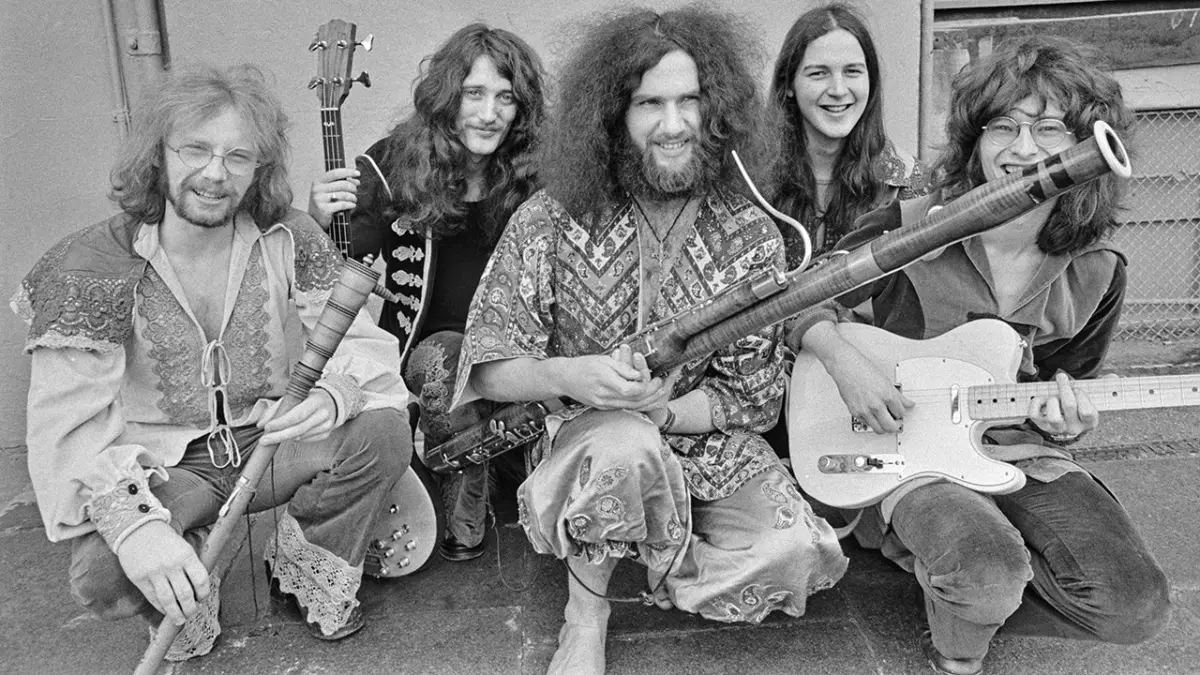
In the sprawling pantheon of 1970s progressive rock, few ensembles carved out a niche as singular or audacious as Gryphon. Emerging from the traditional folk clubs and classical academies of Great Britain, Gryphon engineered a completely original sonic hybrid: a seamless fusion of medieval and Renaissance counterpoint, traditional folk arrangements, and complex, electrifying progressive rock.
The year 1974 stands as the undisputed zenith of the band’s historical trajectory. Within a single twelve-month span, Gryphon released two highly acclaimed albums—Midnight Mushrumps and Red Queen To Gryphon Three—and crossed the Atlantic for a high-profile North American arena tour opening for progressive rock titans Yes.
Despite disbanding in the late 1970s under the cultural sea change brought on by the punk rock movement, Gryphon’s legacy endured in silent reverence among audiophiles and progressive music historians. Re-emerging in 2009 after discovering a vibrant online fan movement, the surviving core members restored the project to active duty. Today, Gryphon continues to tour and record, maintaining a unique position in contemporary music history as pioneers who successfully bridged the gap between the Elizabethan court and the modern rock arena.
Detailed Chronology
[1972] Gryphon Formed (Taylor, Harvey, Gulland, Oberlé)
  │
[1973] Debut Album 'Gryphon' Released; BBC Radio Sweep
  │
[April 1974] 'Midnight Mushrumps' Released; Historic Old Vic Show
  │
[Late 1974] 'Red Queen To Gryphon Three'; 33-Date US Arena Tour with Yes
  │
[1975–1977] Releases 'Raindance' & 'Treason'; Disbandment Amid Punk Era
  │
[2009] Reunion Sparked by Digital Fan Base
  │
[2020–Present] 'Get Out Of My Father's Car!' & Ongoing New Studio Work
Origins and Early Genesis (1972–1973)
The seeds of Gryphon were planted through a series of chance academic encounters. Guitarist Graeme Taylor first developed a fanaticism for the guitar at age nine after hearing The Beatles, practicing incessantly on Christmas Eve. Years later, while attending Tiffin School in Surrey, Taylor met multi-instrumentalist Richard Harvey. Both shared a deep fascination with early English folk, Elizabethan tunes, and medieval instrumentation.
Harvey subsequently attended the Royal College of Music in London, where he encountered bassoonist and singer Brian Gulland. Gulland’s musical foundation was rooted in classical tradition, having spent five years in the choir at Canterbury Cathedral before enrolling at the Royal College. However, disillusioned with classical academia, Gulland took the unconventional step of dropping out to pursue rock music.
To complete the lineup, the trio recruited percussionist Dave Oberlé, a veteran of the local rock scene who had previously fronted the heavy-prog outfit Juggernaut. The contrast was immediate: Oberlé, trained on heavy snare hits and rock kits, was forced to adapt to an exotic array of medieval percussion, crumhorns, and acoustic textures.
Under the guidance of Transatlantic Records talent scout Laurence Aston, Gryphon was signed shortly after performing in regional folk clubs. Their self-titled debut album, Gryphon, was released in June 1973. Featuring an eccentric mix of acoustic traditional songs, original period-style compositions, and forgotten wind instruments, the record generated immediate curiosity across the British music press.
The Masterpiece Year: 1974
By 1974, Gryphon expanded its sonic palette by adding bassist Philip Nestor, moving from purely acoustic chamber-folk toward a fully realized progressive rock format.
+-----------------------------------------------------------------------+
|                         THE 1974 DIARCHY                              |
+-----------------------------------------------------------------------+
|  MIDNIGHT MUSHRUMPS (April 1974)     | RED QUEEN TO GRYPHON THREE     |
|                                      | (Late 1974)                    |
|  • Side-long 19-minute title suite   | • Conceptual 4-track suite     |
|  • Based on Shakespeare's 'Tempest'  | • Theme based on chess moves   |
|  • Recorded at Chipping Norton       | • Managed by Brian Lane (Yes)   |
|  • Old Vic Theatre debut             | • US Tour with Yes (33 shows)  |
+-----------------------------------------------------------------------+
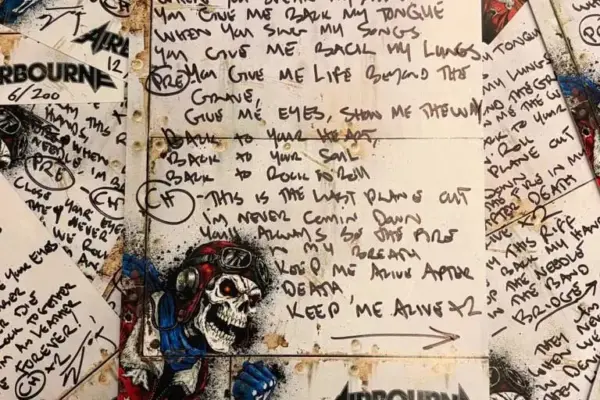
In early 1974, the group entered Chipping Norton Recording Studio in Oxfordshire alongside engineer Dave Grinsted (famed for his work with Caravan). The sessions were fast-paced and spontaneous, with band members drafting intricate contrapuntal parts on scraps of paper and envelope backs before recording them hours later.
The resulting album, Midnight Mushrumps, was released in April 1974. Its cornerstone was a 19-minute title track adapted from thematic material the band had written for director Peter Hall’s National Theatre production of Shakespeare’s The Tempest. To celebrate the release, Gryphon made history by becoming the first rock group to perform a live, headline concert at London’s prestigious Old Vic Theatre.
Later that same year, Gryphon returned to Chipping Norton to produce Red Queen To Gryphon Three. A conceptual tour de force structured loosely around the dynamics of a chess game, the album abandoned traditional song structures in favor of four extended, highly complex instrumental movements.
The American Expedition (Autumn 1974)
On the recommendation of former Royal College of Music alumnus Rick Wakeman, Gryphon secured management under Yes manager Brian Lane. This connection yielded an invitation to support Yes on their massive 1974 North American tour.
The transition from intimate British folk clubs and theaters to American basketball arenas was startling. Over 38 days, Gryphon played 33 high-intensity dates across the United States and Canada, performing before audiences of 10,000 to 15,000 people per night. The tour exposed American audiences to instruments rarely seen on rock stages, including double-reed crumhorns and classical bassoons routed through amplification systems.
Transformation, Fracture, and Hiatus (1975–1977)
Upon returning to the UK, Gryphon continued touring alongside Yes and recorded Raindance (1975), which showcased a move toward shorter, more accessible song formats. Internal creative differences led to the departure of co-founding guitarist Graeme Taylor shortly after.
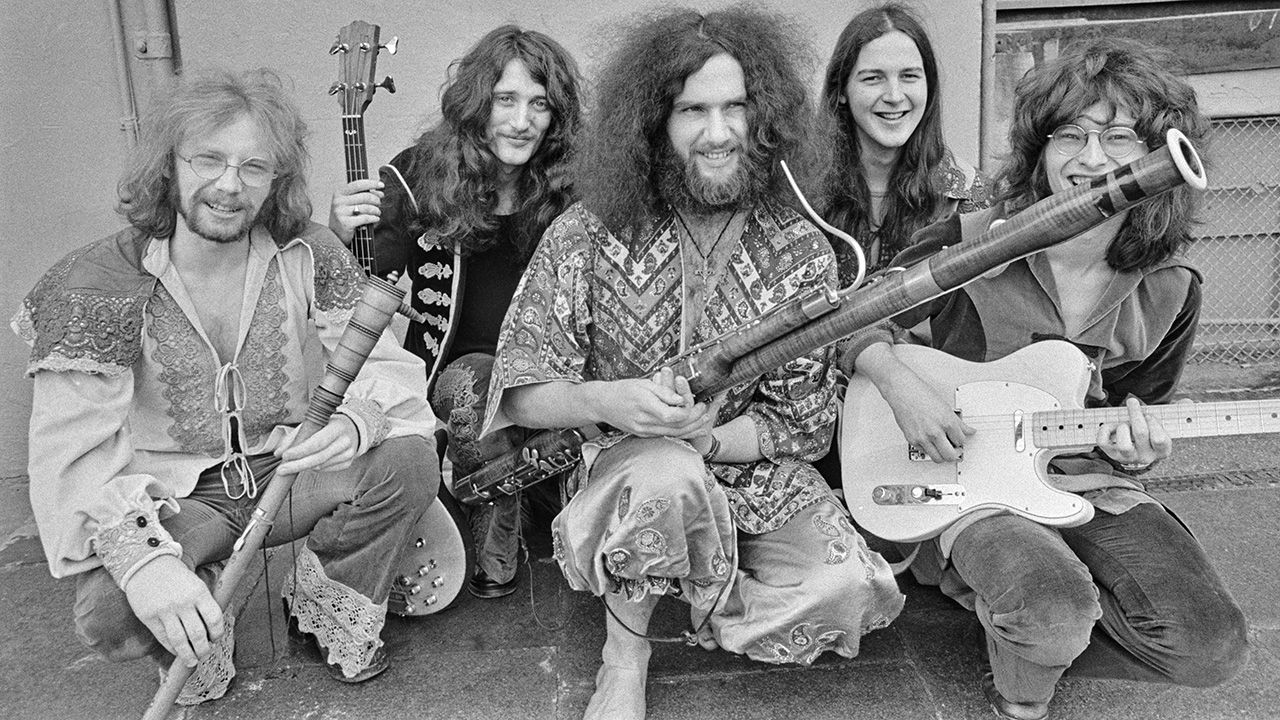
The group released one final album, Treason (1977), on Harvest Records. However, the cultural landscape of Great Britain was shifting rapidly. The arrival of punk rock re-engineered the music press’s priorities, favoring raw energy over technical virtuosity and complex instrumentation. Recognizing that their sophisticated style was out of step with the prevailing trends, Gryphon formally disbanded in late 1977.
Digital Resurgence and Modern Era (2009–Present)
For over three decades, Gryphon remained inactive. Unbeknownst to the band members, an international fan base was quietly growing online. In 2009, after discovering a dedicated fan site created by enthusiast Eduardo Mota that had accumulated over 200,000 visits, the band realized significant demand endured for their music.
Gryphon reunited for a series of high-profile UK shows, eventually returning to the studio to produce ReInvention (2018) and Get Out Of My Father’s Car! (2020). Today, the group features original members Graeme Taylor, Brian Gulland, and Dave Oberlé, alongside a modern lineup including Clare Taylor (violin, vocals), Andy Findon (woodwinds), and Rob Levy (bass).
Supporting Context & Metrics
Musical & Technical Innovations
Gryphon’s signature sound rested on an unusual mix of classical double-reed wind instruments and standard rock rhythms:
- The Crumhorn: A Renaissance-era double-reed instrument with a distinctive capped design, producing a buzzing, nasal timbre. Gryphon was the first group to introduce amplified multi-part crumhorn counterpoint into arena-level rock performances.
- The Bassoon: Played by Brian Gulland, the bassoon provided low-end melodic textures traditionally reserved for bass guitars or synthesizers in 1970s rock.
- Contrapuntal Composition: Rather than relying on standard verse-chorus patterns or blues scales, Gryphon’s tracks utilized polyphonic counterpoint, drawing direct inspiration from composers such as Thomas Tallis, William Byrd, and Johann Sebastian Bach.
Key Performance & Operational Metrics
| Metric / Event | Detail / Value | Significance |
|---|---|---|
| BBC Radio Sweep (1973) | Played on BBC Radio 1, 2, 3, and 4 in 1 week | First band in BBC history to span all four national radio stations in a single week. |
| 1974 US Tour Scale | 33 shows in 38 days | Reached an estimated 350,000+ live audience members across North America. |
| Average Venue Capacity | 10,000 – 15,000 seats | Transferred medieval-folk textures from club venues to major arenas (e.g., Dane County Coliseum). |
| Digital Reunion Catalyst | >200,000 website visits | Online analytics directly triggered the band’s official 2009 reformation. |
Official Statements
Reflecting on the whirlwind period of 1974 and the band’s unique origins, the founding members recall the blend of artistic ambition and improvised logistics that defined their early career.
"I woke up in the middle of the night on Christmas Eve and went halfway through the instruction book by about five in the morning. From then on, I was just fanatical about the instrument."
— Graeme Taylor, on acquiring his first guitar after hearing The Beatles."We were allowed to sit up on the lockers and watch the orchestra rehearse. I became inveigled by the deep farting noises of the bassoon… When I left the Royal College, my teachers were horrified. I told them, ‘Well sir, I’ve got these vague ideas about playing Hammond organ in a rock band.’"
— Brian Gulland, on his transition from classical training to rock music."It was shot in Windsor Great Park in the middle of the night, which is why, if you look at the sleeve closely, you’ll see bright red noses because we were absolutely freezing. We’d stolen lots of costumes from the National Theatre wardrobe and carted them into the park."
— Dave Oberlé, on the cover photo shoot for Midnight Mushrumps."We didn’t have any of that ‘getting it together in the country’ in a cottage for months. We went in and we cobbled together bits and pieces as we went. There was some manuscript paper flying around as well as the backs of envelopes."
— Brian Gulland, detailing the writing sessions for their 1974 records."It became fashionable to not be able to play your instrument very well. Unfortunately, we weren’t bad."
— Graeme Taylor, on the rise of punk rock and Gryphon’s initial 1977 split.
Future Outlook
As Gryphon moves past its 50th anniversary, the band remains active both on stage and in the studio. The current lineup preserves the original group’s detailed arrangements while incorporating fresh dynamic perspectives. The addition of Clare Taylor on violin and lead vocals has expanded the band’s vocal range and string presence, complementing the multi-reed orchestrations of Andy Findon and the foundational bass work of Rob Levy.
The band is currently writing and tracking material for a new studio album, following the critical success of 2020’s Get Out Of My Father’s Car!. Concert itineraries remain focused on progressive rock festivals, historic theater venues, and international art centers throughout Europe and the UK.
Decades after their initial run, Gryphon’s legacy as pioneers of early-music fusion remains intact. By proving that medieval instrumentation and modern rock aesthetics could coexist on the world’s largest stages, Gryphon established an enduring chapter in the history of progressive music.