Executive Overview
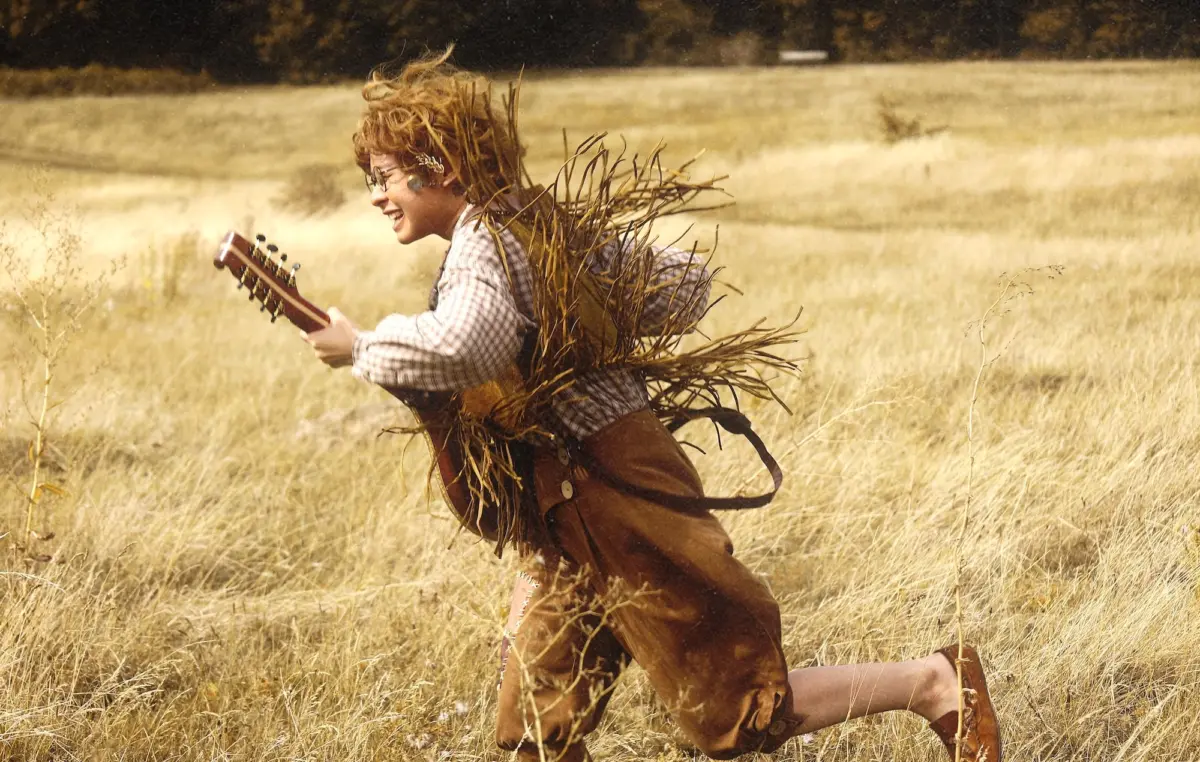
In the contemporary landscape of digital-era music, viral success is often a double-edged sword, offering unprecedented reach while simultaneously threatening to trap artists inside the very aesthetics that made them famous. For the Filipino-Icelandic musician Keath Ósk, this tension lies at the heart of their rapidly evolving career. Emerging in early 2024 under the moniker Yaelokre, Ósk captured the internet’s imagination with a highly stylized, deeply immersive fantasy world called Meadowlark. Driven by whimsical guitalele-folk-pop and Renaissance-style lyricism, the project quickly became a runaway phenomenon on TikTok, propelling the track "Harpy Hare" to over 240 million streams on Spotify and cultivating a fiercely devoted, costume-wearing global fandom.
Yet, with rapid-fire internet fame came the inevitable pressures of parasocial interaction. Fans began gatekeeping the lore of Meadowlark, intruding on Ósk’s personal gender identity, and crossing boundaries by sexualizing the project’s child-like characters. In response to this intense spotlight, Ósk has chosen a path of artistic reclamation.
Signing with Atlantic Records and relocating to London, the artist has released Foreword, an 11-track debut album under their birth name, Keath Ósk. Featuring reimagined, dramatically orchestrated versions of Yaelokre songs alongside a bold Bonnie Tyler cover, Foreword serves as both a musical bridge and a declaration of independence. By stepping out from behind the masks of Meadowlark, Ósk is attempting a delicate balancing act: preserving the community-driven magic of their viral project while establishing a private, creative sanctuary where they can exist as a multifaceted, raw, and unvarnished singer-songwriter.
Detailed Chronology
[Childhood - Cavite, Philippines] ──> [Age 10 - Icelandic Influence] ──> [Early 2024 - Yaelokre Viral Explosion] ──> [Late 2024 - Release of 'Foreword' / Atlantic Signing]The Foundations in Cavite and the Nordic Shift
Keath Ósk’s unique creative vision is deeply rooted in a childhood split between two vastly different cultures. Born and raised as the only child of a single mother in the Philippine province of Cavite, Ósk was immersed from an early age in local folklore, oral storytelling, and traditional music. They exhibited a performance instinct early on, recalling appearances at school assemblies during Linggo ng Wika (Filipino Language Week) as early as age three.
When Ósk was ten years old, their adoptive father, who is Icelandic, entered their life. This union marked the beginning of a nomadic upbringing, with the family splitting their time between Southeast Asia and Scandinavia. Spending holidays and Christmases in Iceland exposed Ósk to Nordic folklore, sweeping cold-weather landscapes, and a different lineage of speculative fiction. It was during these formative teenage years that Ósk began filling journals with drawings, stories, and maps of Meadowlark—a highly detailed, insular fantasy world that would eventually serve as the narrative bedrock for Yaelokre.
The Genesis of Yaelokre
For years, Meadowlark remained a private sandbox. Ósk’s early musical endeavors were intimate and communal, consisting primarily of writing acapella songs for friends’ birthdays. Their technical training in production began through a collaboration with JD Santos, the former producer and Yaelokre bassist who also plays in the Filipino indie outfit Medyo Maybe.
In early 2024, Ósk decided to set their childhood stories to music, adopting the moniker Yaelokre. The project was launched with no commercial expectations. Ósk viewed the uploads as a spontaneous, low-stakes creative outlet—akin to posting drawings on social media for personal enjoyment.
However, the internet reacted with immediate, overwhelming enthusiasm. The guitalele-driven, folk-pop arrangements, paired with Ósk’s multi-tonal vocal performances representing four masked children, struck a chord with communities searching for escapism, whimsy, and acoustic-driven nostalgia. Within months, Yaelokre transitioned from an obscure indie project to a major digital phenomenon.
The Pivot to ‘Foreword’
By mid-2024, the scale of Yaelokre’s success began to feel restrictive. The project, which was designed to celebrate childlike wonder and folklore, had grown so large that it began to overshadow Ósk as an individual. Recognizing the risk of becoming permanently synonymous with their masked avatars, Ósk initiated a strategic pivot.
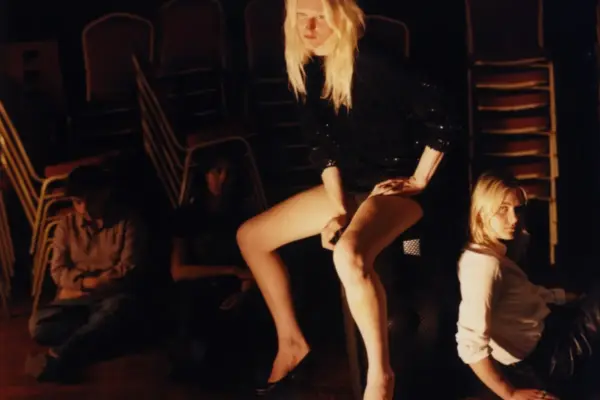
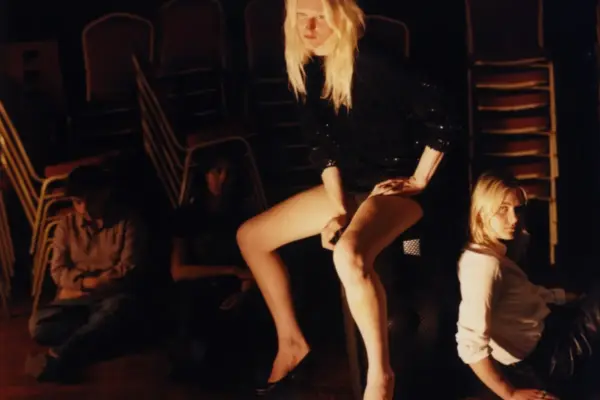
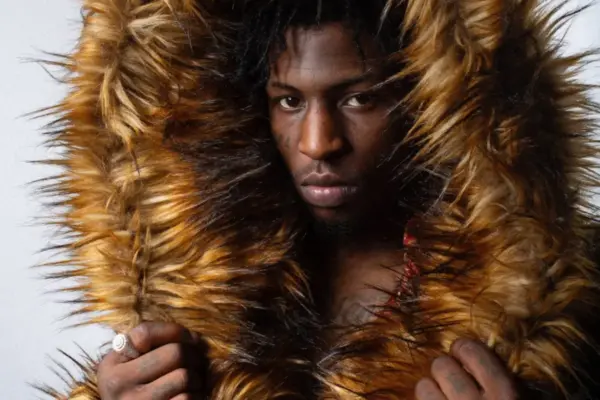
Signing with major label Atlantic Records and relocating to London, they began working on Foreword. Originally conceived as a raw, acoustic bedroom EP, the project evolved during production into a lush, genre-fluid album. Released under the name Keath Ósk, the album serves as a formal introduction of the creator behind the curtain, deliberately designed to transition listeners from the safe, mythic confines of Meadowlark into the more complex, adult, and unpredictable sonic territory of Ósk’s personal artistry.
Supporting Context & Metrics
The rapid ascent of Yaelokre is best understood through its digital metrics and the distinct cultural practices of its fandom. The project’s flagship single, "Harpy Hare", has amassed over 242 million streams on Spotify alone, a staggering figure for an independent folk-pop release.
Cultural Synthesis and Fan-Led Rituals
The global appeal of Yaelokre lies in its seamless blending of disparate cultural motifs. For instance, the animated visualizer for "Harpy Hare" incorporates references to "Nanay Tatay" ("Mummy, Daddy"), a traditional Filipino children’s hand-clapping game.
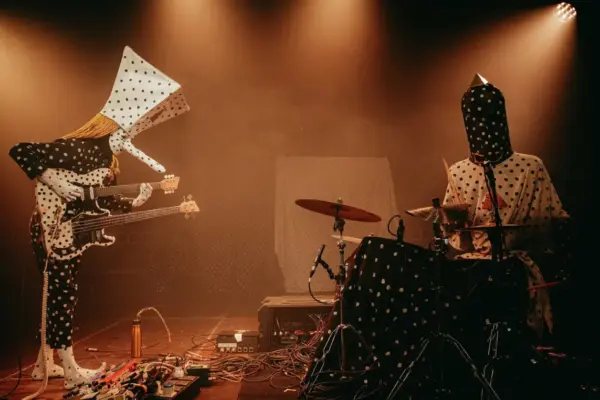
This specific cultural touchstone has crossed international borders; crowds at sold-out Yaelokre performances in Europe and North America regularly recreate the clapping game in the audience. Furthermore, the lore-heavy nature of Meadowlark has inspired a highly active subculture of fan-fiction writers, illustrators, and cosplayers who attend live shows dressed as the masked children from Ósk’s journals.
| Metric / Aspect | Yaelokre Project | Keath Ósk (Foreword) |
|---|---|---|
| Primary Platform | TikTok, YouTube, Spotify | DSPs, Traditional Live Venues |
| Key Track / Streams | "Harpy Hare" (242M+ Spotify streams) | Foreword (Debut album release) |
| Sonic Palette | Guitalele, acoustic folk-pop, elfin vocals | Brass (trumpets, trombones), keys, jazz, hip-hop |
| Visual Aesthetic | Masked avatars, hand-drawn fantasy art | Human-centric, raw performance, everyday wear |
| Thematic Focus | Childhood wonder, mythology, nature | Adult identity, personal grief, agency, boundaries |
The Friction of Parasocial Stardom
The swift accumulation of millions of followers brought significant challenges. Because the Yaelokre lore centers on four young, masked characters, Ósk has had to actively police the fandom’s boundaries, issuing public pleas to prevent the sexualization of these fictional children.

Additionally, the intensely collaborative nature of online fandoms led to instances of lore gatekeeping, where fans aggressively policed interpretations of Meadowlark’s mythology. More invasively, the digital spotlight triggered intense scrutiny of Ósk’s physical appearance and gender identity, prompting the artist to seek a clearer separation between their public-facing mythos and their private life.
Official Statements
In a comprehensive interview with NME, Keath Ósk spoke candidly about the dualities of their creative existence, their struggle for autonomy, and the symbolic meaning behind their latest work.
Discussing the visual metaphor of their music video for "And The Hound," in which they play two characters fighting over a chair, Ósk explained the performance as a representation of their relationship with fame:
"I’m so passionate about this! The reason I didn’t want to sit in the video is because it represents this controlled image of who I am. But I proved myself wrong because I’m actually not held in the chair. I have the control and freedom. I’ll always go back to Yaelokre and Meadowlark, but Keath Ósk is my escape from that."
Reflecting on the unexpected, organic rise of Yaelokre and their original, modest aspirations, Ósk recalled:
"There was no pressure, no plan to be a musician. It was all spontaneous and for fun, like posting something on Facebook for the sake of Facebook."
Ósk also addressed the limitations of being perceived solely through the lens of Yaelokre’s whimsical, soft-spoken folk:
"Some might assume I’m just a folk artist with a soft voice who can’t really belt or take on mature topics… but I’m more than that. Every artist who shares their work is more than their art. It’s only a matter of whether they express it or not, and I want to express it as Keath Ósk."
The shift in sonic direction on Foreword—which features contributions from South London producer Jack Hardman (Good Dog) and introduces brass, jazz, and hip-hop elements—was a deliberate act of self-liberation for Ósk:
"It was just supposed to be a version of me singing it in my bedroom—raw and acoustic. That was it. But the more I sat with it, the more I felt I was restricting myself, sticking to that rule. Because in truth, what I want is brass, I want a party, I want stories. I want all these things. That is my most honest self."
Future Outlook
As Keath Ósk navigates the release of Foreword, their immediate future is defined by a dual-track career strategy. On one hand, the massive machinery of Yaelokre remains highly active. The project’s international tour, which commenced in Belgium, represents a major step forward in production value, promising fans a "grand and bombastic" theatrical experience across Europe and North America.
On the other hand, the Keath Ósk project stands as a vital counterweight designed to prevent creative burnout. Ósk envisions a future where they can seamlessly oscillate between the two identities: mounting high-concept, masked spectacles as Yaelokre, and then retreating to intimate, small-capacity venues to perform raw, unmasked acoustic sets under their own name.
Ultimately, Foreword is not an abandonment of Meadowlark, but an expansion of its creator’s universe. By establishing Keath Ósk as a distinct, viable artistic entity, the songwriter has successfully rewritten the terms of their engagement with the music industry. They are no longer a passive captive of a viral internet phenomenon; rather, they are an authoritative, world-building director who retains total control over when to wear the mask, and when to take it off.