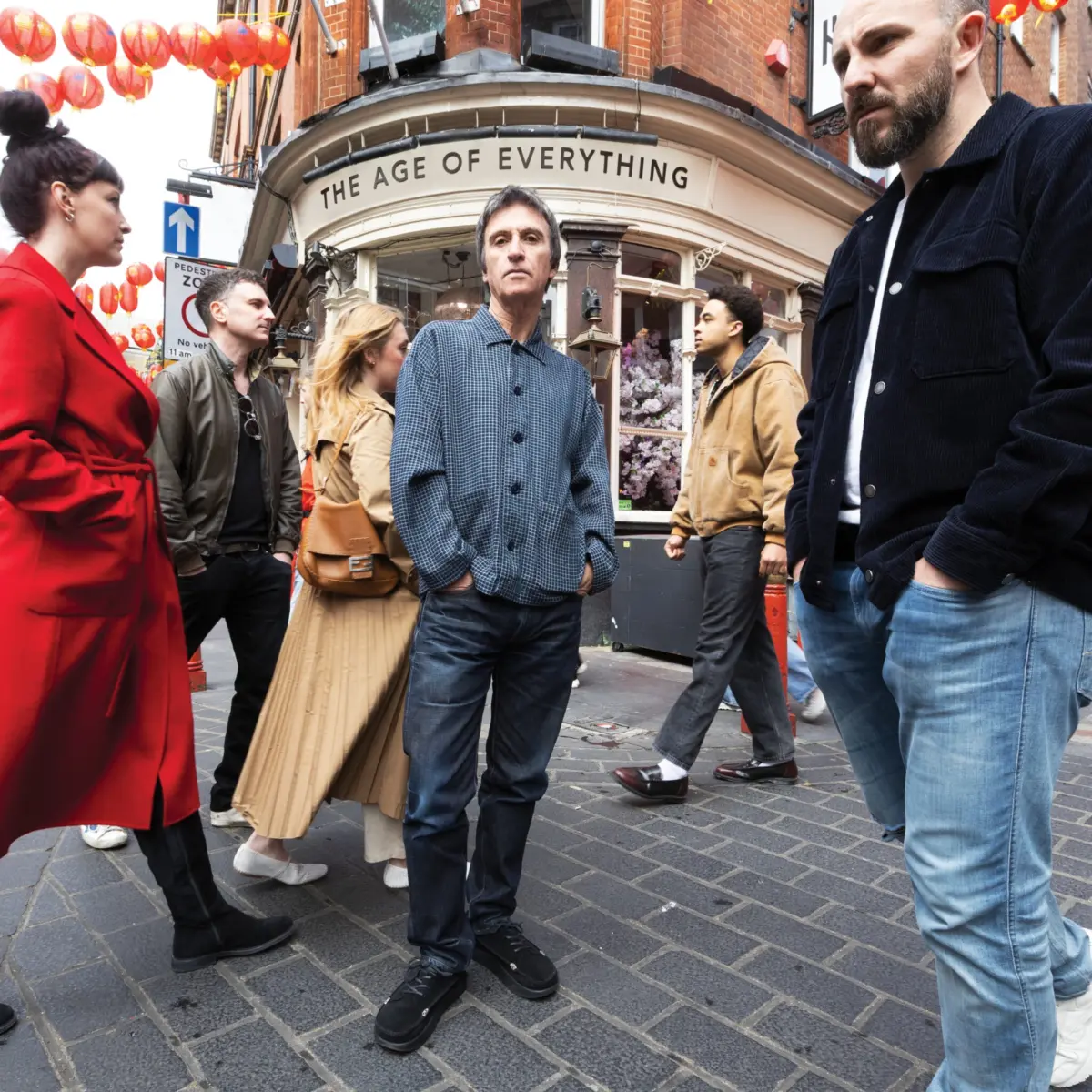
Executive Overview
Since stepping into the limelight as a solo artist in 2013, Johnny Marr has systematically dismantled the notion that former guitar masterminds of legendary outfits must coast on past glories. Instead, the Manchester-born architect of jangle-pop has forged a robust, forward-moving independent legacy. Over the past decade, Marr has maintained a relentless pace, delivering four acclaimed studio albums—including an ambitious double LP—alongside three live records, an essential compilation, and countless miles logged on global touring circuits.
Now, with the release of his fifth solo studio album, The Age of Everything, the veteran musician reaches a new creative high. Marr—whose formidable resume includes foundational tenures in The Smiths, The Pretenders, The The, and Electronic, alongside prestigious session work with the Pet Shop Boys, Crowded House, Everything but the Girl, and Blondie—steps firmly back into the spotlight.
The Age of Everything serves as a sharply crafted, unflinching observation of contemporary society. The ten-track collection effortlessly merges classic, crystalline melodies with towering guitar work and an unmistakable post-punk edge. Across the record, Marr interrogates the claustrophobia of a hyper-connected, technology-driven culture while simultaneously searching for spaces of renewal, artistic clarity, and human resilience. Rather than offering simplistic answers to the crises of the modern era, Marr uses his signature instrument to frame the questions with urgency, grace, and an enduring sense of hope.
Detailed Chronology: From Indie Royalty to Solo Innovator
The Foundation: The Smiths and Beyond
To understand the weight and resonance of The Age of Everything, one must trace the winding trajectory of Johnny Marr’s career. Emerging in the early 1980s as the musical foil to Morrissey in The Smiths, Marr redefined the sound of British indie-rock. His intricate, chiming guitar style bypassed heavy distortion in favor of arpeggiated melodic lines, heavily influenced by 1960s jangle-pop, Motown rhythm sections, and post-punk attitude.
Following the acrimonious and abrupt breakup of The Smiths in 1987, Marr refused to anchor himself to a single project. His musical journey evolved through high-profile collaborations and band memberships:
- The The: Infusing Matt Johnson’s cinematic songwriting with barbed-wire guitar textures on landmark albums like Mind Bomb (1989) and Dusk (1993).
- Electronic: Teaming up with Bernard Sumner of New Order to pioneer a bridge between alternative rock and synthesizer-driven dance music.
- The Pretenders: Lending his distinctive six-string wizardry to Chrissie Hynde’s enduring rock institution.
- The Session Elite: Serving as a go-to collaborator for an astonishing array of artists spanning genres, from the synth-pop brilliance of the Pet Shop Boys to the sophisticated adult-alternative pop of Crowded House and Everything but the Girl.
The Solo Renaissance (2013–Present)
Despite these monumental contributions, it wasn’t until 2013—with the release of his debut solo album, The Messenger—that Marr officially stepped up to the microphone as a frontman. The transition proved remarkably smooth. Fans and critics alike embraced his raspy, direct vocal delivery, which paired naturally with his peerless guitar work.
Subsequent releases—The Playland (2014), the double-album epic Call the Comet (2018), and Fever Dreams Pts. 1–4 (2022)—saw him steadily expand his sonic palette. Each record chipped away at the expectations of what a heritage act should sound like, steadily building a dedicated contemporary audience. With The Age of Everything, this decade-long solo evolution culminates in a masterclass of cohesion and artistic maturity.
Supporting Context & Metrics: Dissecting The Age of Everything
The Soundscape: Balancing Light and Shadow
Across its ten tracks, The Age of Everything achieves a delicate equilibrium between dark thematic undercurrents and soaring, triumphant melodies. The album captures the psychological toll of a society suffocated by constant notification, digital surveillance, and rapid socio-political fragmentation. Yet, rather than descending into cynical despair, Marr frames these anxieties within open-air arrangements that invite catharsis.
The sonic blueprint is established immediately on the opening track and lead single, "Spin." Built around a foundation of cascading, jangling guitars and an relentlessly upbeat rhythm, the track creates an intentional friction against Marr’s lyrical commentary on the dizzying confusion of modern living.
Touchstones of a Storied Career
Marr’s melodic instincts remain razor-sharp throughout the LP, frequently winking at historical touchpoints from his multi-decade discography without ever feeling derivative:
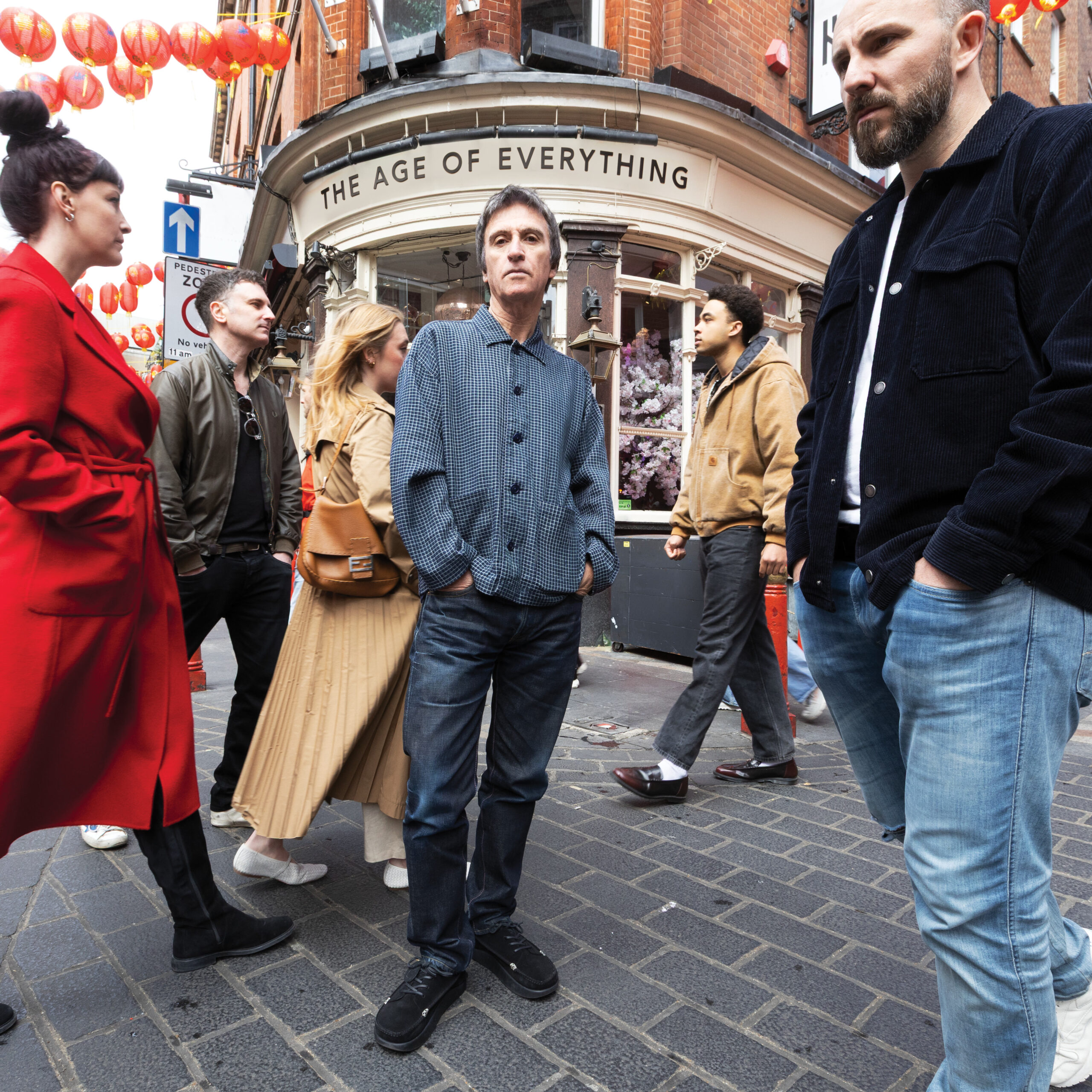
- "How Come" channels the effortless, melancholic brilliance of classic-era Smiths, driven by crisp chord changes and bittersweet vocal deliveries.
- "In and Out of Love" serves as an explicit stylistic nod to the street-poetry aesthetic of Lou Reed, blending narrative lyricism with rhythmic urban drive.
- "Ophelia" draws thematic inspiration from Shakespearean tragedy, incorporating sleek electronic pulses and shimmering synthesizer textures that Marr himself admits wouldn’t feel out of place during his late-80s/early-90s tenure with Electronic.
Structural Arc: From Conflagration to Contemplation
The structural sequencing of The Age of Everything highlights Marr’s seasoned understanding of album pacing. Tracks like "Fire with Fire" and "All in a Life" stand at opposite ends of his compositional spectrum, showcasing the full breadth of his solo capabilities.
The album opens with explosive energy—acting as a rallying call-to-arms for a disaffected generation—before gradually winding down into darker, more contemplative terrain. The LP concludes with a brooding, ominous rumination that directly confronts the central question of our time: Is there a viable way past the socio-ecological and technological labyrinth we have constructed?
Official Statements & Critical Analysis
Johnny Marr has never been an artist prone to hyperbole, preferring to let his guitar and arrangements speak for themselves. However, in discussions surrounding the thematic core of The Age of Everything, the Mancunian guitar icon has been refreshingly candid about his limitations as a prophet.
At no point on the record does Marr claim to hold the keys to societal salvation. In fact, one of the album’s most poignant lyrical moments confronts this reality directly:
"Melodies and good times / Won’t take away the feeling that lingers."
This line encapsulates the artistic thesis of The Age of Everything. Marr recognizes that pop music and guitar heroics cannot magically erase the structural anxieties of the twenty-first century. However, by giving those anxieties a voice—by wrapping them in pristine craftsmanship and kinetic energy—he transforms private dread into shared communal experience.
Music critics and industry analysts have already begun hailing the record as a career peak. By refusing to rely on nostalgia tours or safe rehashes of his 1980s catalog, Marr has carved out an enviable space in modern rock. He remains an elder statesman who actively engages with the anxieties of the youth, bridging generations through the sheer timelessness of the six-string electric guitar.
Future Outlook: The Road Ahead for Johnny Marr
As The Age of Everything lands on turntables and streaming platforms worldwide, the immediate future for Johnny Marr points toward extensive global touring. Given his legendary stamina on the live circuit—having spent the better part of the last decade performing headline shows and high-profile stadium supports—fans can expect these new anthems to translate dynamically to the stage.
More broadly, Marr’s trajectory points to an enduring legacy that extends far beyond the shadow of any single past band. He has proven that an artist can honor a legendary heritage while continuously redefining their contemporary relevance. In an industry obsessed with youth-driven trends and fleeting viral moments, Johnny Marr stands as a rare pillar of consistency, innovation, and uncompromising artistic integrity.
The Age of Everything is not merely a collection of new songs; it is a vital dispatch from a restless musical mind examining the world in real-time. For a generation searching for authenticity amidst the noise of the digital age, Johnny Marr’s latest masterwork offers both a mirror to our collective confusion and a soundtrack for our eventual renewal.