Executive Overview
In the fast-paced ecosystem of modern pop culture, the lifecycle of an album campaign is often compressed into explosive bursts of marketing, chart dominance, and subsequent retirement. Yet, nearly seven years after Harry Styles captured global attention with his sophomore blockbuster, Fine Line, visual artifacts from that defining era continue to captivate the public consciousness.
This week, the cultural spotlight has returned to Tim Walker’s legendary 2019 lenswork, as a previously unseen outtake from the Fine Line album cover sessions officially goes on display. Part of the highly anticipated exhibition Tim Walker’s Fairyland: Love and Legends at London’s prestigious National Portrait Gallery, the newly surfaced nude portrait of Styles offers a raw, unfiltered look into the creative synergy between two modern British cultural icons.
Curated over half a decade, Fairyland is far more than a retrospective of fashion photography; it is a sprawling, deeply intimate exploration of queer identity, community, and historical resilience. Featuring approximately 250 subjects—ranging from pop royalty like Lady Gaga, Chappell Roan, and Frank Ocean to foundational queer activists, writers, and performers—the exhibition positions Walker’s distinctively whimsical, subversive aesthetic as a vital medium for documenting marginalized narratives.
For Styles, whose career has consistently blurred the lines of traditional masculinity and high fashion, inclusion in this gallery space reinforces his standing as a muse for contemporary art. As Fairyland opens its doors to the public, this comprehensive review explores the genesis of the exhibition, the enduring commercial and cultural legacy of Fine Line, the meticulous process of Walker’s photography, and the broader implications of displaying high-profile NSFW art within a historic public institution.
Detailed Chronology: From the Studio to the National Portrait Gallery
To understand the weight of this newly exhibited photograph, one must trace the timeline of collaboration between Harry Styles and photographer Tim Walker, alongside the extensive development of the Fairyland project.
Late 2019: The Fine Line Genesis
In the autumn of 2019, Harry Styles stood on the cusp of defining his post-One Direction solo identity. Following the modest, classic-rock-leaning sonic palette of his 2017 self-titled debut, Styles was preparing to pivot toward a vibrant, sun-drenched pop-rock soundscape on Fine Line. To match this sonic evolution, he enlisted Tim Walker—a photographer renowned for his eccentric, theatrical, and dreamlike compositions—to capture the album’s visual identity.
The resulting photo shoot produced the iconic album cover: Styles wearing a ruffled Gucci blouse and high-waisted pink trousers, fish-eye lens distorting the perspective while he smiles warmly. However, Walker’s creative process with Styles was expansive, utilizing multiple setups, wardrobe variations, and thematic explorations. Outtakes from these sessions remained tightly guarded secrets within the photographer’s archive, known only to inner circles until recent disclosures.
The Five-Year Evolution of Fairyland
Concurrently, Tim Walker was embarking on a monumental independent endeavor. Over a span of five years, Walker traveled, scouted, and shot approximately 250 individuals whose lives intersect with queer culture, history, and activism. Unlike commercial fashion commissions, Fairyland was conceived as an archival labor of love—a visual archive designed to honor the multifaceted spectrum of queer existence across generations.
The project sought to bridge the gap between high-art fantasy and gritty, lived reality. Walker paired established mainstream icons—artists who have used their platforms to challenge normative boundaries—with grassroots activists, underground performers, and historical figures. The inclusion of Styles’ outtake within this framework is not merely a piece of fan service; it serves as a deliberate artistic statement regarding the singer’s alignment with contemporary expressions of gender fluidity and queer-adjacent aesthetics.
February 2026: The Public Reveal
The convergence of these timelines culminated in the announcement and opening of Tim Walker’s Fairyland: Love and Legends at the National Portrait Gallery in London. As museum-goers and media outlets previewed the exhibition, the revelation of the nude Fine Line outtake sent shockwaves through fandoms and art circles alike.
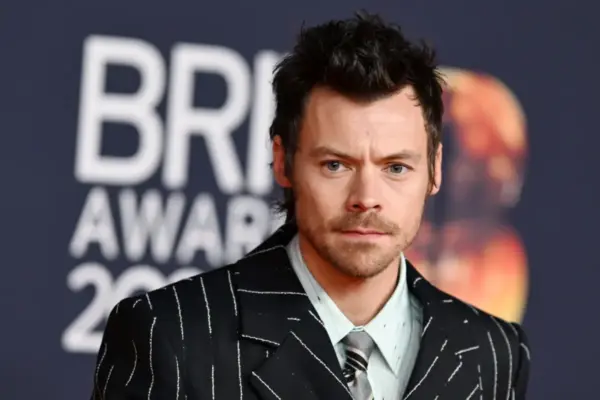
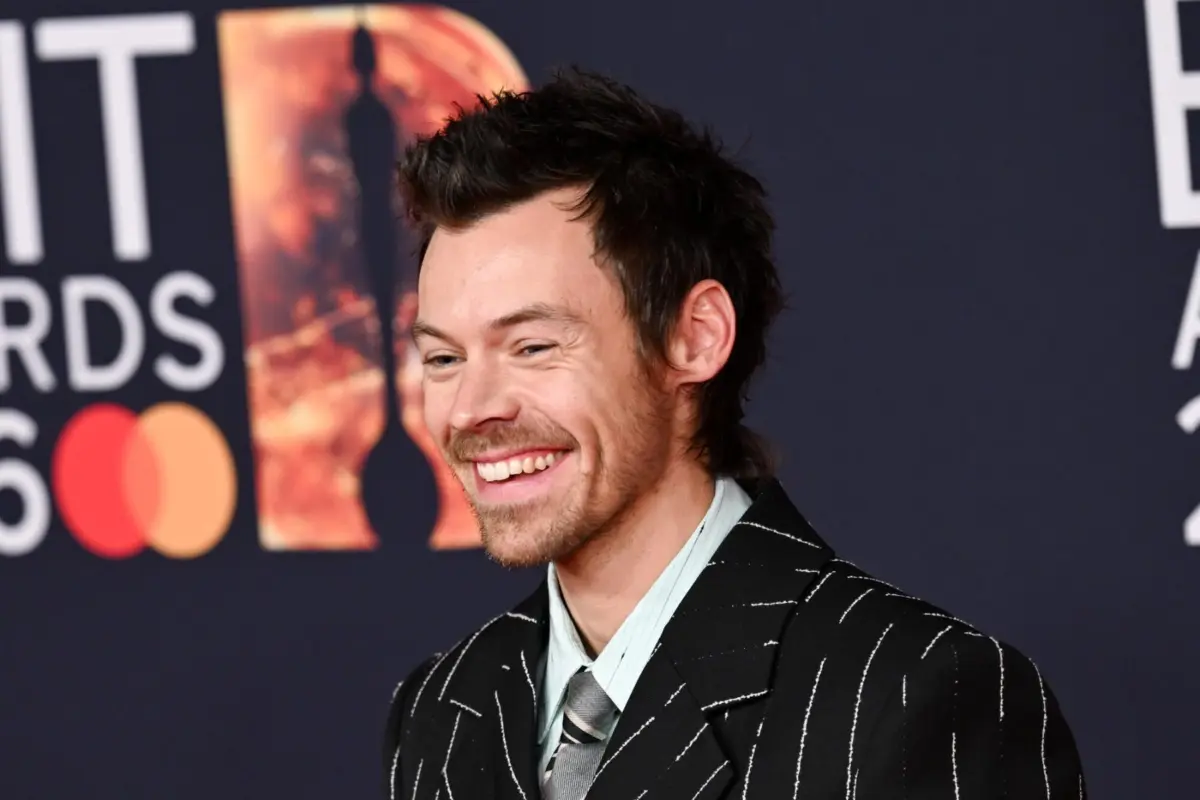
Coinciding with Styles’ high-profile appearances—such as his attendance at The BRIT Awards 2026 held at Co-op Live in Manchester—the timing injected fresh momentum into the cultural discourse surrounding the singer’s visual catalog. The exhibition officially opens to the public on Friday, marking the beginning of an extensive run scheduled through February 7, 2027.
Supporting Context & Metrics: The Fine Line Era and Archival Impact
The cultural resonance of this new photographic exhibit cannot be separated from the monumental commercial success of the album it references. Fine Line was not merely a collection of hit singles; it was a watershed moment in 21st-century pop music.
Commercial Dominance on the Charts
Upon its release in December 2019 via Erskine and Columbia Records, Fine Line made an immediate and thunderous impact on the global music charts. Most notably, the album debuted at No. 1 on the Billboard 200, marking Styles’ second consecutive chart-topping record following his self-titled debut.
The figures surrounding its opening week were historic:
- Chart Debut: No. 1 on the Billboard 200 (December 2019).
- Sales Milestone: Achieved the biggest streaming and sales week for a pop album by a male artist in more than four years at the time of its release.
- Sustained Success: Spurred by ubiquitous global smashes like "Watermelon Sugar" (which eventually captured the Grammy Award for Best Pop Solo Performance) and "Adore You," the album spent hundreds of weeks on the charts, cementing itself as a defining sonic backdrop of the early 2020s.
Tim Walker’s Place in Music and Fashion History
Tim Walker’s involvement elevates the archival material from pop memorabilia to high art. Over a career spanning decades, Walker has established himself as one of Britain’s most imaginative image-makers, known for constructing elaborate, physical sets rather than relying heavily on digital post-production.
His portfolio includes iconic collaborations with legendary avant-garde musicians, most notably Kate Bush, as well as editorial spreads for international editions of Vogue. Walker’s signature style—characterized by oversized props, surreal lighting, and a romantic, fairytale-esque melancholy—provides the ideal visual language for Fairyland. By stripping away the wardrobe in the newly unveiled Fine Line outtake, Walker pivots from baroque maximalism to vulnerable minimalism, exposing the raw human form beneath the theatrical layers of the album’s primary marketing campaign.
Official Statements and Institutional Framing
The National Portrait Gallery has curated Fairyland with meticulous attention to both its aesthetic merit and its socio-political themes. Given the nature of the exhibition’s content, institutional messaging has been transparent regarding the adult themes visitors will encounter.
The National Portrait Gallery’s Vision
In official curatorial statements, the National Portrait Gallery describes Fairyland as a profound celebration of more than 50 years of queer activism, community, and love. The gallery emphasizes that the exhibition transcends a simple roll-call of celebrities; rather, it creates a dialogue between famous cultural figures and the everyday architects of queer history.
"Fairyland explores the intersections of identity, love, and mythology through the visionary lens of Tim Walker," notes the gallery’s exhibition guide. "By bringing together activists, performers, writers, and artists, the project constructs a contemporary pantheon that honors the resilience and beauty of queer culture."
Navigating Content and Accessibility
Due to the uncompromising nature of Walker’s portraiture, the gallery has issued clear advisory warnings to prospective visitors. The exhibition explicitly contains nudity, adult themes, and sexually explicit imagery.
Consequently, Styles’ birthday-suit portrait is contextualized not as a sensationalized pop-culture Easter egg, but as part of a broader artistic exploration of bodily autonomy, liberation, and uninhibited self-expression. Museum administrators have stressed that these elements are integral to understanding Walker’s challenge to conventional Victorian and puritanical portraiture traditions that have historically dominated institutional gallery spaces.
Future Outlook: Legacy, Exhibition Run, and Cultural Permanence
As Tim Walker’s Fairyland: Love and Legends opens its doors in London, its trajectory over the coming months promises to make it one of the UK’s most-discussed cultural events.
Exhibition Schedule and Access
The exhibition will run for an extended period, welcoming visitors at the National Portrait Gallery from Friday through February 7, 2027. Given the intense public interest generated by the inclusion of high-profile subjects like Harry Styles, Lady Gaga, Chappell Roan, Hunter Schafer, and Frank Ocean, ticket demand is anticipated to be exceptionally high. Educational programs, panel discussions, and artist talks are expected to accompany the exhibition’s run, further unpacking the themes of queer representation in contemporary photography.
The Enduring Mythos of Harry Styles’ Visuals
For Harry Styles, the resurfacing of this archival outtake underscores the careful construction and enduring intrigue of his public persona. As speculation continuously surrounds his next musical and creative chapters, artifacts from the Fine Line era serve as a reminder of a transitional period when he successfully cemented his status as a global style icon.
Ultimately, the inclusion of Walker’s unclad portrait in a national institution elevates the conversation surrounding pop stardom. It bridges the gap between commercial pop music and high-concept fine art, ensuring that the visual history of the 2010s and 2020s will be analyzed, celebrated, and preserved for generations to come.