Executive Overview
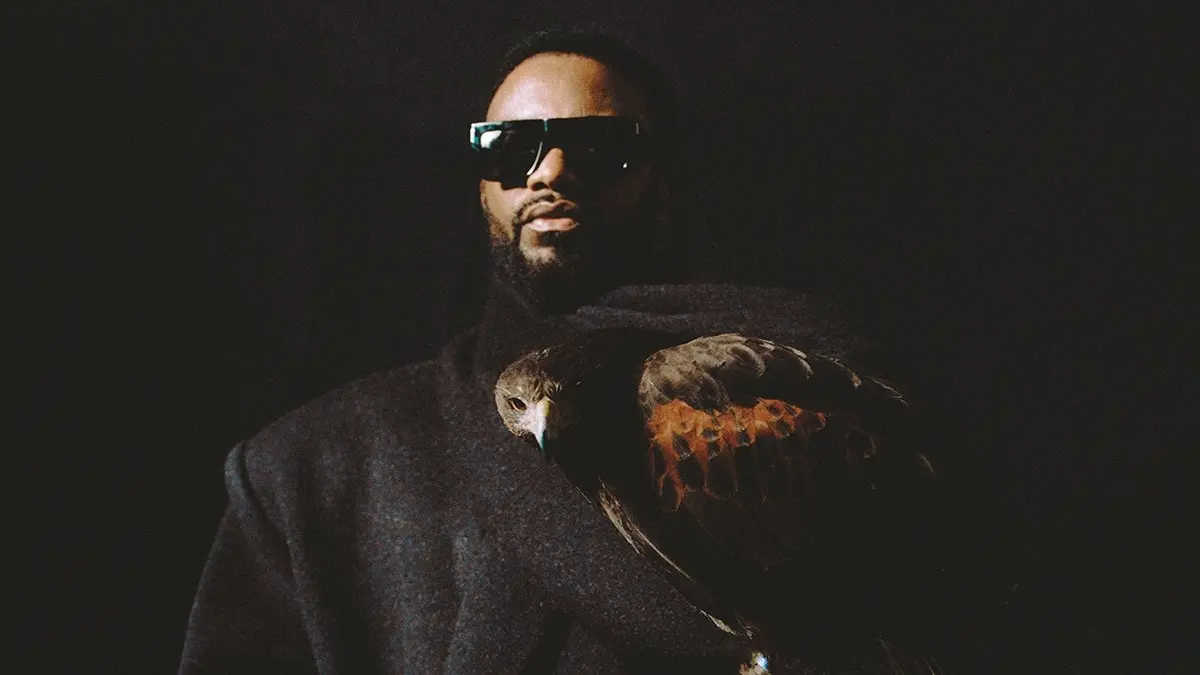
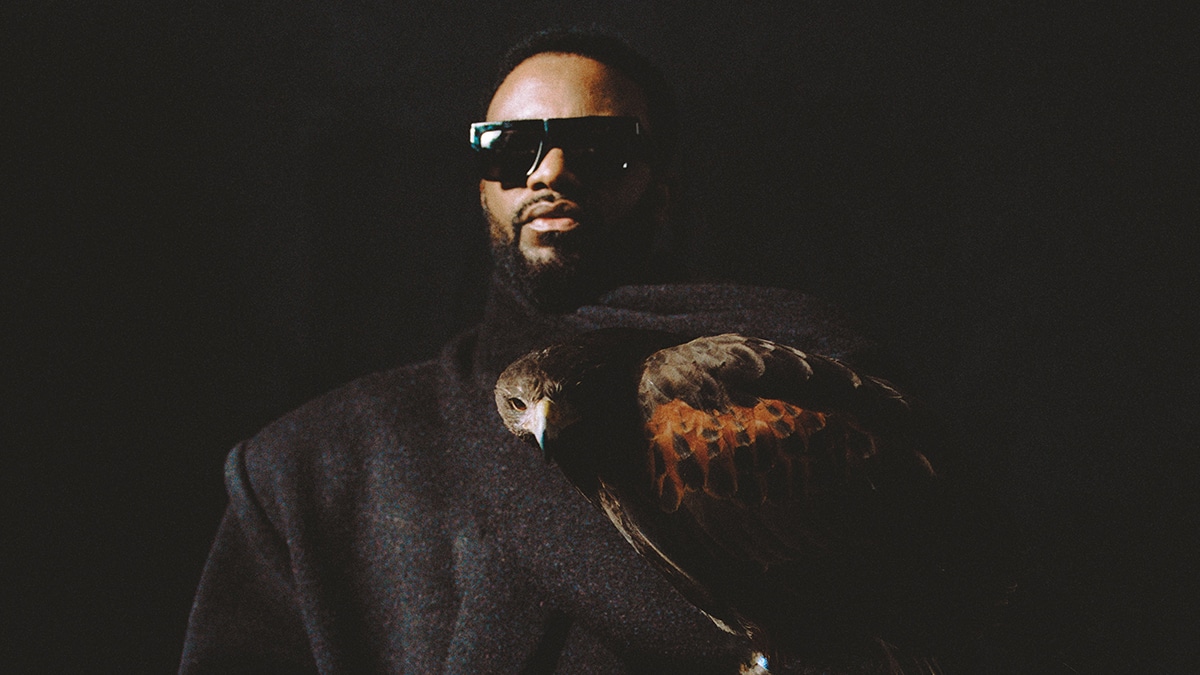
In October, the London O2 Arena will witness a landmark moment in contemporary world music. Congolese superstar Fally Ipupa is set to headline the capital’s premier venue for a historic two-night run on October 24 and 25. This milestone arrives concurrently with a monumental personal and artistic milestone: Ipupa’s 25th anniversary in the music industry and the rollout of his latest studio album, XX: Dellrium.
Yet, framing this event merely as a standard concert series or a routine arena booking underestimates its broader cultural resonance. Ipupa’s upcoming performances represent the historic ascendance of Francophone African music into the upper echelons of the mainstream Western live circuit. More importantly, it serves as a high-profile platform for Lingala and Congolese culture within an English-speaking metropolis.
While contemporary global charts are frequently dominated by the monolithic umbrella term "Afrobeat," music historians understand that Africa’s rhythmic footprints extend far deeper. Genres such as Congolese rumba were among the pioneering African sounds to cross international boundaries, laying down a rich sonic blueprint that has influenced global artistry for generations. Fally Ipupa’s arrival at the O2 is not an isolated success story; it is the culmination of a century-long transnational dialogue, a testament to musical preservation, and a triumphant celebration of the Congolese diaspora on a world-class stage.
Detailed Chronology: A Quarter-Century of Evolution
To understand the magnitude of Fally Ipupa’s O2 Arena debut, one must examine the rigorous, decades-long trajectory that forged his artistry. Born in Kinshasa—a city globally renowned as a vibrant crucible of musical innovation—Ipupa honed his craft amidst a rich tapestry of local tradition and international exchange. Congolese rumba itself is a product of cross-cultural synthesis, drawing historical threads from Cuban son, Haitian cadence, and European instrumentation, which were then localized and amplified throughout Central Africa.
The Formative Years and Quartier Latin International
Ipupa’s ascent began in earnest when he joined Quartier Latin International, the legendary ensemble led by the grandmaster of Congolese rumba, Koffi Olomidé. Serving as a primary vocalist, writer, and arranger, Ipupa quickly distinguished himself with his soaring tenor, magnetic stage presence, and deep respect for rumba’s intricate harmonic structures. Working alongside Olomidé allowed Ipupa to absorb the theatricality and discipline required to command stadium-sized audiences across Africa and Europe.
The Solo Breakthrough: Droit Chemin
In 2006, Ipupa took a definitive step into solo superstardom with the release of his debut studio album, Droit Chemin. The record was an immediate critical and commercial triumph, instantly establishing him as a solo force capable of modernizing traditional rumba without severing its historical roots. Tracks from the album blended classic soukous rhythms with contemporary R&B sensibilities, signaling a new chapter for urban Congolese music.
Crossing Continents: Tokooos and Beyond
As his career progressed, Ipupa consistently dismantled linguistic and geographical barriers. His landmark 2017 album, Tokooos, was a masterclass in cross-genre collaboration, bridging the gap between Kinshasa and the European pop and hip-hop scenes. By partnering with prominent French and international artists, Ipupa brought Lingala-language music into urban youth culture across France, Belgium, and beyond. Subsequent releases, including the ambitious triple-album Formule 7 and his latest project, XX: Dellrium, have continued to showcase his sonic versatility, incorporating elements of French, Swahili, Portuguese, and English.
Supporting Context & Metrics: The Architecture of a Legacy
The journey from the sweaty, electric clubs of Kinshasa to the sleek acoustics of the O2 Arena is underpinned by a profound lineage of cultural architects. Congolese music has always operated as an interconnected ecosystem, powered by community organizers, visionary producers, and generational icons.
The Lineage of Giants
Ipupa stands upon the shoulders of foundational giants who exported the soul of Central Africa to the world stage:
- Franco Luambo and TP OK Jazz: Masters of hypnotic guitar interplay and biting social commentary who defined the golden age of Congolese rumba.
- Tabu Lay Rochereau: A pioneer of modern African orchestration who introduced soul-stirring melodies and sophisticated arrangements.
- Papa Wemba: The undisputed king of rumba rock and the high priest of Sapeurs, who demonstrated how African artistry could seamlessly merge high fashion with avant-garde pop sensibilities.
- Koffi Olomidé: The lyrical titan who brought rumba into the stadium era, breaking attendance records across the African continent and in Paris.
Preserving Culture in Real Time
This unbroken chain of artistic inheritance is currently being carried forward by younger luminaries such as Tiakola, who proudly weave their Congolese heritage into contemporary European hip-hop and trap. This passing of the torch represents living cultural preservation. It ensures that the youth of the diaspora can engage with their ancestral language and history in modern, dynamic ways.
Furthermore, moments of immense global visibility, such as Ipupa’s upcoming London concerts, do not happen in a vacuum. They are built on decades of tireless behind-the-scenes labor by community leaders, independent promoters, and visionaries. Industry observers and members of the Congolese community frequently pay homage to figures like the late Johnny Moko, whose early advocacy and promotional efforts laid the institutional groundwork for African artists to tour and thrive in Western markets.
Official Statements and Industry Perspectives
Cultural commentators and musicologists have increasingly emphasized the importance of nuance when categorizing African music within Western media frameworks.
"When we group every contemporary African release under the broad umbrella of ‘Afrobeat,’ we risk erasing the rich, distinct histories of genres that were traveling across international borders long before the current streaming boom," notes cultural historian Dr. Amina Diallo. "Congolese rumba has spent nearly a century evolving, migrating, and adapting. Fally Ipupa headlining the O2 is a long-overdue institutional recognition of that historical weight."
Industry executives have similarly praised Ipupa’s unparalleled work ethic and acute artistic vision. Speaking on the artist’s 25-year milestone, prominent European booking agents have highlighted his rare ability to draw multi-generational crowds.
"Fally has achieved something very few artists can manage: he has retained the purists who fell in love with his work in Quartier Latin, while continuously capturing younger, globally-minded audiences through smart collaborations and boundary-pushing production," an international tour promoter remarked ahead of the London dates. "When he steps onto the stage at the O2, he isn’t just representing himself; he is representing the entire cultural capital of Central Africa."
Future Outlook: Beyond the O2 Arena
As Fally Ipupa prepares to take over London’s O2 Arena on October 24 and 25, the global music landscape stands at a fascinating crossroads. The demand for culturally diverse, multilingual artistry in multicultural hubs like the United Kingdom has never been higher. Audiences are increasingly eager to consume music that resists homogenization and celebrates authentic regional roots.
Ipupa’s historic residency in London poses a compelling question for the future of international touring: Just how far can Congolese music travel while keeping its roots entirely intact?
If XX: Dellrium and his quarter-century career trajectory are any indication, the answer is limitless. By maintaining linguistic integrity through the frequent use of Lingala, collaborating fearlessly across linguistic divides, and honoring the foundational masters who came before him, Ipupa has mapped out a sustainable blueprint for global crossover success.
The O2 Arena will undoubtedly shake to the infectious, cascading guitar riffs and driving percussion of Congolese rumba this October. Yet, for Ipupa and the vibrant diaspora cheering him on, this landmark achievement is merely another stepping stone. From Kinshasa to London, the timeless story of Congolese music continues to write itself—proving that true authenticity never goes out of style, and that heritage, when boldly carried, can conquer any stage in the world.