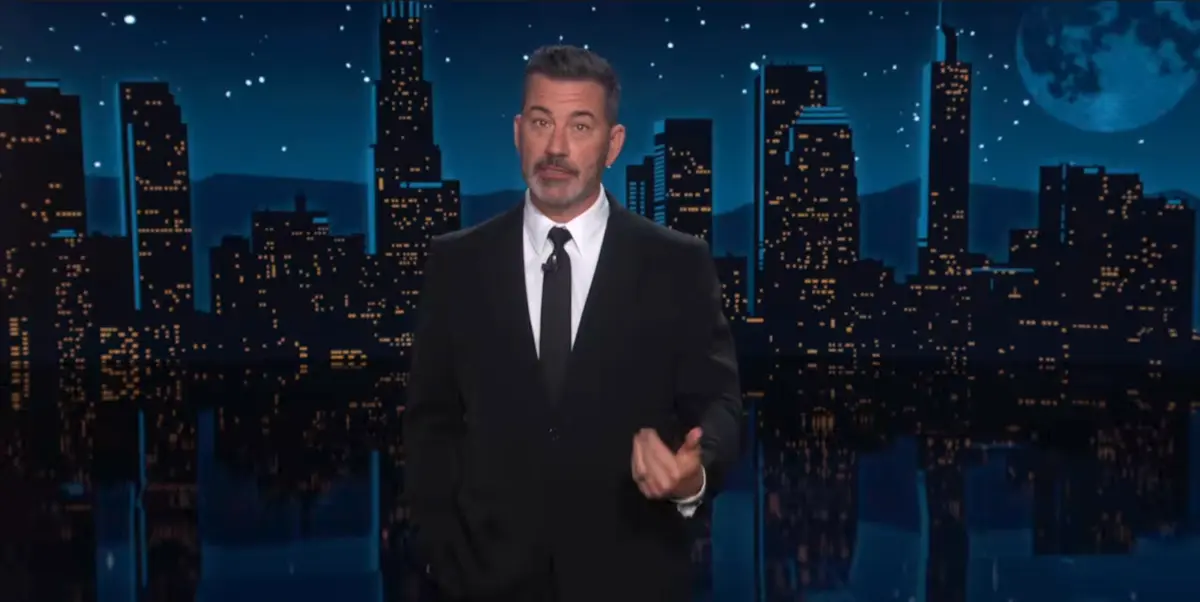
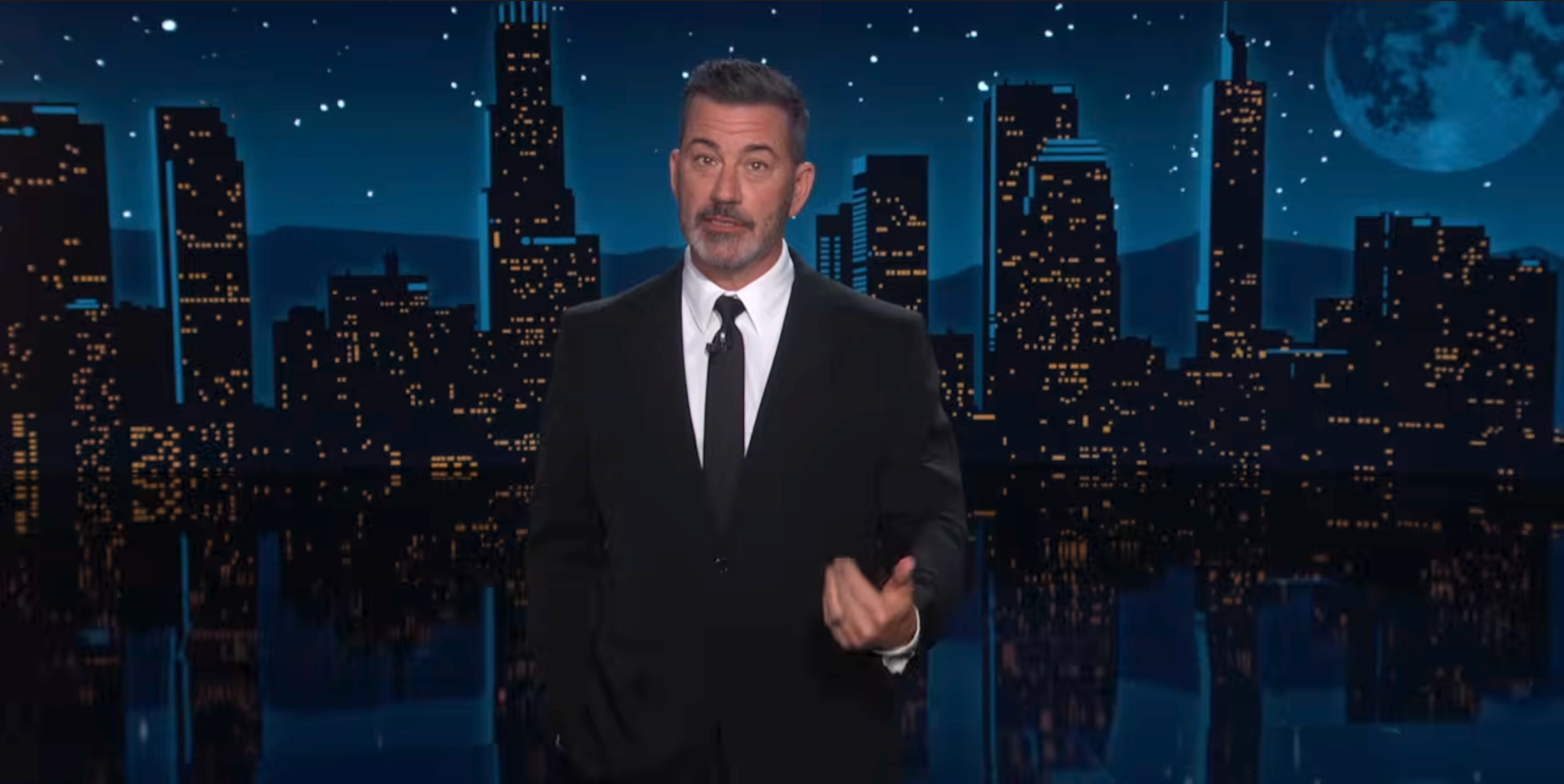
Late-night television and federal regulatory politics collided on Tuesday evening as Jimmy Kimmel returned to the anchor desk of Jimmy Kimmel Live! following a month-long summer hiatus. Commemorating the monumental milestone of his 4,000th broadcast—a run spanning nearly twenty-four years on ABC—Kimmel bypassed pleasantries, instead delivering a pointed, defiant monologue targeting Federal Communications Commission (FCC) Chairman Brendan Carr.
The live television address brought months of brewing tension between the Trump administration, network executives, and late-night satire into sharp public focus. Kimmel’s remarks directly referenced the unprecedented regulatory threats leveled against ABC and its corporate parent, The Walt Disney Company, following political pressure from the White House.
The high-stakes return arrives amid a swirling vortex of industry speculation regarding the host’s professional future, a multi-million-dollar First Amendment lawsuit filed against the federal government, and a history of explosive controversies involving political violence, satire, and government overreach. As Jimmy Kimmel Live! locks into its current production cycle under a freshly signed one-year contract stretching through May 2027, the intersection of free speech, broadcast licensing, and executive retaliation has transformed a standard entertainment program into a frontline battleground for constitutional rights.
Detailed Chronology: From Satire to Federal Scrutiny
The pathway to Kimmel’s defiant 4,000th-show monologue is paved with a series of escalating political flashpoints, regulatory threats, and executive actions that have fundamentally altered the landscape of American broadcast television.
The Charlie Kirk Controversy and Initial Suspension
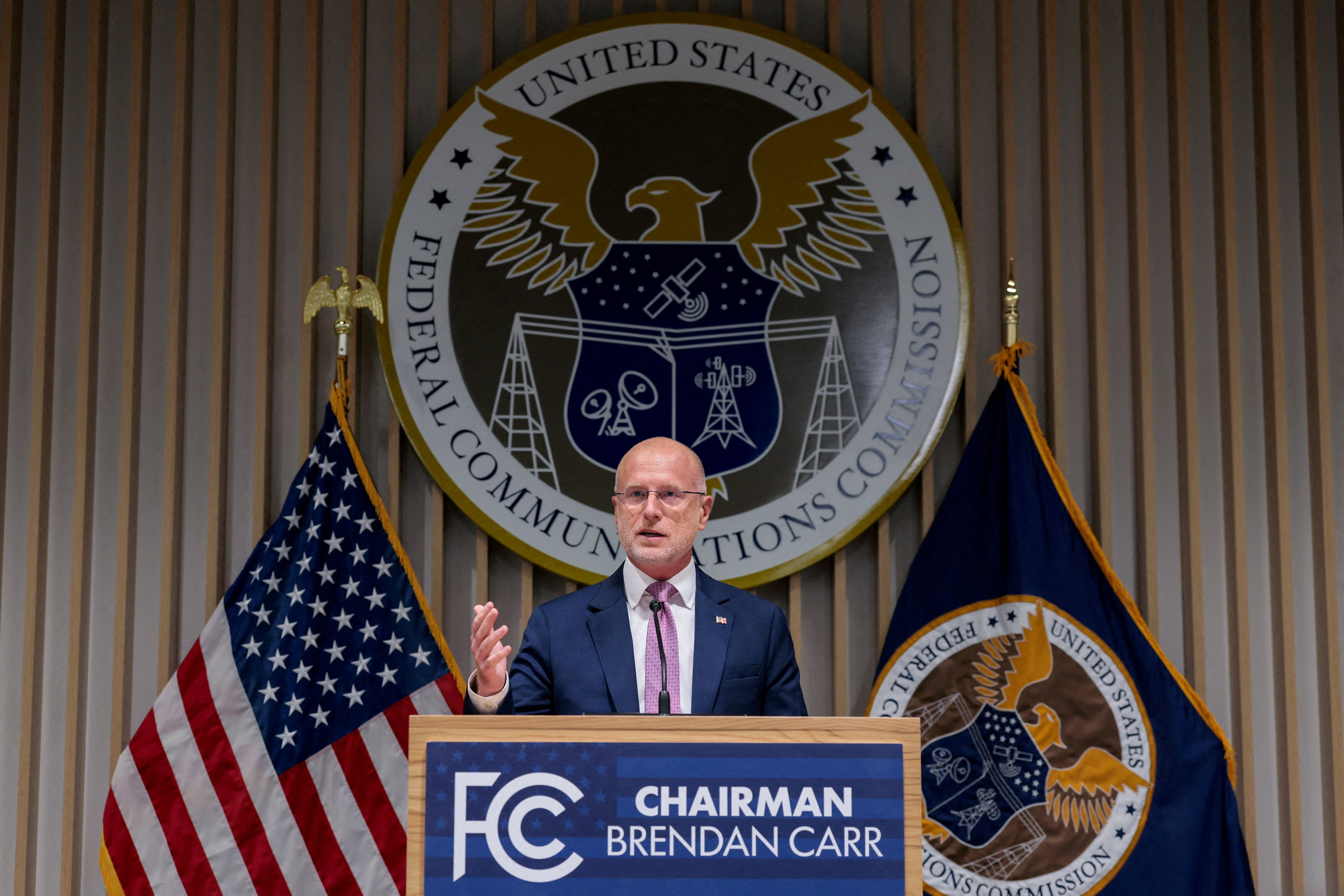
The animosity between the administration’s regulatory appointees and ABC’s premier late-night franchise crystallized in late 2025. Following inflammatory remarks made by Kimmel regarding the killing of conservative activist Charlie Kirk, political pressure mounted rapidly. FCC Chairman Brendan Carr—a vocal appointee of the Trump administration—stepped into the fray, issuing thinly veiled warnings to ABC and its network of local affiliates. Carr warned network executives that they could handle the regulatory fallout "the easy way or the hard way," pointing directly to the immense leverage the agency holds over broadcast license renewals.
Shortly after Carr’s public admonition, ABC leadership elected to pull Jimmy Kimmel Live! from the airwaves, initiating a brief but disruptive suspension. When Kimmel returned to the air a week later, his tone was uncharacteristically subdued. Choking back tears, the host expressed profound regret, stating publicly that it had never been his intention to make light of the murder of a young man.
The Melania Trump "Widow" Joke and Subsequent Threats
The uneasy truce did not hold. In April of the following year, Kimmel drew the direct ire of Donald Trump after delivering a monologue joke in which he remarked that First Lady Melania Trump possessed "a glow like an expectant widow."
Days after the broadcast, the tensions manifested in real-world danger when a gunman attempted to storm the ballroom of The Washington Hilton during the annual White House Correspondents’ Dinner—an event attended by Trump, Melania, administration officials, and members of the national press corps.
Seizing on the timing, Trump took to Truth Social to excry the comedian, writing: "I appreciate that so many people are incensed by Kimmel’s despicable call to violence, and normally would not be responsive to anything that he said, but this is something far beyond the pale." Trump publicly demanded that ABC terminate Kimmel’s contract immediately.
Kimmel fired back on his program shortly thereafter, clarifying that the joke was a satirical jab at the notable age difference between the president and the first lady, categorically rejecting the administration’s characterization that his routine constituted a call to assassination.
The FCC Retaliatory Campaign and First Amendment Lawsuit
Rather than weathering the political storm quietly, ABC and The Walt Disney Company elected an unprecedented legal counter-offensive. The corporate entities filed a landmark First Amendment lawsuit against the federal government, alleging that the FCC—under Carr’s leadership—had weaponized its regulatory authority to launch a targeted, retaliatory campaign designed to chill free speech and punish the network for its editorial programming.
The federal lawsuit explicitly cites Brendan Carr’s public statements and threats regarding Kimmel as prima facie evidence of unconstitutional viewpoint discrimination. In response, lawyers representing the FCC have moved to dismiss the lawsuit, arguing that the agency’s actions fall well within its mandate and do not constitute legal coercion.
Supporting Context & Metrics: The Anatomy of a Late-Night Institution
To fully understand the gravity of Kimmel’s Tuesday night address, one must evaluate the historical metrics and institutional weight of Jimmy Kimmel Live!.
+-------------------------------------------------------------------------+
|                      JIMMY KIMMEL LIVE! BY THE NUMBERS                   |
+-------------------------------------------------------------------------+
|  • Premiere Date:             January 2003 (Following Super Bowl XXXVII)|
|  • Total Broadcasts:          4,000 Episodes (Achieved Sept. 2026)      |
|  • Tenure on Air:             Nearly 24 Years                           |
|  • Current Contract Expiration: May 2027 (Following 1-Year Extension)    |
|  • Network:                   ABC (Owned by The Walt Disney Company)    |
+-------------------------------------------------------------------------+
Since its inception in January 2003, following Super Bowl XXXVII, the program has evolved from an underdog late-night entry into an enduring cultural institution. Surviving multiple shifts in the late-night ecosystem—including the retirement or departure of generational titans like David Letterman, Jay Leno, and Conan O’Brien—Kimmel carved out a distinct voice by blending populist comedy with emotional, community-focused viral segments and, increasingly, sharp political commentary.
Reaching the 4,000-episode threshold places Kimmel in an elite tier of television history. However, that longevity has also made the show a high-profile target. Because broadcast networks rely on FCC-issued licenses to operate local television stations across the United States, they are uniquely vulnerable to regulatory pressure in a way that cable networks and streaming platforms are not. The weaponization of license renewal processes against a broadcast network over editorial content represents a legal frontier that could permanently reshape American media regulations.
Official Statements and Industry Reactions
The fallout from Tuesday’s monologue and the preceding reporting has generated a flurry of official statements from media outlets, network representatives, and government bodies.
-
Jimmy Kimmel (During Tuesday’s Monologue):
"This is a big show for us; not only is this my first show back, this is our 4,000th show… According to the White House, it’s too many shows. There were those who said we would never last this long. There are even those who used the regulatory might of the FCC to unconstitutionally try to make sure we didn’t last this long. But we did. We did it the hard way, Brendan. And we are still here."
-
ABC Spokesperson (Addressing Contract Speculation):
"This information is inaccurate — any reports about the future of the show at this point are purely speculative." The network confirmed that Kimmel remains locked into his current deal through May 2027.
-
Donald Trump (Via Truth Social, April 2026):
"I appreciate that so many people are incensed by Kimmel’s despicable call to violence, and normally would not be responsive to anything that he said, but, this is something far beyond the pale."
-
The Federal Communications Commission:
The Independent reached out to the FCC for official comment regarding Kimmel’s statements and the ongoing First Amendment litigation. The agency has consistently maintained in court filings that its oversight activities comply with federal statutes and has formally asked the presiding judge to dismiss Disney and ABC’s lawsuit.
Future Outlook: The Horizon for Late-Night and Regulatory Battles
As Jimmy Kimmel Live! pushes forward into its current production schedule, the road ahead remains fraught with structural and legal uncertainties.
Rumors published by Page Six suggesting that Kimmel’s upcoming season would serve as his formal swan song after twenty-four years on the air were swiftly batted down by ABC representatives. Yet, television industry analysts note that the mere existence of such reports highlights the immense pressure under which network brass are operating. Balancing corporate partnerships, advertiser sensitivities, and hostile federal regulators requires a delicate, high-wire act that few corporate executives relish.
The ultimate resolution of ABC’s First Amendment lawsuit against the FCC will likely set a watershed legal precedent. If the courts rule in favor of Disney and ABC, it will establish a robust constitutional shield protecting broadcast networks from executive branch retaliation and regulatory coercion. Conversely, a dismissal or a ruling favoring the FCC could embolden future administrations to utilize regulatory agencies as de facto censors of broadcast media.
For now, Jimmy Kimmel remains on the air, standing behind his desk, and signaling that neither executive threats nor regulatory intimidation will silence his microphone. As he told his studio audience on Tuesday night, they achieved this milestone the hard way—and after 4,000 shows, they are refusing to back down.