"Music is the only thing that will give and give and give and not take."
— Amy Winehouse
Executive Overview
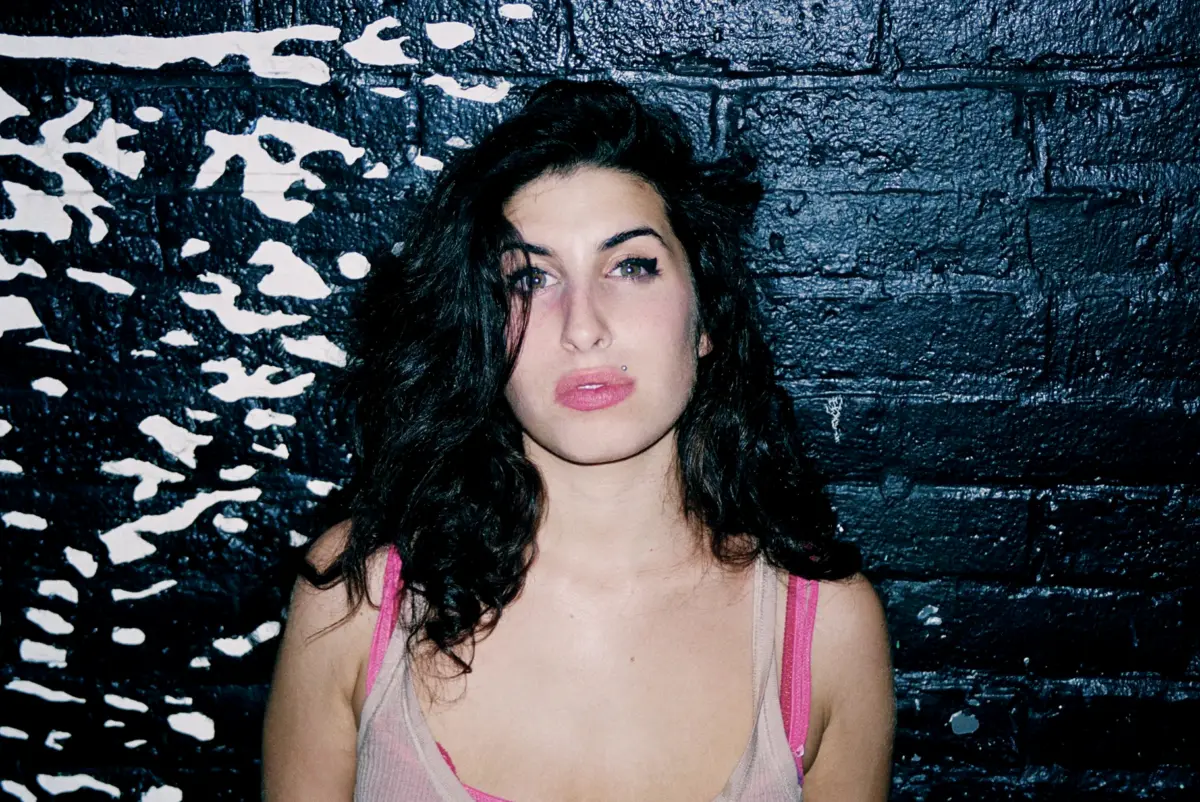
Fifteen years after her tragic passing on July 23, 2011, the cultural footprint of Amy Winehouse remains as immediate, vital, and sharp as it was when she first stepped behind a microphone. Possessing a voice that was at once intimately conversational, devastatingly honest, jazz-schooled, and fiercely independent, Winehouse fundamentally altered the landscape of modern British soul and mainstream pop.
Though she released only two studio albums during her lifetime—Frank (2003) and Back to Black (2006)—her creative impact vastly outweighs the compact size of her official catalog. Winehouse single-handedly bridged the gap between mid-century jazz phrasing and contemporary urban storytelling, proving that raw, unflinching lyricism could achieve universal resonance. Today, her legacy echoes clearly through a new generation of boundary-pushing artists, including RAYE, Olivia Dean, Billie Eilish, Celeste, and Lola Young. These musicians do not merely imitate her; rather, they inherit her artistic freedom—the license to seamlessly blend classic sonic references with the messy, unfiltered realities of modern life.
Detailed Chronology: The Evolution of an Icon
Formative Years and the Roots of a Legend
Long before she captured the global consciousness, Amy Winehouse’s musical DNA was forged in the smoky, emotive traditions of mid-century American jazz and soul. Introduced to the genre by her father’s expansive record collection, a young Amy grew up immersed in the masterworks of Frank Sinatra, Dinah Washington, and Sarah Vaughan.
This early immersion provided the foundation for an instinctively sophisticated musical palette. Winehouse possessed a rare fluidity, effortlessly navigating and synthesizing soul, jazz, R&B, reggae, ska, and 1960s girl-group pop. Her vocal delivery was rooted heavily in jazz phrasing—she played with time, bending syllables, sliding behind beats, and dropping sudden emotional hooks with the ease of a veteran torch singer.
Frank (2003): The Arrival of a Prodigy
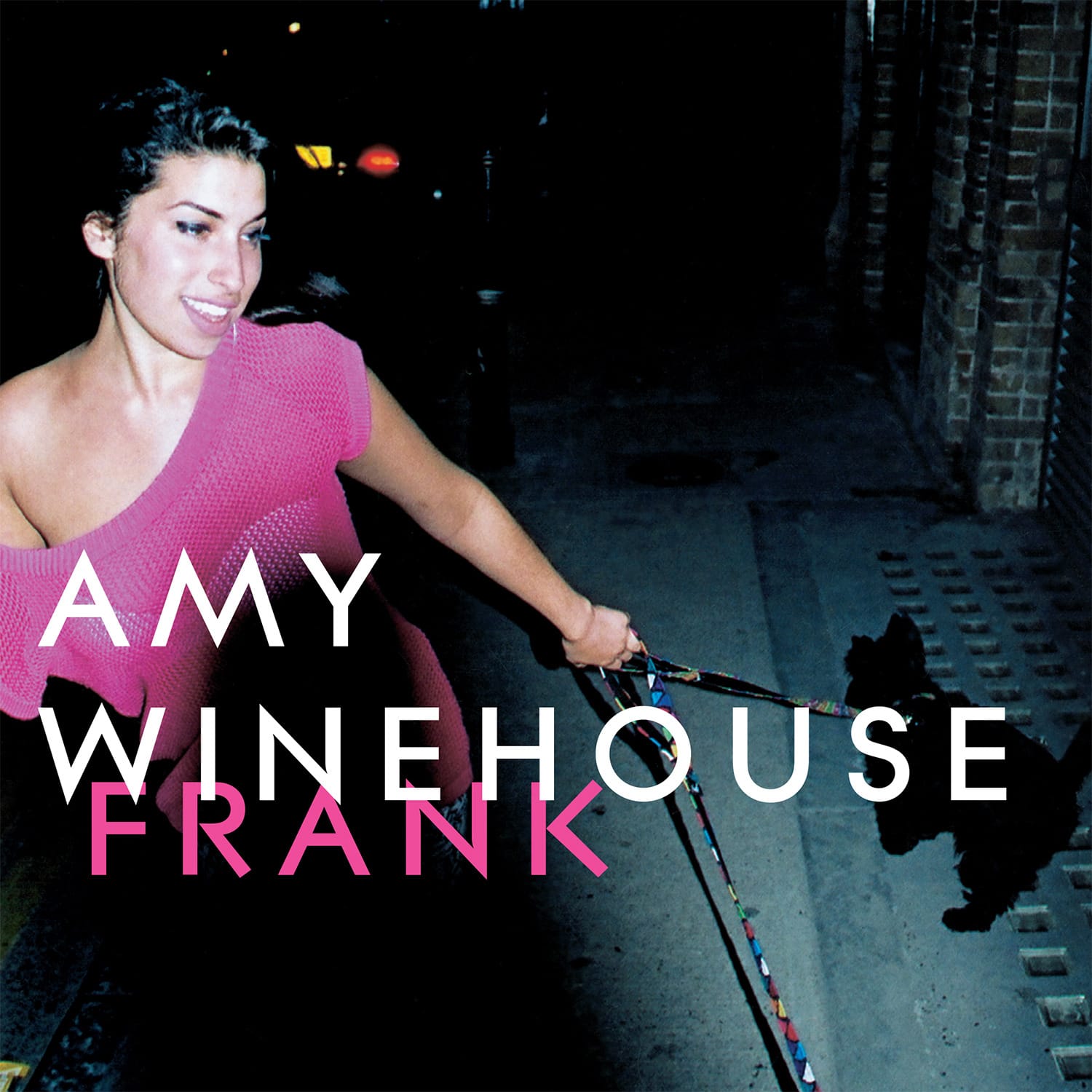
At just nineteen years old, Winehouse signed with Island Records and released her debut album, Frank. The signing itself was the result of a determined industry hunt; Darcus Beese, an executive at Island Records, had caught wind of Amy’s extraordinary voice on a separate promotional recording. Captivated by her distinct timbre, Beese spent months tracking down the enigmatic young singer.
Frank immediately introduced Winehouse as an artist with a fully realized identity. Production powerhouses Salaam Remi, Commissioner Gordon, and Jimmy Hogarth provided a sonic canvas that gave Amy room to roam. Hip-hop-influenced breakbeats rubbed shoulders with upright bass lines, live brass, acoustic guitars, and sophisticated jazz harmonies.
The spirit of the album was perhaps best encapsulated by Winehouse herself, writing in her Sylvia Young Theatre School scholarship application at the age of twelve:
"I want people to hear my voice and just forget their troubles for five minutes."
Frank was an unflinchingly honest, acerbic, and beautiful debut—the opening salvo of an artist who refused to compromise her artistic vision for commercial politeness.
Back to Black (2006): A Monumental Cultural Touchstone
"I don’t need help because if I can’t help myself I can’t be helped."
— Amy Winehouse
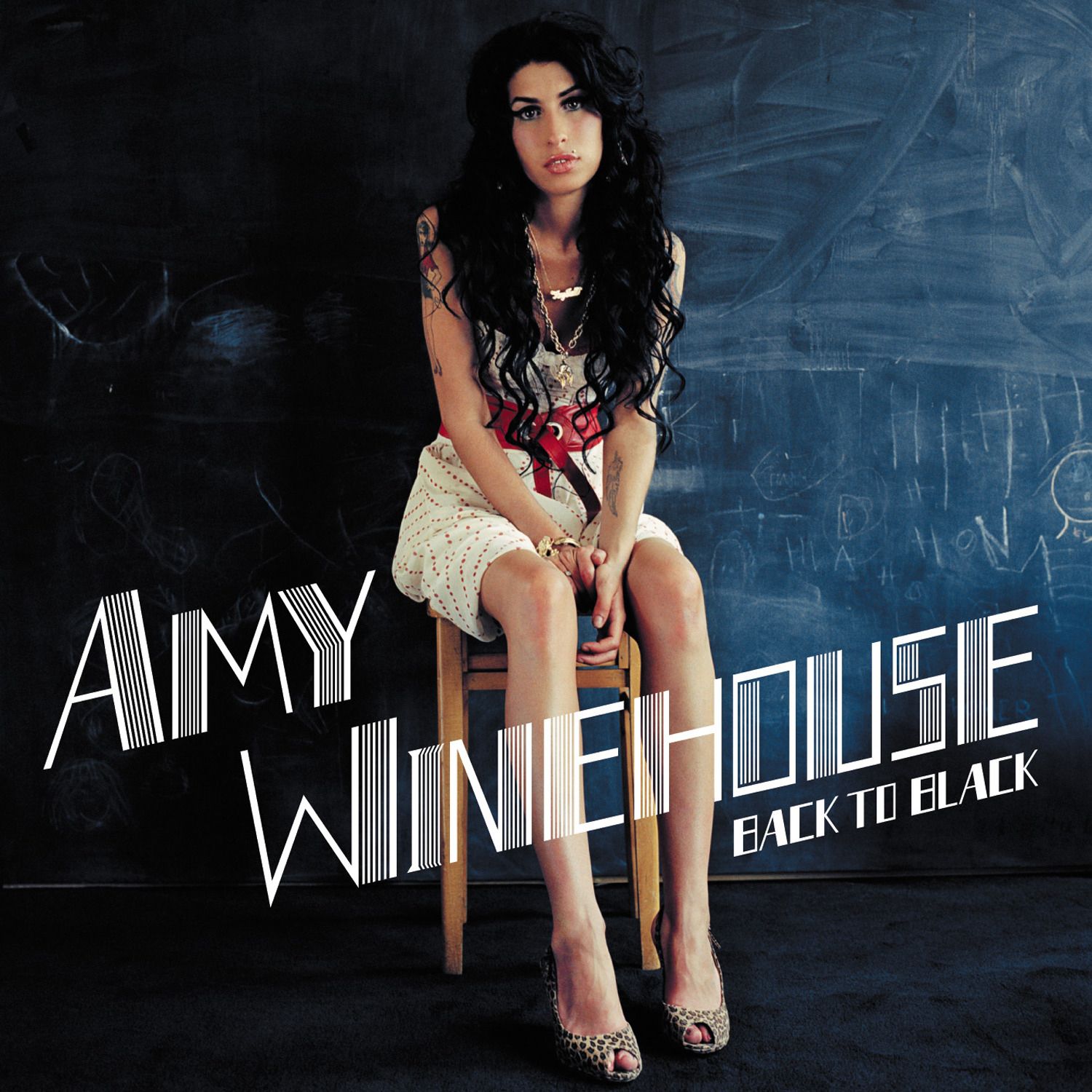
If Frank announced her arrival, Back to Black cemented her immortality. Widely regarded as one of the most era-defining albums of the 21st century, the 2006 masterpiece married retro soul sensibilities with devastating modern vulnerability.
Mark Ronson and The Dap-Kings infused the record with the thunderous punch and sweeping cinematic drama of 1960s Motown and Stax soul. Meanwhile, Salaam Remi maintained the organic warmth and rhythmic looseness that had defined Frank. At the center of these contrasting yet complementary approaches was Winehouse’s voice—conversational and witty one moment, shattering the listener’s heart the next.
The album’s lyricism explored heartbreak, addiction, pride, regret, and self-sabotage with a terrifying degree of self-awareness. Winehouse never sanitized her struggles; instead, she weaponized her pain into immortal art. Her public battles with substance abuse and her famous resistance to traditional intervention heavily informed the dark, bruised beauty of tracks like "Rehab," "You Know I’m No Good," and the title track.
The global response was unprecedented. Back to Black earned Winehouse international acclaim and six Grammy nominations at the 50th Annual Grammy Awards, resulting in five historic wins, including Record of the Year and Song of the Year for "Rehab." Nearly two decades on, Back to Black remains a cornerstone of modern music history—a designated Rough Trade Essential for vital reasons.
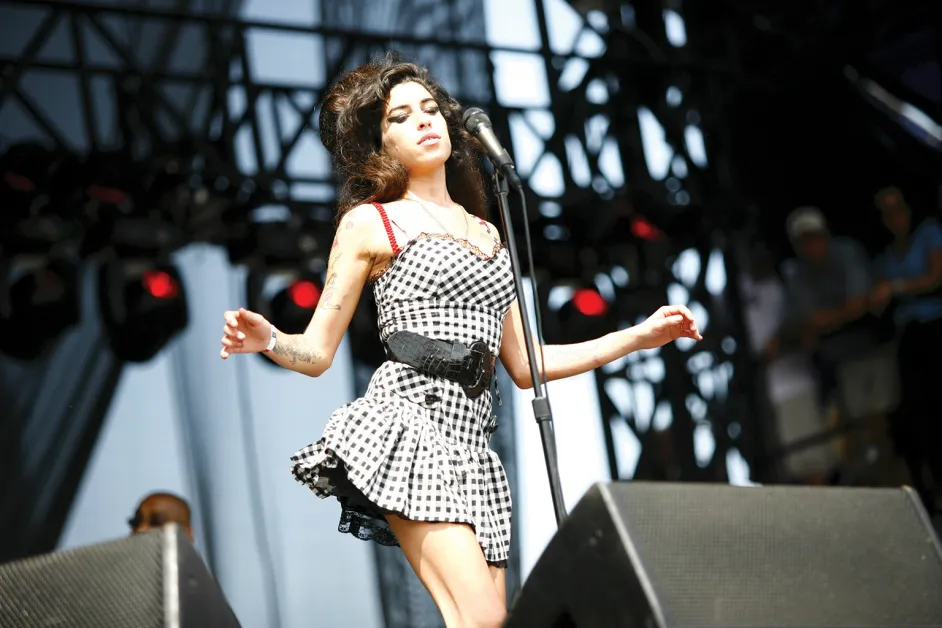
"I live to go on stage. I would be on tour for the rest of my life if I could be."
— Amy Winehouse
Following her devastating passing in July 2011, close collaborators Salaam Remi and Mark Ronson returned to the archives, sifting through the countless demos, outtakes, and alternate versions Winehouse had recorded before, during, and after the eras of Frank and Back to Black. It quickly became clear that these recordings possessed a powerful vitality that demanded to be shared with the world.
Released posthumously via Island Records, Lioness: Hidden Treasures served as a poignant final chapter. The twelve-track collection brought together previously unreleased compositions, alternate acoustic readings of fan favorites, and striking new vocal performances. It stands as a moving testament to a vocal talent that remained peerless right up to her final days in the studio.
Supporting Context & Metrics
The enduring weight of Amy Winehouse’s legacy can be measured not only in critical accolades, but in her ongoing cultural resonance and commercial staying power:
The Grammy Triumph: At the 2008 Grammy Awards, Winehouse tied the record at the time for the most wins by a female artist in a single night, taking home five Grammys out of six nominations.
Album Sales:Back to Black remains one of the best-selling albums of the 21st century in the United Kingdom, certified multi-platinum several times over and shifting millions of units globally.
Cinematic Re-evaluations: Asif Kapadia’s critically acclaimed, Academy Award-winning 2015 documentary Amy peeled back the tabloid frenzy to reveal the gentle, deeply sensitive artist underneath. Subsequently, Sam Taylor-Johnson’s 2024 biographical drama Back to Black introduced her story and music to an entirely new generation of listeners, sparking renewed academic and critical discourse regarding the immense pressures placed on female pop icons in the 2000s.
Modern Generation Lineage: Contemporary chart-topping and critically lauded artists consistently cite Winehouse as a foundational inspiration. Her blueprint allows modern vocalists to combine classic instrumentation and jazz idioms with raw, unfiltered diary-entry lyricism without fear of industry categorization.
Official Statements and Critical Reflections
The process of translating Winehouse’s distinct musical world to the screen and preserving her legacy has involved deep reflection from those who worked closest to her.
In conversations surrounding the creation of cinematic and auditory homages, music supervisors and producers like Giles Martin and Iain Cooke have frequently emphasized the near-impossible task of replicating Winehouse’s vocal authenticity. Unlike manufactured pop stars of her era, Winehouse’s phrasing was inextricably tied to her lived experience; every tremor, breath, and vocal crack carried real emotional weight.
Producers Salaam Remi and Mark Ronson have similarly noted in retrospective interviews that working with Amy was an exercise in capturing lightning in a bottle. Her intuition in the studio was instantaneous—often nailing a vocal take on the very first try, driven by a fierce creative urgency and an innate understanding of jazz timing.
Future Outlook: A Timeless Blueprint
"I don’t ever want to do anything mediocre. I want to be different, definitely. I’m not a one-trick pony. I’m at least a five-trick pony."
— Amy Winehouse
Fifteen years removed from her physical absence, Amy Winehouse’s place in the pantheon of popular music is permanently secured. As successive generations discover the smoky cadence of Frank, the heartbreaking self-reckoning of Back to Black, and the tender finality of Lioness: Hidden Treasures, her voice refuses to age.
In an era of hyper-curated pop perfection, Winehouse’s messy, brilliant, unapologetically human artistry serves as an enduring north star. She showed the world that flaws do not negate greatness—often, they are the very soil from which true genius grows. A one-of-a-kind voice, artist, and soul. Then, now, and always.