Executive Overview
Pop icon, actress, and author Hilary Duff is officially making her triumphant return to the musical landscape, diving headfirst into the whimsical, rhyming universe of Dr. Seuss. Duff has contributed a brand-new, high-energy track titled "CATastrophe" to the star-studded official soundtrack for the upcoming animated feature film adaptation of The Cat in the Hat.
Scheduled to hit theaters worldwide on November 6, the new animated adaptation of the timeless children’s literary classic is already generating immense cultural buzz. Helmed by an exceptional creative team, the cinematic project boasts an original musical score composed by Lorne Balfe, alongside an official theme song written by acclaimed musician and comedian Tim Minchin. The theme song is performed by FITZ and Tim Minchin, with a special feature by comedy legend Bill Hader, setting a high comedic and musical standard for the film.
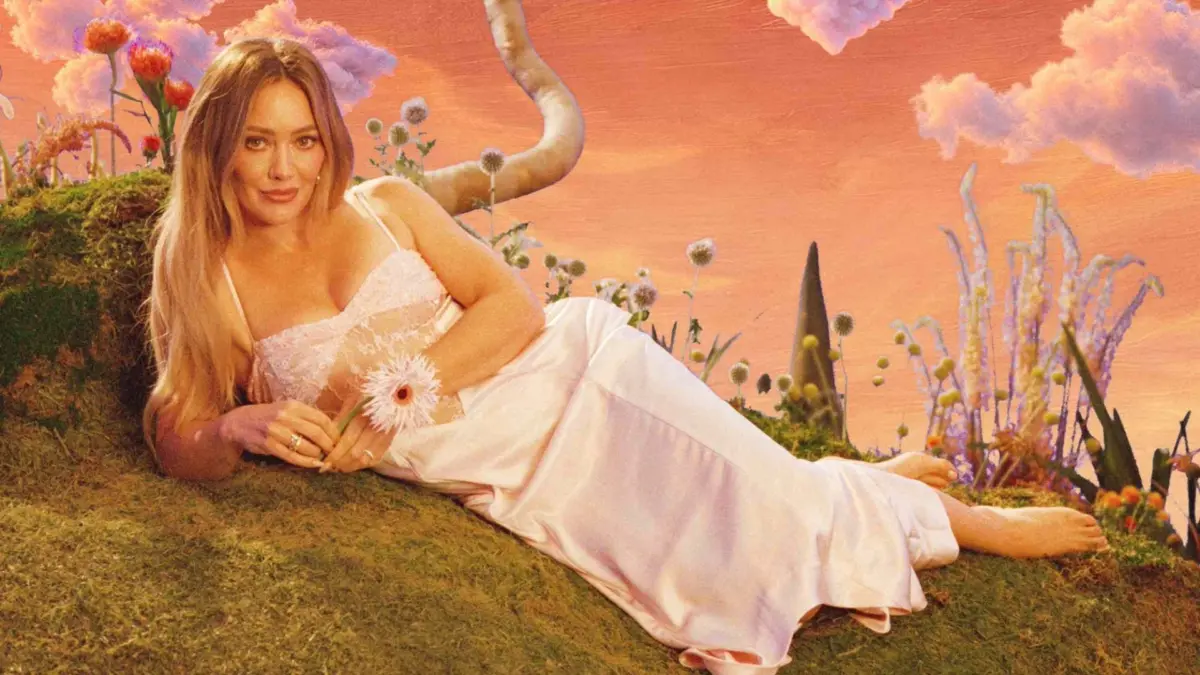
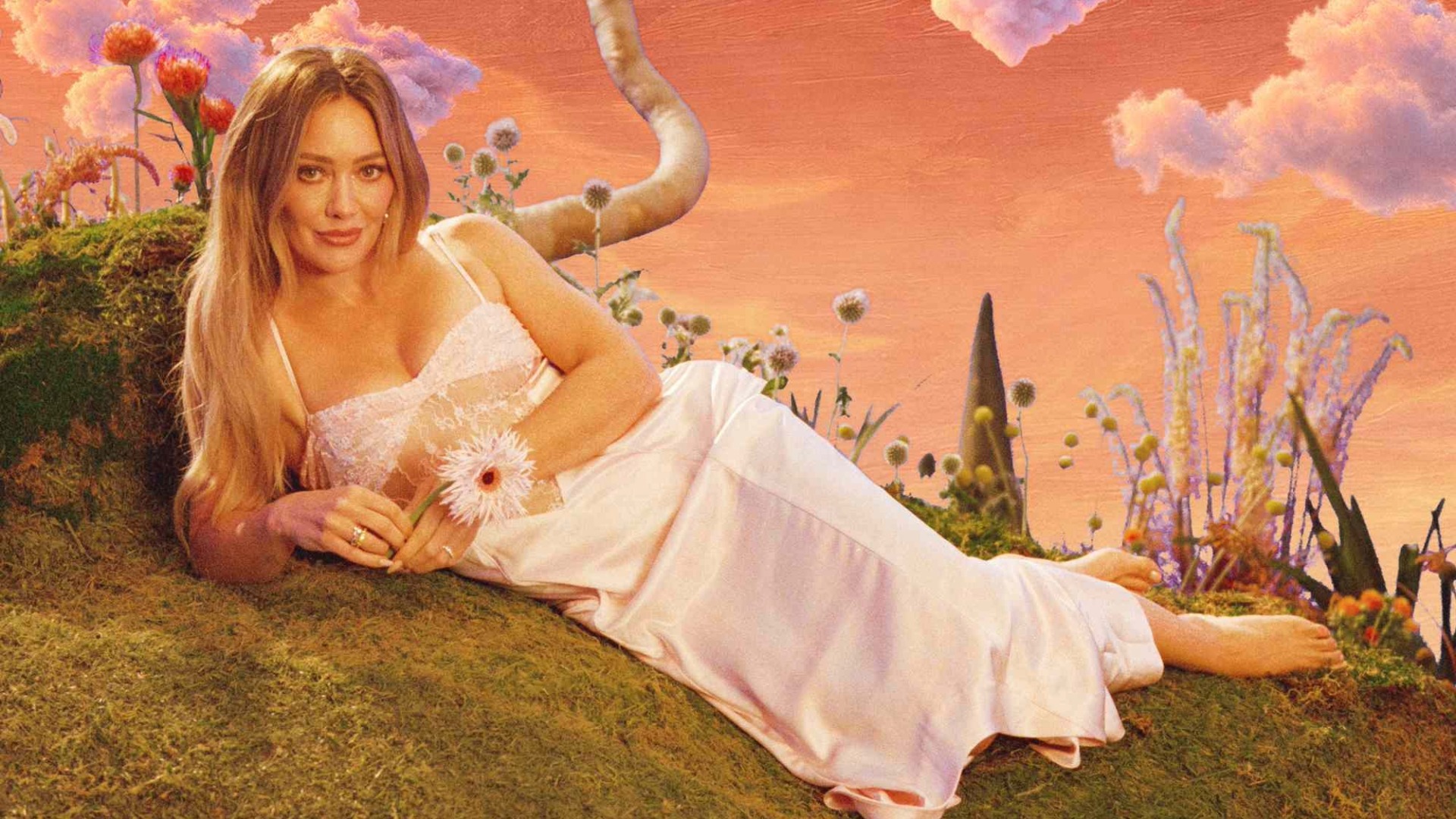
However, it is Duff’s contribution—co-written alongside her husband and frequent musical collaborator Matthew Koma, alongside Madison Love and Brian Phillips—that is currently dominating pop music discussions. Arriving ahead of the film’s theatrical debut, the soundtrack is slated for release on October 30, with "CATastrophe" serving as a standout lead offering. Accompanying the single is a visually arresting, Seussian-inspired music video that finds the Lizzie McGuire alum navigating a series of surreal, animated landscapes that pay direct homage to Theodor Seuss Geisel’s iconic artistic style.
For Duff, the collaboration is deeply personal. Having spent years reading Dr. Seuss classics to her children, jumping at the opportunity to contribute to the film’s sonic world was an instinctive decision. In promotional statements, Duff has detailed how "CATastrophe" tackles the universal, albeit chaotic, childhood emotion of having one’s life uprooted without warning, all while wrapping those genuine sentiments in an infectious, windows-down pop production designed to be blasted at maximum volume.
Detailed Chronology: From Page to Screen and Studio
The journey toward the release of The Cat in the Hat animated feature and its accompanying soundtrack has been a meticulously coordinated multi-year effort by Warner Animation Group and associated production partners. Understanding the timeline of this project highlights the deliberate strategy behind blending nostalgic children’s literature with contemporary pop culture and A-list talent.
The Development of the Animated Adaptation
- Early Development Phases: Hollywood studios have long sought to capture the anarchic magic of Dr. Seuss’s 1957 masterpiece following previous live-action adaptations. The announcement of a fresh, faithful animated feature aimed at modern family audiences set high expectations across the entertainment industry.
- Assembling the Musical Architecture: Long before production wrapped, the film’s producers sought to create a sonic landscape that would appeal simultaneously to children and nostalgic adults. Famed composer Lorne Balfe was tapped to craft the orchestral score, establishing a whimsical yet cinematic foundation.
- Securing the Creative Voices: Tim Minchin was brought on board to pen the film’s core theme song. The resulting track, brought to life through the collaborative performances of FITZ, Minchin himself, and comedic powerhouse Bill Hader, established a tone of playful subversion.
Hilary Duff’s Involvement and the Creation of "CATastrophe"
- The Domestic Inspiration: As a mother of four, Hilary Duff’s household has spent countless hours immersed in the rhythmic, tongue-twisting cadences of Dr. Seuss books. When the casting and soundtrack coordinators approached Duff about contributing an original song, the decision required virtually no deliberation.
- The Songwriting Sessions: Teaming up with her husband, Matthew Koma—an accomplished singer-songwriter and producer known for his sharp pop sensibilities—alongside hitmakers Madison Love and Brian Phillips, Duff entered the studio to distill the emotional core of the film into a three-minute pop anthem.
- Conceptualizing "CATastrophe": The songwriting team focused on the disruptive nature of childhood displacement. Duff aimed to capture the visceral frustration children feel when major life changes are forced upon them without prior consultation, balancing this vulnerability with an undeniably catchy, high-tempo rhythm.
- Visualizing the Seussian World: Following the completion of the track, production began on the music video. Utilizing state-of-the-art visual effects and set design mirroring the fantastical architectural warping of Dr. Seuss’s illustrations, Duff filmed a sequence that visually transposes her into classic Seussian environments.
- Release Scheduling: Warner Bros. and associated music labels mapped out a targeted rollout. The soundtrack album is officially slated for distribution on October 30, giving fans several days to memorize the tracks before the film officially premieres in cinemas on November 6.
Supporting Context & Metrics: The Intersection of Nostalgia and Modern Pop
The release of "CATastrophe" arrives at a fascinating intersection of nostalgic revivalism and modern pop music marketing. To fully understand the strategic weight of Hilary Duff’s involvement, one must examine the metrics of her career longevity, the enduring commercial power of the Dr. Seuss intellectual property, and the modern trend of family-film soundtracks doubling as mainstream pop events.
Hilary Duff’s Musical and Cultural Footprint
Hilary Duff is no stranger to the upper echelons of pop culture. Rising to global prominence in the early 2000s as the titular star of Disney Channel’s Lizzie McGuire, Duff successfully transitioned into a multi-platinum recording artist. Albums such as Metamorphosis (2003) and Most Wanted (2005) shattered commercial expectations, selling millions of copies worldwide and establishing her as a definitive voice of 2000s pop music.
Though her focus in recent years has leaned toward television (most notably starring in and producing the critically acclaimed Hulu series How I Met Your Father and TV Land’s Younger) and raising her children, her return to music is always met with intense fan fervor. "CATastrophe" represents a rare, highly anticipated musical moment from an artist whose catalog remains beloved by millennials who grew up alongside her.
The Dr. Seuss Industrial Complex
Dr. Seuss (Theodor Seuss Geisel) remains one of the most profitable and culturally enduring literary figures in global history. With over 60 books published under his pen name, his works have sold over 600 million copies worldwide and have been translated into dozens of languages.
Adapting his work for the screen carries both immense potential and unique structural challenges. The sparse, rhyming meter of his books requires composers and lyricists to adopt a similarly playful cadence. By enlisting artists like Hilary Duff and Matthew Koma—who understand the mechanics of infectious, radio-friendly pop hooks—the production team ensures that the film’s musical offerings possess standalone commercial viability outside of the movie theater.
Soundtracks as Modern Marketing Engines
In the contemporary entertainment ecosystem, movie soundtracks are no longer passive background elements; they are vital cross-promotional tools designed to capture streaming market share. By releasing "CATastrophe" on October 30—nearly a full week ahead of the film’s November 6 theatrical bow—the studio employs a staggered release strategy. This allows the single to circulate within streaming playlists, TikTok trends, and radio syndication, thereby building a captive audience that will translate into ticket sales on opening weekend.
Official Statements and Creative Insights
The collaborative nature of The Cat in the Hat soundtrack is reflected in the enthusiastic commentary provided by the artists involved. Hilary Duff has been particularly vocal about the personal inspiration behind "CATastrophe," shedding light on how her life as a mother directly influenced the artistic direction of the song.
Hilary Duff on the Genesis of the Track
Reflecting on how the project materialized, Duff emphasized how seamlessly the opportunity fit into her domestic life:
"Dr. Seuss was on repeat in our house for years, so when this came around, I didn’t have to think about it."
Duff went on to elaborate on the conceptual framework of "CATastrophe," revealing that the song serves as an emotional outlet for children who experience sudden disruptions in their environments:
"‘CATastrophe’ is about that feeling when your whole world gets picked up and moved somewhere else and nobody asks you first. I wanted it to be honest about those feelings, and still be something you’d turn all the way up in the car."
This dual-layered approach—acknowledging genuine childhood anxiety while wrapping it in an upbeat, high-energy pop wrapper—demonstrates a sophisticated understanding of family-film songwriting. Rather than talking down to younger listeners, Duff and her co-writers (Matthew Koma, Madison Love, and Brian Phillips) validate complex emotional experiences through accessible art.
Behind the Collaboration with Matthew Koma
The inclusion of Matthew Koma as both a co-writer and producer brings a distinct pedigree to the track. Koma, celebrated for his work with electronic music heavyweights like Zedd (co-writing global smashes such as "Spectrum" and "Clarity") as well as alternative rock acts, brings a sharp ear for dynamic arrangements. His creative partnership with Duff ensures that "CATastrophe" avoids the generic, manufactured feel that often plagues movie tie-in singles, resulting in a cohesive track that fits naturally within contemporary pop radio formats.
Future Outlook: What "CATastrophe" Signals for the Future
As the entertainment industry looks toward the late-fall box office season, the release of The Cat in the Hat and its accompanying soundtrack serves as a barometer for how studios approach family-oriented multimedia projects.
Streaming Domination and Cultural Penetration
With "CATastrophe" available for streaming and accompanied by its striking music video, industry analysts will be watching closely to see how the single performs on platforms like Spotify, Apple Music, and YouTube. Given Duff’s fiercely loyal fanbase and the universal appeal of Dr. Seuss, the track is positioned to achieve strong initial streaming numbers, potentially crossing over into adult contemporary and mainstream pop playlists.
The Potential for Future Musical Endeavors
For fans of Hilary Duff, "CATastrophe" sparks an inevitable conversation: Could this soundtrack contribution be the precursor to a full-length musical comeback? While Duff has maintained a measured approach to her music career in recent years—balancing her demanding family life with television production and acting commitments—her effortless return to the studio proves that her vocal talent and songwriting instincts remain entirely intact. If "CATastrophe" resonates as strongly with the public as early projections suggest, it may well serve as the catalyst for further musical explorations from the pop veteran.
The Theatrical Legacy of The Cat in the Hat
Ultimately, the success of the film on November 6 will rely on its ability to honor Dr. Seuss’s imaginative legacy while offering fresh entertainment for a new generation. By anchoring the film’s promotional campaign with polished, high-profile musical offerings from creators like Lorne Balfe, Tim Minchin, and Hilary Duff, Warner Bros. has ensured that the film will occupy a prominent space in the cultural conversation long after the house lights come up.