Few figures in modern electronic music command the mythic, almost supernatural status of Richard D. James, universally known by his primary moniker, Aphex Twin. Emerging from the frantic, sweat-soaked UK rave underground of the early 1990s, the Irish-born, Cornwall-raised producer fundamentally rewired the possibilities of sound. His discography is a masterclass in duality—a continuous, restless oscillation between pristine, transcendent beauty and abrasive, mechanized chaos.
To trace the evolution of Aphex Twin is to chart the trajectory of electronic music itself: from the formative pulse of early intelligent dance music (IDM) and ambient soundscapes to the frantic, hyper-syncopated convolutions of drill-and-bass. Yet, James’s cultural imprint extends far beyond the audio spectrum. Supported by iconic visual iconography—such as Paul Nicholson’s alien-like "Aphex A" logo and Chris Cunningham’s deeply unsettling, body-horror music videos—James engineered a persona that is part avant-garde genius, part elusive internet-age trickster.
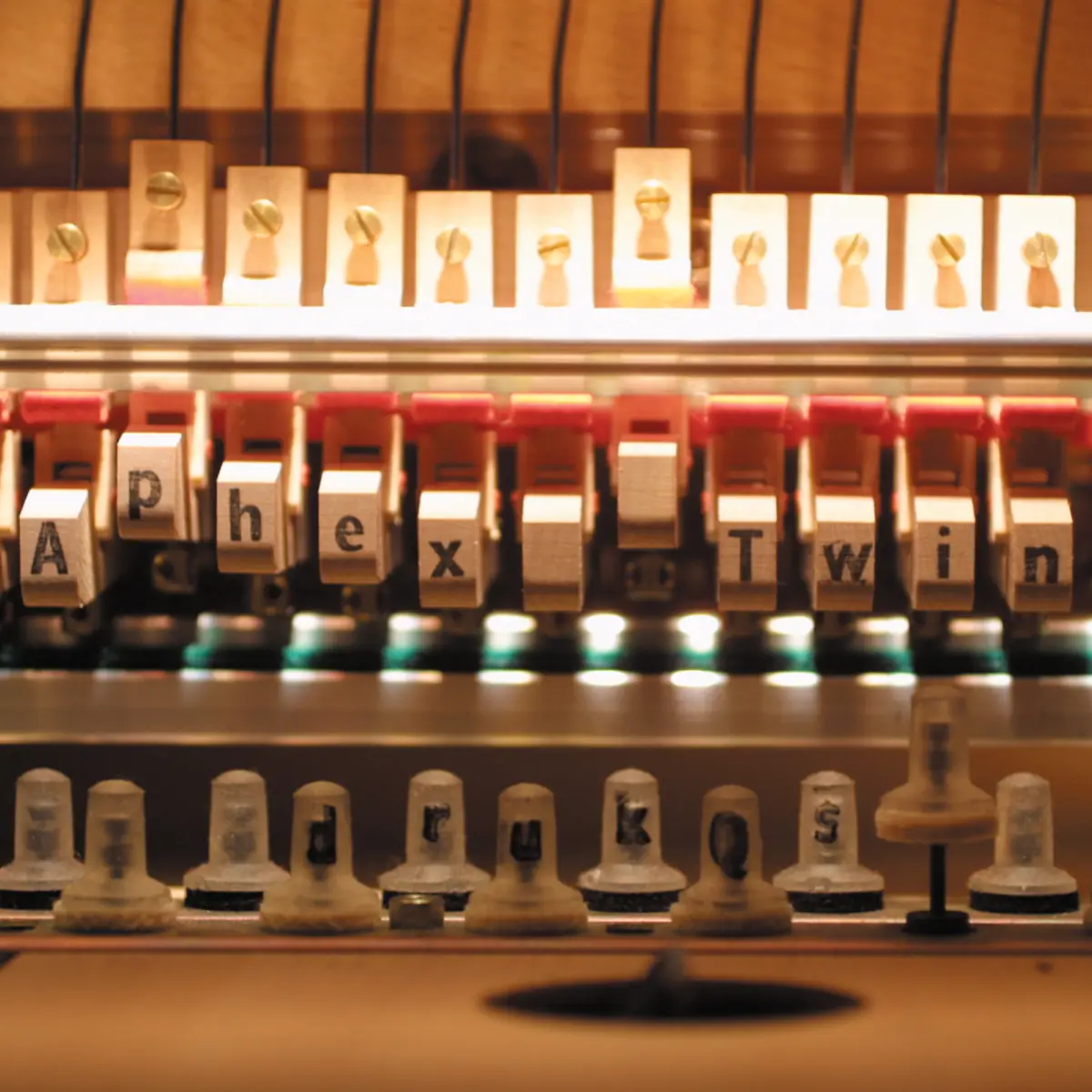
As releases like the landmark 2001 double-album Drukqs experience massive cultural renaissances via TikTok virality and streaming algorithms—propelling Aphex Twin past mainstream titans like Taylor Swift in monthly YouTube Music listeners—his legacy remains remarkably potent. This comprehensive retrospective navigates the core albums of James’s discography, evaluating how a singular British producer transformed from a Cornish rave kid into an enduring, untouchable cultural enigma.
Detailed Chronology: Ranking the Aphex Twin Discography
Because James’s career is defined by radical reinvention, any attempt to rank his albums is inherently subjective. What serves as a utopian ambient dreamscape for one listener might represent an impenetrable wall of sound for another. Nevertheless, examining these foundational LPs reveals the architecture of a genius.
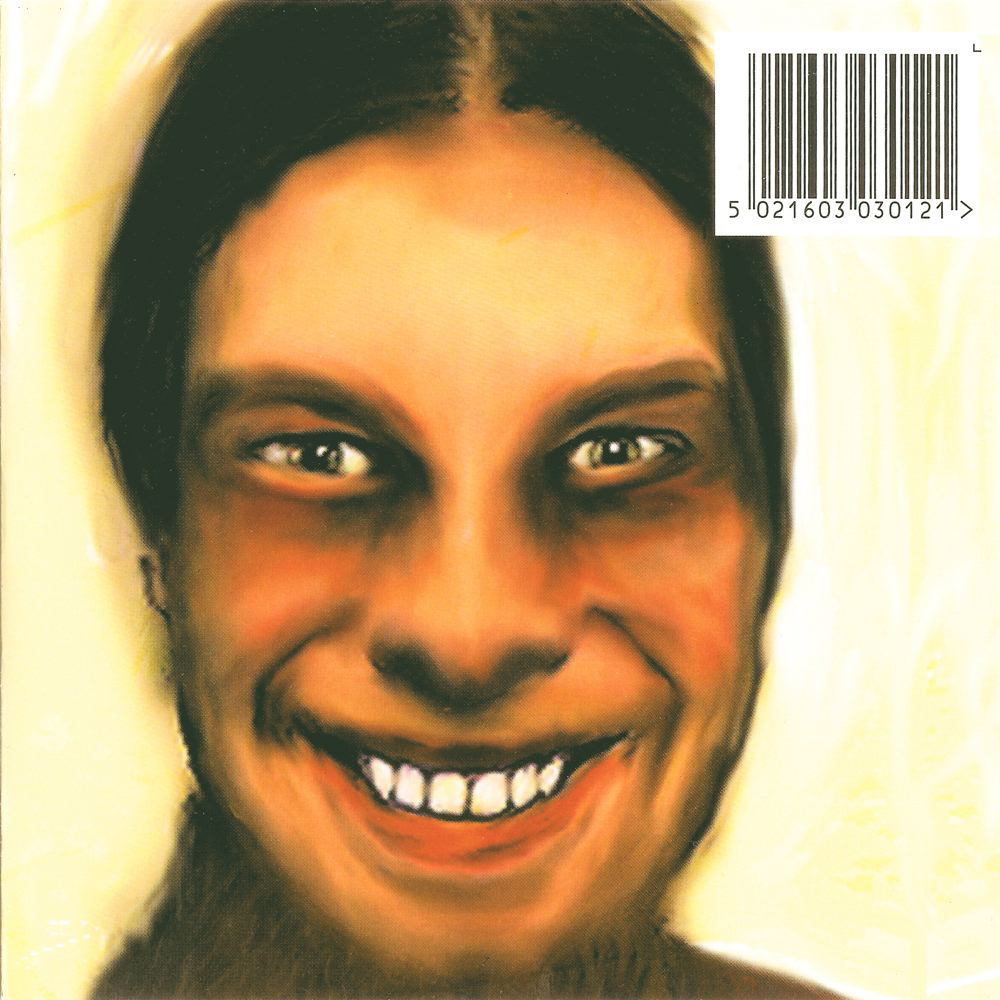
6. …I Care Because You Do (1995)
Following the vast, meditative expanses of Selected Ambient Works Volume II, James pulled an abrupt stylistic about-face in 1995. …I Care Because You Do functions as a collage of contrasting concepts, pairing intricate, distortion-heavy rhythms with warm, enveloping synthesizer pads.
The record is laced with James’s trademark cryptic humor and in-jokes. Titles like Acrid Avid Jam Shred feature an anagram of his own name, while Ventolin—named after an asthma medication—serves up one of the most breathless, punishingly abrasive tracks in his catalog. Conversely, cuts like Alberto Balsalm (named after a popular brand of shampoo) and Mookid offer moments of unexpected accessibility.
Reflecting on the album’s creation in a 1995 interview with Paper Magazine, James noted that the rhythmic shift was a conscious counterpoint to his previous ambient work:
"The tracks I chose were part of a conscious effort to be more conventionally accessible, featuring rhythm of some kind. I don’t really care, but I thought since the last one wasn’t [rhythmic], I’d make this one so it was."
Best Track:Cow Cud Is A Twin / Alberto Balsalm
5. Selected Ambient Works Volume II (1994)
Hailed as a sacred text of minimalist electronic music, Selected Ambient Works Volume II is a sprawling, two-and-a-half-hour sonic voyage inspired by James’s lucid dreams and lifelong synesthesia. Devoid of traditional track titles—represented instead by intricate pie-chart symbols and fan-given monikers like the pastoral fan-favorite “Rhubarb” (#3)—the double album is an exercise in pure atmosphere.
Its low placement on this retrospective is perhaps its most controversial aspect. It is less a traditional listening experience and more an immersive psychological landscape. One moment envelops the listener in fragile, melancholic warmth; the next plunges them into frigid, desolate soundscapes like #4 or #24. While demanding considerable patience and a meditative headspace, it remains an undisputed masterclass in spatial sound design.
Best Track:#3 (Rhubarb)
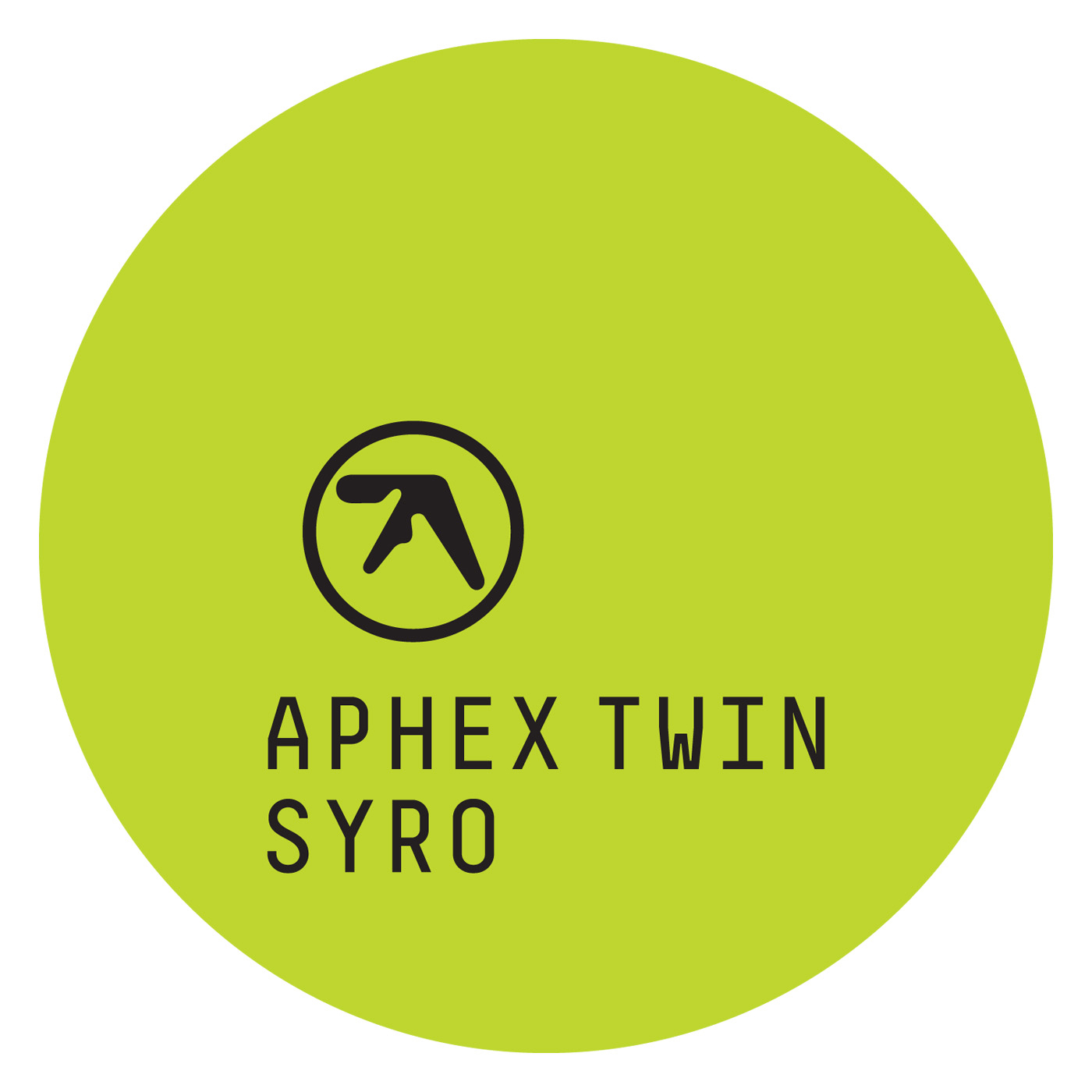
4. Syro (2014)
Marking James’s first full-length studio album in a staggering thirteen years following 2001’s Drukqs, Syro arrived in 2014 to immense critical acclaim. While some purists initially argued that the album lacked the volatile eccentricities of his 90s output, Syro stands as one of his most deeply satisfying, groove-laden offerings.
Constructed across multiple studios over several years, the album exhibits a surprising sonic cohesion while inviting listeners into James’s domestic sphere. It features the actual voices of his children, his wife, and his parents, alongside James’s own vocoded vocals on the mesmerizing breakbeat opener minipops 67 [120.2]. The album closes with aisatana, a devastatingly tender piano piece dedicated to his wife (Anastasia spelled backward).
Speaking to Pitchfork around the album’s release, James reflected fondly on the pre-internet ethos of early rave culture that informed his rhythmic approach:
"I used to love jungle. I still think it’s the ultimate genre, really, because the people making it weren’t musicians… There was only a couple of years where people didn’t know what they were doing, and you got all these samples that are just totally not related in pitch. I really hunt down those records."
Best Track:minipops 67 [120.2]
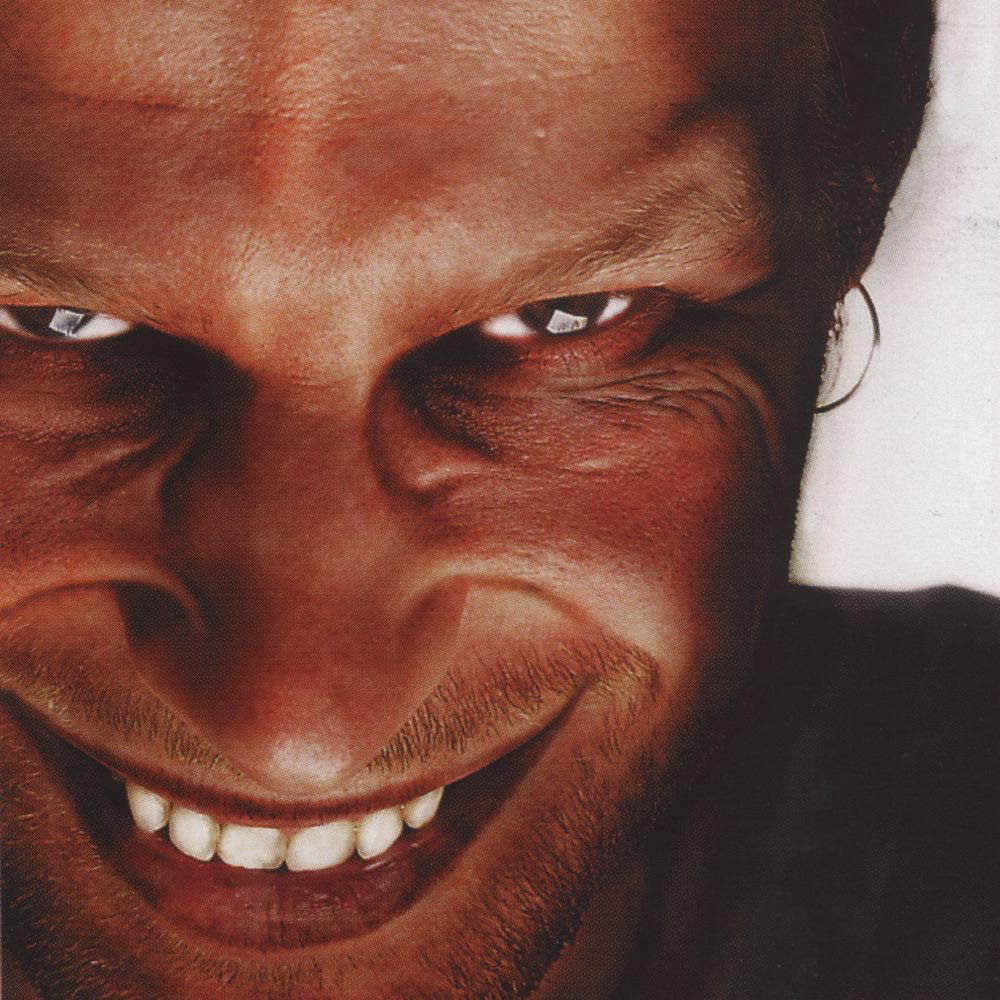
3. Richard D. James Album (1996)
Clocking in at a concise 32 minutes across 10 tracks, the Richard D. James Album wastes no time. Propelled by hyper-fast, syncopated breakbeats, the record became a foundational blueprint for "drill-and-bass"—a subgenre characterized by frantic, highly complex, and chaotic percussive programming.
James had previously toyed with these concepts on his Hangable Auto Bulb EP under the AFX alias, but here the execution reaches razor-sharp precision. The genius of the album lies in its jarring juxtapositions: hyper-detailed, high-speed drum patterns collide with fragile, pastoral string arrangements, best exemplified on the bittersweet Girl/Boy Song. It is peak Aphex Twin—unsettling, brilliant, and utterly idiosyncratic.
Best Track:Peek82454201
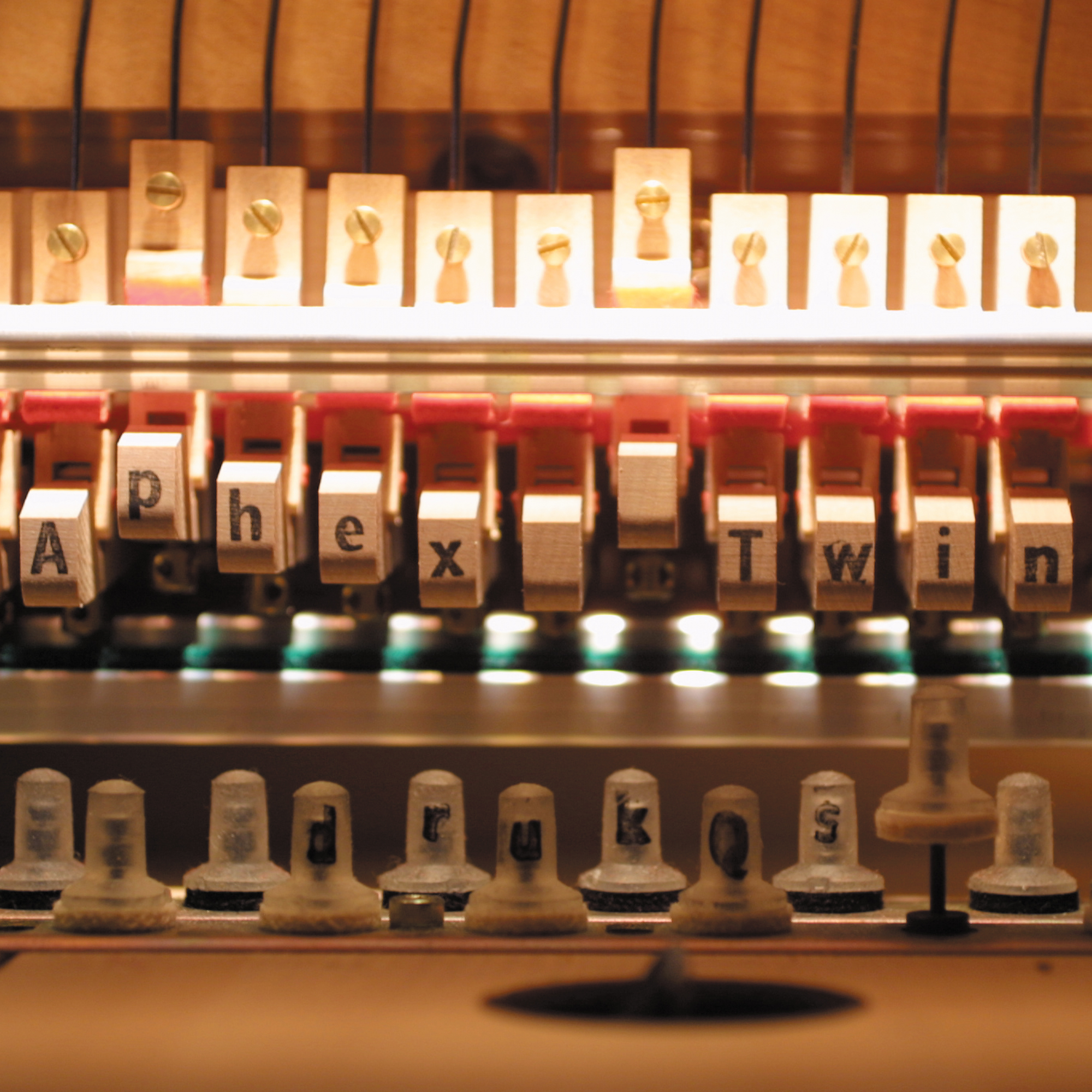
2. Drukqs (2001)
Epic in scope and maximalist in execution, 2001’s Drukqs is a monumental 30-track, 100-minute odyssey that showcases every conceivable facet of the Aphex Twin sound. The whiplash between extremes is breathtaking: the record houses both the mutating, acid-laced drum-and-bass assault of Vordhosbn and the delicate, Erik Satie-esque minimalist piano miniature Avril 14th.
When it was first released, Drukqs polarized critics. Pitchfork, for instance, famously dismissed its classical piano excursions as "languid noodlings" and derivative of 1980s new-age aesthetics. History, however, has delivered a glowing vindication. In the streaming era, tracks like Avril 14th and QKThr have experienced unprecedented cultural longevity, soundtracking viral TikTok trends, looping edits, and internet-meme culture. Far from a misstep, Drukqs stands as an unbridled triumph of artistic breadth.
Best Track:Vordhosbn / Avril 14th
1. Selected Ambient Works 85-92 (1992)
To understand the heartbeat of electronic music, one must return to the beginning. Selected Ambient Works 85-92 (SAW I) is the definitive Aphex Twin album, capturing the expansive, gorgeous ambient textures that underpin his most enduring work.
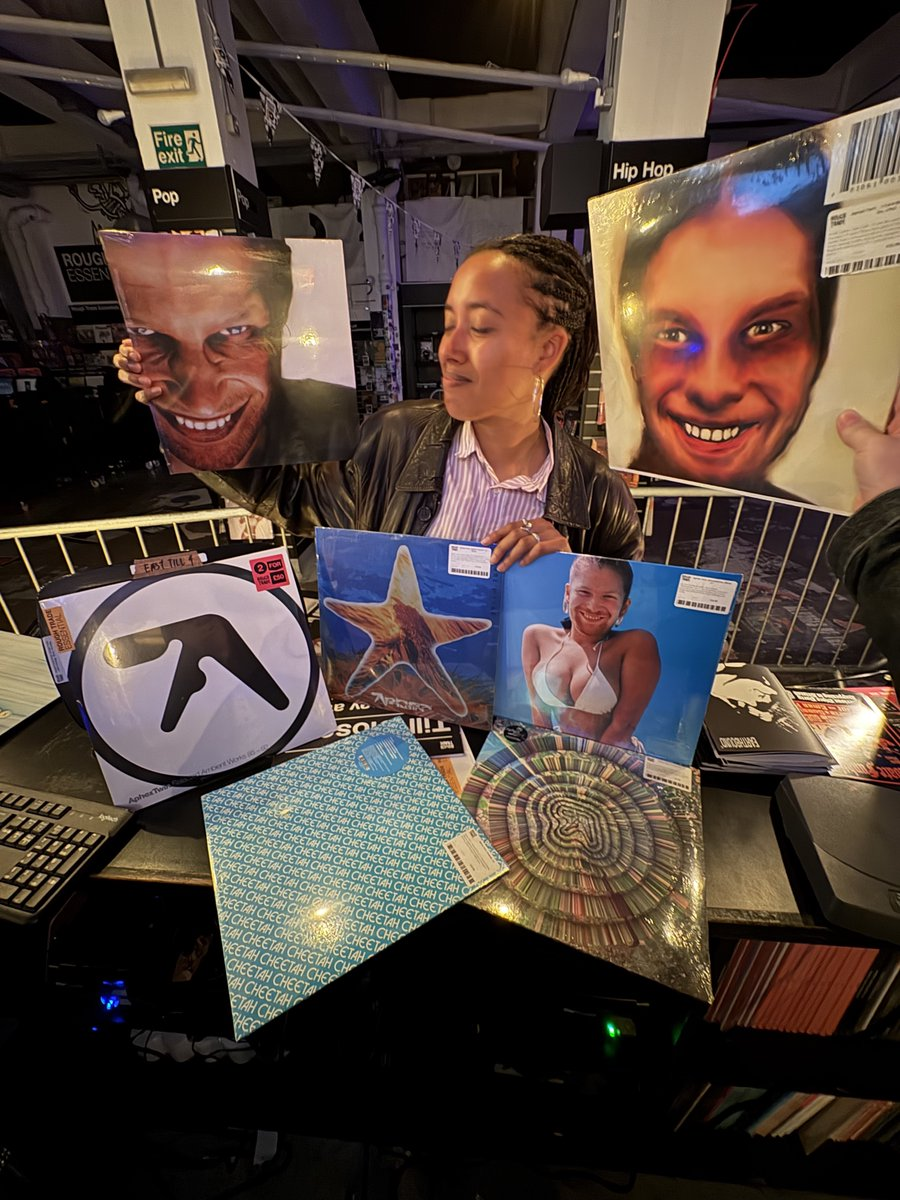
Compiled from tracks recorded over several formative years, the album balances ethereal, melancholic masterworks like Xtal, Tha, and Pulsewidth with the writhing, squelchy acid-house paranoia of Green Calx. Beyond its monumental sonic footprint, this release permanently cemented the ubiquitous visual identity of the project, proudly displaying Paul Nicholson’s alien-esque ‘Aphex A’ logo for the very first time.
Best Track:Pulsewidth
Supporting Context & Metrics: The Algorithmic Resurgence
The enduring relevance of Richard D. James in the mid-2020s offers a fascinating case study in how legacy electronic music intersects with modern platform economics. As Drukqs marks its landmark 25th anniversary, streaming data reveals a profound generational handoff.
Thanks to the democratization of music discovery via short-form video algorithms on TikTok and YouTube Shorts, atmospheric tracks like QKThr and Avril 14th have been introduced to millions of Gen Z listeners who were entirely unacquainted with the 1990s rave explosion. This digital-age rediscovery has generated staggering metrics: Aphex Twin famously surpassed pop superstar Taylor Swift in monthly YouTube Music listeners during peak viral trends—proof that genuine sonic innovation transcends generational divides.
Furthermore, James’s legendary penchant for trolling and avant-garde marketing—such as dropping microphones into spinning blenders during live sets or circulating fabricated press interviews—has found a natural spiritual home in contemporary internet meme culture. The artist who once frightened late-night MTV viewers with the body-horror landscapes of Come to Daddy and Windowlicker is now celebrated as a peerless digital-age iconoclast.
Official Statements & Archival Insights
Throughout a career spanning over three decades, James has remained notoriously elusive, granting rare interviews that offer glimpses into a fiercely independent creative philosophy. Rejecting corporate gloss and mainstream pop machinery, James has consistently prioritized technical experimentation over commercial validation.
Discussing his aversion to pretension—such as the industry-coined term "Intelligent Dance Music" (IDM), which he has frequently derided—James emphasized that his work is rooted in raw emotional response and sonic exploration rather than academic categorization. His collaborations with visionary directors like Chris Cunningham (Windowlicker, Come to Daddy) cemented an official corporate partnership with Warp Records that valued visual subversion just as much as audio frequency manipulation.
In a statement reflecting on his creative process around the release of Syro, James noted:
"I don’t really care about formulas… I just love sound, and I love the machines that make it. If you spend enough time pushing them past their intended limits, they start telling you stories you didn’t know were there."
Future Outlook: The Continuing Enigma
As we look toward the horizon of electronic music, the blueprint laid down by Richard D. James remains entirely uncopyable. Whether releasing fresh, forward-thinking material like 2023’s Blackbox Life Recorder 21f / In a Room7 F760 or continuing to influence successive generations of bedroom producers, Aphex Twin operates outside the traditional lifecycles of modern pop stardom.
The cultural footprint of the "grand wizard of electronic music" will only deepen as archival recordings are revisited and younger audiences decode the hidden layers of his expansive discography. From the austere ambient pads of Cornwall to the high-speed drill-and-bass of future dancefloors, Aphex Twin stands not merely as an artist of his time, but as an enduring, timeless sonic architect whose mythology will echo for generations to come.