In the summer of 1970, the British progressive rock band Genesis stood on the precipice of total dissolution. The sudden departure of co-founding guitarist Anthony "Ant" Phillips—a primary songwriter and the band’s musical compass—shattered the confidence of the young group following a show at Sussex Hall in Haywards Heath. Having recently recorded their sophomore album Trespass for Charisma Records, remaining members Peter Gabriel, Tony Banks, and Mike Rutherford were left to decide whether to abandon their musical ambitions or attempt an overhaul of their lineup.
What followed was one of the most critical structural reconstitutions in modern rock history. Supported by tour manager Richard Macphail, the surviving trio opted to press forward, simultaneously parting ways with drummer John Mayhew to completely rebuild their rhythm and lead sections. Through a series of auditions, fortuitous music weekly advertisements, and temporary live configurations, Genesis recruited two musicians who would radically alter their trajectory: drummer Phil Collins and guitarist Steve Hackett.
This deep dive examines the pivotal eight-month transition between July 1970 and early 1971. It details how Genesis navigated live obligations as a four-piece, experimented with transient guitarists Ronnie Caryl and Mick Barnard, and ultimately forged the classic quintet lineup that birthed their 1971 masterpiece, Nursery Cryme, cementing their place in progressive rock history.
Detailed Chronology: The Eight-Month Transition (July 1970 – March 1971)
[July 18, 1970] Anthony Phillips performs his final show at Haywards Heath; departs band.
       │
       ▼
[August 1970] Auditions held at Gabriel's parents' farm in Chobham; Phil Collins hired as drummer.
       │
       ▼
[October 2, 1970] First live show with Collins as a four-piece at Medway Technical College.
       │
       ▼
[Late Oct 1970 – Jan 1971] Mick Barnard drafted as temporary live guitarist following brief guest spot by Ronnie Caryl.
       │
       ▼
[December 12, 1970] Steve Hackett places famous "Imaginative guitarist-writer" ad in Melody Maker.
       │
       ▼
[December 28, 1970] Hackett watches Genesis perform at the Lyceum in London.
       │
       ▼
[January 1971] Hackett auditions in Pimlico, joins Genesis; Barnard departs.
       │
       ▼
[Late 1971] Genesis releases "Nursery Cryme", debuting the classic Mark II quintet lineup.
The Haywards Heath Fracture & The Exit of Anthony Phillips (July 1970)
On July 18, 1970, Genesis played a gig at the Sussex Hall (now known as Clair Hall) in Haywards Heath, Sussex. Unbeknownst to the audience, it would be the final appearance of founding guitarist Anthony Phillips. Severe stage fright, compounded by the lingering physical exhaustion of glandular fever, had rendered Phillips unable to continue with the rigorous demands of touring.
Phillips’ departure was a devastating blow. He was not merely the lead guitarist; he was the primary arranger and the key champion of the band’s signature twelve-string acoustic sound. Though Trespass had been recorded in June 1970, Charisma Records was not scheduled to release it until October. The remaining band members felt adrift, questioning whether Genesis could exist without Phillips’ creative spark.
The Chobham Auditions and Phil Collins’ Arrival (August 1970)
Encouraged by tour manager Richard Macphail to keep going, Gabriel, Banks, and Rutherford decided to use the crisis to address another underlying weakness: the drum stool. John Mayhew, the band’s third drummer, lacked the technical agility required for the increasingly complex, asymmetrical time signatures the group was composing. Mayhew was let go, and Genesis placed an advertisement in Melody Maker seeking both a drummer and a guitarist.
In August 1970, auditions took place at the home of Peter Gabriel’s parents in Chobham, Surrey. A nineteen-year-old former child actor and ex-Flaming Youth drummer named Phil Collins answered the call, bringing along his guitarist friend Ronnie Caryl.
Arriving early, Collins took advantage of the warm summer weather by swimming in the Gabriel family pool. While floating in the water, Collins attentively listened to the other drumming candidates auditioning inside. By the time he sat behind the kit, he had memorized the complex arrangements of songs like "Stagnation" and "The Knife." His fluid jazz-influenced technique, innate sense of dynamics, and sheer vocal ability immediately captivated the band. Ronnie Caryl also auditioned for the guitar slot, but his blues-based style was deemed ill-suited for the band’s folk-tinted, classical compositions. Collins was hired on the spot; Caryl was respectfully passed over.
The Four-Piece Experiment and Transitory Guitarists (October 1970 – January 1971)
With live bookings rapidly approaching and the official release of Trespass slated for October, Genesis retreated to the Farnham Maltings in Surrey to rehearse. Because they had not yet found a suitable full-time replacement for Phillips, the band decided to fulfill their touring commitments as a four-piece outfit.
They made their live return on October 2, 1970, at Chatham’s Medway Technical College. To replicate Phillips’ lost guitar parts, Charisma Records executive Fred Munt suggested runing a Hohner electric piano through a fuzzbox pedal, resting it directly atop Tony Banks’ Hammond organ. This technical improvisation unexpectedly forced Banks to expand his keyboard setup, laying the groundwork for his legendary multi-keyboard stage rigs.
During this brief four-piece phase, the trio of Banks, Rutherford, and Collins developed an intense musical synergy. However, the lack of a second harmonic instrument remained a problem. Ronnie Caryl was brought in to play guitar at a single performance in October 1970, but the band kept searching.
In late October, David Stopps—promoter of the influential Friars Aylesbury venue—recommended a local Buckinghamshire guitarist named Mick Barnard, formerly of the band The Farm. Barnard joined Genesis as a temporary live guitarist and played with the group through January 1971. While Barnard was a reliable performer who helped keep the band afloat during a challenging touring cycle, the band felt he lacked the compositional depth and acoustic finesse required to help Genesis write their next album.
+-----------------------------------------------------------------------------------+
|                        Genesis Guitarist Timeline (1970–1971)                     |
+-----------------------------------------------------------------------------------+
| Anthony Phillips  [==================] (Ends July 18, 1970)                       |
| Ronnie Caryl                         [*] (Single guest appearance, Oct 1970)      |
| Mick Barnard                             [====================] (Oct 1970–Jan 1971)|
| Steve Hackett                                                 [==================>|
+-----------------------------------------------------------------------------------+
Recruiting Steve Hackett: The "Imaginative Guitarist" (December 1970 – January 1971)
The search for a permanent guitarist ended because of a classified ad placed in Melody Maker on December 12, 1970. The listing read:
"Imaginative guitarist-writer seeks involvement with receptive musicians, determined to strive beyond existing stagnant music form."
Peter Gabriel saw the ad and placed a phone call to its author, twenty-year-old London guitarist Steve Hackett. Impressed by Hackett’s articulate musical philosophy, Gabriel urged him to purchase a copy of Trespass and come see Genesis play live.
On December 28, 1970, Hackett and his brother John attended a Genesis performance at the Lyceum Theatre in London, where the band was performing with Mick Barnard. Expecting a standard hard-rock outfit, Hackett was struck by the delicate, semi-acoustic textures of songs like "Happy the Man." He recognized a shared interest in classical arrangements, pastoral 12-string acoustic work, and dynamic sonic contrasts.
In early January 1971, Banks and Gabriel visited Hackett’s flat in Pimlico to conduct a formal interview and audition. Hackett played a series of complex pieces on both electric and 12-string acoustic guitars, demonstrating unique finger-picking styles and non-standard tunings.
Hackett’s broad sonic palette made an immediate impression. Mick Barnard was quietly let go, and Steve Hackett officially joined Genesis in January 1971, completing the quintet that would define the band’s classic era.
Supporting Context & Technical Metrics
The personnel changes between July 1970 and January 1971 transformed both the band’s internal composition dynamics and their live capabilities.
+--------------------------------------------------------------------------------------+
|                         Lineup Evolution: 1970 vs. 1971                             |
+--------------------------+----------------------------------+------------------------+
| Attribute                | Trespass Lineup (Mid-1970)       | Nursery Cryme Lineup   |
+--------------------------+----------------------------------+------------------------+
| Lead Vocals              | Peter Gabriel                    | Peter Gabriel          |
| Keyboards                | Tony Banks                       | Tony Banks             |
| Bass / Guitars           | Mike Rutherford                  | Mike Rutherford        |
| Lead Guitar              | Anthony Phillips                 | Steve Hackett          |
| Drums / Percussion       | John Mayhew                      | Phil Collins           |
| Key Musical Style        | Pastoral Folk-Prog, Acoustic-led | Hard Prog, Symphonic   |
| Guitar Techniques        | Folk-picking, 12-string strum    | Two-hand tapping, fuzz |
| Rhythm Style             | Metric, steady, basic syncopation| Jazz-fusion, explosive |
+--------------------------+----------------------------------+------------------------+
The Sonic Shift: From Pastoral Folk to Virtuosic Symphonic Rock
The arrival of Collins and Hackett fundamentally altered the group’s performance capabilities:
Drumming Dynamism: John Mayhew’s straightforward timekeeping was replaced by Phil Collins’ precise, highly syncopated drumming style. Heavily influenced by jazz-fusion acts like Mahavishnu Orchestra and Soft Machine, Collins gave the rhythm section a lighter, punchier drive. Furthermore, Collins brought high-register vocal harmonies that complemented Gabriel’s raspy lead vocals, evident on early tracks like "For Absent Friends."
Guitar Innovation: While Anthony Phillips favoured delicate, folk-infused 12-string textures, Steve Hackett introduced advanced electric techniques to the band’s arrangements. Hackett was an early pioneer of two-handed tapping and sweep picking—techniques he showcased on tracks like "The Return of the Giant Hogweed" and "The Musical Box"—as well as using volume pedal swells to mimic orchestral woodwinds and strings.
Keyboard Expansion: Tony Banks’ forced adoption of the fuzz-toned Hohner electric piano during the late 1970 four-piece tour opened up new tonal possibilities. Combined with his Hammond L-100 organ and the Mellotron Mk II acquired shortly thereafter, Banks transformed Genesis from a guitar-led folk group into an expansive, keyboard-driven symphonic rock band.
Official Statements & Historical Reflections
The transitional period remains one of the most thoroughly analyzed eras among band members and contemporary observers.
Peter Gabriel on the arrival of Phil Collins: "I knew when Phil sat down on the kit, before he played a note, that this was a guy who really was in command of what he was doing, because he was so confident. It’s like watching a jockey sit on a horse."
Peter Gabriel on Steve Hackett’s musical personality: "Steve was the colouring agent—the dark, contained personality that was struggling to get out. A yearning, looming build-up of compressed energy. Steve had a dollop of unfulfilled frustrations that came out brilliantly through his playing."
Tony Banks on the search for Anthony Phillips’ successor: "The nature of the guitar is that it tends to attract people who like to be flamboyant, and out there making a lot of noise as the centre of attention. We were looking for exactly the opposite of that. We needed someone who understood subtlety and arrangement."
Steve Hackett on his first impression of Genesis at the Lyceum (December 1970): "They seemed almost like a semi-acoustic band. They started with ‘Happy The Man’—I thought I was supposed to be seeing a rock band! I realised there was as much acoustic music in this as there was rock. They were different from most bands in that way."
Richard Macphail (Tour Manager) on navigating the crisis: "Gigs were in the book, so we went on as a four-piece… We just couldn’t replace Ant right away. In a way, looking back, they really were waiting for Steve without knowing it. Steve had so many other irons in the fire because he was into unusual tunings, 12-string acoustic, and all that stuff."
David Stopps (Friars Aylesbury Promoter) on interim guitarist Mick Barnard: "Mick was a local legend. He was and still is a brilliant blues player. He helped Genesis out at a moment when they desperately needed someone to keep going on the road."
Future Outlook & Artistic Legacy
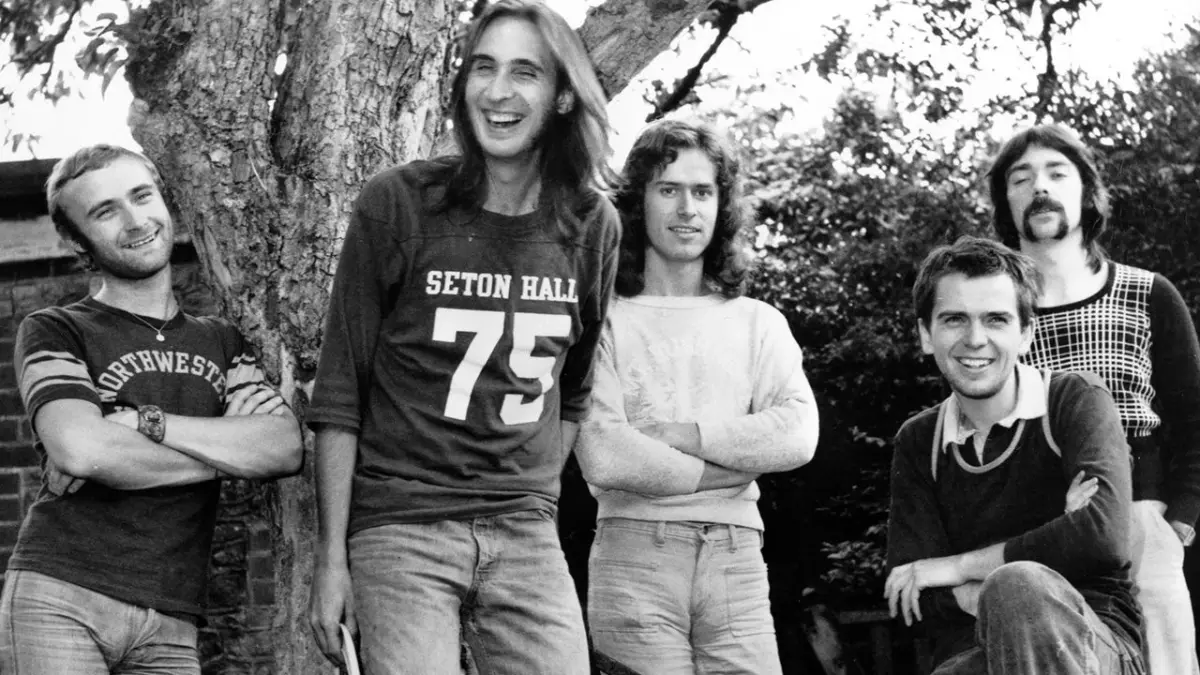
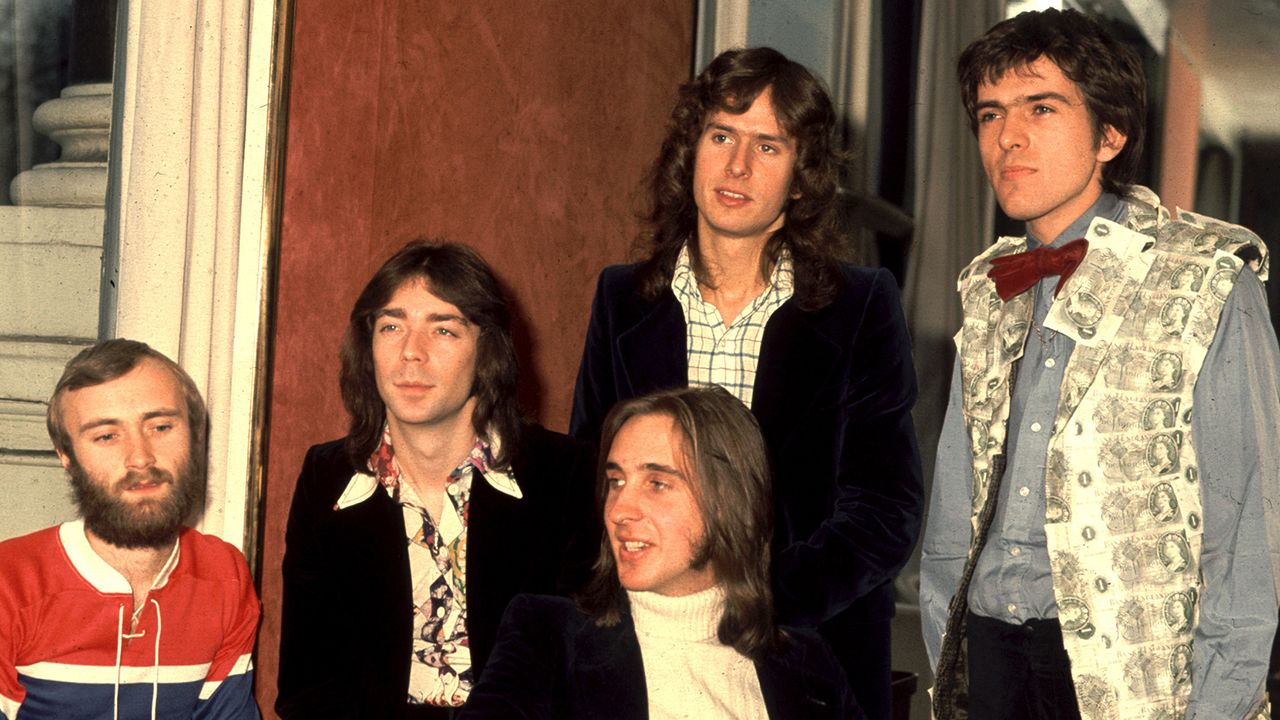
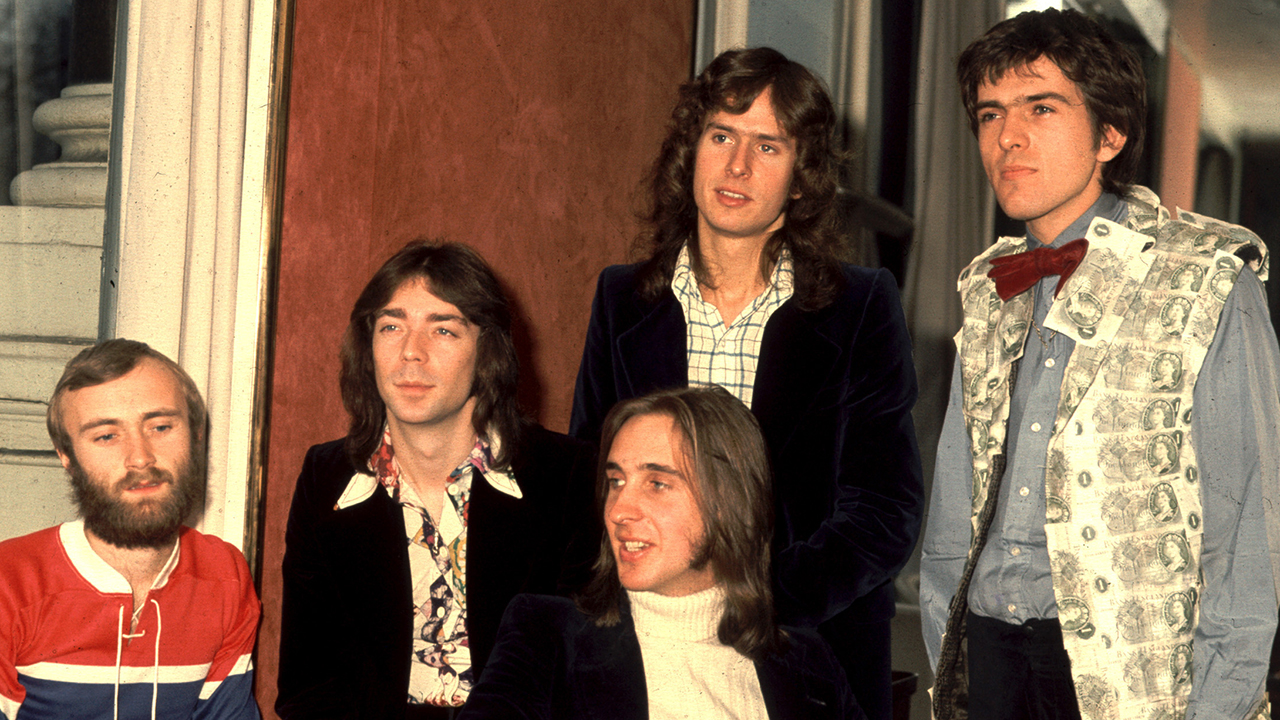
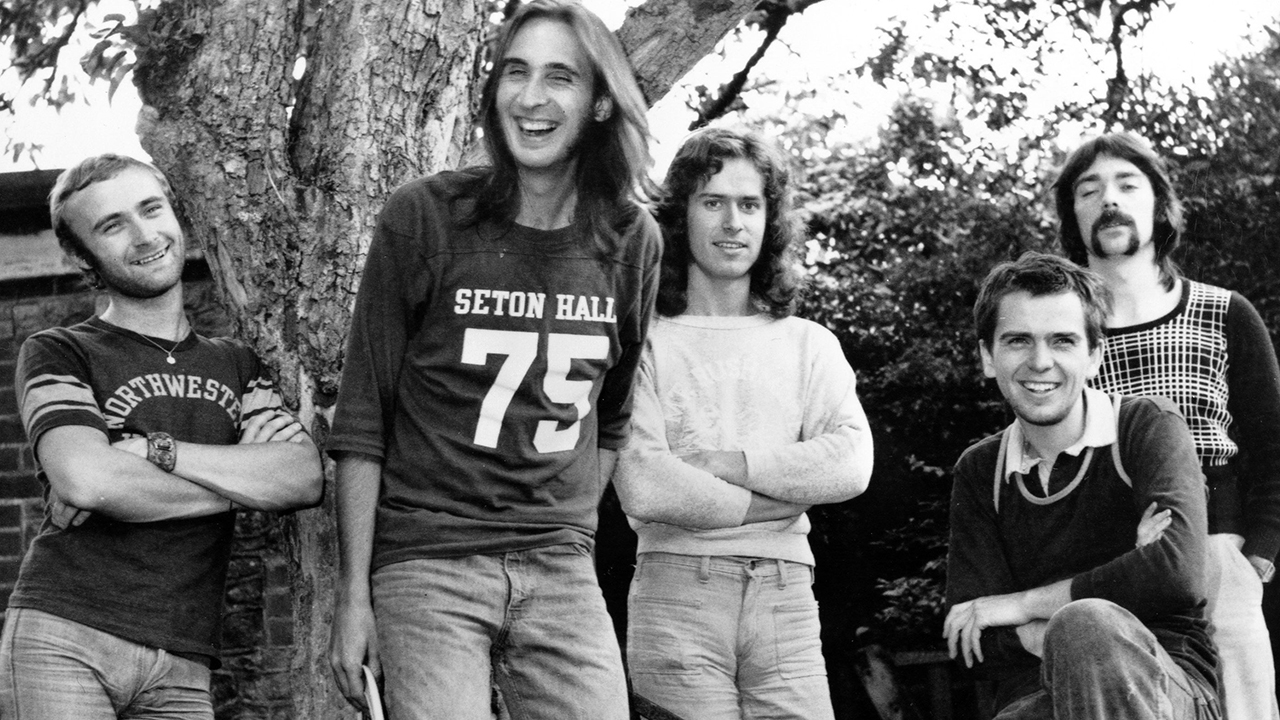
The recruitment of Phil Collins and Steve Hackett in late 1970 and early 1971 marked the birth of what rock historians consider the "classic" Genesis lineup: Peter Gabriel, Tony Banks, Mike Rutherford, Phil Collins, and Steve Hackett.
                                  ==============================
                                  THE CLASSIC QUINTET (1971–1975)
                                  ==============================
                                                │
       ┌────────────────────────┬───────────────┴───────────────┬────────────────────────┐
       ▼                        ▼                               ▼                        ▼
[Nursery Cryme]             [Foxtrot]              [Selling England by the Pound]  [The Lamb Lies Down...]
    (1971)                   (1972)                            (1973)                       (1974)
This specific quintet recorded four landmark studio albums that helped define European progressive rock:
Nursery Cryme (1971): The inaugural record of the new lineup, featuring complex epics like "The Musical Box" and "The Fountain of Salmacis," which displayed Hackett’s signature electric guitar techniques and Collins’ vocal backing.
Foxtrot (1972): Home to the 23-minute side-long suite "Supper’s Ready," an ambitious piece that brought the band international critical acclaim.
Selling England by the Pound (1973): Often cited as the peak of British progressive rock, featuring hit singles like "I Know What I Like (In Your Wardrobe)" and sweeping arrangements like "Firth of Fifth."
The Lamb Lies Down on Broadway (1974): A double concept album that served as Peter Gabriel’s final studio project with the group.
Looking back at the crisis of July 1970, Anthony Phillips’ exit could easily have ended the group before they found their footing. Instead, the resulting disruption forced Gabriel, Banks, and Rutherford to raise their standards, modernize their rhythm section, and seek out a guitarist who could match their compositional ambitions. The eight months between the dark night in Haywards Heath and the rehearsals for Nursery Cryme proved to be the ultimate turning point—transforming a struggling folk-prog group into one of the most influential rock bands of their generation.