Executive Overview
In the contemporary landscape of independent Arabic music, few artists occupy as vital and multifaceted a space as the Palestinian-Jordanian singer, songwriter, rapper, and percussionist known as El Far3i. Operating out of Amman, Jordan, El Far3i (born Tareq Abu Kwaik) has spent well over a decade carving out a distinct sonic identity—one that seamlessly merges the raw introspection of acoustic folk with the urgent, politically charged cadence of Arabic hip-hop.
Released on October 16 under the banner of his management and production house, Arab Drumz, his latest single, “Rayha” (meaning Passing), represents a profound turning point in his discography. Crafted through the transformative lens of fatherhood, the track marks a departure from the existential sorrow that often characterized his earlier works. Instead, “Rayha” offers a vision of generational continuity, resilience, and hope.
Co-produced and mixed alongside Dave Scott, with mastering by industry veteran Mazen Murad, “Rayha” showcases an evolved vocal delivery. Here, El Far3i’s voice climbs into striking new registers above the signature dissonant guitar chords that have long defined his acoustic records. Accompanied by a poetic dawn-lit visual directed by Ahmad Jalboush in the heart of Amman, the release of “Rayha” is not merely a new song; it is a cultural artifact of an artist redefining his relationship with art, politics, and family in an increasingly complex world.
Detailed Chronology: From Underground Pioneer to Transnational Icon
To fully understand the weight and trajectory of “Rayha,” one must trace the artistic evolution of El Far3i across his various musical incarnations. Over the past fifteen years, his career has served as a masterclass in genre-fluidity, balancing solo acoustic storytelling with pioneering contributions to the modern Middle Eastern alternative scene.
The Foundation: Dual Identities (2012–2015)
El Far3i emerged as a defining voice of the post-2011 Arab alternative wave by deliberately dividing his musical output into two distinct streams. Under his own name, he championed an acoustic folk sound rooted in the troubadour tradition—intimate, guitar-driven meditations on urban life, displacement, and personal philosophy. Simultaneously, as Far3 El Madakhil, he adopted the mantle of an Arabic rap pioneer, delivering sharp, rhythmic social commentary over heavy hip-hop beats.
This dual approach allowed him to capture the dualities of modern Arab youth culture: the internal, poetic longing for home and peace, and the external, fiery frustration with sociopolitical stagnation. During this formative period, he also co-founded El Morabba3, a band that helped redefine Arabic alternative rock with its brooding, atmospheric compositions, and later 47Soul, a collective that fused traditional Palestinian dabke with heavy electronic beats and synth lines, effectively inventing the "Shamstep" genre.
The Expansion of the Soundscape (2016–2023)
As his collaborative projects garnered international acclaim—taking 47Soul to festival stages across Europe and North America—El Far3i continued to refine his solo acoustic craft. His albums during this stretch explored deeper harmonic complexities, utilizing unconventional guitar tunings and dissonant chord progressions to mirror the fractured realities of the region. Yet, despite the critical success of these records, a recurring thematic thread remained: the processing of collective grief, nostalgia, and longing.
The Turning Point: Fatherhood and “Rayha” (2024–Present)
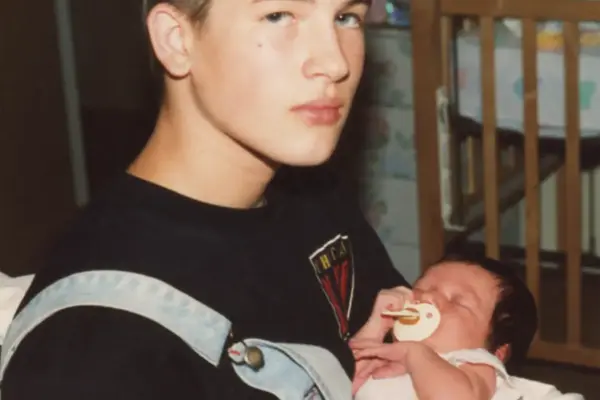
The genesis of “Rayha” represents a fundamental shift in El Far3i’s creative psychology. Entering fatherhood fundamentally altered his relationship with his art. In interviews and through the lyrical narrative of the new single, the artist reflects on a sobering realization: he can no longer afford the luxury of crafting purely mournful anthems. When a child is waiting at home, the artist’s responsibility shifts from documenting sorrow to constructing a blueprint for survival and joy.
Released on October 16, 2026, “Rayha” captures this psychological pivot. The track bridges his historical penchant for acoustic melancholy with a soaring, optimistic vocal performance that signals emotional and artistic maturity.
Supporting Context & Metrics: The Mechanics of “Rayha”
The artistic success of “Rayha” is underpinned by meticulous craftsmanship and a high-caliber production team that bridges independent regional grit with world-class sonic engineering.
Sonics and Production Architecture
- Acoustic Innovation: The instrumental core of “Rayha” relies on the dissonant guitar chords that fans of El Far3i’s acoustic work have come to recognize. However, the arrangement breaks new ground by allowing the vocal melody to soar far above previous ceilings.
- Vocal Range: Eschewing the gritty, conversational baritones of his rap alter-ego and the restrained melancholy of his earlier folk releases, El Far3i pushes his voice into higher, more vulnerable registers. This vocal ascent mirrors the lyrical theme of rising above earthly burdens.
- Production Team: The track was co-produced and mixed by Dave Scott, whose deft hand ensures that the raw intimacy of the acoustic guitar is preserved while maintaining a polished, dynamic soundstage. The final master was executed by renowned mastering engineer Mazen Murad, guaranteeing that the track translates effectively across both high-end studio monitors and mobile streaming devices.
- Label and Distribution: The release is spearheaded by Arab Drumz, the Amman-based artist management and production company that has played a pivotal role in organizing El Far3i’s transnational footprint.
Lyrical Analysis: The Metaphor of the Passing Cloud
The Arabic word Rayha translates directly to "passing" or "moving along." This concept anchors the song’s overarching metaphor across its verses and chorus:
“We are all wanderers passing through; afterwards we’ll rise like eagles.”
- The Child and the Garden: The song opens with an intimate address to his child. El Far3i promises that when the sun dips low, they will wake the plants together, establishing a nurturing, grounded environment that contrasts with the harshness of the outside world. There is a conscious promise to provide shade during hard days.
- The Metaphorical Cloud: The chorus introduces a powerful weather motif—a cloud that drifts lazily over lingering worries and abandoned dreams. Rather than bringing endless devastation, this cloud permits a brief, cleansing rain to fall before moving on, clearing the air so that the good days can return alongside blooming flowers.
- Defiance and Liberation: Moving beyond domestic tenderness, the song houses a sharper, more militant edge. Addressing the institutional and systemic forces that “keep us down,” El Far3i issues a firm declaration: “We won’t carry the weight.” Every injustice, regardless of its magnitude, is destined to collapse under the weight of its own immorality.
Visual Direction: The Dawn of Amman
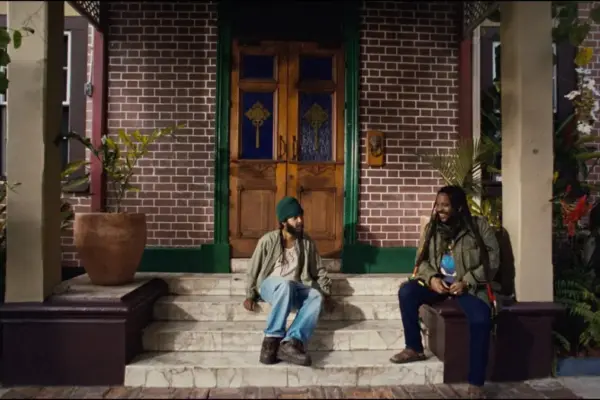
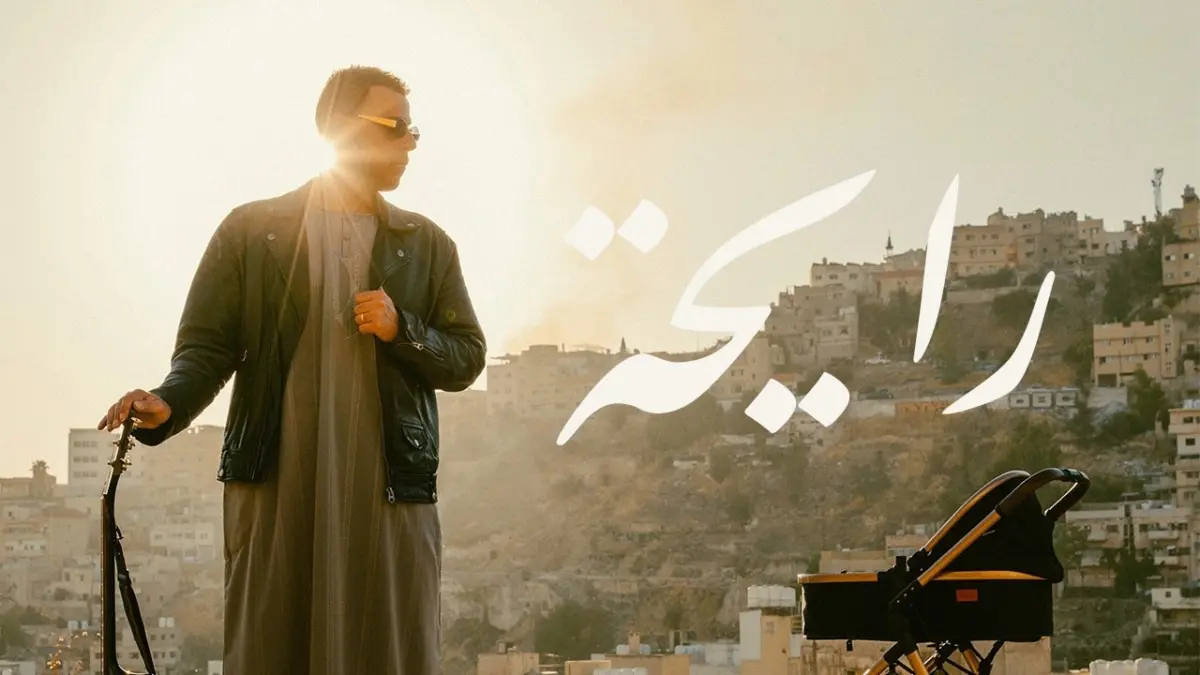
Directed by Ahmad Jalboush, the official music video for “Rayha” serves as a visual poem to the city of Amman. Filmed entirely at dawn, the camera tracks the city as it slowly transitions from the cool, blue shadows of early morning into the sharp, golden light of a bright new day. This visual progression directly mirrors the lyrical journey of the song—moving from quiet domesticity and the remnants of night into active, sunlit renewal.
Official Statements & Industry Perspectives
While formal press statements from Arab Drumz emphasize the technical achievements of the single—highlighting the seamless collaboration between El Far3i, Dave Scott, and Mazen Murad—the true narrative of “Rayha” lies in its philosophical stance on contemporary Arab artistry.
Industry critics and cultural commentators have noted that “Rayha” arrives at a critical juncture for regional independent music. In an environment where artists are frequently pressured to choose between commercial pop appeal and overtly didactic political sloganeering, El Far3i continues to carve out a third path. His work proves that personal milestones—such as fatherhood, domestic peace, and emotional maturation—are not apolitical retreats, but rather profound acts of resistance and world-building.
By singing directly to his child about a future free from the crushing weight of systemic injustice, El Far3i reframes the struggle. The fight is no longer just about enduring oppression; it is about outliving it, planting gardens in the shade, and ensuring that the next generation inherits the tools to rise like eagles.
Future Outlook: What “Rayha” Signals for El Far3i’s Discography
The release of “Rayha” raises anticipation for what comes next in El Far3i’s expansive musical journey. As he balances his commitments across solo acoustic recordings, potential future collaborations with 47Soul and El Morabba3, and his ongoing hip-hop ventures as Far3 El Madakhil, this single suggests an artist entering a richer, more integrated phase of his career.
Key indicators to watch as El Far3i continues the “Rayha” album cycle include:
- Expanded Tour Dates: Expect a renewed focus on intimate acoustic live performances alongside high-energy festival sets, showcasing his ability to pivot between quiet folk storytelling and high-voltage crowd engagement.
- Collaborative Horizons: Given his history of cross-genre experimentation, the sonic evolution heard on “Rayha”—particularly his vocal experimentation and partnership with Dave Scott—may bleed into upcoming production work for Arab Drumz.
- Thematic Continuity: As fatherhood continues to shape his worldview, future releases are likely to further explore the tension between regional turbulence and domestic sanctuary, offering listeners a mature, deeply grounded perspective on modern Middle Eastern life.
“Rayha” is available now across all major streaming platforms, including Spotify and Apple Music, with physical and digital archival materials accessible via El Far3i’s official website.