Executive Overview
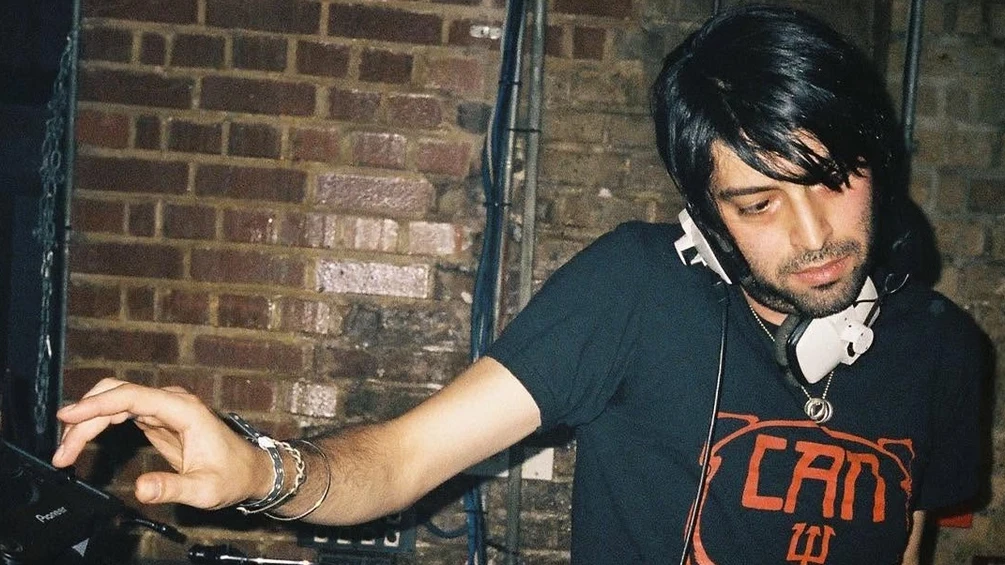
The landscape of London’s nocturnal culture is bracing itself for a seismic tremor. Erol Alkan—DJ, producer, visionary, and high priest of the capital’s early-2000s indie-sleaze and electroclash movements—has dropped the clearest hints yet that his legendary, genre-defying club night, Trash, may soon rise from the digital ashes.
Nearly two decades after the strobe lights flickered off for the final time, a cryptic social media campaign has sent shockwaves through the electronic music community. With a milestone anniversary looming on the horizon—January 2027 will mark exactly 20 years since Trash closed its doors—Alkan and his core team have broken their long silence. Utilizing the iconic Smiths lyric, "There is a light that never goes out," the revival campaign has launched an official mailing list, signaling that something monumental is brewing in the shadows of the UK capital.
Trash was not merely a club night; it was a cultural crucible. Operating weekly from 1997 to 2007, it served as the subterranean laboratory where guitar-driven indie rock violently collided with jagged synthesizers, vintage electro, and raw disco. It was the birthplace of a generation’s aesthetic, launching global careers, shaping underground music journalism, and providing a sanctuary for misfits, fashion icons, and nocturnal hedonists alike.
This in-depth retrospective and investigative report examines the legacy of Trash, the socio-cultural ecosystem that birthed it, the weight of its potential return, and what this rare resurrection means for contemporary nightlife in an era increasingly dominated by sanitized venues and algorithmic curation.
Detailed Chronology: The Rise, Reign, and Fall of Trash (1997–2007)
Genesis in Shoreditch and Soho (1997–2000)
Long before East London was synonymous with luxury loft apartments and artisanal coffee, the area was a gritty, post-industrial canvas ripe for artistic subversion. In 1997, a young, ambitious DJ named Erol Alkan—then championed for his eclectic taste and fearless mixing—launched Trash.
Initially hopping across various foundational London venues, including historic underground spaces like Plastic People, The Annexe, and eventually finding its most famous home at The End, Trash established an immediate identity. At a time when British dance music was heavily stratified—fractured into rigid tribalisms of techno, house, drum and bass, and commercial trance—Alkan’s night offered a radical alternative.
Resident DJs such as Rory Phillips and James Dickie joined Alkan to forge an anarchic sonic template. They played records that no other club would dare sequence back-to-back: a raw Cramps psych-billy track bleeding directly into an aggressive Daft Punk filtered-house anthem, followed by a forgotten post-punk 7-inch and a driving electroclash bomb.
The Golden Era of Electroclash and Blog House (2001–2005)
By the turn of the millennium, Trash had evolved from a beloved local secret into an international pilgrimage site for alternative youth culture. It sat squarely at the epicentre of what music critics would retroactively label the "electroclash" and "nu-rave" eras.
Trash became famous for its booking policy, which acted as a crystal ball for the future of alternative music. Long before they sold out arenas, headliners and early-career acts cut their teeth in the sweltering, smoke-filled rooms of Trash. The club played a pivotal role in breaking international acts into the UK market, serving as an early London home for bands like LCD Soundsystem, Yeah Yeah Yeahs, Klaxons, Peaches, The Rapture, and Death from Above 1979.
The door policy was famously democratic yet fiercely selective. It prioritized attitude, personal style, and a love for the music over VIP status or bottle service. Trash was a place where fashion designers, indie rock stars, avant-garde artists, and sweaty club kids danced shoulder-to-shoulder until the early hours of Tuesday morning.
The Final Curtain and Legacy (2006–2007)
All great things must eventually succumb to the passage of time. By 2006, the landscape of London nightlife was shifting. Gentrification was beginning to price creative communities out of central locations, and the internet was democratizing music discovery, slowly dismantling the local clubbing monopoly on underground aesthetics.
Recognizing that Trash had achieved its purpose and refusing to let the brand stagnate into a nostalgic parody of itself, Erol Alkan announced that the night would close its doors for good. In January 2007, the final edition of Trash took place. It was an emotional, chaotic, and unforgettable marathon that cemented the night’s mythical status in UK nightlife folklore.
Following the closure, Alkan transitioned into producing heavyweight club tracks, launching his influential label Phantasy Sound, remixing everyone from Franz Ferdinand to Chemical Brothers, and solidifying his reputation as one of electronic music’s most respected sonic architects.
Supporting Context & Metrics: The Cultural Impact of Trash
To truly understand the gravity of a potential Trash return, one must analyze the metrics of its historical influence and the current socio-cultural climate of London’s nightlife sector.
Quantifying the Underground
- Decade-Long Run: Trash operated continuously for 10 years (1997–2007), weathering the rapid gentrification cycles of central and East London.
- Weekly Frequency: Unlike modern monthly club nights, Trash was a weekly fixture, demanding a relentless output of creative energy, curation, and cultural relevance week in and week out.
- Launchpad for Icons: Over 50 bands and electronic acts who played their first or formative UK shows at Trash went on to achieve global, Grammy-nominated, or Mercury Prize-winning success.
- Archival Resonance: Proof of its enduring legacy came just last year, when Alkan marked the 18th anniversary of the club’s closure by releasing pristine digital recordings of his original 2002 DJ sets, generating tens of thousands of streams and intense engagement from nostalgic ravers and young music historians alike.
The Current Nightlife Crisis in London
The announcement arrives at a deeply poignant moment for the UK capital. Over the past decade, London has lost an estimated 40% of its grassroots music venues and late-night clubs due to escalating commercial rents, aggressive real estate developments, sound-complaint restrictions, and the economic fallout of the post-pandemic era.
The potential return of Trash acts as a symbolic reclamation of London’s nocturnal soul. It serves as a reminder of an era when clubbing was raw, cheap, culturally volatile, and deeply interconnected with the worlds of fashion, indie music, and art. Younger generations, fatigued by hyper-curated, Instagram-focused VIP club nights and commercial EDM festivals, are hungering for authenticity—making the timing of Alkan’s tease pitch-perfect.
Official Statements & The Cryptic Tease
The revival campaign began with characteristic subtlety and theatrical flair. Rather than a standard PR press release, the announcement manifested as a digital whisper across the official Trash Instagram page (@trash_london).
The post featured stark, iconic typography overlaid with a haunting statement:
"January 2027 will mark 20 years since we closed our doors forever. But there is a light that never goes out. Got something to share with you, so let’s stay in touch."
Accompanying the post was a direct call-to-action, directing fans and curious newcomers to a dedicated subscriber portal (ey0t7z.subscribepage.io).
While Erol Alkan himself has remained characteristically tight-lipped regarding the exact format of the return—leaving open the possibility of a one-off anniversary festival, a restricted series of pop-up events, a compilation release, or a permanent residency—industry insiders are buzzing.
Alkan’s recent curatorial moves further hint at an artist deeply reflective of his historical roots. Earlier this summer, through his Phantasy Sound imprint, he spearheaded the reissue of a lost Croydon disco gem by duo Xclusiv titled "Fools Are Friendly," describing it warmly as "a radio hit that somehow slipped through the cracks." This dedication to unearthing forgotten sonic artifacts demonstrates that Alkan’s curatorial eye remains as sharp as it was in 1997.
Future Outlook: What Does the Return of Trash Mean for 2027 and Beyond?
As the electronic music world waits with bated breath for the next update from the Trash mailing list, questions abound regarding how a 21st-century iteration of the club night will manifest.
1. Bridging the Generational Divide
The original attendees of Trash are now in their late 30s, 40s, and 50s—parents, professionals, and long-term music devotees. However, the aesthetic of the mid-2000s indie-sleaze era has undergone a massive renaissance among Gen Z via TikTok and fashion subcultures. A modern Trash event has the rare potential to unite two distinct demographics: the veterans who lived through the sweat and smoke of Plastic People, and a younger generation discovering the raw energy of electroclash and blog house for the first time.
2. The Battle for London’s Nightlife Space
Should Trash manifest as a physical series of events in London rather than purely digital or archival releases, it will immediately face logistical hurdles unique to modern-day London. Securing a venue that captures the dark, intimate, and anarchic spirit of the original spaces—without the sanitization of modern corporate developments—will be Alkan’s greatest challenge. Yet, if anyone possesses the cultural capital and respect within the city’s licensing and artistic communities to pull it off, it is Erol Alkan.
3. A Catalyst for Creative Renewal
Trash was never just about nostalgia; it was about forward motion. It proved that genres could be smashed together to create something entirely unprecedented. As contemporary electronic music faces an era of hyper-categorization and algorithmic stagnation, the return of a philosophy that champions sonic lawlessness could not be more timely.
Conclusion
Whether Trash 2027 materializes as a massive warehouse rave, an intimate basement residency, or an expansive multimedia archival project, the mere hint of its return has injected a vital dose of excitement into the global underground. Erol Alkan’s legendary night proved that music has the power to unite tribes of outsiders under a single flashing strobe light. As the countdown to January 2027 begins, one thing is certain: that light, true to Morrissey’s words, is refusing to go out.
To stay updated on the developments surrounding the return of Trash, fans can sign up for the official mailing list at ey0t7z.subscribepage.io.