To survive half a century in the mercurial landscape of the music industry borders on the miraculous. In an era defined by format obsolescence, shifting consumer habits, economic volatility, and the digital streaming revolution, independent record stores have faced an uphill battle for survival. Yet, as Rough Trade marks its milestone 50th anniversary, it stands not merely as a retail survivor, but as a global cultural institution.
From its humble beginnings in 1976 on Kensington Park Road in West London to its modern-day footprints stretching across Bristol, Nottingham, Berlin, and New York City, Rough Trade has defined the blueprint for independent record retail. It is a space where physical media remains king, where up-and-coming artists find their first champions, and where music lovers of all generations discover a sense of belonging. As the company rolls out a year-long program of exclusive releases, commemorative events, and community-driven retrospectives, this milestone offers a profound opportunity to examine how a single record shop fundamentally altered the DNA of global counterculture.
Detailed Chronology: Five Decades of Independent Music
The 1970s: Punk, Post-Punk, and the Genesis on Kensington Park Road
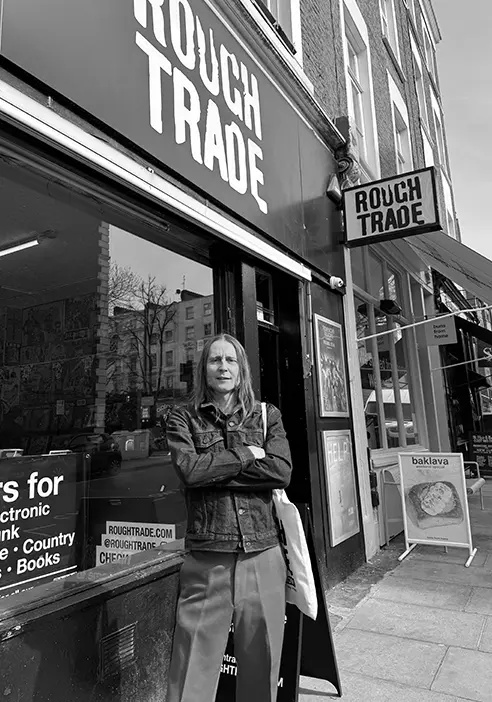
The story of Rough Trade begins in 1976, a watershed year for modern music. Amidst the economic turmoil and socio-political disillusionment of 1970s Britain, punk rock erupted, tearing down the bloated stadium-rock establishment and replacing it with a DIY ethos. Geoff Travis opened the first Rough Trade shop on Kensington Park Road, positioning the store at the epicenter of the punk and burgeoning post-punk explosions.
Unlike conventional record shops focused on chart-toppers, Rough Trade was curated by obsessives, for obsessives. It wasn’t long before the shop expanded its ambitions, establishing the Rough Trade distribution network and record label. This infrastructure became the lifeblood of the independent music scene, championing foundational acts such as The Smiths, The Raincoats, Stiff Little Fingers, and Cabaret Voltaire. Rough Trade wasn’t just selling records; it was building an alternative economy for artists who rejected major-label compromises.
The 1980s and 1990s: Navigating Industry Shifts and Expanding Horizons
As the punk energy of the late ’70s matured into the sophisticated, experimental post-punk and indie landscapes of the 1980s, Rough Trade remained a critical compass. The label and distribution arms weathered financial storms and shifting industry landscapes, cementing the store’s reputation as a vital tastemaker.
During this era, the brand’s physical footprint evolved. Pilgrimages to Neal’s Yard in Covent Garden—often visiting the subterranean shop nestled beneath Slam City Skates—became a rite of passage for London’s countercultural youth. Shoppers could rifle through imported US hardcore punk, obscure cassette releases, fanzines, and imported dub reggae. Even as compact discs began threatening the dominance of vinyl, Rough Trade maintained its fierce devotion to physical formats, safeguarding the tactile ritual of music collection.
The 2000s and 2010s: Urban Revitalizations and Global Expansion
Entering the 21st century, the digital revolution upended traditional music retail, shuttering record stores globally. Paradoxically, this period marked a Renaissance for Rough Trade. In 2007, the opening of Rough Trade East breathed new life into the historic Truman Brewery complex on Brick Lane, transforming an old east-end industrial space into a sprawling sanctuary for live music, books, and vinyl.
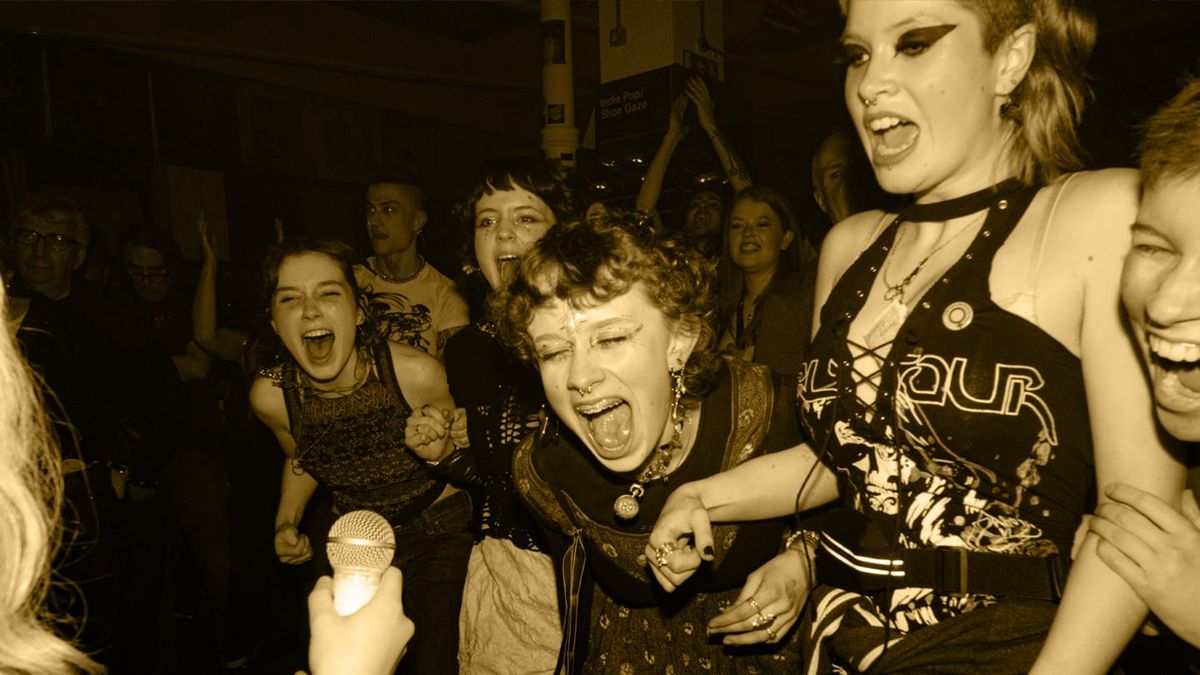
The successful blueprint of Rough Trade East paved the way for further expansion. The brand established a cultural stronghold in Bristol, opened a vibrant hub in Nottingham, crossed the Atlantic to launch Rough Trade NYC in Brooklyn, and later established Rough Trade Berlin in Neukölln. These were no longer just shops; they were multi-functional community centers equipped with state-of-the-art stages, hosting historic in-store performances and signings that drew thousands of fans weekly.
The 2020s and Beyond: The Vinyl Revival and the 50th Milestone
Today, Rough Trade stands at the helm of the global vinyl revival. Younger generations, disillusioned with the ephemeral nature of algorithm-driven streaming, have embraced the intentionality of record collecting. By fostering multi-generational patronage—where parents who bought records in the ’80s now browse the bins alongside teenage offspring—Rough Trade has proven that physical music retail is not a relic of the past, but a vital engine for future cultural cohesion.
Supporting Context & Metrics: The Human Infrastructure
While corporate longevity is often measured in financial balance sheets, Rough Trade’s enduring legacy is quantified through human stories, community impact, and cultural touchstones.
The Retail Ecosystem
Across its international locations, Rough Trade acts as an essential pillar for the music economy:
Global Footprint: Flagship and regional stores operating in London (East and West), Bristol, Nottingham, Berlin, and New York.
Live Performance Hubs: Venues like Rough Trade NYC have hosted hundreds of performances, album launches, and artist signings, bridging the gap between underground talent and global superstars.
Multi-Generational Reach: A demographic spanning foundational punk survivors of 1976 to Gen-Z vinyl nerds discovering post-punk and indie-rock for the first time.
Voices from the Bins: Personal Testaments to an Institution
To truly understand Rough Trade, one must listen to the community that sustains it.
Tony (Friend of Rough Trade East):
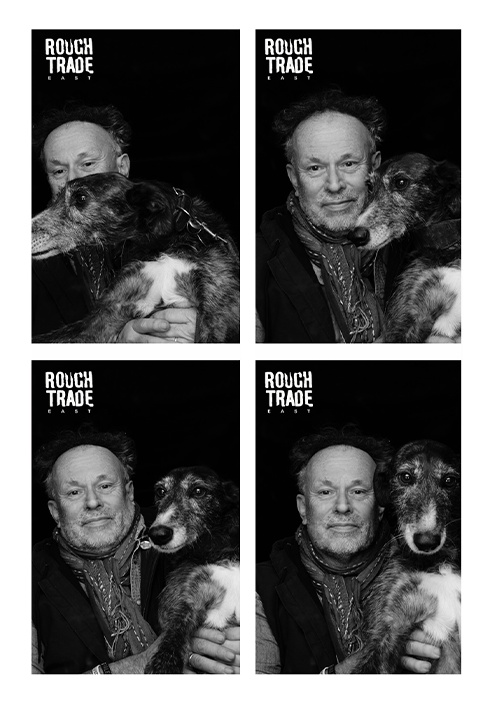
"Rough Trade has been a big part of my life for well over 40 years! I go back all the way; to Ladbroke Grove, then pilgrimages to Neal’s Yard, Covent Garden… As an ‘east-ender’ and long-time Brick Lane lover, I was so glad they set up shop in 2007 and injected such new life into the Truman complex. My daughter was born in 2008, so she has spent a lifetime in that shop!"
Sylvie (Friend of Rough Trade East and Tony’s Daughter):
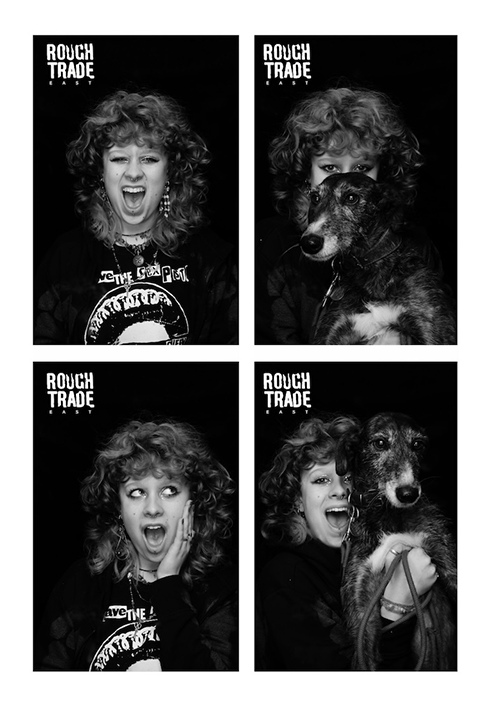
"Rough Trade has and always will be the schooling ground for my love of music. From my dad bringing me into the East store—before I can even remember—in a pram, to building my vinyl collection and going to some of my first gigs… I will always keep coming back to Rough Trade, not only for the lovely staff who will always amaze me at how genuinely cool and kind people can be, but because it’s a place that truly understands just how important music is."
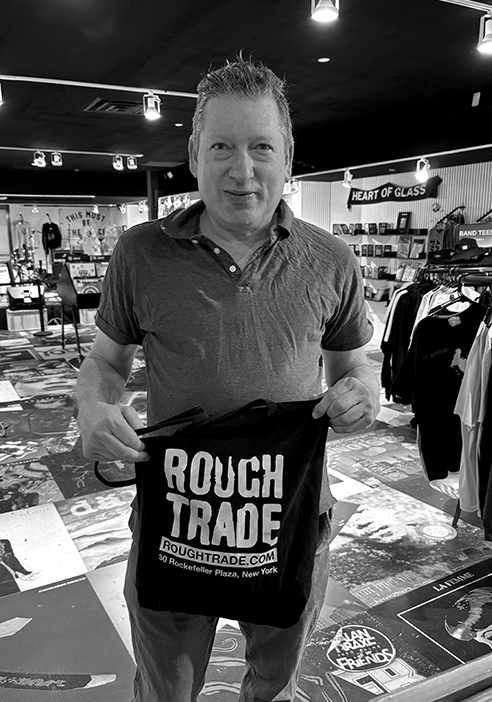
Brian (Friend of Rough Trade NYC):
"Music is my biggest passion. I am an avid vinyl collector (over 11,000 records) and huge concert-goer (almost 4,000 concerts) and Rough Trade is my #1 go to for both of these passions (229 Rough Trade NYC performances starting in 2014 plus dozens of signings and almost 1,600 vinyl purchased). I am at Rough Trade NYC at least 2 days per week…"
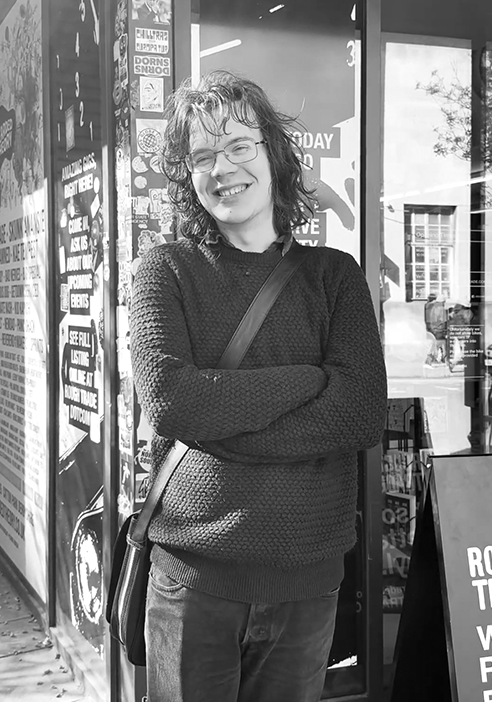
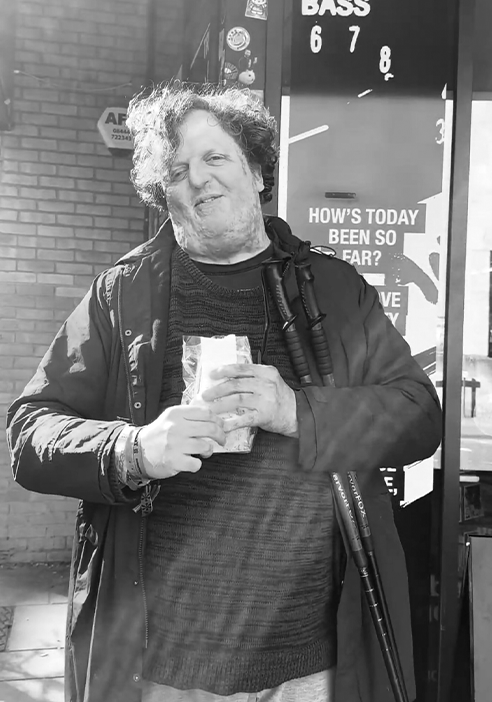
Zach & Jeff (Friends of Rough Trade Bristol and Members of The Outlines):
Zach: "Rough Trade Bristol was the first place my brain was like ‘oh I’m a musician here’ and the first place I was treated as such. It’s not particularly easy as a disabled artist finding spaces like that. Yeah, it was home." Jeff: "For a long time, it was a central safe space for people like me and Zach. So it feels very much like a home from home. It gave us a place where we could just be ourselves."
Sonia / Stiff Kittens (Friend of Rough Trade Nottingham):
"I keep coming back to Rough Trade because you can get any kind of music you want. I don’t even come in here with an idea; I just come in and have a root around and see what’s about. I’ve never walked out of Rough Trade without buying at least two or three albums. It’s amazing."
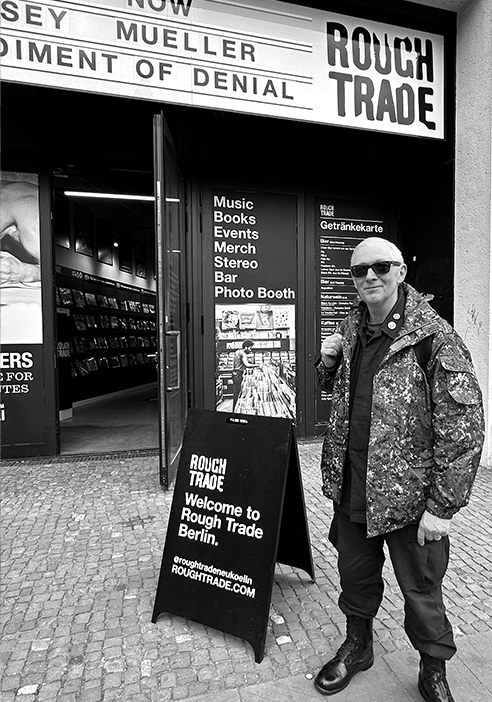
Mark Reeder (Friend of Rough Trade Berlin):
"Undoubtedly, you have been the most important distributor for all kinds of independent music over the past five decades. Not only have you supplied and supported a craving indie scene, you have also been a great inspiration for others around the globe…"
Official Statements and Institutional Reflection
Reflecting on half a century of cultural stewardship, the leadership and staff behind Rough Trade emphasize that the brand’s survival is intrinsically linked to the public’s appetite for authentic human connection.
In a joint statement commemorating the anniversary, representatives highlighted that the milestone belongs just as much to the patrons as it does to the founders:
"Fifty years is a long time for anything to survive. For an independent record store, it borders on the miraculous. We didn’t make it to fifty years alone. You got us here… Fifty years of people walking through the door and leaving with something they didn’t expect, be it a record, a community, or a sense of themselves. That’s so much more than a record store."
Industry analysts note that Rough Trade’s refusal to dilute its curation in the face of commercial homogenization has been its greatest asset. By maintaining knowledgeable, passionate staff who double as working musicians and fervent musicologists, the stores have avoided becoming sterile retail environments. Instead, they function as cultural laboratories where genres are cross-pollinated, emerging artists find foundational support, and local music scenes are galvanized.
Future Outlook: The Next Fifty Years
As Rough Trade steps into its sixth decade, the landscape of music consumption continues to evolve at a blistering pace. Yet, the foundational ethos established on Kensington Park Road in 1976 remains remarkably resilient.
To mark its golden jubilee, Rough Trade is rolling out an expansive, year-long program of exclusive record releases, live events, panel discussions, and retrospectives. These initiatives are designed to celebrate the rich history of the brand while explicitly casting a light on its ongoing commitment to nurturing the next generation of musical talent.
Rather than looking backward with mere nostalgia, Rough Trade’s 50th anniversary serves as a manifesto for the future. In an increasingly digitized, fragmented, and algorithmically predictable world, physical record stores offer something radical: serendipity, tactile discovery, and genuine human community.
Here’s to the next fifty years of keeping music real.