Executive Overview
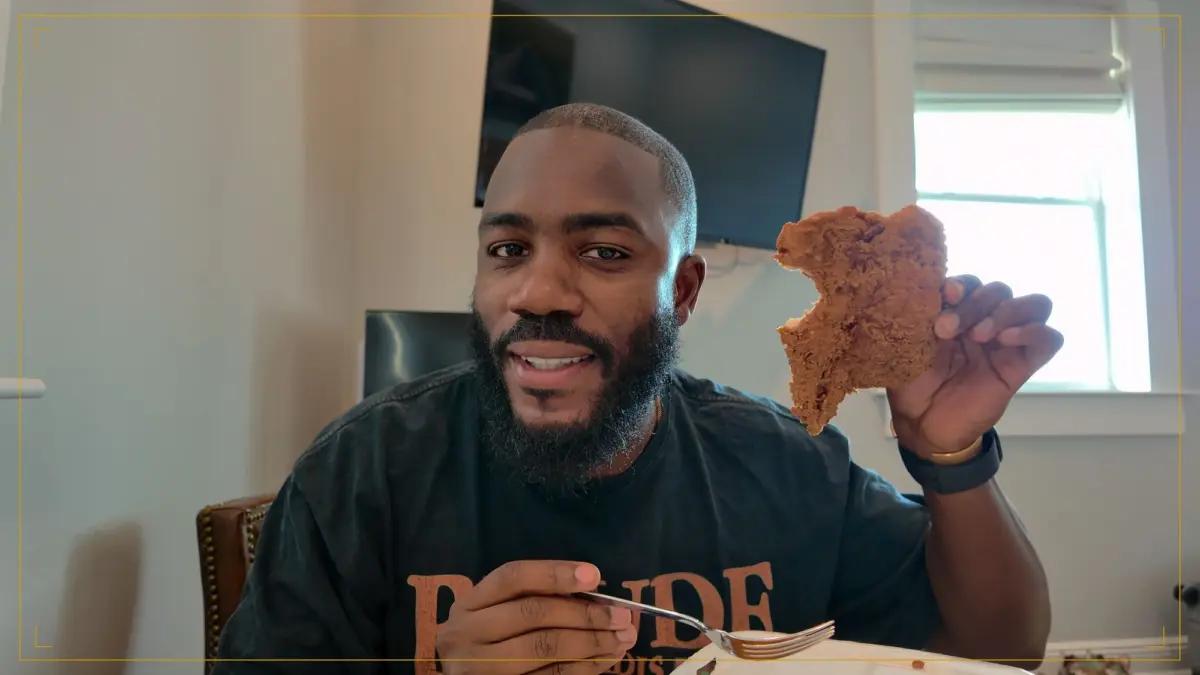
British comedian and presenter Mo Gilligan thought he had landed the ultimate dream job. Commissioned by Netflix for a daring new documentary, Big Chicken: A Fast Food Conspiracy, Gilligan was tasked with a simple yet perilous assignment: consume fast-food fried chicken for every single meal—three times a day, for 28 consecutive days. Inspired by Morgan Spurlock’s groundbreaking 2004 documentary Super Size Me, which charted the harrowing physical and psychological toll of a month-long McDonald’s diet, Gilligan set out to explore the modern obsession with fast-food chicken.
Initially, the venture felt too good to be true. Paid by a global streaming giant to indulge in deep-fried comfort food, the comic joked that he felt as though he was pulling off the ultimate heist. However, the lighthearted premise quickly devolved into a sobering health experiment. Within weeks, Gilligan experienced a drastic decline in his overall wellbeing, characterized by rapid weight gain, profuse and uncontrollable sweating, severe mood instability, and frightening bouts of deep fatigue that he dubbed "scary naps."
Yet, Big Chicken: A Fast Food Conspiracy is far more than a mere vanity project or a regurgitation of Spurlock’s early-2000s formula. Beyond chronicling Gilligan’s deteriorating physical state, the documentary broadens its scope to investigate the complex socioeconomic and cultural dynamics of the global poultry industry. The film explores pervasive racial stereotypes surrounding fried chicken culture, examines the corporate machinations of the fast-food sector, and shines a light on the structural realities of Britain’s booming chicken shop landscape.
As the documentary streams globally on Netflix, Gilligan’s chaotic month-long trial serves as both a cautionary tale about modern dietary habits and a provocative critique of corporate food culture.
Detailed Chronology: 28 Days on a Strict Fried Chicken Diet
When Mo Gilligan sat down with Matt Wilstein on an episode of Obsessed: The Podcast, he didn’t attempt to sugarcoat the initial phases of his Netflix-funded endurance test.
Week 1: The Honeymoon Phase
"I remember thinking, this is crazy, Netflix is really paying me to eat chicken?" Gilligan recalled during the podcast interview. "I don’t know if we’re going to get the film that they want to produce! That first couple of minutes is me being like, this is great. I can’t even pretend to sugarcoat it, man, I was like, this is really a dream job right now."
During the first seven days, the novelty of the challenge insulated Gilligan from any immediate regrets. While he acknowledged knowing that there could be potential health repercussions, the abstract concept of physical damage "didn’t keep me up at night." He enjoyed the variety of flavors, batters, and seasonings offered by various fast-food establishments across the UK, viewing the endeavor through the lens of a comic embracing a bizarre perk of his profession.
Week 2: The Turning Point
The psychological and physiological tide turned dramatically by the halfway mark. Gilligan noted that a "drastic drop" in his physical wellbeing occurred around day 14, plunging further into distress as the days ticked by.
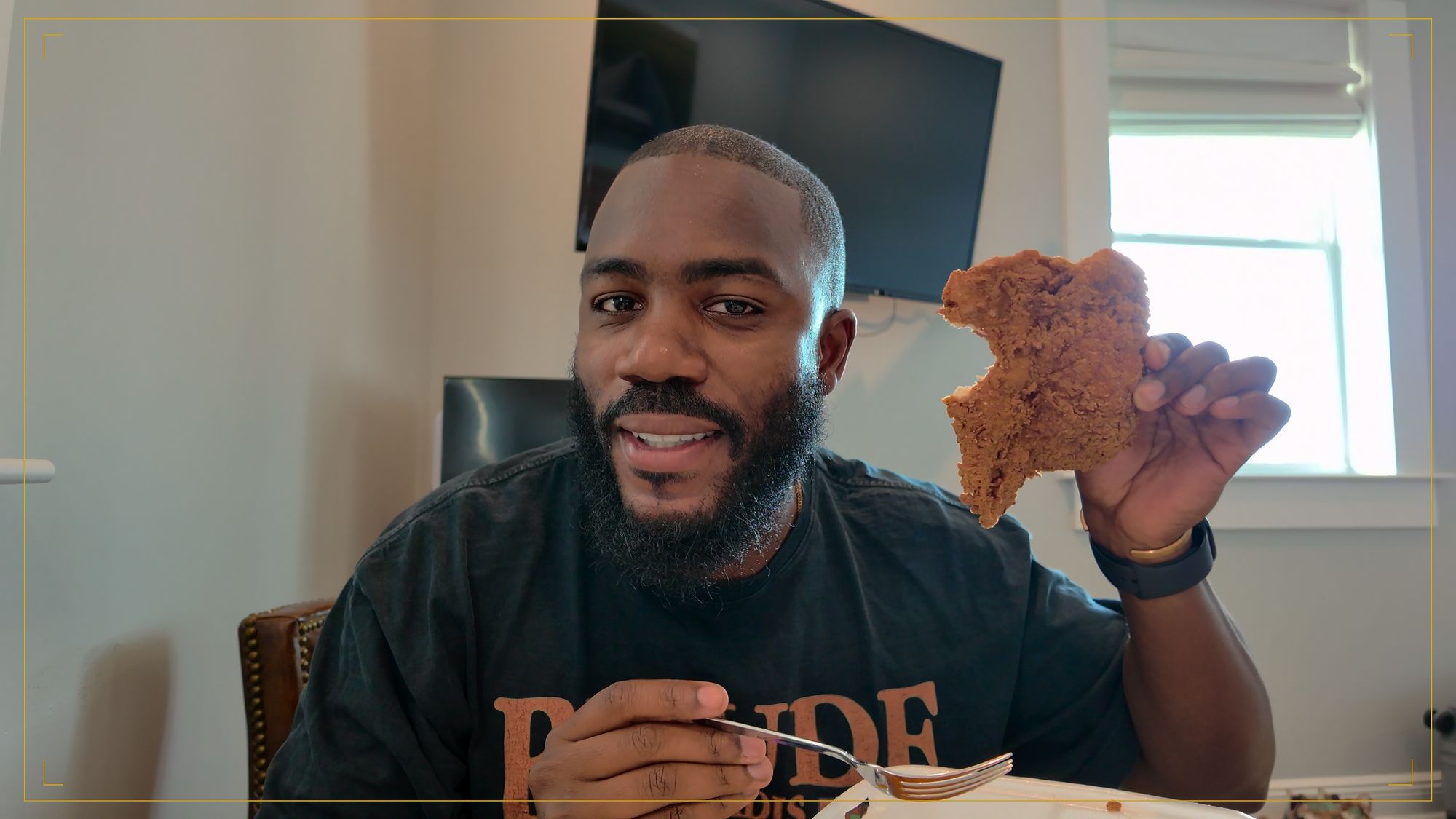
Contrary to what one might expect from a diet completely devoid of nutritional diversity, the food did not lose its culinary appeal. "The halfway point was probably the hardest because as I’m eating the food, I thought the food would stop tasting good," Gilligan explained. "But it tasted great."
The psychological trap of craving the high-fat, high-sodium meals while simultaneously feeling his body reject them created a profound cognitive dissonance. The juxtaposition of waking up and forcing down heavy, grease-laden meat alongside a morning coffee became a surreal, depressing routine. "When you see me eating chicken with a coffee, it was like, this is real," he remarked. "I don’t want to eat this for breakfast. Not like this. Not with a coffee."
Weeks 3 and 4: Physical Deterioration
As the experiment entered its final fortnight, the toll on Gilligan’s body became impossible to ignore. He reported notable weight gain, a symptom common to hyper-caloric fast-food diets dominated by trans fats and refined carbohydrates. More alarming, however, were the autonomic nervous system disruptions: he began sweating uncontrollably, even in temperature-controlled environments, and experienced sharp, volatile mood swings that strained his patience and emotional regulation.
Perhaps most terrifying were the "scary naps." Gilligan described falling into states of sudden, unnaturally deep and intense sleep—a symptom indicative of severe blood sugar spikes and crashes, systemic inflammation, and the body desperately attempting to cope with an overwhelming toxic load. By the time the 28-day trial concluded, Gilligan was physically and mentally exhausted, shedding light on how quickly human biology breaks down under the relentless pressure of ultra-processed food consumption.
Supporting Context & Metrics: The Anatomy of a Fast-Food Conundrum
To understand the weight of Gilligan’s experiment, one must contextualize the mechanics of the fast-food industry, particularly within the United Kingdom. The British chicken shop—ranging from independent high-street vendors to massive international chains—is a cultural institution. However, the ubiquity of cheap fried chicken masks a complex web of public health crises, corporate agriculture practices, and historical social stigma.
The Nutritional Impact of 21 Meals a Week
While Morgan Spurlock’s Super Size Me focused on the American hamburger ecosystem, Gilligan’s experiment zeroes in on the specific nutritional profile of mass-market fried chicken. Consuming fried chicken three times a day introduces staggering quantities of:
- Sodium: Excess salt intake that immediately strains the cardiovascular system, leading to water retention and elevated blood pressure.
- Trans and Saturated Fats: Heavy oils used in commercial deep fryers contribute directly to rapid adipose tissue accumulation (weight gain) and spikes in low-density lipoprotein (LDL) cholesterol.
- Refined Carbohydrates: Breading and coatings, often paired with sugary carbonated beverages or sides, create vicious cycles of insulin resistance, fatigue (accounting for Gilligan’s "scary naps"), and erratic mood regulation.
Cultural Landscapes and Stereotypes
Big Chicken: A Fast Food Conspiracy intentionally diverges from a pure health-tracking narrative by dissecting the cultural baggage attached to fried chicken. For generations, fried chicken has been burdened with specific racial stereotypes, particularly in the United States, a legacy that the documentary explores with nuance and investigative rigor. By contextualizing how food intersects with race, class, and urban geography in the UK, the film elevates itself from a standard stunt documentary into a piece of sociological inquiry.
"I felt we were making something a little bit different because we tried to cover so many parts of fried chicken, but also big chicken as well," Gilligan noted, emphasizing the shift in tone halfway through the film. "And that’s where the film starts to have a shift. We really try our best to cover as much as we can, rather than it feeling like, ‘I’m gonna watch his journey, I’m gonna know what happens to him.’ I think that’s how we try to separate ourselves without trying to replicate what someone has also done."
Official Statements and Industry Reception
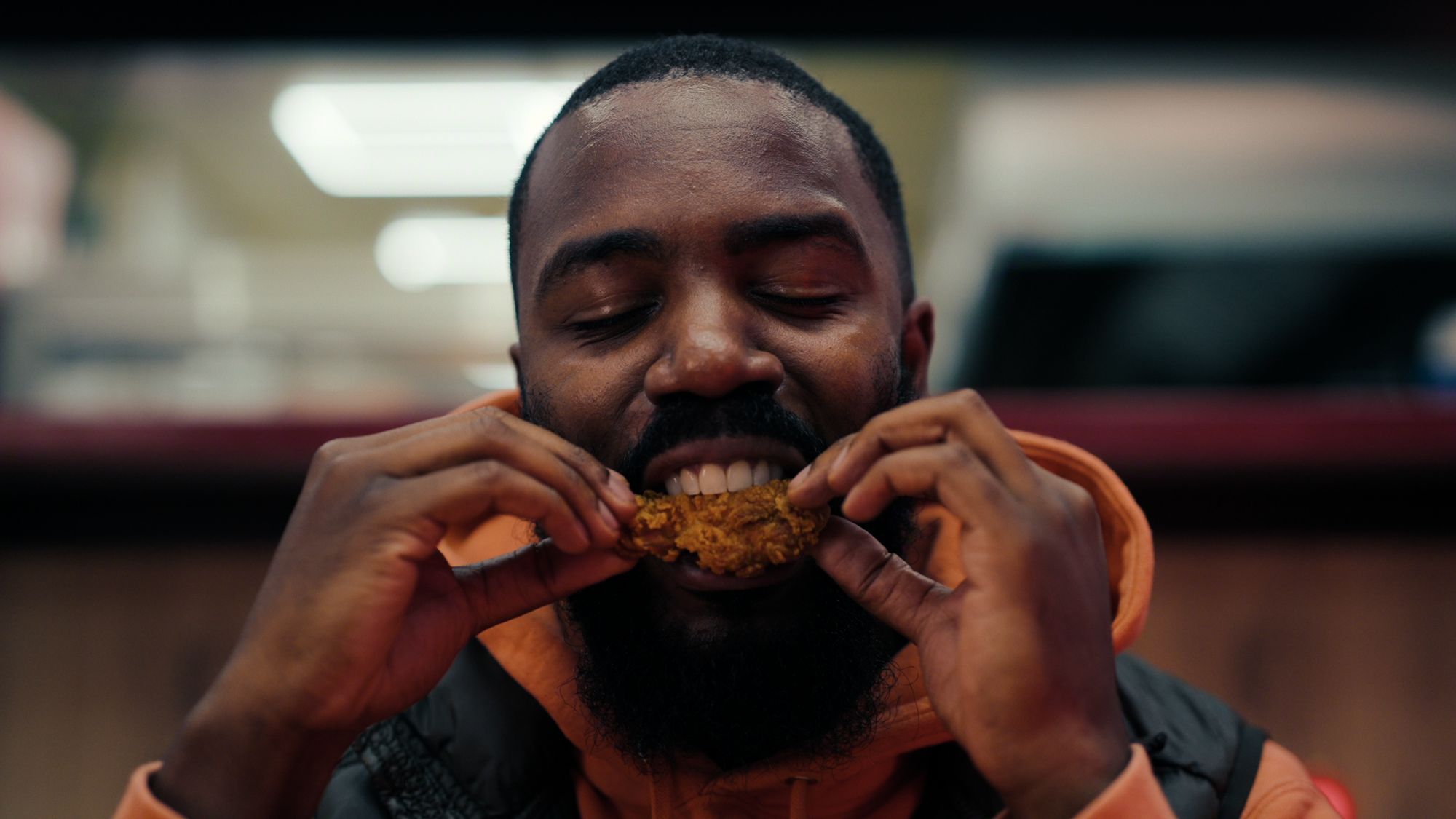
The release of Big Chicken: A Fast Food Conspiracy on Netflix has sparked renewed conversations across media and health sectors regarding corporate accountability in the food supply chain. While fast-food conglomerates have largely remained silent on the specifics of Gilligan’s stunt, public health advocates have praised the project for bringing mainstream attention to the hidden costs of convenience culture.
Media commentators have drawn inevitable comparisons to the 2004 cinematic milestone Super Size Me. However, critics note that Gilligan’s approach—infusing British comedic sensibilities with a broader corporate investigation—offers a refreshing update to the genre. Rather than simply serving as a cautionary health PSA, the documentary acts as an exposé on industrial poultry farming, supply chain monopolies, and the aggressive marketing tactics targeting urban demographics.
Industry analysts suggest that documentaries highlighting the vulnerabilities of fast-food diets continue to hold immense cultural currency. In an era dominated by food delivery apps and post-pandemic reliance on comfort eating, projects like Big Chicken force consumers to confront the frictionless convenience of modern consumption.
Future Outlook: What Big Chicken Means for the Future of Food Documentaries
As Big Chicken: A Fast Food Conspiracy streams to millions of homes worldwide, its long-term cultural impact is already taking shape. Mo Gilligan’s willingness to subject his body to extreme nutritional distress has yielded a project that transcends typical streaming entertainment.
Looking forward, the documentary is expected to influence how filmmakers approach consumer advocacy and investigative journalism. The blending of personal physical sacrifice with deep-dive corporate sleuthing sets a new template for health-related exposés. No longer is it enough to simply show an individual gaining weight on camera; modern audiences demand systemic context—exploring why these foods are so accessible, how the industry operates behind closed doors, and what cultural narratives sustain our unshakeable addiction to fast food.
For Mo Gilligan, the experiment is firmly in the rearview mirror. Having survived 28 days of relentless poultry consumption, he has returned to a balanced diet and his regular touring and broadcasting schedule. Yet, the memory of those "scary naps," the uncontrollable sweats, and the surreal morning coffees washed down with greasy batter will likely linger—a permanent reminder of the true price of "Big Chicken."
Big Chicken: A Fast Food Conspiracy is available to stream globally now on Netflix.