Executive Overview
The debate surrounding the boundaries of dramatic immersion and psychological dedication in modern filmmaking has once again thrust actor Jeremy Strong into the cultural spotlight. Known for his uncompromising commitment to method acting, the Emmy-winning star of Succession and The Apprentice has firmly pushed back against critics of his intensive on-set behavior. Speaking candidly on The New Yorker Radio Hour with host David Remnick, Strong made it clear that he harbors no regrets for the atmospheric tension his performances sometimes create, asserting that his singular priority is absolute service to the material.
Strong’s uncompromising process has long divided Hollywood. While acclaimed directors and select cast members praise his fearless drive as a masterclass in transformative performance, others—most notably his former Succession patriarch Brian Cox—have openly criticized the emotional toll and interpersonal friction his style introduces to a collaborative set.
This friction is more than a mere personality clash; it touches on a fundamental artistic philosophical divide. Is extreme character immersion an essential vehicle for profound storytelling, or is it an unnecessary imposition on colleagues that borders on disruptive? As Strong prepares to step into one of his most scrutinized roles yet—transforming into Meta CEO Mark Zuckerberg in Aaron Sorkin’s upcoming The Social Reckoning—the conversation surrounding the ethics, efficacy, and interpersonal costs of method acting continues to ignite fierce debate across the entertainment landscape.
Detailed Chronology of the Controversy
The public reckoning over Jeremy Strong’s artistic process did not happen overnight; it is the culmination of years of escalating disclosures, on-set anecdotes, and candid retrospective interviews involving some of the most prominent figures in film and television.
2021: The New Yorker Profile and the First Public Fracture
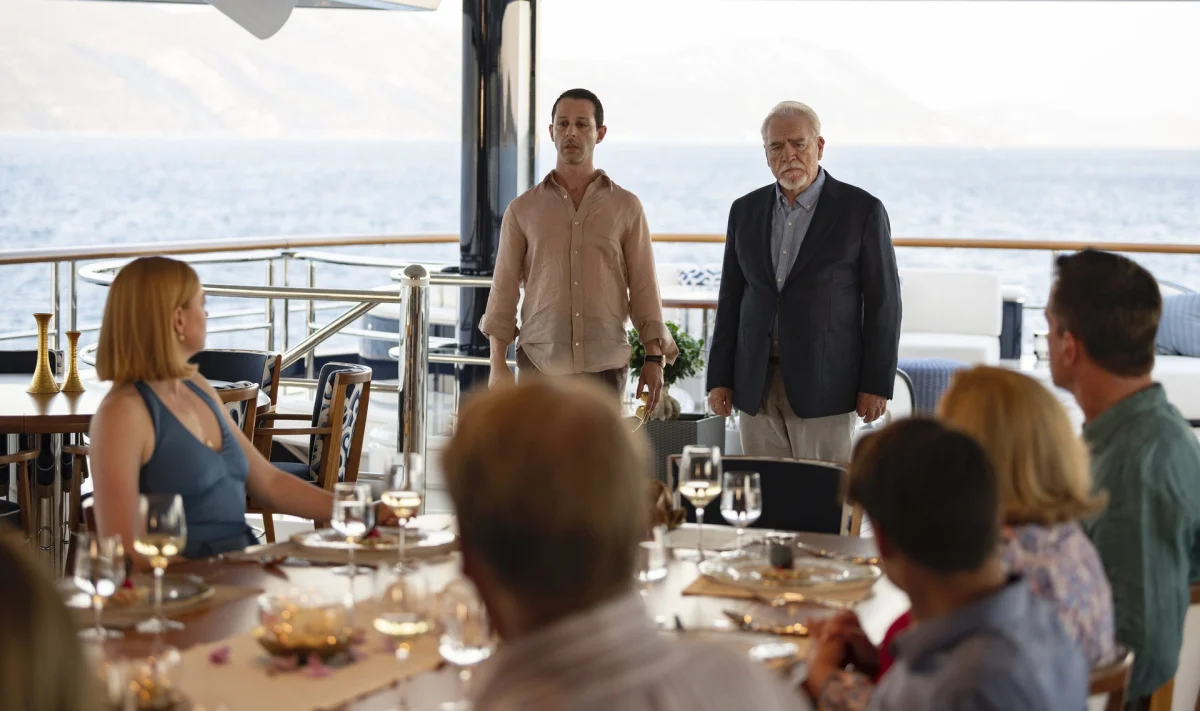
The modern discourse truly crystallized in late 2021, when The New Yorker published a comprehensive profile detailing Strong’s intense preparation for his career-defining role as Kendall Roy in HBO’s Succession. The article laid bare the grueling lengths to which Strong went to inhabit the tragic, tortured media heir. He reported suffering actual physical injuries, refusing to break character between takes, and putting himself through profound psychological trials.
This piece also featured the first public notes of concern from his co-star Brian Cox. Cox admitted to worrying about "what he does to himself" and characterized Strong’s inability to shed his character when the cameras stopped rolling as "a particularly American disease." While intended by Cox as an expression of protective colleague anxiety, the remarks opened the floodgates for a wider industry conversation about the health and boundaries of immersive acting.
2022–2023: Escalating Tensions and Cast Divisions
As Succession marched toward its lauded final season, the cracks within the ensemble’s interpersonal dynamics became more visible to the public. In early 2023, Cox pulled no punches in an interview with Town & Country, bluntly labeling Strong’s method acting as "f** annoying." While acknowledging Strong’s immense talent and noting that the wider ensemble managed to accommodate it, Cox emphasized that professional skill set requires knowing when to turn the performance off.
Around the same time, Kieran Culkin, who played Strong’s impulsive younger brother Roman Roy, offered a pragmatic perspective. Culkin noted that while Strong’s approach "might be something that helps him," it categorically "doesn’t help me."
Conversely, other co-stars stepped forward to defend the actor’s unique process. Sarah Snook, who portrayed Shiv Roy, characterized Strong as a "very singular, unique person and actor" with a distinct rhythm compared to the rest of the cast.

2025: New Collaborations and Continued Validation
The release of biographical drama The Apprentice, in which Strong portrayed notorious attorney Roy Cohn opposite Sebastian Stan’s Donald Trump, provided fresh context for his collaborative style. Stan revealed to GQ in February 2025 that he and Strong "spoke the same language artistically." Far from finding Strong’s intensity burdensome, Stan described it as liberating, noting that his co-star’s unwavering commitment created a safe space that allowed him to "go there too."
Late 2025–2026: The Zuckerberg Transformation and Recent Remarks
Most recently, Strong’s casting as Mark Zuckerberg in Aaron Sorkin’s The Social Reckoning has brought his methodology back into sharp focus. Sorkin revealed to The New York Times that Strong carried his character off-camera, refusing to use his natural voice, altering his physical gait, and interacting with crew members entirely through the lens of how he imagined Zuckerberg would behave.
This context directly preceded Strong’s recent appearance on The New Yorker Radio Hour, where he addressed the long-standing criticisms head-on, solidifying his stance that artistic integrity supersedes comfort.
Supporting Context, Quotes, and Industry Metrics
To fully understand the weight of Strong’s defense, one must examine the specific language used by both the actor and his critics, as well as the underlying philosophy of the American method-acting tradition.
Strong’s Defense: Serving the Material
When David Remnick pressed Strong on whether his intensive approach was genuinely appreciated by those around him, the actor offered a measured yet resolute response:
*"It is never my intention to interfere with anyone else’s experience or anyone else’s way of working. First, do no harm, right? But commit to your f**, to what you’re doing, and utterly."*
Addressing the discomfort his presence sometimes generates, Strong rejected the notion that he needs to apologize for his dedication:
"And so if some people feel I’m taking it too seriously or it changes the molecules in the room in a way that makes something uncomfortable, I guess that’s something that don’t feel that I need to apologise for. Because I believe, and I think the directors that I work with all believe, that it is in service of the material… I personally think that a lot of the reactions to it are of a personal nature."
The Divergent Views of Directors and Co-Stars
The artistic community remains starkly polarized between those who view total immersion as the gold standard of dramatic truth and those who view it as an inefficient or narcissistic indulgence.
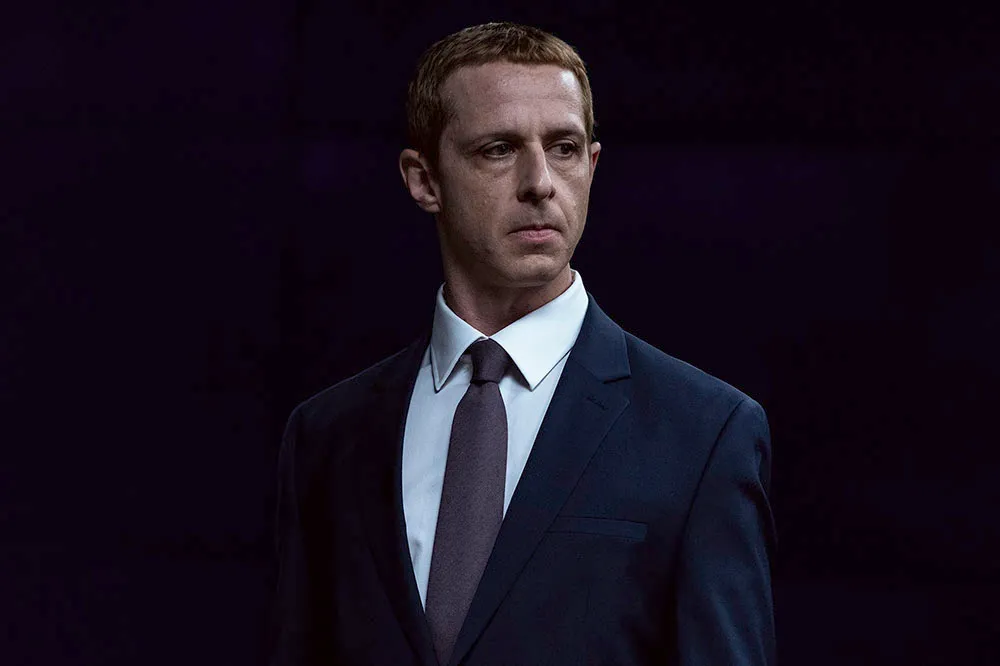
- Aaron Sorkin on Immersive Focus: Sorkin defended the practical realities of working with Strong on The Social Reckoning, noting that the actor’s complete disappearance into Zuckerberg’s psyche yields undeniable results on screen, even if it requires the surrounding crew to adapt to an unconventional on-set protocol.
- Brian Cox on the Limits of Craft: Cox’s critique touches upon the classical British and European theatrical training models, which traditionally emphasize technical mastery, emotional availability on cue, and a swift de-role mechanism. From Cox’s perspective, acting is a craft executed through collaboration, not an endurance test inflicted upon one’s peers.
- The Psychological Toll: Psychological studies within occupational health and performance arts often highlight the risks of role-merging (where an actor’s identity blends with that of the character). For actors like Strong, the boundary between self and subject can blur, leading to heightened stress levels, emotional exhaustion, and strained interpersonal relationships on long, grueling shooting schedules.
Official Statements and Institutional Reactions
As the discourse surrounding high-intensity acting evolves, casting directors, studio executives, and guild representatives are increasingly forced to navigate the fine line between artistic freedom and a harmonious workplace environment.
In the wake of the 2020–2021 industry shifts toward enhanced on-set safety and psychological well-being—spurred in part by post-pandemic protocols and changing workplace standards—the traditional image of the tortured, disruptive method actor has faced heightened scrutiny. Intimacy coordinators and on-set mental health liaisons have become standard for emotionally taxing productions, aiming to protect actors from the exact types of burnout and personal crises that Cox previously expressed concern over.
Despite these cultural shifts, elite auteurs continue to champion actors willing to push past conventional boundaries. Directors like Adam McKay, James Gray, and Aaron Sorkin have repeatedly turned to Strong precisely because his refusal to compromise brings a rare, live-wire authenticity to the screen.
Strong himself has acknowledged the emotional weight of these productions, noting in past interviews with The Hollywood Reporter that while public mischaracterizations and critical comments from colleagues can hurt, he ultimately separates the noise of media narratives from the deep-seated respect and shared artistic victories achieved on set.
Future Outlook: The Social Reckoning and Beyond
The ongoing debate over Jeremy Strong’s methodology shows no signs of abating, and it serves as the ultimate marketing prelude for his next major cinematic venture: The Social Reckoning.
Scheduled for a theatrical release on October 9, the film serves as a spiritual sequel to Sorkin’s acclaimed 2010 masterpiece The Social Network. While the original film chronicled the meteoric, cutthroat rise of Facebook, The Social Reckoning tackles a darker, more turbulent chapter in tech history. The plot centers around the explosive fallout of internal corporate leaks provided by whistleblower Frances Haugen (played by Mikey Madison) and investigated by Wall Street Journal reporter Jeff Horwitz (played by Jeremy Allen White).
Playing Mark Zuckerberg in the modern era of intense regulatory scrutiny, algorithmic fallout, and congressional hearings demands a specific kind of psychological weight—a challenge tailor-made for Strong’s intensive style. Early reports from the set indicate that Strong’s portrayal will be as unsettling, precise, and uncompromising as his previous work.
Whether The Social Reckoning will finally bridge the gap between his critics and defenders remains to be seen. However, one thing is certain: Jeremy Strong has no intention of watering down his craft. As long as directors continue to demand total emotional transparency and audiences reward transformative performances, Strong will continue to walk onto the set, alter the molecules in the room, and demand nothing less than absolute commitment to the truth of the scene.