By Special Correspondent | Bedfordshire, Hertfordshire, and Buckinghamshire
Executive Overview
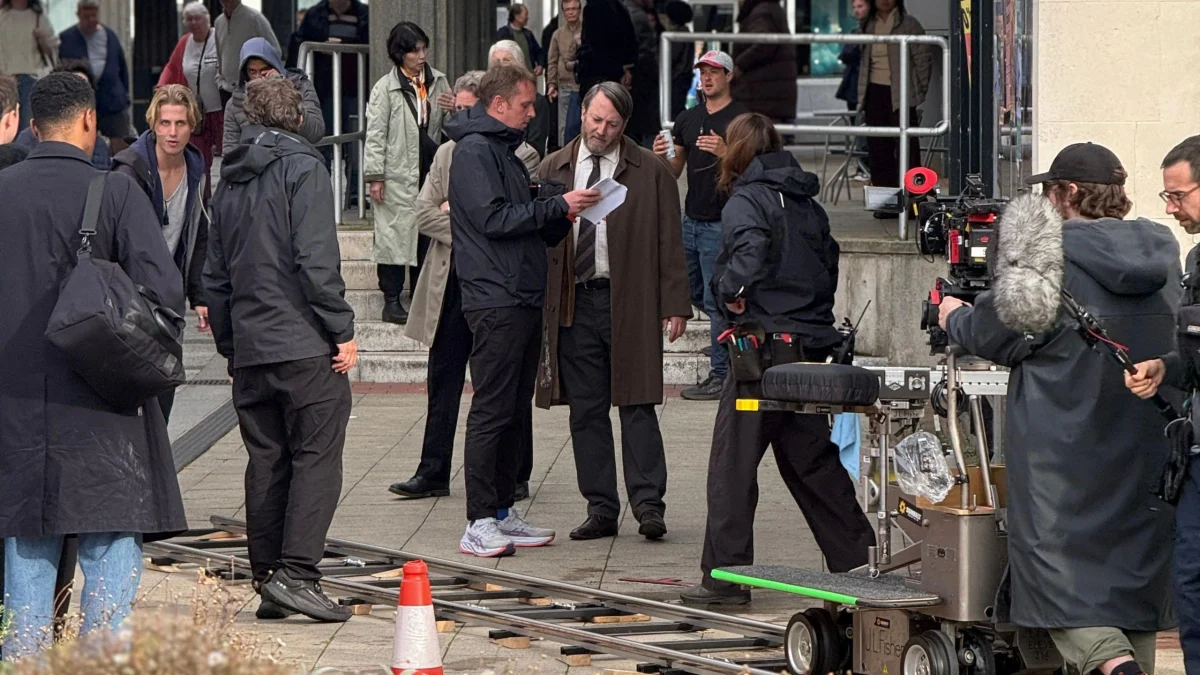
For residents, shoppers, and volunteers in Hemel Hempstead, the familiar high street has recently transformed into a bustling cinematic backdrop. Production crews, vintage cars, artificial rain machines, and familiar television faces have taken over the historic Hertfordshire town to film the third series of the hit BBC comedy-drama Ludwig, starring celebrated actor and comedian David Mitchell.
Yet, beneath the glittering veneer of television production and the palpable excitement of high street filming, a quiet crisis is unfolding. The Liberty Tea Rooms and Community Hub—the very volunteer-run venue currently doubling as a fictional bank for the show—faces an existential threat. Plunged into an "extremely low cash position" amid broader economic headwinds, the vital charity needs to raise £25,000 by the end of October. Without this emergency funding, the doors of this cherished community asset could close permanently.
While the location fee paid by the production team has provided a timely, albeit temporary, cushion, trustees warn that it is not enough to secure the charity’s long-term future. As the high street prepares for the return of normal footfall following the conclusion of filming on October 7, the race is on to secure the financial backing required to keep this beacon of local support alive.
Detailed Chronology: From Community Cornerstone to Cinematic Canvas
The Rise of Liberty Tea Rooms
Founded to combat social isolation and economic hardship, the Liberty Tea Rooms and Community Hub quickly embedded itself into the fabric of Hemel Hempstead. Housed in a former commercial bank on the high street, the venue was never merely a place to enjoy a cup of tea and a scone. Instead, it operated as a hybrid space: part traditional English tea room, part front-line social support agency.

Over the years, the volunteers running the charity have extended a lifeline to hundreds of vulnerable individuals. Whether offering a warm meal to someone facing food insecurity, providing a confidential ear to those battling loneliness, or coordinating debt management advice and food bank parcels, the tea room became an indispensable pillar of local welfare.
The Arrival of the Ludwig Production
In mid-September, the daily routine of the high street was dramatically upended. The BBC’s Ludwig, a critically acclaimed mystery-comedy series starring David Mitchell as a cryptic crossword puzzle creator thrust into the world of criminal investigation, selected Hemel Hempstead for exterior and interior sequences in its upcoming third series.
For weeks, the production team worked closely with local authorities and property owners to transform the town center. Most notably, the frontage of the Liberty Tea Rooms underwent a theatrical metamorphosis. Set designers dressed the building to resemble a fictional high-street bank, complete with convincing signage, security details, and period-appropriate styling.
Production schedules required the tea room to close its doors to the public from September 15 through October 7. Inside and outside the building, cameras rolled as Mitchell—dressed in character—navigated complex scenes alongside co-stars, extras, and crew members. In one particularly ambitious sequence, producers even brought in a specialized rain machine to drench the high street, adding cinematic atmosphere to the unfolding narrative.
The Looming Deadline
While the physical transformation of the building has generated widespread public curiosity and social media buzz, the timeline underscores the urgency of the charity’s financial predicament. With operations suspended during the peak filming window, regular revenue streams from tea room sales have evaporated.

Trustees have already implemented aggressive cost-cutting measures, including deep reductions in staffing expenditures. However, these internal adjustments have proven insufficient to plug the structural deficit. The charity now faces a definitive deadline: raise £25,000 by October 31, or face permanent liquidation.
Supporting Context & Metrics: The High Street Squeeze
Economic Pressures on the British High Street
The plight of the Liberty Tea Rooms is symptomatic of a broader, systemic malaise affecting town centers across the United Kingdom. Independent charities and hospitality venues are currently trapped in a brutal economic crossfire. Surging energy bills, inflated wholesale food costs, and declining consumer disposable income have combined to squeeze profit margins to unsustainable levels.
For community-focused organizations, the challenge is doubly acute. While demand for social support services—such as debt counseling and emergency food parcels—has skyrocketed due to the ongoing cost-of-living crisis, the philanthropic donations and commercial revenues funding those services have steadily dwindled.
+-------------------------------------------------------------------+
|                     THE HIGH STREET CRUNCH                        |
+-------------------------------------------------------------------+
|  [Rising Utility Costs]  +  [Inflationary Food Prices]            |
|                                     /                            |
|             v                       v                             |
|         [Decreasing Consumer Footfall & Spending]                 |
|                            |                                      |
|                            v                                      |
|         [Surging Demand for Charitable Support Services]          |
|                            |                                      |
|                            v                                      |
|         [SEVERE CASH FLOW DEFICIT: £25,000 URGENTLY NEEDED]       |
+-------------------------------------------------------------------+
The Financial Anatomy of the Crisis
To understand how a thriving community hub reached the brink of closure, financial analysts point to the unique vulnerability of volunteer-led models. Unlike corporate enterprises, community hubs operate with razor-thin financial buffers. A single month of closure—even when partially offset by a commercial film location fee—can disrupt cash flow beyond recovery.
- Target Amount: £25,000
- Deadline: October 31
- Primary Revenue Loss: 3+ weeks of suspended tea room and hospitality sales (September 15 – October 7)
- Core Services at Risk: Hot meals program, weekly companionship meet-ups, debt advisory services, and food bank parcel distribution.
Official Statements and Local Perspectives
Mark Kitson, Chairman of the Trustees at Liberty Tea Rooms, has been at the forefront of efforts to balance the excitement of the television production with the stark reality of the charity’s financial audit.

"Lots of towns and high streets are having tough times at the moment," Kitson reflected during an interview on the high street amid the flurry of production activity.
"When you come into the Tea Rooms, someone will welcome you, talk to you if you want a chat, offer a meal if you need it, and can also provide debt advice or a food bank parcel. You might just want tea and a scone, but if you need something more, we will do our very best to help you."
Speaking on the partnership with the Ludwig production team, Kitson acknowledged the mutual benefits, while clarifying the scope of financial relief provided:
"The filming has been brilliant. It’s created a real buzz and excitement on Hemel Hempstead High Street, and for our team and volunteers. They have also paid us a fee for being in the building at a time that we really need the extra funds."
Kitson also highlighted the ancillary benefits promised by the production company. Beyond the financial location fee, the BBC production crew has committed to fully restoring the premises once filming wraps on October 7. This restoration agreement includes repairing a pre-existing broken window and updating the building’s exterior signage, sparing the charity thousands of pounds in deferred maintenance costs.

Local residents and regular patrons have similarly voiced their dismay at the prospect of losing the hub. For many elderly and isolated residents, the tea room is the primary social outlet of their week.
"You cannot put a price on a place where people look you in the eye, ask how you are, and genuinely care about the answer," said one local volunteer who requested anonymity. "If this place goes, a massive hole is going to open up in the heart of Hemel Hempstead."
Future Outlook: A Race Against Time
As the television cameras pack up and the artificial rain dries from the cobblestones of Hemel Hempstead High Street, the spotlight will inevitably shift away from the fictional drama of Ludwig and back to the real-world trials of the Liberty Tea Rooms.
The immediate operational hurdle is clear: reopening safely on October 7, welcoming back regular customers, and leveraging the newfound media attention to drive donations. Trustees have launched an emergency public appeal, urging local residents, businesses, and philanthropic foundations to contribute toward the £25,000 goal.
Critical Milestones Ahead:
- October 7, 2024: Conclusion of filming; formal handover of the building back to charity trustees, complete with minor structural repairs and exterior touch-ups by the BBC production team.
- October 8, 2024: Resumption of normal tea room operations and front-line community support services.
- October 31, 2024: Final deadline for the £25,000 emergency fundraising campaign. Success guarantees structural solvency for the upcoming winter months; failure risks permanent liquidation.
Ultimately, the story of Liberty Tea Rooms serves as a poignant reminder of the fragile ecosystem supporting Britain’s high streets. While television productions like Ludwig bring temporary glamour, laughter, and much-needed financial injections, the true character of a town is defined by how it cares for its most vulnerable citizens. Whether the local community and wider public can rally to meet the £25,000 target will determine if this vital sanctuary survives to serve another day.