Executive Overview
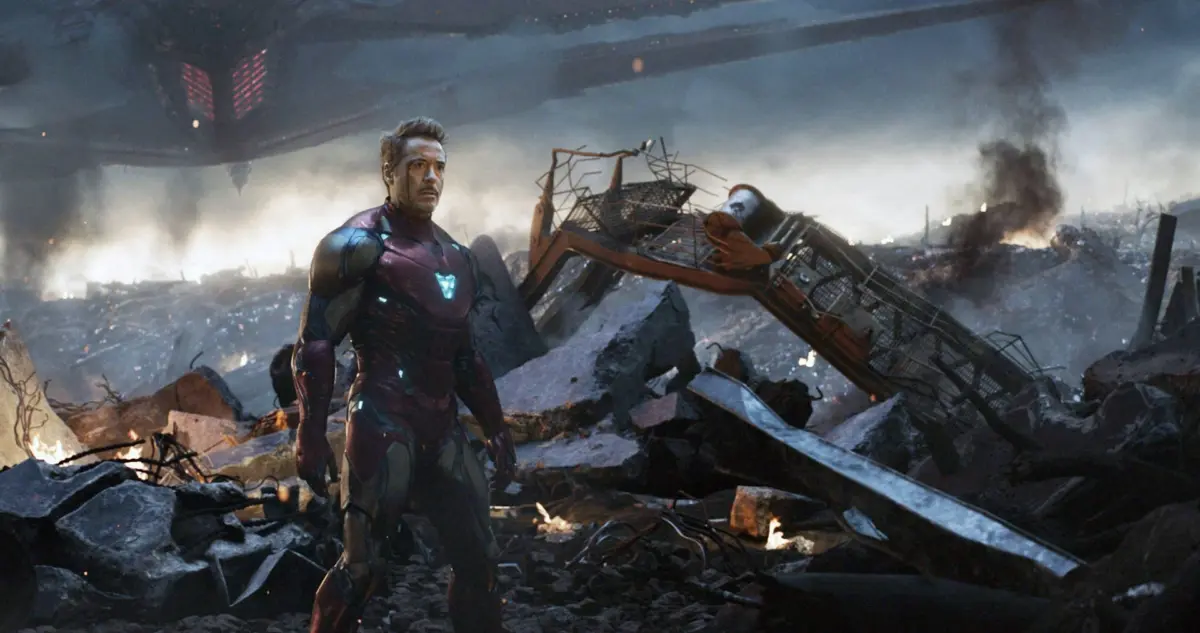
Rumors that had quietly circulated across pop-culture forums for months were definitively confirmed with the release of a sleek, high-definition promotional trailer: Marvel Studios is officially re-releasing its 2019 monumental blockbuster, Avengers: Endgame, into theaters on September 25, 2026. Arriving precisely three months before the highly anticipated holiday theatrical showdown of Avengers: Doomsday, this tactical re-release is far more than a routine anniversary lap or a simple cash grab. It represents a profound, albeit silent, cultural and strategic admission from the House of Ideas.
For years, the Marvel Cinematic Universe (MCU) enjoyed an unassailable golden era anchored by the Infinity Saga—a pioneering 23-film narrative arc that revolutionized modern franchise filmmaking and culminated in Endgame, the highest-grossing film of all time. However, the subsequent era, dubbed the "Multiverse Saga" (2021–present), has struggled significantly. Burdened by an overwhelming expansion into Disney+ television series, sprawling crossover requirements, and an increasingly fragmented narrative, audience enthusiasm has noticeably cooled.
Fandumb research, critical reviews, and box-office receipts all point to a recurring consumer complaint: keeping up with the modern MCU feels less like a recreational escape and more like an academic chore. By pulling Endgame back out of the vault—complete with new bridge footage tying it directly into Doomsday, bringing back classic legacy characters, and leveraging unprecedented levels of nostalgia—Marvel is actively pivoting away from its contemporary struggles. It is seeking refuge in the "good old days" of the Infinity Saga. This article investigates the structural challenges plaguing the Multiverse Saga, the shifting psychology of modern superhero fandom, and what this strategic retrospective reveals about the future of Hollywood’s most dominant intellectual property.
Detailed Chronology: From the Pinnacle of the Infinity Saga to Multiverse Fatigue
To understand the weight of Marvel’s 2026 maneuver, one must trace the historical trajectory of the MCU from its humble, high-stakes beginnings to its current structural crossroads.
The Infinity Saga (2008–2019): A Masterclass in Serialized Storytelling
The modern cinematic landscape was forever altered in the summer of 2008 with the release of Iron Man. Directed by Jon Favreau and starring a then-resurgent Robert Downey Jr., the film was an unexpected triumph that saved Marvel from impending corporate bankruptcy. More importantly, it laid the foundation for a shared cinematic universe—a concept previously confined to comic book pages.
Over the next eleven years, Marvel Studios systematically built the Infinity Saga across three distinct phases. This unprecedented storytelling model interconnected standalone character arcs—spanning Captain America, Thor, the Guardians of the Galaxy, and the Hulk—into a unified trajectory leading toward a singular, cataclysmic confrontation with the Mad Titan, Thanos.
This era was defined by gradual, serial immersion. Audiences were not just watching isolated stories; they were participating in an unfolding historical event. The journey reached its zenith with Avengers: Infinity War and, ultimately, Avengers: Endgame. Grossing nearly $2.8 billion worldwide, Endgame secured its place as the highest-grossing film of all time, backed by an exceptional 94% "Certified Fresh" rating on Rotten Tomatoes. It was the undisputed cultural touchstone of a generation.
The Multiverse Saga (2021–Present): Expansion and Overload
Following the definitive conclusions of Endgame and 2019’s Spider-Man: Far From Home, Marvel faced a daunting mandate: how to follow up the greatest act in modern blockbuster history. The answer was the Multiverse Saga, kicking off Phase Four in 2021.
On paper, the premise was limitless. By introducing alternate dimensions, divergent timelines, and a vast multiverse, Marvel could theoretically tell any story with any character. This era also introduced a massive expansion into episodic television via Disney+. Series like WandaVision, Loki, Moon Knight, and Ms. Marvel promised an immersive, multimedia experience, offering granular, in-depth explorations of both mainstream staples and niche comic book heroes.
However, this ambitious expansion rapidly exposed the structural limits of audience engagement.
Supporting Context & Metrics: The Anatomy of Fandom Fatigue
While industry analysts initially attributed Marvel’s recent struggles to generic "superhero fatigue," empirical data and fandom research tell a vastly different story.
The "Homework" Phenomenon in Fandom
Ongoing academic and qualitative research into superhero fandom reveals a lukewarm, often exhausted perception of the Multiverse Saga. As the initial slate of Disney+ streaming series flooded the market starting in 2021, the sheer volume of content created an insurmountable barrier to entry.
To understand a cinematic release like The Marvels or Doctor Strange in the Multiverse of Madness, viewers were increasingly expected to have watched multiple television shows, spin-offs, and streaming events. In qualitative interviews, Marvel fans frequently characterized keeping up with the MCU as akin to "doing chores" or "doing homework."
Consequently, consumer strategies underwent a radical shift. The audience evolved from enthusiastic, all-inclusive participants into hyper-selective curators. Fans began following one or two favored characters while overtly ignoring the rest—or worse, substituting active viewing with quick Wikipedia summaries and Reddit plot breakdowns. While this fragmentation is a traditional ailment that has historically plagued comic books and long-running serial novels, it had successfully eluded the MCU during its golden Infinity Saga years.
Box Office Realities and Critical Consensus
This psychological shift among viewers is directly reflected in media headlines and box-office performance. Critical outlets began publishing indictments of the franchise’s trajectory, with pieces such as There is no getting back on this ride (The Aftermath) and How Marvel lost its way (TIME) capturing the zeitgeist.
At the box office, the cracks widened into chasms starting with late 2023’s The Marvels, which became the lowest-grossing film in MCU history. A troubling trend established itself: several flagship Multiverse Saga releases struggled to turn a profit or failed to meet expectations, including:
- The Eternals (2021)
- Thunderbolts* (2025)
- Captain America: Brave New World (2025)
- Fantastic Four (2025), which underperformed relative to Marvel’s historical track record despite unique stylistic swings.
Crucially, this cannot be dismissed as mere superhero fatigue. Marvel continues to thrive in alternative mediums—its comic book sales remain robust, its video game adaptations are thriving, and theatrical competitors like Sony’s Spider-Man: Brand New Day have shattered box-office records. The fatigue is specific to the bloated, labyrinthine continuity of the modern MCU.
Official Statements and Industry Implications: A Quiet Admission
Within this challenging context, the September 2026 re-release of Avengers: Endgame reads as Marvel’s quiet admission of its Multiverse Saga missteps. It is an intentional effort to recalibrate audience focus away from scattered plot threads and back toward a simpler, more emotionally resonant era of filmmaking.
Nostalgia as a Strategic Tool
Several industry developments corroborate this strategic retreat into nostalgia:
- The Doomsday Cast Retooling: The upcoming Avengers: Doomsday relies heavily on nostalgic touchstones. Infinity Saga fan-favorites such as Thor and Steve Rogers are slated for prominent comebacks, while Robert Downey Jr.—the foundational icon of Iron Man—is being brought back not as a hero, but as the primary antagonist, Doctor Doom.
- Bridging Footage: The Endgame encore edition will reportedly feature newly produced footage explicitly designed to bridge the events of 2019 directly into Doomsday, effectively bypassing or downplaying several intervening Multiverse developments.
- The Missing Generation: Notably, many of the premier characters introduced during the Multiverse Saga (such as Moon Knight, Echo, and Ironheart) are conspicuously absent from the primary promotional rosters for the upcoming Avengers events.
Historical Precedents in Comic Book Culture
To veterans of superhero media, this sudden narrative pivot is both melancholic and entirely unsurprising. For decades, both Marvel and DC Comics have utilized aggressive continuity purges to revitalize flagging franchises.
The premier historical example remains DC’s legendary Crisis on Infinite Earths (1985–86) comic book event. Faced with decades of tangled, contradictory lore that alienated new readers, DC completely scrapped its preceding multiverse, consolidating decades of stories into a single, streamlined reality while retiring or reimagining core characters.
Marvel’s current strategy mimics this classic comic book toolkit: when an expanding universe becomes too convoluted to navigate, you throw out the elements that failed to connect, lean heavily on the "good parts," and manufacture a fresh starting line.
Future Outlook: Rebuilding the Shared Universe
As the industry looks past the upcoming slate toward the post-Doomsday era and Avengers: Secret Wars, Marvel Studios faces a unique test. The challenge is no longer merely about producing high-quality individual films—a feat Marvel still accomplishes regularly. Instead, the ultimate hurdle is making its sprawling media empire feel like a coherently connected universe once again.
For audiences to invest their time, money, and emotional energy, they must once again understand how individual narrative pieces fit together, why those connections matter, and, most importantly, why they should care.
Whether the Avengers: Endgame re-release and the subsequent arrival of Avengers: Doomsday will amount to a total, hard reset of the MCU remains to be seen. However, by reaching backward into its cinematic history to secure its future, Marvel has acknowledged an immutable law of storytelling: sometimes, to move forward into an uncertain tomorrow, you have to rewind to the exact moment you had the whole world watching.