Executive Overview
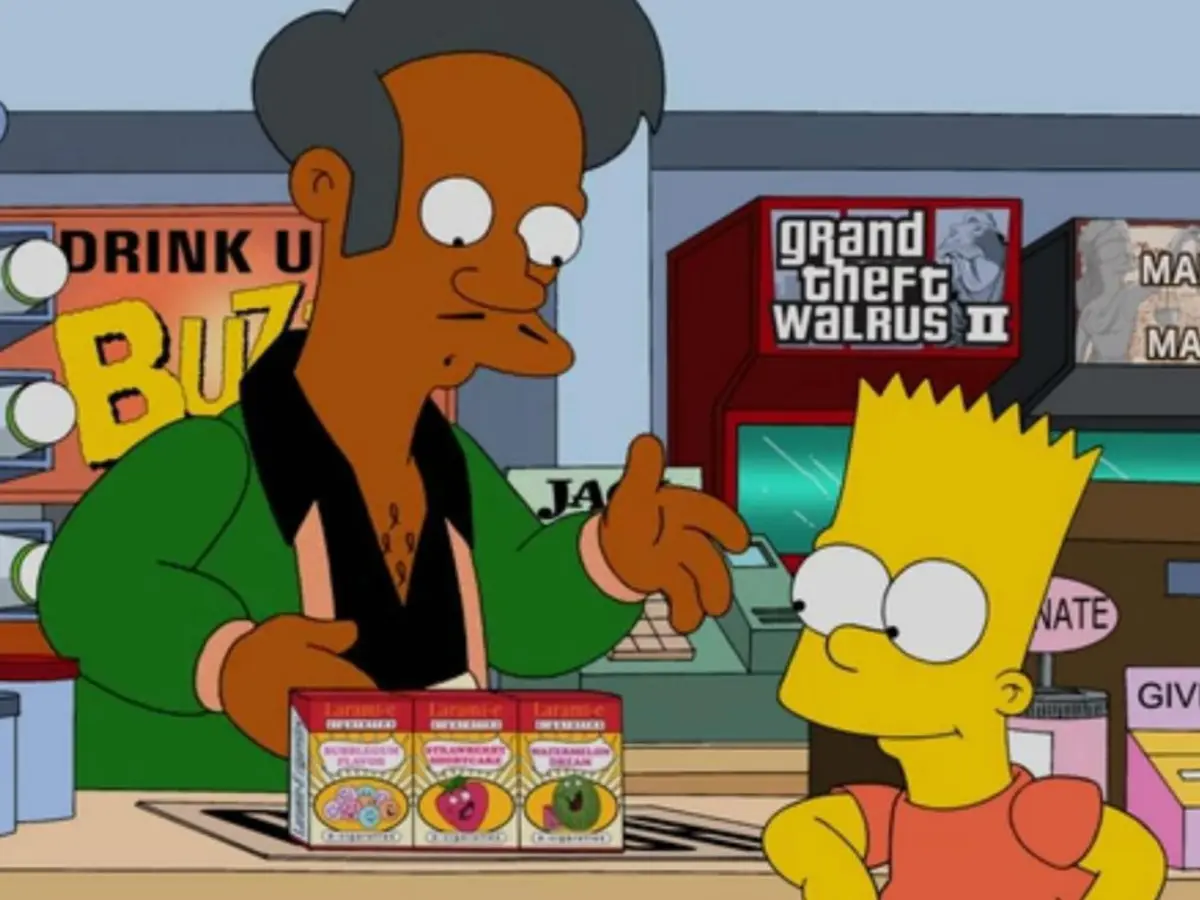
After an eight-year hiatus defined by intense cultural reckoning, accusations of racial stereotyping, and a significant creative void in Springfield, The Simpsons has officially brought back one of its most iconic—and divisive—residents: Apu Nahasapeemapetilon.
In a surprise television moment during Sunday night’s broadcast of "Treehouse of Horror Presents: The Revengening," the Kwik-E-Mart proprietor spoke for the first time since 2017. The character’s long-awaited return marks a watershed moment for the animated satirical sitcom, ending years of speculation over whether the beloved character would ever be permanently retired.
Apu is now voiced by American actor Sunil Malhotra, who immigrated to the United States from India as a child. Malhotra’s casting is accompanied by actress Janina Gavankar (The Morning Show), who has stepped into the role of Apu’s wife, Manjula—previously voiced by Jan Hooks and Tress MacNeille.
The return of the Nahasapeemapetilon family was executed under tight secrecy. Producers enforced strict non-disclosure agreements ahead of the table read to prevent leaks. Following the broadcast, Malhotra and Gavankar took to social media to celebrate what they described as a "homecoming" and a vital act of "reclamation" for South Asian representation in mainstream media.
According to show executives, Apu and his family are slated to become recurring fixtures in Springfield once more. This signals a concerted effort by the creative team to evolve the character past the outdated tropes that sparked widespread controversy nearly a decade ago, steering the beloved animated institution into a more culturally sensitive era.
Detailed Chronology: From Kwik-E-Mart Staple to Cultural Lightning Rod
To understand the weight of Apu’s return, one must examine the complex history that led to his prolonged absence. Introduced in the earliest seasons of The Simpsons, Apu Nahasapeemapetilon quickly evolved from a background convenience store clerk into a multi-dimensional, deeply human character. He was a Yale graduate, an industrious immigrant, a devoted husband to Manjula, and the proud father of octuplets.
However, despite these narrative complexities, the character was voiced by white actor Hank Azaria using an exaggerated, heavily accented caricature. For decades, this portrayal went largely unquestioned by mainstream audiences. However, as cultural conversations surrounding media representation evolved in the 2010s, Apu became the focal point of a growing debate about systemic stereotyping in Hollywood.
The tipping point arrived in 2017, following a subtle acknowledgment by showrunner Al Jean that the character’s legacy was complicated. Public scrutiny reached a fever pitch in 2020 with the release of the feature-length documentary The Problem with Apu, directed and narrated by Indian-American comedian Hari Kondabolu. The film dissected how the character had negatively impacted generations of South Asian Americans, who frequently faced mockery, bullying, and racial microaggressions drawn directly from Azaria’s performance.
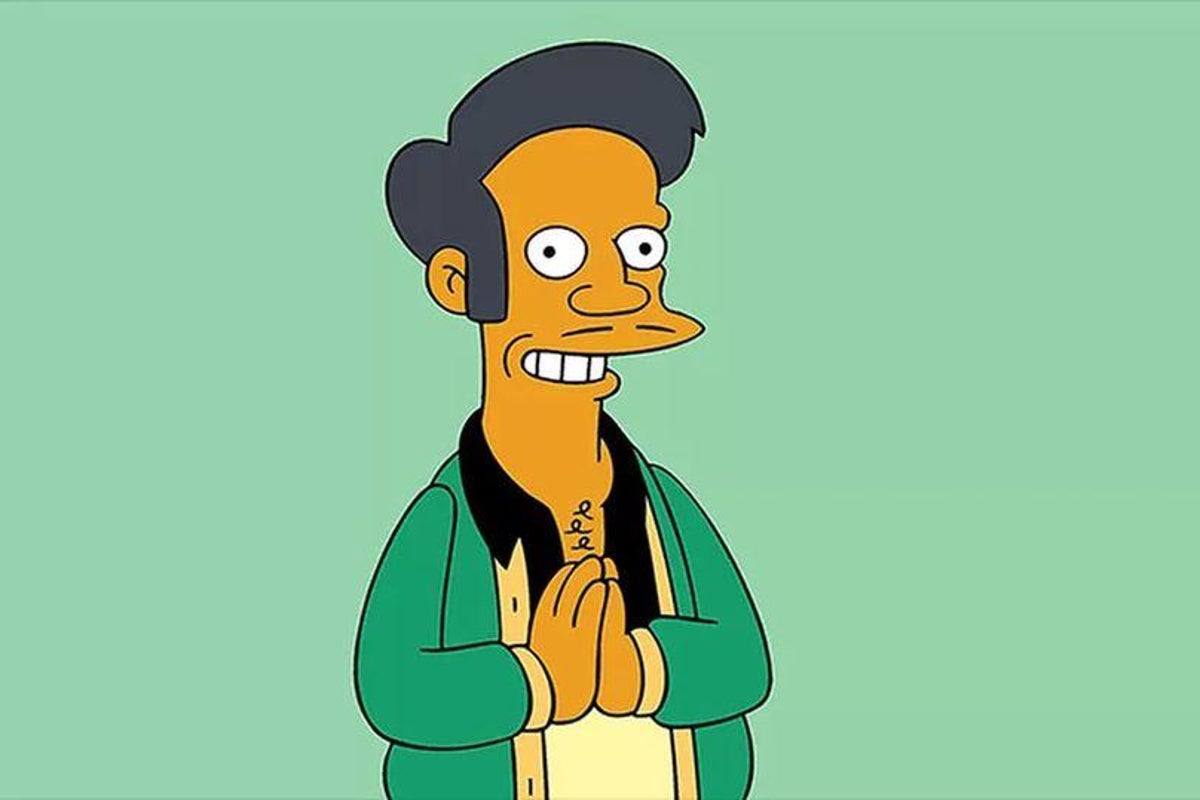
Faced with mounting pressure, Hank Azaria officially stepped down from the role in 2020, later expressing profound remorse during an interview on Dax Shepard’s Armchair Expert podcast. "Part of me feels like I need to go to every single Indian person in this country and personally apologise," Azaria admitted.
Following Azaria’s departure, the creative team opted to bench the character entirely. Apu remained conspicuously silent in subsequent episodes, reduced to silent background cameos that left fans wondering whether the Kwik-E-Mart owner had been permanently written out of television history.
Supporting Context & Metrics: The Anatomy of a Casting Breakthrough
The path to bringing Apu back was fraught with hesitation, primarily from the actors approached to fill the role. According to reports from Variety, Sunil Malhotra was initially reluctant when his agent presented him with the audition opportunity.
"When my agent called me about a Simpsons audition, I knew exactly what role it was for, and the idea actually made my stomach sink," Malhotra revealed. The historical baggage associated with the character created an understandable barrier for actors mindful of community perception.
Yet, curiosity and a desire for institutional change ultimately prevailed. Malhotra noted that eight years of silence from Apu prompted critical questions about the behind-the-scenes evolution of The Simpsons:
- Had the writers’ room diversified?
- Could the production team genuinely acknowledge and apologize for past mistakes?
- Was it possible to reclaim the character without alienating longtime fans?
Before officially signing on, Malhotra insisted on a direct dialogue with showrunner Matt Selman and co-executive producer Cesar Mazagriegos. This collaborative approach proved vital in ensuring that Apu’s reintroduction would be handled with nuance, dignity, and acute self-awareness.
For Janina Gavankar, stepping into the role of Manjula represented a similar opportunity to reshape a classic character. By casting two actors of South Asian descent, The Simpsons production team demonstrated a commitment to authentic representation that rectifies past casting blind spots while preserving the comedic fabric of the long-running series.
Official Statements: Inside the Writers’ Room and the Recording Booth
The collaboration between the new voice cast and the executive leadership team was designed to ensure that Apu’s return felt earned rather than gimmicky.
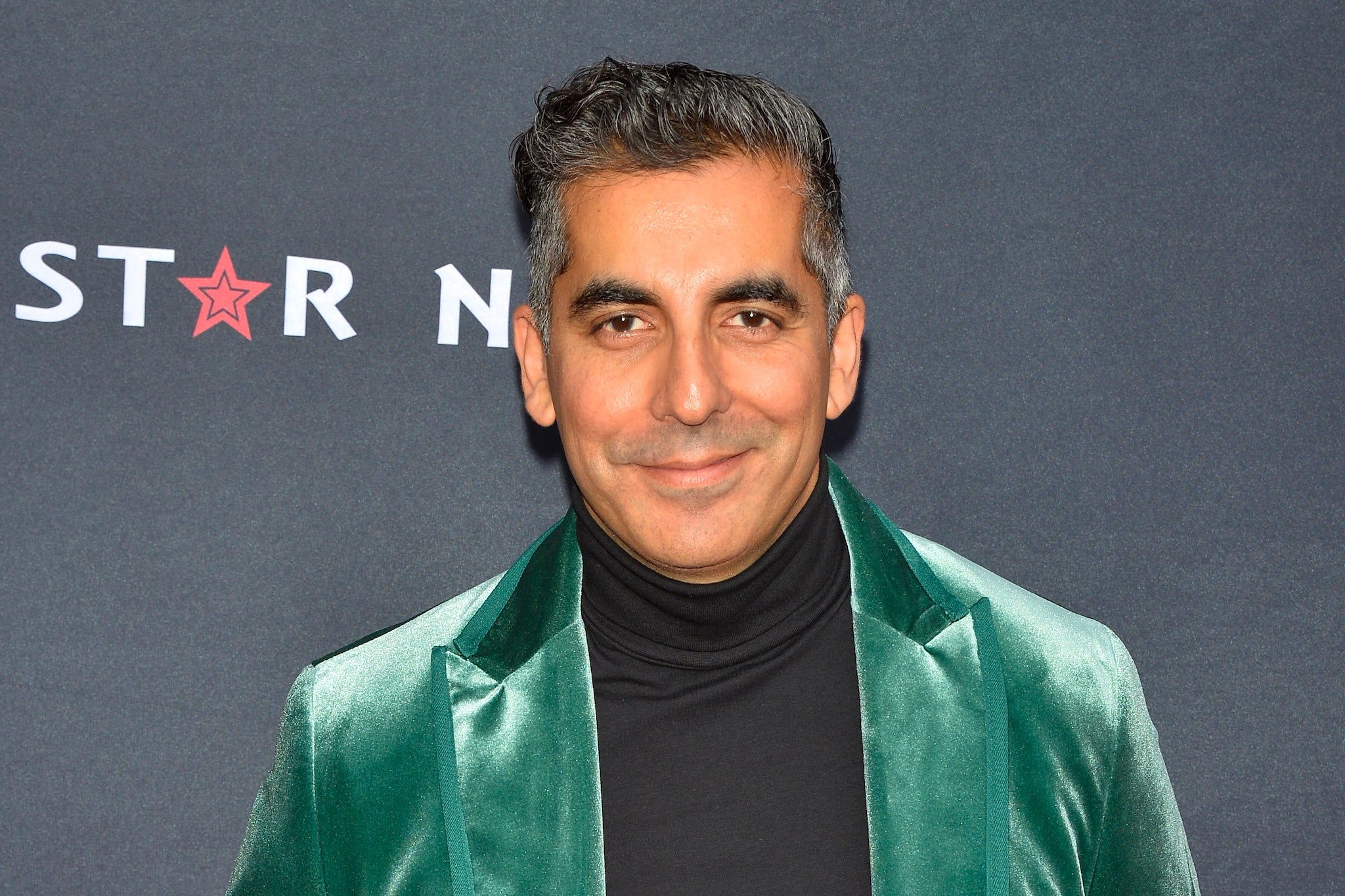
Showrunner Matt Selman emphasized the enduring affection the creative team holds for the character, coupled with a clear mandate for narrative growth. "We love this character, and wanted to bring him back in a smart, Simpsons-y way that allowed him to evolve," Selman told Variety. "We’re excited by what Sunil has already brought to the role, and look forward to seeing more of Apu in the future."
Sunil Malhotra echoed these sentiments, highlighting the emotional weight of the production process. Describing the revival as a "deeply collaborative experience," Malhotra expressed hope that the new iteration would resonate broadly: "I hope [it] is equally satisfying for longtime fans of The Simpsons and for other South Asian kids who, like me, stopped watching at some point along the way."
In their joint Instagram statement, Malhotra and Gavankar expanded on this sentiment, framing the narrative shift as a milestone for cultural inclusivity in animation. "Bringing Apu back feels like a reclamation. It truly IS his homecoming," Malhotra wrote, capturing the collective optimism shared by the actors and the production crew.
Future Outlook: A New Chapter for Springfield
Apu’s triumphant return signals more than just a casting update; it represents a major milestone in how legacy media properties can address historical missteps without entirely discarding their foundational history.
By centering authentic South Asian voices in the recording booth and fostering an open dialogue with the creative team, The Simpsons has charted a path forward for Springfield’s most famous merchant. As Apu and the Nahasapeemapetilon family prepare for more frequent appearances in upcoming episodes, viewers will be watching closely to see how the writers navigate this new era.
The revival proves that even a show in its fourth decade can adapt, listen, and evolve. For fans who feared they had heard the last of the Kwik-E-Mart’s chime, Apu’s return ensures that Springfield remains a dynamic, reflective mirror of our ever-changing cultural landscape.