Executive Overview
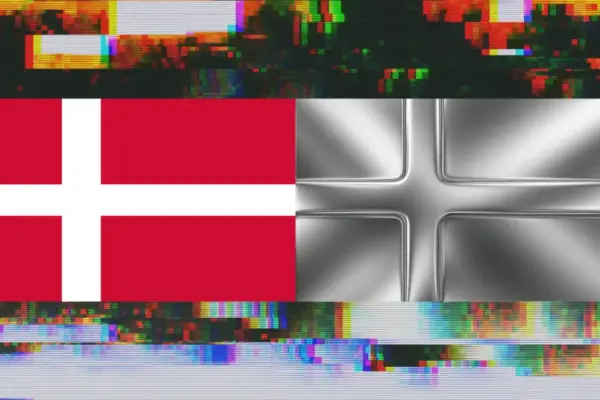
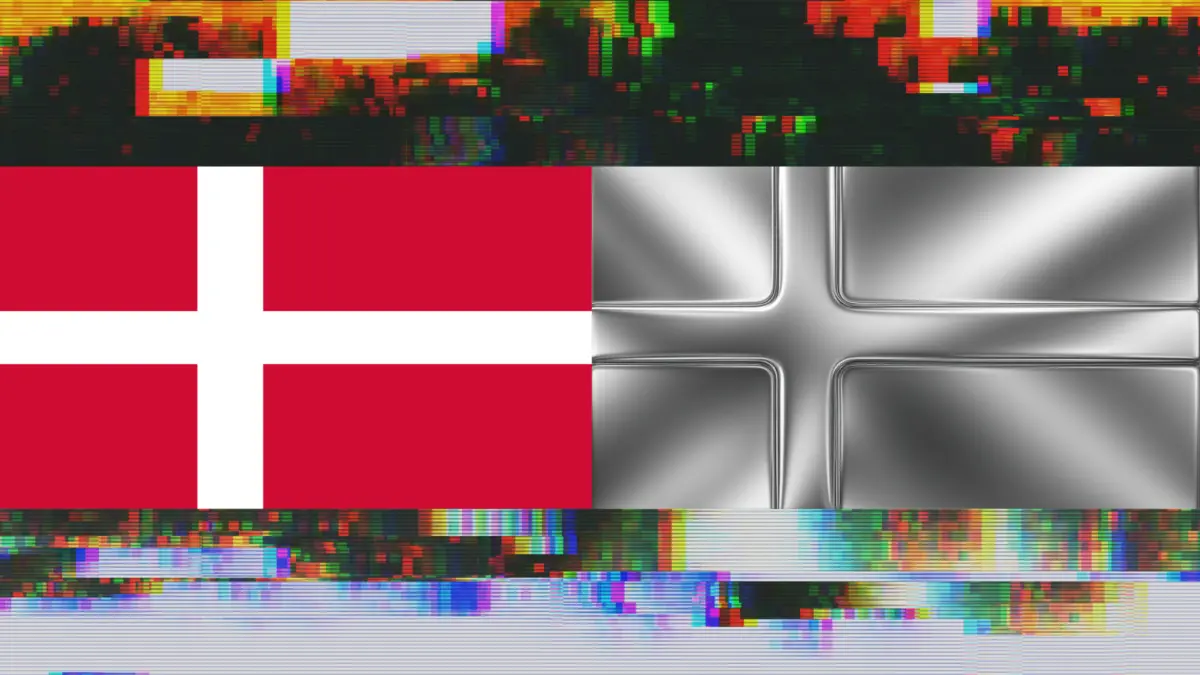
As generative artificial intelligence continues its meteoric ascent, reshaping industries and dissolving the boundaries between authentic and synthetic media, governments worldwide are scrambling to establish legal guardrails. In an assertive move that could set a landmark global precedent, Denmark has emerged at the vanguard of this legislative battle. Danish Culture Minister Zenia Stampe has officially introduced revised parliamentary proposals designed to grant performers—and citizens at large—robust legal mechanisms to block unapproved digital replicas, synthetic voice clones, and hyper-realistic deepfakes.
The proposed legislation, which amends existing Danish copyright frameworks while forging an entirely novel category of personal rights, arrives at a critical juncture for the creative economy and digital governance. With the stroke of a legislative pen, Denmark is positioning itself alongside parallel efforts in the United States Congress, offering a blueprint that international jurisdictions—including the United Kingdom and the broader European Union—will undoubtedly scrutinize as they formulate their own responses to the deepfake crisis.
At its core, the Danish bill addresses a dual threat: the proliferation of malicious misinformation that erodes public trust in democratic discourse, and the economic exploitation of artists whose livelihoods are imperiled by unauthorized digital cloning. By establishing clear prohibitions against unauthorized realistic imitations of a person’s voice or likeness, the legislation seeks to restore integrity to the digital public square while unlocking legal pathways for legitimate, consensual commercial licensing.
With Minister Stampe targeting an ambitious implementation date of early next year, this comprehensive report explores the genesis of the Danish bill, its intricate legal mechanics, the broader geopolitical and industry context, and what these sweeping changes mean for the future of human creativity in the age of algorithmic replication.
Detailed Chronology: From Concept to Parliamentary Reality
The journey toward Denmark’s groundbreaking digital replica legislation is not an isolated policy shift; it is the culmination of sustained legislative maneuvering, political transitions, and escalating industry urgency.
The Foundation: Last Year’s Initial Frameworks
The groundwork for the current bill was laid last year, when early drafts and exploratory discussions regarding the regulation of generative AI began circulating within Danish cultural policy circles. As synthetic media tools evolved from clunky novelties into sophisticated, accessible software capable of cloning voices and mapping faces with terrifying accuracy, lawmakers recognized that traditional legal frameworks—traditionally anchored in static definitions of copyright and defamation—were fundamentally inadequate.
Political Transitions and Ministerial Renewal
The legislative momentum experienced a temporary pause earlier this year, precipitated by a general election and a subsequent change in government. However, rather than shelving the initiative, the new administration recognized the urgency of the issue. In June, Zenia Stampe assumed office as Denmark’s Minister of Culture. Identifying the protection of human authorship, artistry, and personal integrity as a primary portfolio mandate, Stampe immediately prioritized the revival and refinement of the digital replica bill.
The Parliamentary Presentation
Yesterday marked a pivotal milestone in this timeline. Standing before the Danish parliament, Minister Stampe formally tabled the revised proposals. This presentation served not merely as a reintroduction of previous drafts, but as a sharply focused, modernized legislative instrument tailored to meet the lightning-fast advancements of modern AI architectures. The bill now stands as a central pillar of the government’s digital rights agenda, poised to move through the parliamentary committee stages with strong bipartisan and industry interest.
Supporting Context & Metrics: The Global Deepfake Crisis and Industry Impact
To fully grasp the significance of the Danish intervention, one must examine the broader socio-technical landscape that has necessitated such drastic legislative intervention.
The Democratization of Deception
For decades, the creation of convincing visual and auditory replicas required Hollywood-scale budgets, specialized visual effects studios, and significant computing power. Today, open-source AI models and commercial software enable bad actors—and curious amateurs—to generate hyper-realistic video and audio imitations with mere keystrokes. As Minister Stampe aptly noted during her parliamentary address, manipulated videos and images can be deployed with just a few clicks, instantly disseminated across social media ecosystems where algorithmic amplification rewards sensationalism over truth.
The metrics surrounding synthetic media abuse are sobering. Cybersecurity and digital forensics firms report exponential year-over-year increases in deepfake production, with audio-based voice cloning increasingly weaponized in executive fraud, political interference, and non-consensual pornography. In the artistic and entertainment sectors, the threat is equally existential. Voice actors, musicians, and screen actors find their most valuable assets—their distinct vocal timbres and recognizable physical likenesses—harvested without consent to train generative models that can then work in perpetuity, entirely bypassing the human creator.
A Fragmented Global Legislative Landscape
Denmark’s initiative does not exist in a vacuum. Around the globe, lawmakers are grappling with how best to protect citizens from unauthorized digital replication:
- The United States: In Washington, federal lawmakers have introduced proposals for a federal digital replica right, complementing a patchwork of state-level laws (such as those in California and Tennessee, including the landmark ELVIS Act, which specifically targets unauthorized AI voice cloning in the music industry).
- The European Union: While the EU Artificial Intelligence Act introduces sweeping horizontal regulations regarding risk categorization, transparency, and prohibited AI practices, individual member states retain the autonomy to forge specific civil and criminal rights concerning personal identity and personality.
- The United Kingdom: Parliamentary committees in Westminster are actively monitoring international developments. Experts widely anticipate that the outcomes of both the US legislative pushes and Denmark’s pioneering copyright amendments will directly inform how the UK shapes its own forthcoming reforms to combat digital identity theft.
Official Statements: Perspectives from Policy, Law, and Industry
The reception of the Danish bill has been marked by a rare alignment between government officials, legal scholars, and creative industry stakeholders.
Minister Zenia Stampe on Protecting Human Agency
Addressing the parliament, Minister Stampe articulated the philosophical and moral imperatives driving the legislation. She framed the initiative not merely as a technical amendment to trade law, but as a fundamental defense of human dignity:
"Protecting human creativity is one of my most important tasks as Minister of Culture. That’s why I’m very pleased that one of my first bills is about securing the right to one’s own body and voice."
Expounding on the societal dangers posed by unchecked generative technologies, Stampe highlighted the erosion of shared reality:
"With AI, you can create manipulated videos and images with just a few clicks and share them on social media. This can lead to misinformation and create doubt about what is real. Now we’re stopping digital identity theft and helping artists whose livelihoods are being threatened."
Legal Analysis: Unpacking the Mechanics with Jakob Plesner Mathiasen
To understand how the legislation functions under the hood, legal experts have offered critical structural breakdowns. Jakob Plesner Mathiasen, a prominent attorney with the Danish law firm Gorrissen Federspiel and a director of the record industry trade group IFPI Denmark, shared detailed insights via professional networks following the bill’s introduction.
Mathiasen clarified that the legislation’s scope is technologically neutral, capturing both cutting-edge AI methodologies and older digital manipulation techniques:
"The provision covers both AI-generated deepfakes and imitations created using more traditional digital editing tools."
However, Mathiasen was careful to delineate the legal boundaries, noting that the statute is intentionally calibrated to avoid criminalizing harmless expression:
"The law only applies to realistic imitations that create an obvious likelihood of confusion with the actual person."
Crucially, Mathiasen illuminated an important nuance regarding the legal nature of the protection itself. Although the mechanism is integrated into Danish copyright legislation as an amendment, it purposefully avoids the traditional classifications of intellectual property:
"It does not constitute a copyright or a related right. Instead, it is a separate protection of personal characteristics."
This distinction is vital. By treating the right to one’s likeness and voice as an inherent attribute of personal identity rather than a transferable economic commodity, the law grants citizens and performers an inalienable baseline protection. Yet, because it exists within a clear commercial and legal framework, it simultaneously enables rights-holders to license those very characteristics under controlled, voluntary agreements.
The Legal Architecture: Scope, Exceptions, and Enforcement
A granular examination of the Danish bill reveals a meticulously balanced legislative instrument designed to protect individual autonomy without infringing upon foundational democratic principles such as freedom of expression.
Core Prohibitions
At its structural center, the bill amends Danish copyright law to render the unauthorized public dissemination of realistic digital imitations of a person’s voice or likeness illegal without explicit consent. Whether an actor’s face is digitally superimposed onto explicit or commercial media, or a singer’s vocal cords are synthetically mimicked to release an unapproved chart-topping track, the act constitutes a direct statutory violation.
Safeguarding Freedom of Expression: Exemptions and Overrides
Recognizing that absolute prohibitions on imitation could severely chill satire, political commentary, and artistic critique, the bill incorporates explicit statutory exceptions. Creators retain the legal right to utilize likenesses and voices for:
- Caricature
- Parody
- Criticism
However, these exemptions are not absolute. The draft law includes a vital safety valve: the exceptions for parody and critique do not apply if the imitation crosses the threshold into harmful misinformation. Specifically, the bill stipulates that if an imitation:
"…constitutes misinformation that could specifically cause serious danger to the rights or essential interests of others or could create a specific danger to life or property,"
…then the protections of caricature and parody are immediately stripped away, exposing the creator to severe legal liability. This nuanced carve-out ensures that while late-night comedy sketches and political satire remain protected, malicious deepfakes designed to incite violence, defame individuals, or disrupt public safety face unyielding legal force.
Enforcement Mechanisms and the Role of Tech Giants
Enforcement in the digital age requires more than retrospective litigation; it demands rapid operational intervention. Minister Stampe emphasized that a primary objective of the legislative framework is to compel major technology platforms and social media conglomerates to act decisively:
"One of the main goals of the bill is to get the tech giants to take down manipulated content quickly, so that it causes the least possible harm."
By establishing clear legal liability and defining unauthorized digital replicas as unlawful, the Danish government is effectively dismantling the safe-harbor defenses traditionally relied upon by social media platforms. Under the new regime, platforms that fail to expeditiously remove flagged deepfakes and unauthorized voice clones could face severe regulatory penalties, incentivizing the implementation of automated detection filters and rapid-response moderation teams.
Future Outlook: Commercial Opportunities and Global Implications
As Denmark’s digital replica bill winds its way toward parliamentary ratification, its ripple effects are already being felt across the creative industries—most notably within the global music and entertainment sectors.
Unlocking the Licensing Economy
While much of the public discourse surrounding AI regulation focuses on prohibition and defense, industry insiders are increasingly looking at the commercial upside. For musicians, voice actors, and public figures, clear legal rights create the foundation for a vibrant licensing market.
With unambiguous ownership over their personal characteristics, artists who choose to participate in the AI economy will be empowered to monetize their digital avatars and voice models safely. Rather than having their voices pirated by rogue operators in the dark corners of the internet, artists can enter into lucrative, highly structured licensing agreements directly with AI developers, streaming platforms, or brand partners. This transforms a technological threat into a managed revenue stream, ensuring that human creators are justly compensated when their digital likenesses are employed in commercial ventures.
The Timeline Ahead
Minister Stampe has made it clear that the Danish government views speed as essential in combating an adversary that evolves by the day. Citing technology that is "developing at lightning speed," the Ministry of Culture has set an aggressive target: the new protections are expected to come into effect by the start of next year.
Conclusion: A Global Blueprint
As Denmark prepares to enact these pioneering provisions, the international community will be watching closely. If the Danish model successfully balances individual identity rights, freedom of expression, and rapid tech-platform accountability while simultaneously fostering a sustainable commercial licensing market, it will undoubtedly serve as the gold standard for global digital governance. In the face of an algorithmic tide that threatens to blur truth into oblivion, Denmark is drawing a firm, principled line in the digital sand—proving that human identity, voice, and creativity remain worth defending.