For millennia, humanity has engaged in a complex, reciprocal relationship with alcohol. From the sacred rituals of the ancient world to the modern weekend pub crawl, the pursuit of intoxication has remained a constant cultural staple. Yet, this shared human pastime comes with a universally dreaded tax: the hangover. Characterized by a debilitating symphony of physical ailments—throbbing headaches, wave-inducing nausea, persistent fatigue—and a heavy psychological toll of anxiety, self-loathing, and regret, the morning-after experience is as old as civilization itself.
In the modern era, the psychological sting of a heavy night out has only been magnified. The ubiquitous smartphone and permanent digital footprint mean that the foggy memories of uninhibited behavior are frequently accompanied by permanent photographic evidence online, forever open to public judgment. While the age-old adage that "the best cure for a hangover is not drinking too much" remains impeccably accurate, it offers precious little comfort to the afflicted waking up with the room spinning.
This deep-dive investigation explores the cultural, historical, and biological landscape of excessive drinking and its miserable aftermath. By examining ancient texts, biblical narratives, medieval literature, and modern scientific inquiry, we uncover how our ancestors viewed excess, how they attempted to cure the morning-after affliction, and why the modern quest for a magic bullet may ultimately be a philosophical impossibility.
Detailed Chronology: A History of Excess and Regret
The cultural pedigree of heavy drinking is extensive, stretching back to the earliest recordings of human civilization. Over the centuries, society has oscillated between celebrating wine as a divine connector and condemning drunkenness as a moral failing, leaving a rich trail of historical documentation in its wake.
Classical Antiquity: Philosophy, Gods, and Dilution
In ancient Greece and Rome, alcohol was deeply woven into the fabric of daily life, religion, and politics, but it was rarely approached with unmitigated abandon.
c. 385–370 BC: Plato’s Symposium captures a legendary drinking party where elite guests debate the nature of love. A vivid contrast is drawn between the disruptive, chaotic drunkenness of the gatecrasher Alcibiades and the legendary capacity of Socrates, who could drink everyone under the table while remaining completely sober, entirely avoiding the wrath of a hangover.
The Cult of Dionysus: Worshippers of Dionysus, the Greek god of wine, viewed intoxication not merely as a social lubricant, but as a mystical pathway to transcendence. In Orphic Hymn 29, an ancient collection attributed to the mythical poet Orpheus, devotees called upon the deity to "give me in blameless plenty to rejoice," framing alcohol as a bridge to the divine.
The Barbarism of Undiluted Wine: Despite their love for wine, the Greeks and Romans considered drinking it neat to be dangerous, uncivilized, and distinctly barbaric. The ancient historian Herodotus recorded the fate of Cleomenes I, the King of Sparta, who allegedly went violently mad after drinking undiluted wine with the Scythians—a nomadic warrior tribe from ancient Siberia renowned for their ferocious combat style.
Biblical Warnings and Antiquity’s Transgressions
Religious texts from the ancient Near East similarly grappled with the perils of unchecked fermentation.
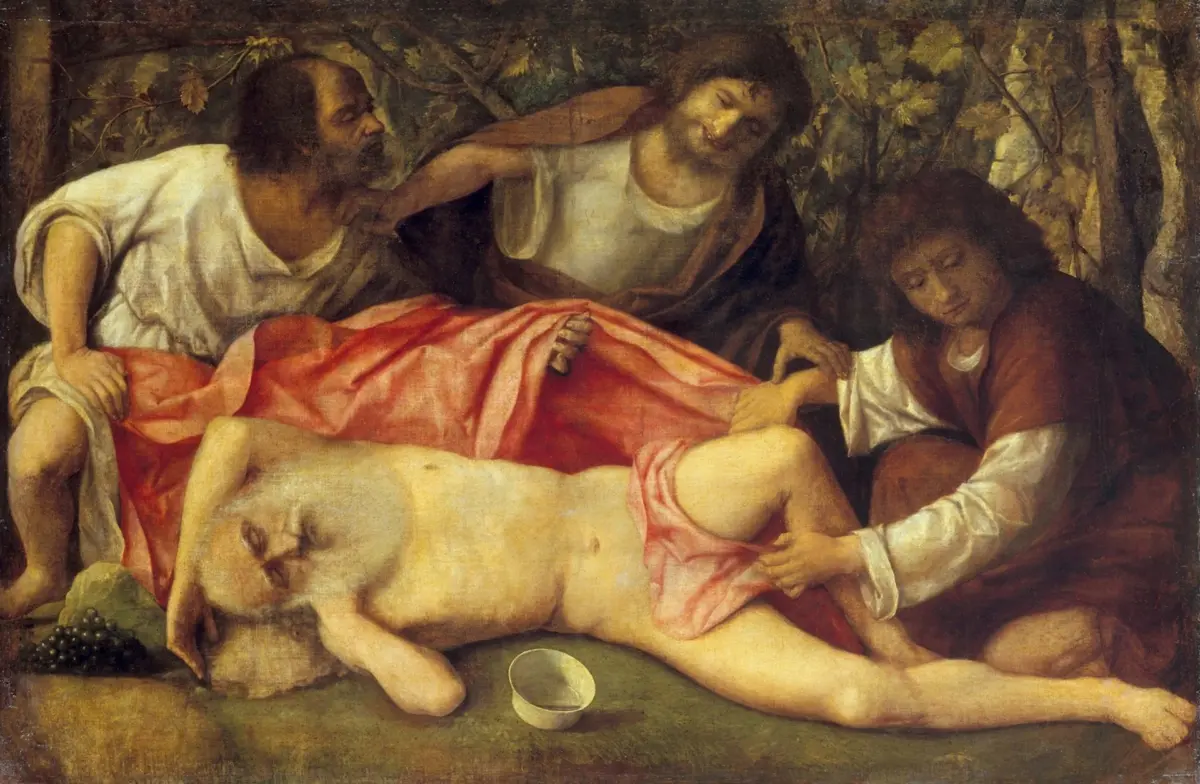
The Story of Noah: Following the devastation of the biblical flood, Noah famously planted a vineyard, harvested the grapes, and made wine. He subsequently drank to excess, passing out naked in his tent. His son, Ham, discovered him and informed his brothers, Shem and Japheth, who respectfully covered their father without looking upon his nakedness. Upon waking up and realizing what had transpired, an irascible Noah cursed Ham’s descendants.
Scholarly Interpretations: Biblical scholars have long debated the exact nature of Ham’s transgression. While traditional readings point to simple voyeurism, researchers John Sietze Bergsma and Scott Walker Hahn argue that the act constituted maternal incest, noting that elsewhere in biblical scripture, the "nakedness of the father" is synonymous with that of the mother.
Lot and His Daughters: Later in Genesis, Lot is twice reduced to a state of profound alcoholic stupor by his daughters, who subsequently engage in incestuous relations with him on consecutive nights without his awareness in order to preserve their lineage. While explicit mentions of hangovers are absent from these texts, Noah’s immediate, vicious wrath certainly bears all the behavioral hallmarks of a severe morning-after withdrawal.
The Medieval and Early Modern Era: Ales, Vices, and "Malt Worms"
As Christianity took root across Europe, it largely adopted the classical stance of endorsing moderate drinking while fiercely condemning the total loss of control as the deadly sin of gluttony.
The Eucharistic Standard: Until the Reformation, wine held a sacred, elevated status in medieval Europe and Britain. Transformed into the blood of Christ during the Eucharist, it was simultaneously consumed as a luxury marker of high secular rank. Put simply, only the wealthy could afford to get drunk on wine.
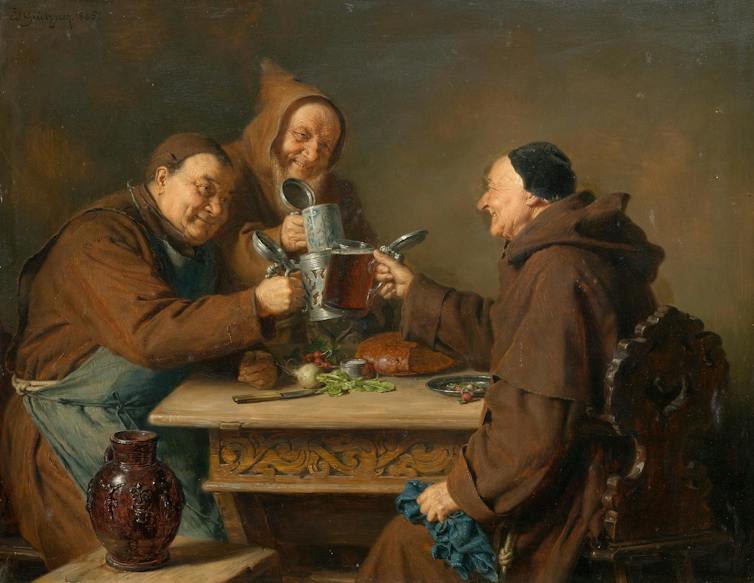
The Blame on Beer: While early modern guides on healthy living warned of the physical dangers of heavy wine consumption, the authorities reserved their harshest condemnations for strong beer and ale—the cheaper, ubiquitous tipples of the working classes. These beverages were routinely blamed for public disorder and anti-social behavior.
The Den of Iniquity: In medieval and early modern England, the alehouse was viewed as a breeding ground for sin. William Langland’s 14th-century allegorical poem, Piers Plowman, vividly illustrates this, depicting the personification of Gluttony being fatally waylaid on his way to church by Betty the Brewster.
Andrew Boorde’s 16th-Century Observations: In his 1542 health guide, A Compendious Regiment, or A Dietary of Health, English physician Andrew Boorde detailed the agonizing physiological effects of a bender: "the wits or senses be dull… the appetite is withdrawn; the head is light, and doth ache." Boorde was likely describing the aftermath of heavy ale consumption, famously referencing the "malt worm"—a term that originally described a weevil infesting brewing grain, but quickly evolved into colloquial slang for a chronic heavy drinker whose head felt like "all the world runneth round about on wheels."
Supporting Context & Metrics: The Historical Quest for Cures
Faced with the inevitable consequences of over-indulgence, historical figures and early medical practitioners proved just as desperate for a remedy as modern weekend revellers. Interestingly, the historical approach relied heavily on prevention.
Ancient and Medieval Preventative Measures
Boorde and his contemporaries heavily recycled classical Greco-Roman texts to devise pre-drinking strategies designed to forestall the misery of the morning after. Historical medical literature regularly championed specific preventative ingestions prior to a heavy session:
Almonds
Cabbage
Baked quinces
Wormwood (an early precursor to absinthe)
The lungs of a goat
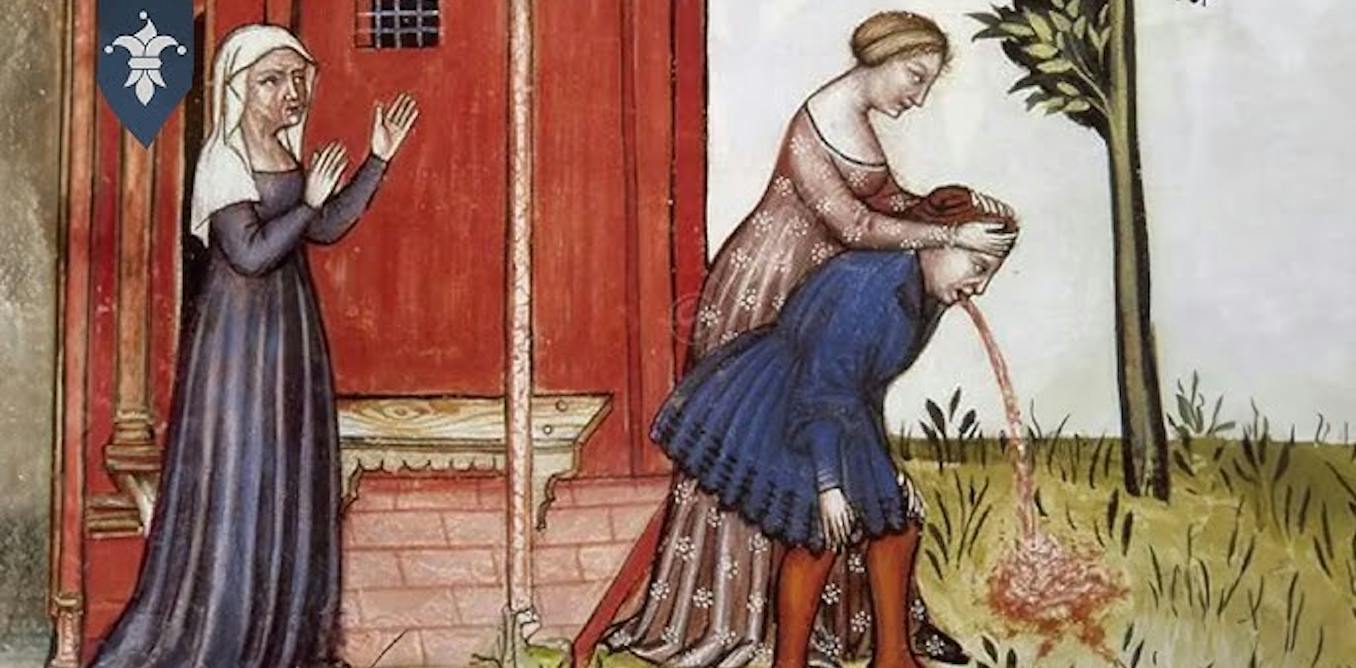
If prevention failed, historical remedies shifted toward recovery. Dietary authors of the period praised moderate physical exercise—specifically walking—and prolonged sleep, reserving medically induced vomiting as an absolute last resort to purge the body of lingering toxins.
Modern Science Weighs In
Does modern pharmacological science offer any genuine hope of bypassing the hangover? A recent, comprehensive review published in the journal Addiction evaluated various potential treatments and singled out tolfenamic acid (an anti-inflammatory drug), pyritinol (a vitamin B6 derivative), and more readily available clove extract as compounds that "merit further study."
However, researchers were quick to caution that these findings are currently built upon "very low quality evidence." Interestingly, medieval dietary writers had praised cloves centuries earlier for their restorative properties and ability to soothe stomach ailments.
Yet, any medical pursuit of a definitive "cure" is fundamentally flawed. It rests on the questionable philosophical premise that humans can systematically abuse their physical and psychological well-being through excess, yet instantly undo the biological damage with a pill, potion, or breakfast sandwich.
Official Perspectives and Expert Insights
The psychological dimensions of the hangover have long puzzled authors, psychologists, and cultural critics alike. Writing in his seminal, highly entertaining 1972 book On Drink, British novelist and essayist Kingsley Amis dedicated an entire chapter to unpacking the dual nature of the hangover, dividing its symptoms into two distinct categories: the physical and the metaphysical (emotional and psychological).
Amis famously posited that treating a metaphysical hangover—the acute anxiety, self-loathing, and existential dread—cannot be achieved through standard medical remedies. Instead, he prescribed "hangover reading" and "hangover listening": specific books and pieces of music curated to deliberately induce a melancholic state of mind.
"You must feel worse emotionally before you start to feel better," Amis argued.
In this light, experiencing the full psychological weight of a hangover rather than attempting to mask or chemically suppress it serves as a necessary psychological penance. It is the modern, secular equivalent of the medieval Christian ideal of mortification—a painful, unavoidable reckoning required to expiate the "sin" of excessive indulgence.
Future Outlook: Can Science Ever Conquer the Morning After?
As biotechnology advances, biotech startups and pharmaceutical laboratories continue to pour funding into synthetic enzymes, genetically modified probiotics, and liver-support supplements designed to break down acetaldehyde—the toxic byproduct of alcohol metabolism—before it can wreak havoc on the human body.
While these innovations may eventually shave the sharpest edges off a morning-after headache, the fundamental human equation is unlikely to change. The physiological cost of alcohol consumption is deeply hardwired into human biochemistry. Dehydration, immune system activation, inflammatory cytokine production, and sleep disruption are not isolated bugs in the human system; they are direct consequences of processing a systemic neurotoxin.
Ultimately, whether viewed through the lens of Plato’s philosophical symposiums, biblical warnings in Genesis, medieval tavern poetry, or modern clinical trials in the journal Addiction, the hangover remains a timeless equalizer. As long as humanity seeks the transcendent, uninhibited release offered by the fermented grape and the brewed grain, the morning-after reckoning will endure—serving as a stubborn, painful reminder of the limits of human indulgence.