Executive Overview
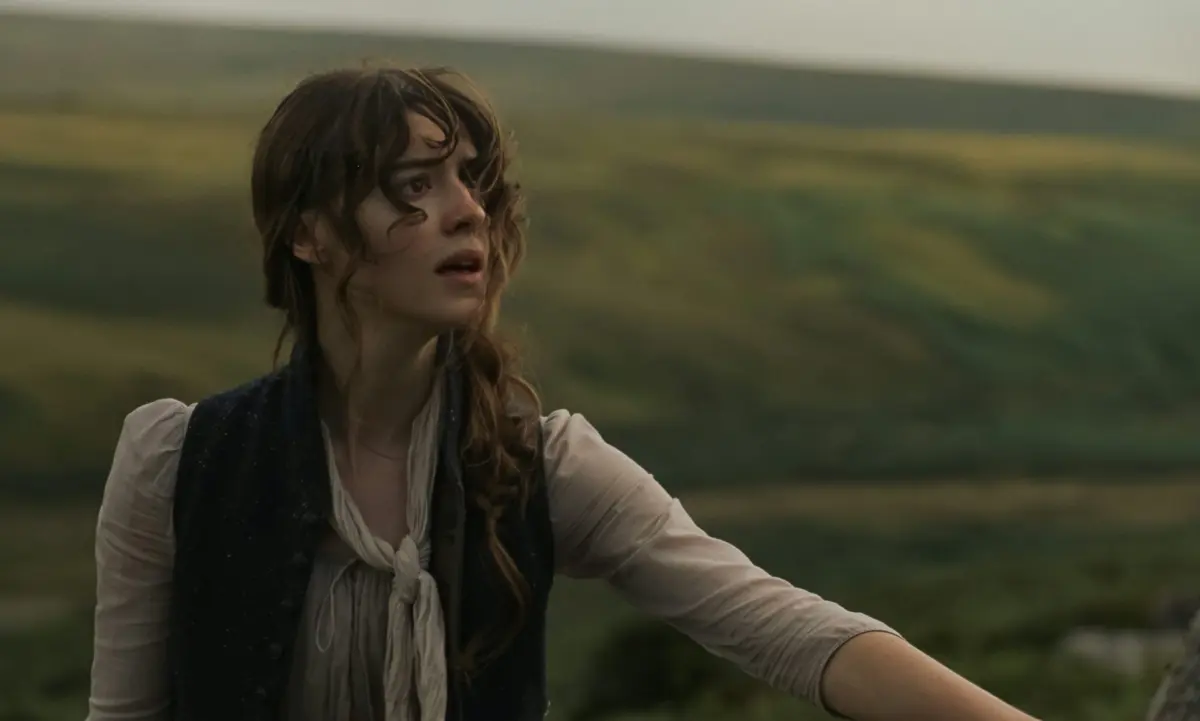
Georgia Oakley’s fresh cinematic adaptation of Jane Austen’s classic 1811 novel, Sense and Sensibility, immediately entrances its audience. Boasting breathtaking cinematography, the film constructs an immersive visual tapestry of the Georgian era. Expansive pastoral landscapes, rugged seascapes, and meticulously dressed sets—such as the wild, overgrown stone steps of Norland House Park—exhibit a profound dedication to visual storytelling. The film successfully utilizes textures, bespoke costumes, and a evocative musical score to frame the emotional turmoil of the Dashwood sisters, Elinor (portrayed by Daisy Edgar-Jones) and Marianne (played by Esmée Creed-Miles), as they navigate grief, societal precarity, and love.
However, beneath the picturesque veneer lies a striking tension between modern aesthetic choices and historical realities. While Oakley’s adaptation excels at capturing the internal, emotional landscapes of its protagonists, it occasionally sacrifices the strict behavioral frameworks that defined Georgian society. Nowhere is this dissonance more apparent than in the film’s depiction of hairstyling and, most notably, its contemporary choreography during crucial social scenes.
In the late 18th century, physical appearance, bodily comportment, and movement were not merely matters of personal taste; they were rigid public indicators of social status, civility, and moral worth. By opting for avant-garde choreography and modern expressive dance movements—alongside character styling that frequently ignores the period’s obsession with neatness—the film inadvertently shatters the illusion it works so hard to build. This report critically examines how Oakley’s creative license regarding dance and decorum undermines the historical authenticity of an otherwise visually stunning adaptation, comparing it to broader trends in period-drama filmmaking.
Detailed Chronology of the Production and Cinematic Choices
To fully appreciate the scope of Oakley’s adaptation, one must trace how the production balances literary loyalty with stylistic innovation, particularly in how it handles pivotal scenes of courtship and assembly.
The Construction of the Visual World
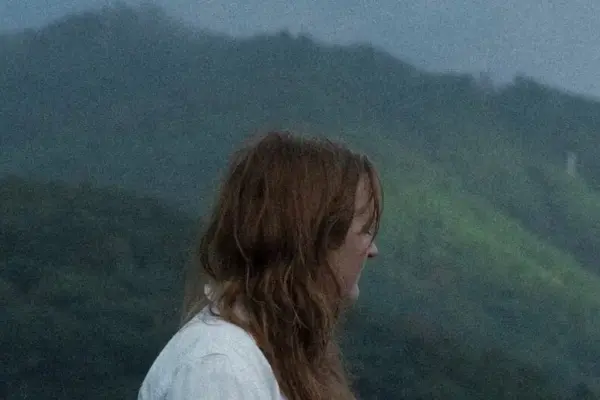
From the outset of principal photography, the production design team prioritized an evocative, tactile representation of the 1790s. The natural world is weaponized to mirror the internal states of the characters; the wild purple flowers and untamed vistas of Norland House reflect the emotional tempest within Marianne Dashwood. Textures of wool, silk, and linen were sourced to evoke authenticity, grounding the gentry in a tangible material reality.
However, this commitment to texture fractured when applied to personal grooming. In Georgian society, a woman’s hair was a primary canvas for displaying civility. Elinor’s soft waves and, more dramatically, Marianne’s unkempt, stringy locks serve narrative shorthand to differentiate the sisters’ personalities—Elinor being the embodiment of sense, Marianne of sensibility. Historically, however, unpinned or messy hair would violate basic standards of respectability for unmarried gentlewomen, who were expected to wear their hair pinned up daily.
The Introduction of the "Hop" and Country Dances
The narrative tension peaks during two major social gatherings: a country dance sequence and a London ballroom scene. In Austen’s original text, "hops"—informal, energetic dances often associated with the lower social classes—are spoken of with mild disdain or as indicators of excessive, unrefined behavior. When Sir John describes Mr. Willoughby dancing from eight o’clock to four without stopping at a "little hop in the park," it functions in the novel as a subtle warning regarding Willoughby’s lack of conventional restraint.
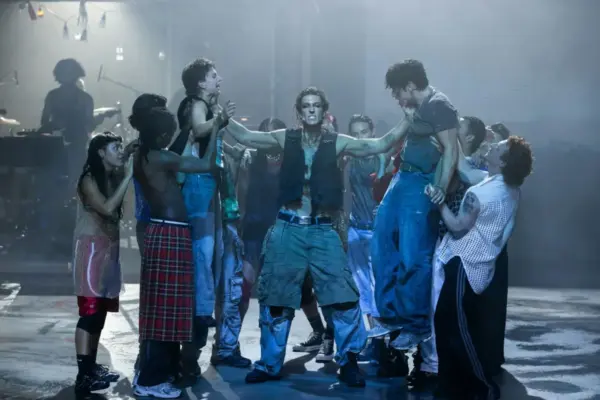
In the film, however, these distinctions are flattened. The first major dance sequence blends traditional Georgian country dance steps with thoroughly modern choreography. While it communicates the high spirits of the characters, the physical execution feels jarring. Contemporary dance techniques—such as sweeping, expressionistic arm movements and expressive theatricality—invade the space.
This stylistic divergence reaches its zenith in the London ballroom sequence. Here, Elinor finds herself dancing with Edward Ferrars (George MacKay). While the scene attempts to replicate the paired formations of an 18th-century ball, the inclusion of exaggerated lifts, over-arched backbends, and musical-theatre staging completely pulls the viewer out of the candlelit reality of the 1790s and drops them squarely into the 21st century.
Supporting Context & Metrics: The Sociological Weight of Dance in the Georgian Era
To understand why modern choreography feels so disruptive in a period piece, one must examine the socio-political function of dance in Georgian and Regency Britain.
Dance as a Social Currency
During the late 18th and early 19th centuries, dance was not merely a form of recreation; it was an essential mechanism of social navigation, courtship, and economic security. For young gentry and nobility, the ballroom was the primary marketplace for marriage and alliance-building.
- Early Education: Boys and girls began taking formal dance lessons from a very young age. Instruction focused strictly on posture, geometric formations, footwork, and the maintenance of graceful eye contact.
- Comportment as Status: A person’s ability to move gracefully through a room signaled their self-control, education, and moral fitness. Poor bodily comportment was actively equated with ineptitude, meekness, and social inferiority.
- Hierarchy of Movement: Society drew sharp lines between acceptable forms of movement. Country dances and formal balls were the exclusive domain of the refined middling and upper ranks. Conversely, informal hops were widely relegated to the "meaner sorts"—the working classes whose physical labor precluded the refined, restrained movements demanded of the gentry.
Choreographic Intent vs. Historical Reality
Choreographer Holly Blakey defended the film’s avant-garde movement style by emphasizing emotional resonance, stating that "it was vital that whatever we were doing inside the choreography […] did feel like an expression of how the girls were feeling."
While this philosophy aligns with modern cinematic storytelling—where external action must mirror internal psychological states—it directly contradicts the ethos of the Georgian gentry. In the 1790s, public self-expression through uninhibited movement would have marked an individual as unhinged, unrefined, or dangerously subversive. The cultural imperative was precisely the opposite: to mask personal turbulence beneath a veneer of absolute physical control, politeness, and civility.
Official Statements and Industry Perspectives
The debate surrounding Oakley’s Sense and Sensibility taps into a broader, ongoing conversation among film critics, historians, and choreographers regarding the boundaries of historical accuracy in period dramas.
The Modern Adaptation Trend
Over the past decade, period adaptations have increasingly leaned into revisionist aesthetics to appeal to contemporary audiences. From Autumn de Wilde’s stylized, pastel-drenched 2020 adaptation of Emma, where characters lock intense eyes and fingers, to the hyper-sensual, anachronistic balls of Netflix’s Bridgerton, filmmakers have repeatedly chosen spectacle and emotional accessibility over strict historical verisimilitude.
Industry analysts note that modern audiences often demand physical and emotional demonstrativeness from period characters. Subdued, historically accurate restraint can sometimes read as cold or emotionally inert to 21st-century viewers. Consequently, choreographers are frequently hired to inject contemporary emotional beats into historical settings, prioritizing audience empathy over anthropological precision.
Critical Reception and Historical Pushback
Despite the commercial appeal of these stylistic choices, cultural historians and Austen scholars have voiced growing fatigue regarding the casual erasure of period-specific social codes.
As cultural studies suggest, the power of Jane Austen’s novels lies precisely in the claustrophobic strictures of her society—where a misplaced glance, an unpinned curl, or an improper step at a dance could utterly ruin a young woman’s reputation. When cinematic adaptations strip away these rigid behavioral codes to make characters more "relatable" or modern, they inadvertently dilute the very stakes that drive Austen’s plots. Without the crushing weight of Georgian decorum, the triumphs and tragedies of Elinor and Marianne lose a crucial layer of their contextual gravity.
Future Outlook: The Evolution of the Period Drama
As filmmaking technologies advance and audience demographics shift, the tension between historical accuracy and creative license in period dramas will undoubtedly intensify.
Where Cinema and History Diverge
Looking ahead, filmmakers tackling Austen and other Georgian-era authors face a defining fork in the road:
- The Hyper-Stylized Route: Continuing down the path of Bridgerton and Oakley’s Sense and Sensibility, where historical settings function merely as a colorful playground for modern emotional expression and avant-garde art direction.
- The Anthropological Approach: Leaning into strict historical reconstruction, where the alien, restrictive nature of past social codes becomes the central narrative engine through which characters must fight for autonomy.
Conclusion
Georgia Oakley’s Sense and Sensibility is a triumph of mood, atmosphere, and visual poetry. Its pastoral landscapes and deeply felt performances ensure that it will remain a significant entry in the pantheon of Austen adaptations. Yet, its choreographic missteps serve as a cautionary tale for the genre. When modern sensibilities—manifested in unpinned hair and expressive, theatrical dance steps—overwhelm the strict behavioral architecture of the 1790s, the illusion of time travel is broken.
For future filmmakers, the challenge will lie in finding a synthesis: honoring the visceral, emotional truths of characters like Elinor and Marianne without entirely sacrificing the fascinating, alien world of Georgian decorum that birthed them.