In an era defined by accelerating ecological collapse and the clinical digitisation of our shared language, artistic expression often serves as the last line of defense against collective amnesia. When the Oxford Junior Dictionary infamously pruned terms like bluebell, acorn, and wren from its pages in 2007 to make room for chatroom and broadband, it did more than update a reference book; it signaled a profound cultural severance from the natural world.
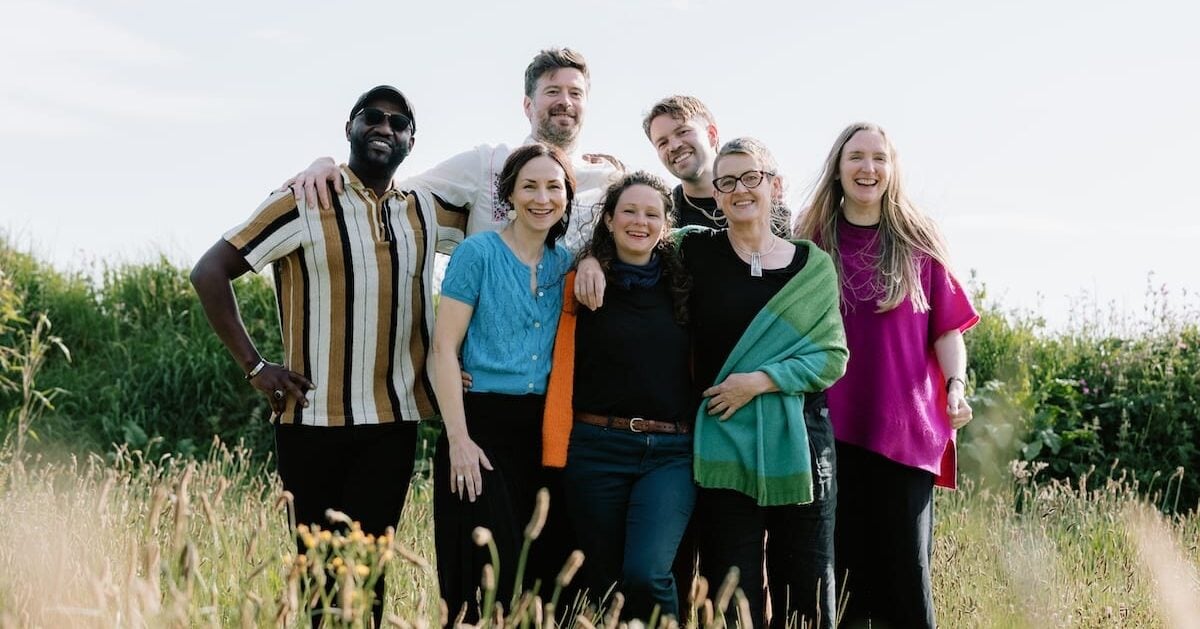
That act of lexical erasure became the catalyst for The Lost Words (2017), a luminous collaborative book by writer Robert Macfarlane and illustrator Jackie Morris. It also birthed Spell Songs, an extraordinary seven-piece musical collective dedicated to conjuring those lost elements back into the human consciousness through traditional and contemporary folk composition.
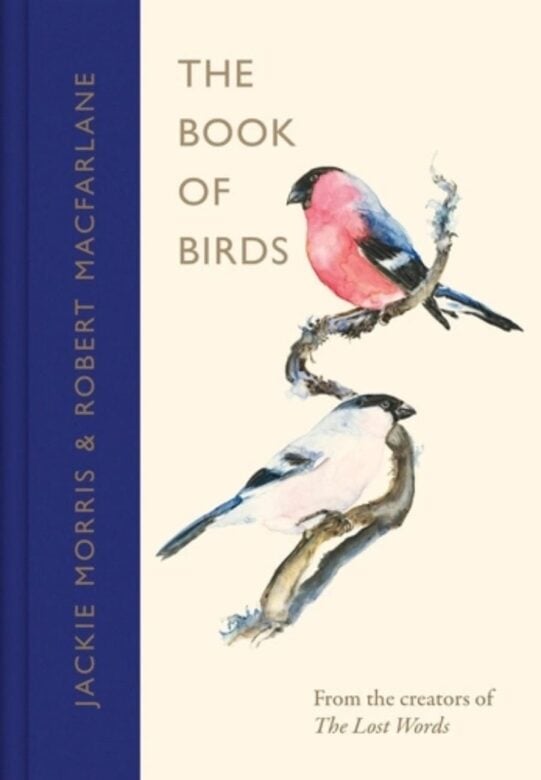
Now, Spell Songs has returned with its third studio album, In Thin Air, released via Hudson Records. Directly responding to Macfarlane and Morris’s latest collaboration, The Book of Birds, the new record shifts its focus entirely to avian life—exploring the deep, ancient, and increasingly fraught relationship between humans and birds.
In this extended investigative feature, we examine the philosophy of creative resistance, speak exclusively with illustrator Jackie Morris and singer-songwriter Karine Polwart about the urgent intersections of music and ecology, and explore how physical art objects serve as a direct rebuke to both ecological destruction and the modern commodification of sound.
Detailed Chronology: From Lexical Omission to Avian Symphonies
To understand the sonic architecture of In Thin Air, one must trace the lineage of a resistance movement that began nearly two decades ago in the pages of children’s dictionaries and blossomed into a multi-disciplinary cultural phenomenon.
1. The Catalyst: The Oxford Junior Dictionary Controversy (2007)
When lexicographers dropped nature-based words in favor of technological descriptors, they reflected a modern reality: children were interacting less with the woods and hedgerows and more with screens. However, this linguistic pruning acted as a symptom of a larger cultural malady—the shifting baseline syndrome, where each generation accepts a degraded environment as the natural norm.
2. The Lost Words and the Birth of Spell Songs (2017–2019)
Responding to the dictionary’s omissions, Macfarlane and Morris created The Lost Words, casting spells in art and prose to summon the missing flora and fauna back into the public lexicon. Realizing that music possesses a unique, visceral mnemonic power, a cohort of seven celebrated folk musicians—including Karine Polwart, Julie Fowlis, Seckou Keita, Kris Drever, Rachel Newton, Beth Porter, and Jim Molyneux—formed Spell Songs. Their self-titled debut album in 2019 provided a lush, acoustic soundtrack to the book, proving that folk traditions could effectively bridge the gap between ancient folklore and modern ecological advocacy.
3. The Pembrokeshire Residency and The Book of Birds (2025–2026)
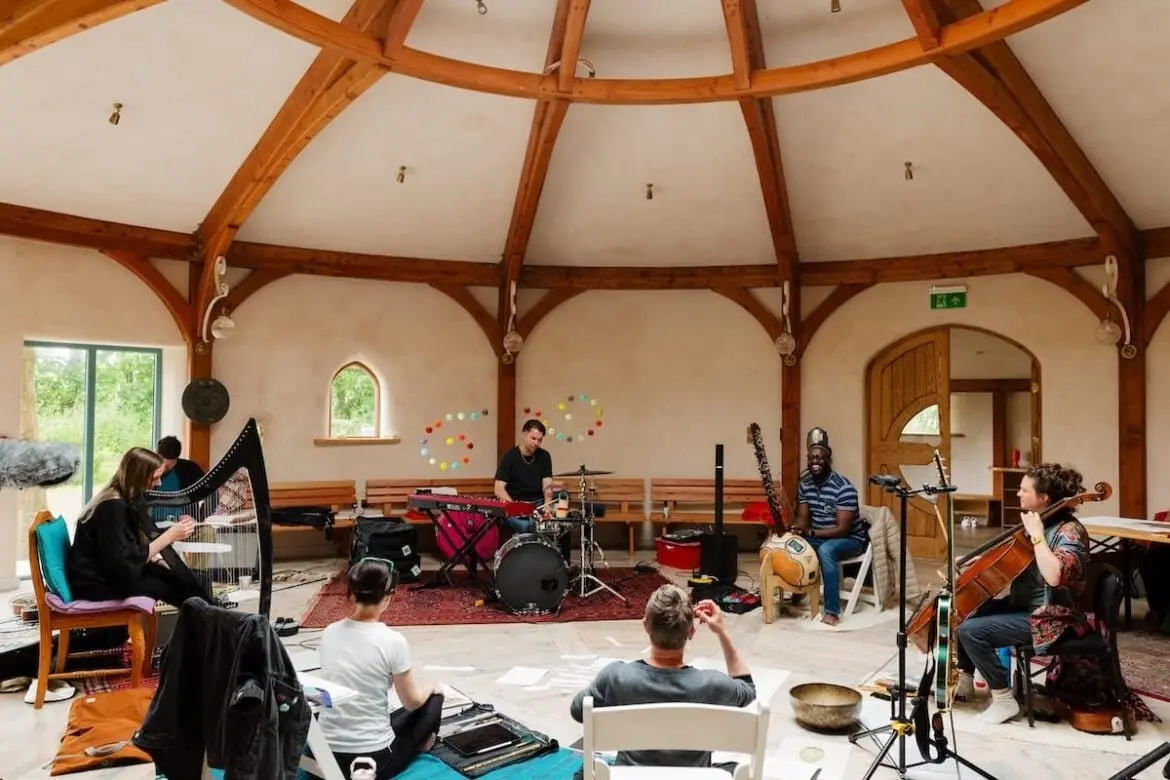
Following subsequent iterations, the collective convened for an intensive, week-long creative residency in Pembrokeshire, Wales. Here, they immersed themselves in the structural framework of Macfarlane and Morris’s The Book of Birds, which organizes avian existence around what the creators term the "Seven Wonders of Bird": nest, egg, beak, song, feather, flight, and migration.
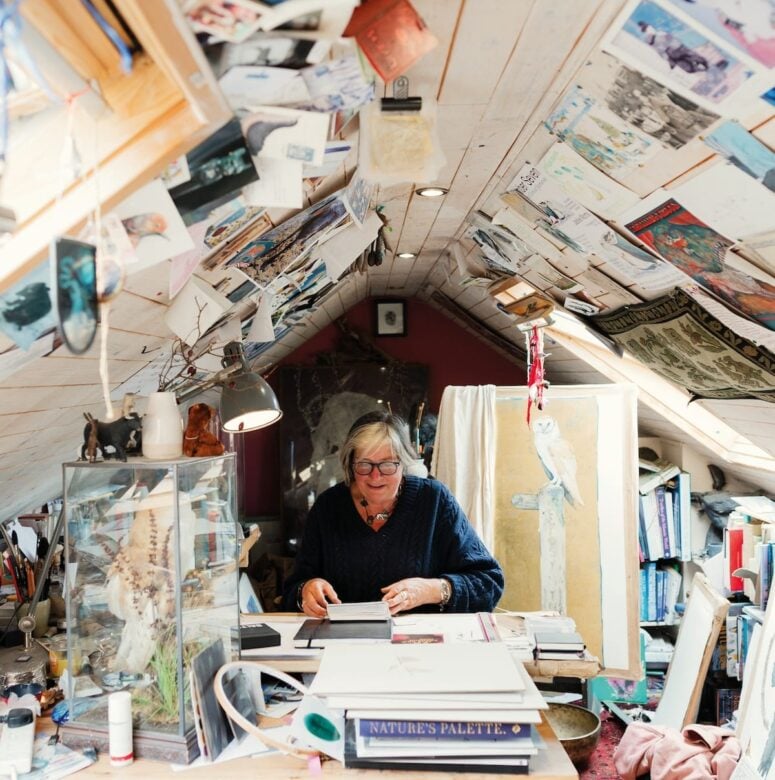
Unlike previous records, which functioned as a collection of distinct individual voices, the Pembrokeshire sessions forged Spell Songs into a unified sonic organism. With Jackie Morris painting live in the room, observing and feeding back into the creative process, the band drafted an album structured directly around the seven avian wonders.
Supporting Context & Metrics: The Anatomy of Avian Intimacy
The urgency underpinning In Thin Air is far from abstract. According to recent conservation metrics, avian populations across the globe are facing catastrophic declines driven by habitat fragmentation, intensive agriculture, and climate change. In the UK alone, species like the curlew, lapwing, and puffin face unprecedented threats.
Folk music, with its deep historical roots in land, sea, and seasonal cycles, provides a uniquely suited vehicle for processing this ecological grief. As Karine Polwart notes, Scottish, English, and Irish folk traditions are heavily populated by shapeshifting creatures, laments of exile, and historic lullabies that recognize the agency of the greater-than-human world—such as Taladh Nan Eun (Lullaby of the Birds).
Furthermore, the physical realization of In Thin Air—available on vinyl and as a deluxe edition CD box set—represents a deliberate economic and aesthetic stand. In an industry where streaming platforms pay fractions of a cent per play to all but a tiny elite, crafting tangible, tactile art objects is a vital form of resistance. The album features extensive artwork, lyrics, and prose contributions from the entire band, transforming the record into a comprehensive artifact designed to slow the listener down and demand deep, undistracted engagement.
Official Statements: Perspectives from the Frontlines of Art and Ecology
To delve deeper into the philosophy driving In Thin Air, we turn to direct insights from two of the project’s central creative forces: illustrator Jackie Morris and singer-multi-instrumentalist Karine Polwart.
On the Power and Peril of Protest Art
Art has long been used to challenge power structures, yet contemporary artists working on ecological issues often face questions regarding art’s "duty." Morris is unequivocal when asked if creators have an obligation to highlight social and political issues:
"Yes. Music has the power to thread an idea deep into the soul and a way of holding the human brain to remember. It is often easier to remember a lyric when attached to music. This makes music a powerful medium as a catalyst for change and is why, during times of oppression, musicians are often arrested, tortured and killed."
Polwart offers a nuanced expansion on this sentiment, balancing the impulse for political engagement with the multifaceted nature of human creativity:
"Like Jackie, I feel a sense of compulsion to do this as an individual maker, but I’m not sure art emerges from a place of duty. It’s just as legitimate to make things to escape, comfort, dance, laugh — all of which can be forms of resistance too, of course — as it is to question, document or resist explicitly. But I do think more of us, simply as humans, need to step up to greater ethical, political and social engagement, at a time when no-one is otherwise coming to save us or the cultures and ecosystems that capitalism is devastating."
On Birdwatching Versus Belonging
The members of Spell Songs maintain markedly different, yet complementary, relationships with the avian world. Polwart describes herself as the most "birdy" member of the ensemble, frequently found walking the North Sea coast with binoculars. She highlights a transformative pilgrimage made during the album’s gestation:
"The album project did allow me to make a dream boat trip to the Bass Rock in the Firth of Forth with a small team of ecologists from the Scottish Seabird Centre… This iconic rock is one of the largest Northern Gannet colonies in the world… Not many folk get a chance to land on it and sit for a few hours amongst the clattering throng of a hundred thousand blue-eyed seabirds. Such an unforgettable, visceral experience."
Morris, conversely, views birds not as subjects to be cataloged, but as an intrinsic part of everyday enchantment:
"I do not understand the idea of ‘birdwatching’. I have always been entranced by the lives of birds, seen them, had my eye snagged by their flight, gone searching for their company, their song, threaded them through work."
On Collaborative Evolution and Live Performance
The structural architecture of In Thin Air altered how the seven distinct musical minds collaborated. Polwart observes:
"I think the structural device of The Seven Wonders of Bird creates a sense of a musical journey. There’s definitely a more collaborative, improvisatory quality to many of the tracks, and more storytelling in sound rather than song. To me, we feel more like a band on this record than a collective of individual voices."
Integrating Morris’s visual art into the live tour presented an intricate logistical and creative challenge. Morris explains her innovative approach to stagecraft:
"It was difficult for a long while to work out what my place on stage with the musicians would be… So my idea was to work towards migration. Seven shows, seven musicians, seven wonders, seven paintings each of seven godwits, so that at the end there would be a suit of paintings that sang with the music, painted throughout the performance."
Future Outlook: The Legacy of In Thin Air
As In Thin Air makes its way into the world via Hudson Records, the ripple effects of Spell Songs’ mission continue to expand. The project demonstrates that ecological advocacy does not need to rely solely on dry data sets or apocalyptic warnings; it can be built upon a foundation of beauty, linguistic reclamation, and communal musicianship.
Erasure does not simply leave a void; it leaves a scar—a visible record of what has been fractured within our ecosystems and our cultural memory. Through records like In Thin Air, Spell Songs and their collaborators do not merely mourn what has been lost. Instead, they construct a vibrant, living archive that invites audiences to look up from their screens, listen to the clattering throngs of seabirds, and re-engage with the wild, breathing world before it slips away entirely.
Album & Project Availability
In Thin Air by Spell Songs
Label: Hudson Records
Formats: Digital, CD, Vinyl, Deluxe CD Box Set, and Limited Edition Deluxe CD Box Set.