The landscape of modern rock and progressive music is inextricably linked to the seismic cultural shifts of the 1960s and 1970s. For master guitarists and composers who navigated this era, vinyl records were not merely passive entertainment commodities; they served as foundational blueprints, educational texts, and emotional touchstones.
In a revealing retrospective conducted by music journalist Michael Heatley, iconic guitarist Steve Hackett—celebrated for his pioneering work in Genesis and his current collaborative projects, including The Roaring Waves via InsideOutMusic—opens his personal audio archive. Reflecting on a curated selection of 10 seminal UK vinyl releases spanning from 1964 to 1978, Hackett traces the lineage of his own artistic development.
This deep dive explores how Motown floor-fillers, British Invasion manifestos, folk laments, and orchestral pop masterpieces shaped the sonic architecture of progressive rock. Ranging from affordable vintage finds to highly coveted collector’s items valued up to £175, this chronological survey offers a masterclass in musical appreciation, capturing the precise moments a young listener evolved into a visionary architect of sound.
Detailed Chronology: The Soundtrack of an Evolution
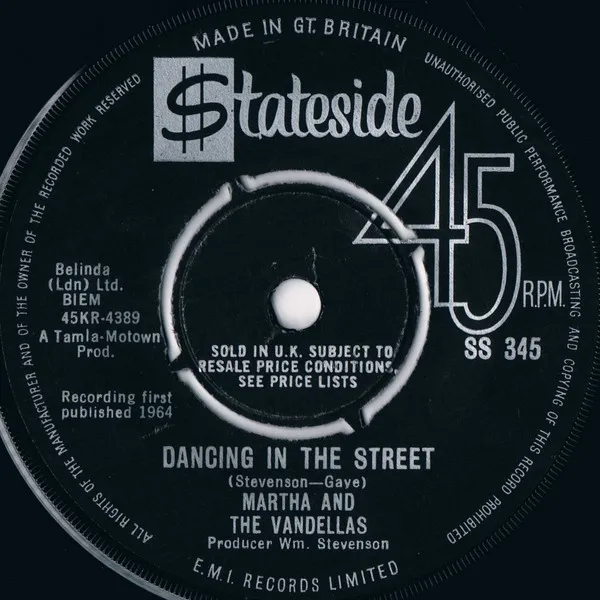
1. Martha & The Vandellas – Dancing In The Street (1964)
- Label & Format: Stateside (SS 345), 7” Single, UK
- Estimated Collector Value: £20
The journey begins in 1964 at the bustling Battersea funfair, where a 14-year-old Hackett first encountered Martha & The Vandellas’ explosive anthem. In an era when teenage social interaction was strictly cordoned off—boys standing rigidly on one side, girls on the other, mutual hesitation hanging thick in the air—Motown provided an antithesis of motion.
While the track functioned globally as a clarion call for universal liberation and dance, its local reality for awkward adolescents was vastly different. Yet, the song’s transcendent energy left an indelible mark. Years later, when Hackett finally crossed paths with Martha Reeves, he offered high praise, deeming it the supreme track in the entire Motown catalog because it effortlessly touched every emotional base.
2. The Who – My Generation (1965)
- Label & Format: Brunswick (05944), 7” Single, UK
- Estimated Collector Value: £20
By 1965, rock and roll had adopted an aggressive, rebellious posture. The Who’s My Generation emerged as a quintessential call to arms, fueled by an intoxicating cocktail of youthful rage and technical innovation.
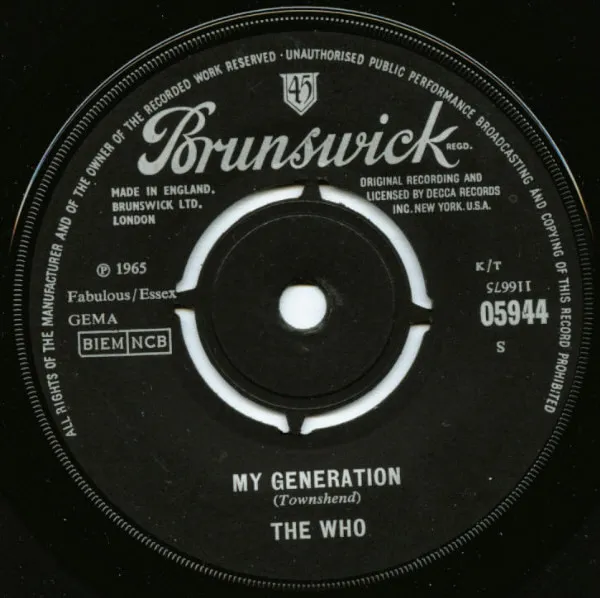
For aspiring guitarists of the era, the track was a revelation. Hackett, like many contemporaries, initially assumed the ferocious mid-song solo was executed on a guitar, only to discover later that it was John Entwistle wielding his bass like a lead instrument. Unfettered by tribal subcultural allegiances—Hackett notes he was always slightly too young or too old to fully commit to being a Mod or a Hippie—he recognized that The Who possessed a fleeting Mod edge that they wisely abandoned before it could restrict their artistic horizons.
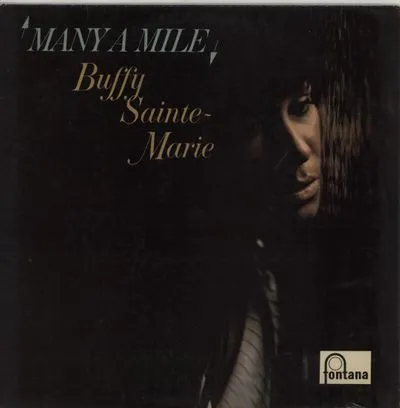
3. Buffy Sainte-Marie – Many A Mile (1965)
- Label & Format: Fontana (TFL 6047), LP, UK
- Estimated Collector Value: £5
Shifting away from electrified garage rock, the acoustic introspection of Buffy Sainte-Marie introduced a profound emotional vulnerability to Hackett’s sonic diet. Hearing her second studio album at age 15, Hackett was struck by the synthesis of traditional folk idioms and razor-sharp protest writing.
His standout track, Must I Go Bound, featured a centuries-old lyrical framework interpreted through Sainte-Marie’s distinctively trembling, unfiltered vocal delivery. It was a performance that, in Hackett’s words, caused his heart to melt. Having first witnessed her on the 1965 television program Heartsong alongside Marianne Faithfull and Julie Felix, Hackett later experienced fleeting, high-pressure backstage encounters with the folk icon, always punctuated by the imminent countdown to a performance.
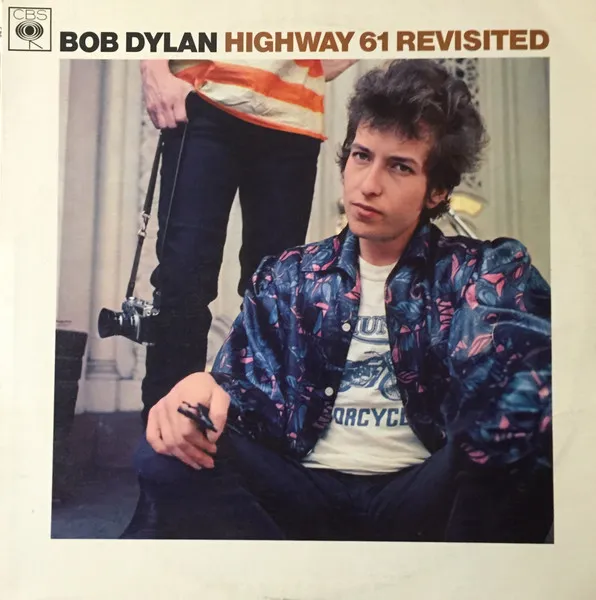
4. Bob Dylan – Highway 61 Revisited (1965)
- Label & Format: CBS (BPG 62572), LP, UK
- Estimated Collector Value: £80
The mid-1960s cultural dialogue was fiercely contested between proponents of technical instrumental wizardry and champions of lyrical poetry. Hackett recalls trading listening sessions with a dedicated "Dylanologist" friend. While Hackett gravitated toward the blues-inflected pyrotechnics of Cream and Jeff Beck, his peer was transfixed by Bob Dylan’s stark recordings.
It was only when Dylan plugged in and assembled a stellar backing ensemble featuring Mike Bloomfield and Al Kooper on Highway 61 Revisited that the two musical worlds violently and brilliantly collided. Masterpieces like Like A Rolling Stone demonstrated how keyboards and electric guitars could elevate profound lyrical intensity into a transcendent modern art form.
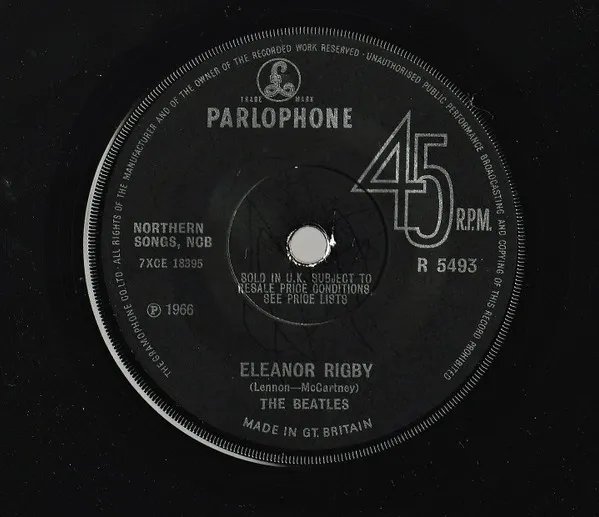
5. The Beatles – Eleanor Rigby (1966)
- Label & Format: Parlophone (R 5493), 7” Single, UK
- Estimated Collector Value: £15
For Hackett, Eleanor Rigby stands as a contender for the finest rock composition ever realized, precisely because it defies easy categorization. It is rock and roll stripped of its conventional instrumentation, replaced instead by a haunting string arrangement that serves as a canvas for cinematic storytelling.
Describing it as a "fly-on-the-wall mini-documentary," Hackett highlights its status as a gold standard for popular songwriting. This admiration for narrative depth was a recurring theme in his early days with Genesis; during discussions with co-founder Peter Gabriel—a prolific songwriter in his own right—they frequently wrestled with the immense challenge of crafting convincing narrative arcs within pop structures, a feat Paul McCartney achieved effortlessly here.
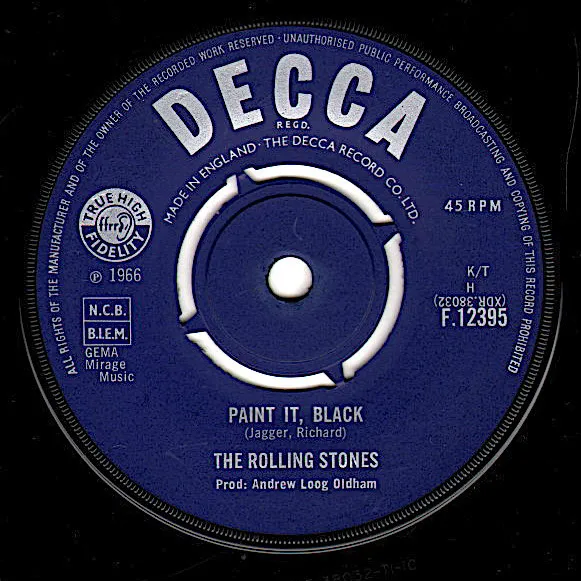
6. The Rolling Stones – Paint It, Black (1966)
- Label & Format: Decca (F 12395), 7” Single, UK
- Estimated Collector Value: £15
The aggressive, exotic textures of The Rolling Stones’ Paint It, Black captivated a young Hackett, who wore out his bedroom copy through relentless rotation. Beyond Mick Jagger’s commanding, ferocious vocal delivery—ranking among his finest recorded moments—the track’s structural brilliance relied on a two-part invention model.
The interplay between the vocal line and Brian Jones’ undulating sitar created a hypnotic counterpoint, while what listeners perceived as a traditional chorus was cleverly deployed as an extension of the verse. It became a practical manual for Hackett, who diligently spent hours in his bedroom dissecting and copying the intricate guitar licks laid down by Jones and Keith Richards.
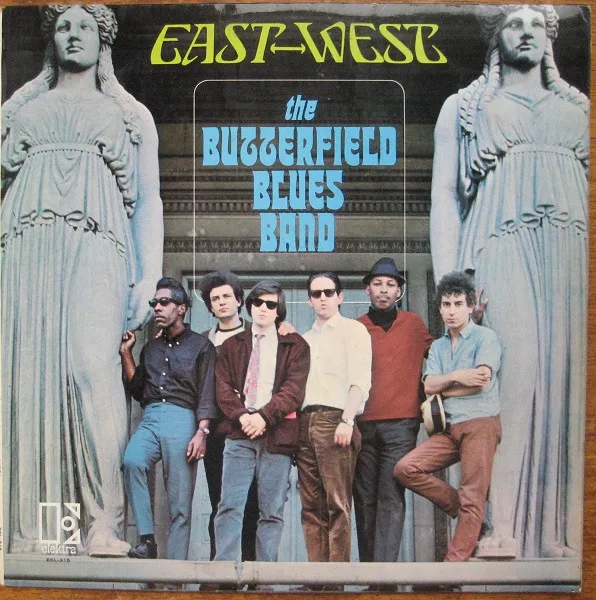
7. The Paul Butterfield Blues Band – East-West (1966)
- Label & Format: Elektra (EKL 315), LP, UK
- Estimated Collector Value: £50
In 1966, an intimate audience of roughly 20 people gathered at London’s Eel Pie Island to witness the transatlantic blues explosion spearheaded by The Paul Butterfield Blues Band. Having played the harmonica throughout his life, Hackett was utterly floored from the very first note delivered by Butterfield.
While the album remained rooted in traditional blues, the sprawling title track—penned by guitarist Mike Bloomfield—broke conventional boundaries by weaving through Eastern, Western, Mexican, and Indian musical idioms. It was an audacious cultural synthesis, capturing a fleeting moment where even a master like Butterfield sounded delightfully adventurous and exploratory.
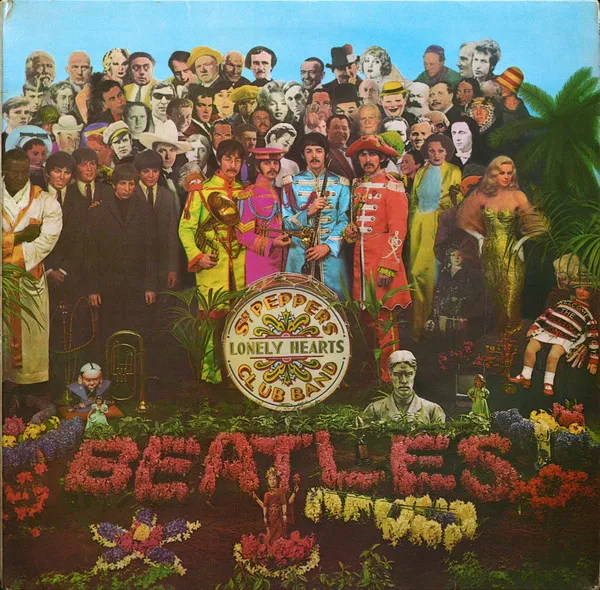
8. The Beatles – Sgt. Pepper’s Lonely Hearts Club Band (1967)
- Label & Format: Parlophone (PCS 7207), LP, UK
- Estimated Collector Value: £175
Commanding the highest estimated value in this retrospective (£175), Sgt. Pepper’s Lonely Hearts Club Band remains the defining monument of 1960s studio experimentation. Hackett notes how the title track deliberately subverts listener expectations, opening with the mundane tuning of an orchestra before a heavy rock band abruptly hijacks the arrangement.
Paul McCartney’s dynamic vocal performance is punctuated by perfectly timed instrumental interjections that honor the album’s theatrical conceit. This restraint—knowing precisely when not to play—formed the bedrock of the Beatles’ surrealist magic realism. Furthermore, tracks like She’s Leaving Home, with its unflinching examination of domestic hopes and quiet desperation, served as a thematic bookend to the emotional territory previously mapped out by Eleanor Rigby.
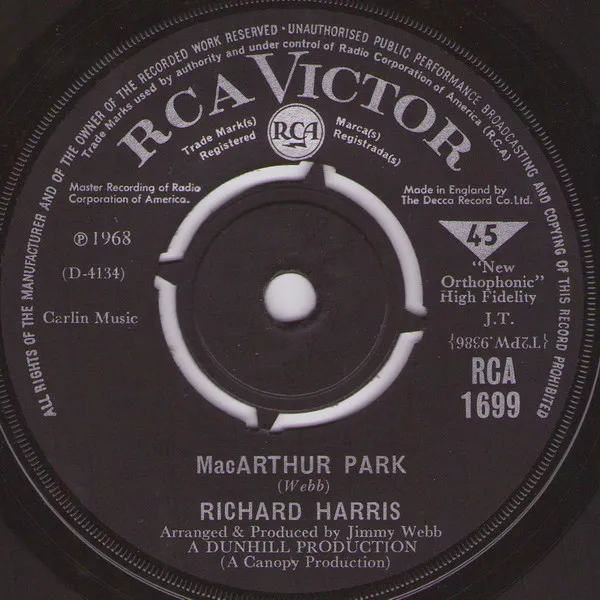
9. Richard Harris – MacArthur Park (1968)
- Label & Format: RCA (RCA1699), 7” Single, UK
- Estimated Collector Value: £3
Written by a young Jimmy Webb and brought to life through the theatrical intensity of actor-turned-singer Richard Harris, MacArthur Park is a monumental paean to lost love. Built upon sweeping orchestral movements and labyrinthine chord progressions, the track’s daring seven-minute runtime provided an invaluable template for the nascent progressive rock movement.
For Hackett and his future bandmates in Genesis, this was the holy grail of songwriting: a seamless fusion of narrative storytelling, unconventional structural changes, and a juxtaposition of traditional and contemporary instrumentation.
10. Kate Bush – The Man With The Child In His Eyes (1978)
- Label & Format: EMI (2806), 7” Single, UK
- Estimated Collector Value: £15
Rounding out the chronological survey is Kate Bush’s transcendent 1978 single, taken from her acclaimed debut album, The Kick Inside. Written when Bush was just 13 years old, the track exhibits a compositional maturity that belies her tender age.
Bridging the gap between pure fantasy and the tentative, nascent stirrings of adolescent romance, the song relies heavily on the listener’s imagination. Highlighted by a sensitive and powerful deployment of brass arrangements, it confirmed to artists like Hackett that genuine artistic vision transcends age brackets, closing out a formative era of musical discovery.
Supporting Context & Metrics
To understand the enduring cultural and financial value of these recordings, one must examine the intersection of physical media preservation and secondary market economics. The valuation of these specific UK pressings reflects a broader resurgence in vinyl collecting, driven by audiophiles and rock historians alike.
| Artist & Title | Year | Original UK Label & Cat. No. | Current Collector Value (UK) |
|---|---|---|---|
| Martha & The Vandellas – Dancing In The Street | 1964 | Stateside (SS 345) | £20 |
| The Who – My Generation | 1965 | Brunswick (05944) | £20 |
| Buffy Sainte-Marie – Many A Mile | 1965 | Fontana (TFL 6047) | £5 |
| Bob Dylan – Highway 61 Revisited | 1965 | CBS (BPG 62572) | £80 |
| The Beatles – Eleanor Rigby | 1966 | Parlophone (R 5493) | £15 |
| The Rolling Stones – Paint It, Black | 1966 | Decca (F 12395) | £15 |
| Paul Butterfield Blues Band – East-West | 1966 | Elektra (EKL 315) | £50 |
| The Beatles – Sgt. Pepper’s Lonely Hearts Club Band | 1967 | Parlophone (PCS 7207) | £175 |
| Richard Harris – MacArthur Park | 1968 | RCA (RCA1699) | £3 |
| Kate Bush – The Man With The Child In His Eyes | 1978 | EMI (2806) | £15 |
As demonstrated by the market data, original mono and stereo pressings from the mid-to-late 1960s—particularly gatefold masterpieces like Sgt. Pepper’s—continue to appreciate significantly. This financial trajectory underscores the physical records’ status not just as historical artifacts, but as active investments in cultural heritage.
Official Statements & Industry Insights
Reflecting on the overarching philosophy that united these diverse artists, music historian and interviewer Michael Heatley notes that the bridge between 1960s pop innovation and 1970s progressive composition was built on a foundation of fearless experimentation.
Steve Hackett’s ongoing creative endeavors underscore this unbroken lineage. Speaking on his contemporary output, including the release of The Roaring Waves via InsideOutMusic, Hackett emphasizes that the lessons learned in London bedrooms and smoke-filled venues like Eel Pie Island continue to inform modern composition.
"We were searching for a way to tell stories without boundaries," Hackett remarks, reflecting on the collective ethos of his formative musical heroes. "Whether it was Dylan’s lyrical urgency, the Beatles’ studio wizardry, or Jimmy Webb’s orchestral ambition, the goal was always to push the medium past its perceived limits."
Future Outlook
The preservation and re-examination of 1960s and 1970s vinyl culture remain vital for contemporary musicology. As physical record sales continue to experience a robust global renaissance, younger generations of musicians are increasingly turning to the analog blueprints laid down by artists such as Bob Dylan, The Beatles, and Kate Bush.
For legacy artists like Steve Hackett, looking backward is not an exercise in mere nostalgia, but an active engagement with the principles that built modern rock. With upcoming releases and collaborative projects continually pushing progressive music into new sonic territories, the enduring legacy of these foundational £3-to-£175 vinyl records ensures that their cultural resonance will be felt for generations to come.