Executive Overview
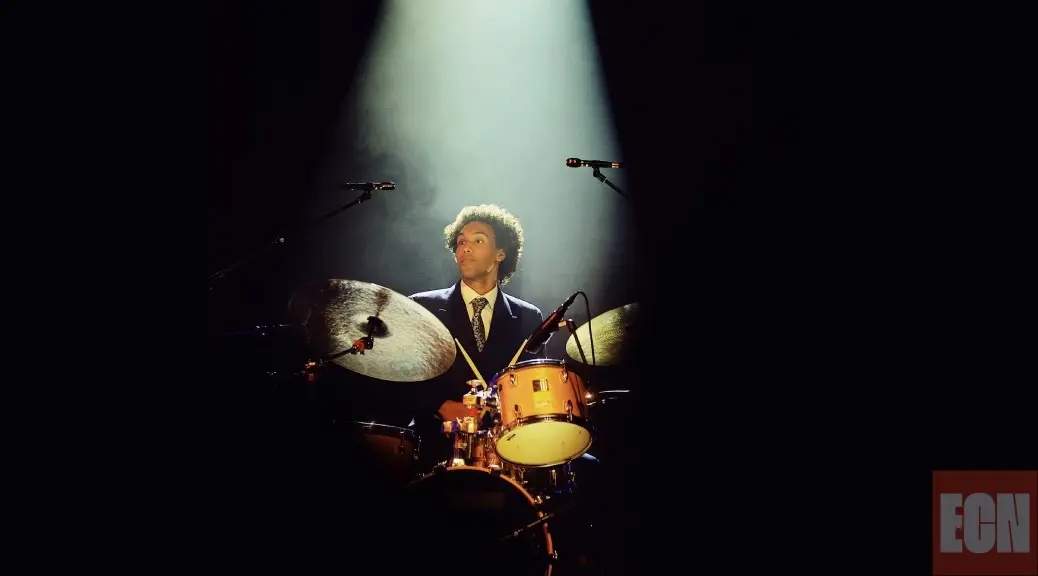
In an era dominated by relentless digital self-promotion, saturation marketing, and algorithmic indexing, the arrival of a genuinely elusive talent feels almost anachronistic. Enter Miles Pillinger: a Manchester-born, London-based drummer whose online footprint is deliberately minimal, cultivating an aura of mystique that sharply contrasts with the explosive, technicolor vibrancy of his musicianship. Rather than relying on social media campaigns or hyper-connected networking, Pillinger lets his art speak with unequivocal authority. Winner of the prestigious Help Musicians Peter Whittingham Award for jazz—an accolade historically reserved for the most visionary emerging voices in the genre—Pillinger steps into the international spotlight with his debut LP, Belonging.
Recorded at The Nave in Leeds, Belonging is far more than a standard introductory calling card; it is a masterclass in cross-cultural synthesis, rhythmic dexterity, and compositional maturity. Eschewing the conventional bandleader ego trap—where the percussionist seizes every available bar for thunderous, self-indulgent solos—Pillinger directs his energy inward, toward the architecture of the composition. Supported by an elite cohort of rising British jazz talents, including pianist Tom Harris, bassist Josh Vadiveloo, trumpeter Olivia Cuttill, and saxophonist/flutist Benjy Sandler, Pillinger crafts an album that functions as a joyous, borderless celebration of African-American music and its global diasporic offshoots.
From the sun-soaked coasts of Latin jazz to the contemplative, blues-inflected idioms of early jazz pioneers and the vibrant pulse of Afro-Latin rhythms, Belonging maps an expansive geographical and emotional terrain. This review and in-depth analysis unpacks the genesis of Pillinger’s debut, examining its structural dichotomy, the brilliant contributions of its ensemble, and the broader implications of an artist who commands the room not through volume, but through structural brilliance.
Detailed Chronology: The Making and Mechanics of Belonging
From Manchester to Leeds to London: The Formative Years
To understand the breadth of Belonging, one must trace the geographic and educational trajectory of its architect. Born in Manchester, Miles Pillinger’s early immersion in music eventually led him to the esteemed jazz program at the Leeds Conservatoire. It was during these formative academic years that Pillinger honed his foundational chops, absorbing the rigorous traditions of post-bop, free jazz, and contemporary European improvisation.
Relocating subsequently to the vibrant, hyper-competitive crucible of the London jazz scene, Pillinger absorbed the city’s eclectic sonic ecosystem—where broken beat, Caribbean dub, West African highlife, and traditional American jazz constantly collide. This multidisciplinary exposure culminated in his receipt of the Help Musicians Peter Whittingham Award, a pivotal turning point that provided the institutional backing and creative validation necessary to bring Belonging from conception to execution.
Capturing the Magic at The Nave
The recording sessions for the LP took place at The Nave, a celebrated studio housed in a former church in Leeds known for its rich acoustics and warm, organic atmosphere. Pillinger assembled a sympathetic and telepathic quintet: Tom Harris on piano, Josh Vadiveloo on bass, Olivia Cuttill on trumpet, and Benjy Sandler on saxophones and flute. Across the sessions, augmented by guest percussionist Emma Marsh, the studio transformed into a workshop of collective euphoria. The resulting tracks do not sound like meticulously edited, sterile studio constructs; rather, they capture the electrifying, unpredictable energy of a live ensemble "having a ball."
Side A: The Carnival and the Coastline
The vinyl’s first rotation acts as an unapologetic, high-energy party, laying out Pillinger’s diverse rhythmic cards with unbridled confidence.
- “Olinda Meu Amor”: The record opens with an immediate statement of intent. A driving batucada rhythm underpins a tightly wound jazz combo, while a soaring soprano saxophone line floats gracefully over the woody resonance of the double bass, injecting a distinctly New Orleans second-line twist into a Brazilian framework. The track effortlessly slides from a samba-like shuffle into a swinging rumba, strolling along the Latin jazz coastline with an infectious, welcoming grin.
- “I’m Not Serious”: Acting as a figurative dance around a roaring communal fire, this track introduces guest percussionist Emma Marsh on timbales and congas. The horns prance playfully across the complex rhythmic grid, evoking a rich Creole atmosphere that bridges Caribbean folk traditions with modern jazz phrasing.
- “Elvin’s Beat”: A direct, reverent salute to the titan of modern jazz drumming, Elvin Jones. Yet, true to Pillinger’s subtle leadership style, the track avoids literal pastiche. It tears off frantically at breakneck speed, folds in on itself with labyrinthine twists, and finally settles into a gentle, undulating swing. There is no heavy-handed drum domination; instead, Sandler’s saxophone sprinkles sharp Cajun seasoning over the festivities, honoring Jones through emotional intensity rather than percussive mimicry.
- “Mysterious Meat”: The A-side closes with a track that roots itself initially in an early, traditional jazz framework before the band deliberately stretches the boundaries, wandering outward into playful, avant-garde territories without ever losing its structural anchor.
Side B: Introspection, Prayer, and Discovery
Flipping the record over reveals a marked shift in texture, favoring contemplative phrasing, spiritual resonance, and deep-rooted cultural storytelling.

- “Beryl”: A delicate, poignant saxophone-and-piano ballad that opens the second half with breathtaking vulnerability. When a muted trumpet enters the sonic space, it channels the melancholic, smoky lineage of jazz’s greatest architects.
- “Belonging”: The title track elevates the emotional register further, featuring vocalist Thandanani Gumede. Gumede sings primarily in English, before seamlessly transitioning into Xhosa, delivering a warm, prayer-like conclusion that anchors the album’s overarching theme of cultural identity and human connection.
- “Momentary Peace”: This piece dispatches the soprano saxophone on an imaginary voyage to Martinique and Guadeloupe. Pillinger’s subtle drumming and the horn section weave a tapestry of transient tranquility, leaving listeners feeling like happy travelers gifted with lasting sonic memories.
- “The Other Other Side”: A standout Afro-Latin delight that shimmers with vibrant horn arrangements and interlocking percussion grooves. It represents the album’s compositional peak, where every rhythmic and harmonic element clicks into effortless alignment.
- “The Other Side”: The album concludes with an adventure in sonic discovery. Guided by a shimmering flute melody, the entire ensemble falls in line behind it, tracing a path into uncharted waters. The track gradually melts away, offering a fresh, contemporary deconstruction of traditions we thought we knew intimately. In its fearless hybridity and joyful subversion, it evokes the anarchic, brilliant spirit of modern-day master Hermeto Pascoal.
Supporting Context & Metrics
To fully appreciate the impact of Belonging, it is vital to examine the critical landscape and institutional framework surrounding contemporary British jazz.
- The Peter Whittingham Jazz Award: Established in 1990 and administered by the charity Help Musicians, this award has historically functioned as a crucial launchpad for boundary-pushing artists. Past recipients include visionary figures such as Soweto Kinch, Shabaka Hutchings, and Kit Downes. Pillinger’s inclusion in this elite lineage places him at the vanguard of the current UK jazz renaissance.
- The Geographic Hubs: The album bridges three distinct creative ecosystems: Manchester (Pillinger’s formative roots), Leeds (where his academic foundation at the Conservatoire and the recording at The Nave took place), and London (his current professional base). This tri-city trajectory mirrors the decentralized nature of modern British jazz, which no longer relies solely on the capital for its inspiration.
- Instrumentation and Ensemble Dynamics:
- Core Quintet: Drums (Miles Pillinger), Piano (Tom Harris), Bass (Josh Vadiveloo), Trumpet (Olivia Cuttill), Saxophones/Flute (Benjy Sandler).
- Special Guest: Percussion (Emma Marsh on “I’m Not Serious”).
- Stylistic Range: The album successfully navigates at least six distinct regional and historical idioms within a tight runtime: Batucada, Samba, Rumba, New Orleans Second-Line, Cajun/Creole folk, Post-Bop, and Afro-Latin grooves.
Official Statements & Critical Reception
While Miles Pillinger himself maintains a deliberate public silence—opting to let his musical output serve as his sole communicative medium—industry critics and peers have been vocal in their acclaim for his debut.
In a prominent review for UK Vibe, veteran critic Steve Williams encapsulated the industry’s fascination with the young bandleader:
"With a drummer leading, you wait for the solo that never comes, because Miles Pillinger never steps into the spotlight. He plays his best cards in the writing. He knows the depth of African-American music, takes risks and brings his own flavours to great reward. It is a joyful debut."
Jazz radio programmers and tastemakers across the United Kingdom have similarly praised the record for its refreshing lack of ego. In an era where virtuosic soloing often overshadows compositional integrity, Pillinger’s restraint has been highlighted as a masterclass in ensemble leadership. By placing trust in collaborators like Tom Harris and Olivia Cuttill, Pillinger fosters a democratic, conversational soundstage where collective joy supersedes individual display.
Future Outlook
As Belonging makes its way onto turntables globally, the jazz community is left to ponder the trajectory of an artist who resists the standard playbook of modern music industry branding. Pillinger’s refusal to court digital notoriety positions him as a purist in the truest sense: a musician who believes that enduring impact is forged in the recording studio and the writing room, not through viral social media marketing.
The success of this debut LP raises pressing questions about what lies ahead. Will Pillinger take this exact quintet on an extensive international tour, bringing the infectious energy of tracks like “Olinda Meu Amor” and “The Other Other Side” to live stages across Europe and beyond? Or will he retreat back into the laboratory of his writing room, using his Help Musicians-backed momentum to chart an even more radical, avant-garde course for his sophomore release?
Regardless of his next move, Belonging establishes Miles Pillinger as a formidable new force in contemporary jazz composition. He has successfully honored the foundational lineages of African-American and global diasporic music while stamping them with an unmistakably fresh, British-curated perspective. For listeners fortunate enough to stumble upon this enigmatic drummer’s work, the journey has only just begun—and the destination promises to be endlessly rewarding.