Executive Overview
The contemporary landscape of folk, jazz, and experimental ambient music is experiencing a profound renaissance, driven by boundary-pushing independent record labels, trans-national artistic collaborations, and a collective re-engagement with ancient folklore and acoustic traditions. Far from being a nostalgic retreat into the past, modern folk music acts as a dynamic, evolving canvas where contemporary socio-environmental anxieties and avant-garde sonic textures meet traditional storytelling.
This comprehensive report examines the latest developments across the global underground music scene, highlighting key releases featured in recent curatorial roundups such as KLOF Mag. From Oslo’s forward-thinking independent imprint Sheep Chase Records—champions of a radical new wave of Norwegian traditional music—to immersive releases from The Furrow Collective, Bridgid Mae Power, and Johanna Warren, the modern sonic ecosystem thrives on cross-pollination.
Key developments explored in this analysis include:
- The burgeoning influence of independent boutique labels (including Full Time Hobby, City Slang, Fat Possum, Hudson Records, Tonal Union, and Lost Map) in preserving and mutating regional acoustic heritages.
- The critical acclaim surrounding Norwegian folk-quartet Reolê and their third album, Fölgefeil.
- The mythic and historical recovery of 13th-century Scottish prophecy in The Furrow Collective’s rendition of True Thomas, sourced from the oral traditions of Scottish Traveller singer Duncan Williamson.
- Eco-psychedelic experimentation in singer-songwriter Johanna Warren’s upcoming album, Frog in the Belly of a Snake.
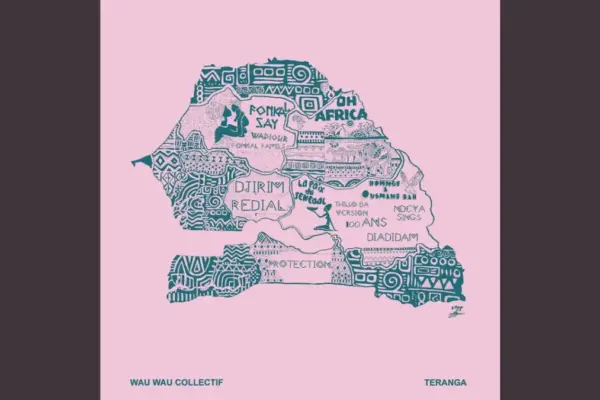
- A cross-genre curatorial mixtape featuring global visionaries like Mali Obomsawin, Don Cherry, Ana Lua Caiano, and Adiciatz.
Detailed Chronology & Release Timeline
The rhythm of the contemporary independent music calendar is defined by meticulous curation, boutique physical releases, and cross-genre mixtapes that bridge archival preservation with avant-garde experimentation.
Friday: The Mixtape Drop
The weekly cycle of new music discovery frequently begins with curatorial overviews designed to map the shifting frontiers of international underground sound. A notable recent drop featured a diverse assembly of artists whose work defies rigid genre categorizations.
- Mali Obomsawin: Bringing Indigenous perspectives and deep jazz-folk integrations to the forefront.
- Don Cherry: Representing the enduring, boundary-shattering legacy of spiritual jazz and global fusion.
- Ana Lua Caiano: Melding Portuguese traditional music with modern electronic production and looping techniques.
- Allison de Groot & Rich Ruth, Booker Stardrum and Evan Shornstein, Jeremy Barnes, and Adiciatz: A trans-continental assembly of traditionalists and experimentalists (such as the French duo Adiciatz) injecting fresh energy and rhythmic vitality into contemporary folk.
Monday: The Morning Brew and Label Spotlights
Monday morning curation brings a deeper dive into recent album cycles, singles, and label spotlights. Key among these is Oslo’s Sheep Chase Records (alongside its sister jazz imprint, Sauajazz), an independent label that has rapidly become a vital node in the Nordic music ecosystem.
Following their release of Black Hauge—the striking collaboration between the Erlend Apneseth Trio and poet Erlend O. Nødtvedt—Sheep Chase turned its attention to the instrumental folk quartet Reolê. Comprising Anders Røine, Hans Kjorstad, Rasmus Kjorstad, and Hans Hulbækmo, Reolê released their third studio album, Fölgefeil. Industry observers and label insiders have hailed the record as a definitive statement from "one of the most influential bands on this new and original wave of Norwegian folk music we are witnessing."
Mid-Week Highlights: Myth, Travel, and Ecological Psychedelia
As the weekly release schedule unfolds, specific singles and EPs capture the cultural zeitgeist:
- The Furrow Collective – True Thomas: Released as a new single ahead of broader seasonal projects, the track breathes new life into the legend of Thomas the Rhymer.
- Bridgid Mae Power – Amhráin: Following extensive critical acclaim across previous releases, the Irish artist unveiled tracks from her home-made EP, deepening her exploration of intimate, atmospheric folk configurations.
- Johanna Warren – Frog in the Belly of a Snake: Scheduled for official release on January 27th, Warren’s rollout included the single and music video for Automatic. Recorded live to tape in an English seaside church and finalized in her bedroom with field recordings, the album represents a distinct synthesis of environmental consciousness and psychedelic folk-rock.
Supporting Context & Metrics: The Mechanics of Independent Music Discovery
Understanding the current health of the independent music ecosystem requires looking at the structural shifts in how music is produced, distributed, and consumed. While major labels consolidate around hyper-commercial streaming strategies, boutique independent labels function as cultural preservationists and risk-taking incubators.
The Rise of Boutique Labels and Regional Hubs
Labels such as Hudson Records, Full Time Hobby, City Slang, Fat Possum, Tonal Union, and Lost Map occupy a critical space in the modern market. Rather than relying on mass-market algorithms, these labels cultivate dedicated listener communities through physical media (vinyl, cassettes, and beautifully packaged CDs), direct-to-consumer platforms (like Bandcamp and Substack), and curated editorial newsletters.
[Independent Artists] ---> [Boutique Labels (Sheep Chase, Hudson, etc.)] ---> [Curatorial Hubs & Substack] ---> [Engaged Audiences / Vinyl Collectors]In Scandinavia, labels like Sheep Chase Records demonstrate the power of hyper-local focus combined with global digital reach. By investing in tradition-bearers who are unafraid to bend genres—incorporating free improvisation, contemporary poetry, and minimalist drone into Hardanger fiddle traditions—these imprints have turned regional Norwegian folk music into a globally exported avant-garde commodity.
The Revival of Oral Histories and Field Recordings
A defining metric of the current folk revival is the renewed interest in archival field recordings and oral traditions. The transmission of songs through figures such as Scottish Traveller Duncan Williamson (who preserved versions of True Thomas via family lineages like his uncle Sandy Townsley, recorded by folklorist John Howson in 1991) highlights the fragile, human-to-human network that sustained folk music long before commercial recording technologies existed.
Modern artists are not merely covering these songs; they are performing acts of historical archaeology. By filtering these ancient narratives through modern anxieties—such as ecological collapse, alienation, and identity reclamation—artists bridge the gap between historical preservation and cutting-edge contemporary art.
Deep Dive: Mythology, Ecology, and Sonic Exploration
To fully appreciate the cultural weight of these recent releases, we must examine the thematic underpinnings driving the work of key featured artists.
1. The Mythic Landscape: The Furrow Collective and True Thomas
The tale of Thomas the Rhymer (Thomas Learmont), a 13th-century Scottish prophet from Earlston in the Scottish Borders, remains one of the foundational myths of British folklore. According to legend, Thomas encountered the Queen of Elfland beneath the Eildon Tree. After kissing her, he was whisked away to an otherworldly realm where he witnessed the rivers of blood, the path to heaven, and the path to hell. Upon his return, he was gifted "a true tongue"—the inability to utter a falsehood.
When approached through the lens of modern folk interpretation, the song carries profound psychological resonance. Emily of The Furrow Collective was drawn specifically to the character of the Queen of Elfland:

"A powerful, commanding and mysterious presence."
In an era dominated by corporate disinformation and political doublespeak, the archetype of the queen who bestows the curse or gift of absolute truth speaks directly to modern listeners. The Furrow Collective’s arrangement honors the sparse, narrative-driven delivery passed down through Duncan Williamson while introducing subtle, contemporary chamber-folk arrangements that elevate the otherworldly atmosphere of the narrative.
2. The Nordic Wave: Reolê and Fölgefeil
Norway’s traditional music scene is undergoing an unprecedented golden age. For decades, traditionalists and modernists fought turf wars over the purity of folk forms. Today, however, musicians are breaking down those barriers with remarkable fluidity.
Reolê, featuring Anders Røine, Hans Kjorstad, Rasmus Kjorstad, and Hans Hulbækmo, exemplifies this synthesis. Their third album, Fölgefeil (released via Sheep Chase Records), merges deep technical mastery of traditional Norwegian instruments (such as the fiddle, mouth harp, and guitar) with the structural freedom of jazz improvisation and minimalist composition. The album title—referencing tracking errors or systematic misalignments—hints at an underlying thematic exploration of human error, navigational drift, and finding beauty in deviation from the prescribed path.
3. Eco-Psychedelia: Johanna Warren’s Frog in the Belly of a Snake
Bridging the gap between contemporary singer-songwriter traditions and ecological mysticism, Johanna Warren’s upcoming album Frog in the Belly of a Snake offers a visceral counterpoint to sterile, highly polished studio pop.
Described by Warren herself as "a psychedelic, ecologically erotic collection of songs," the album’s production methodology mirrors its thematic concerns. By tracking the foundational elements live to tape with friends inside a resonant, historic church on the eastern coast of England, Warren captured the raw acoustics of physical space. She then layered these organic takes with bedroom overdubs and field recordings collected during her global travels.
The lead single, Automatic, accompanied by an evocative music video, showcases this methodology. The song uses ecological metaphors to explore bodily autonomy, systemic exhaustion, and the urge to reconnect with the natural world in an increasingly mechanized society.
Official Statements and Industry Perspectives
The vitality of the current independent music ecosystem is reflected in the commentary of the artists, curators, and label managers driving the movement.
-
On Norwegian Folk Innovation (Sheep Chase Records):
"We are witnessing one of the most influential bands on this new and original wave of Norwegian folk music… Reolê represents a generation of musicians who respect the ancient roots of the music precisely because they feel confident enough to tear them apart and rebuild them in their own image."
-
On Mythological Interpretation (The Furrow Collective / Emily):
"It was the character of the Queen of Elfland that drew me to sing this song. There is something deeply compelling about her powerful, commanding and mysterious presence—she is a sovereign of a realm that operates entirely outside human laws and moralities."
-
On Environmental and Sonic Methodology (Johanna Warren):
"I wanted this record to breathe. Working live to tape in an old English church allowed us to capture the ghost in the machine—the natural reverb, the imperfections, the life of the room. When you layer that with field recordings of the physical world, the music stops being just a product and becomes an environment you can step inside."
Future Outlook: Where Folk and Experimental Sound are Heading
As we look toward the remainder of the decade, several key trends are poised to shape the trajectory of folk, jazz, and experimental ambient music:
- De-Centralized Curation and Direct-to-Fan Models: As major social media algorithms become increasingly monetized and hostile to independent creators, platforms like Substack, independent record stores, and artist-run Bandcamp pages will continue to grow as vital cultural clearinghouses. Curated mixtapes and weekly brews will replace automated streaming recommendations for discerning listeners seeking human curation.
- The Deepening Integration of Acoustic Tradition and Electronic Avant-Garde: The false dichotomy between "traditionalist" and "experimentalist" is effectively dead. Ensembles like Reolê, Mali Obomsawin, and Ana Lua Caiano prove that future folk will rely on simultaneous mastery of acoustic heritage and open-eared electronic/improvisational experimentation.
- Eco-Musicology and Environmental Activism: With artists like Johanna Warren embedding field recordings, live-to-tape rustic recording methods, and ecological narratives into their work, the thematic focus of modern folk is shifting decisively toward environmental awareness, land rights, and post-humanist philosophies.
- Archival Re-Contextualization: The ongoing excavation of regional oral histories—from Scottish Traveller ballads collected by John Howson to Appalachian, Nordic, and indigenous songbooks—will remain a primary engine for new composition, proving that the future of music often lies hidden within its most ancient archives.
Ultimately, the renaissance captured across boutique record labels and independent music digests demonstrates an enduring human truth: in times of technological acceleration and social fragmentation, communities will always seek out the grounding warmth of acoustic instruments, the shared memory of ancient stories, and the courageous exploration of new sonic frontiers.