Dublin’s contemporary folk music renaissance continues to captivate global audiences, driven by a vibrant live circuit, critically acclaimed records, and an extraordinary spirit of stylistic reinvention. While boundary-pushing ensembles like Lankum, OXN, and Landless have earned international acclaim by weaving drones, industrial discordance, and avant-garde heaviness into the traditional fabric, the Dublin scene retains a deep reverence for its roots. Beneath the experimental umbrella, artists dedicated to unearthing, preserving, and revitalizing historical songcraft continue to thrive.
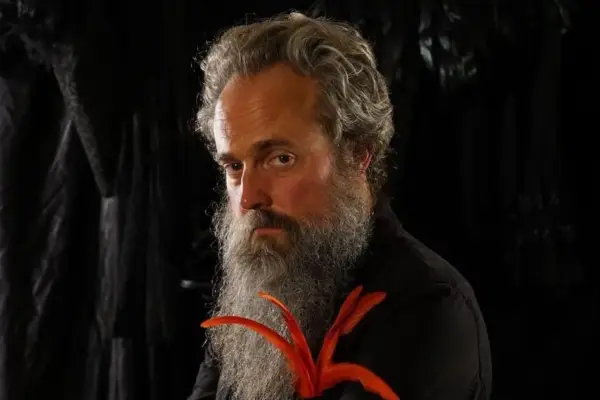
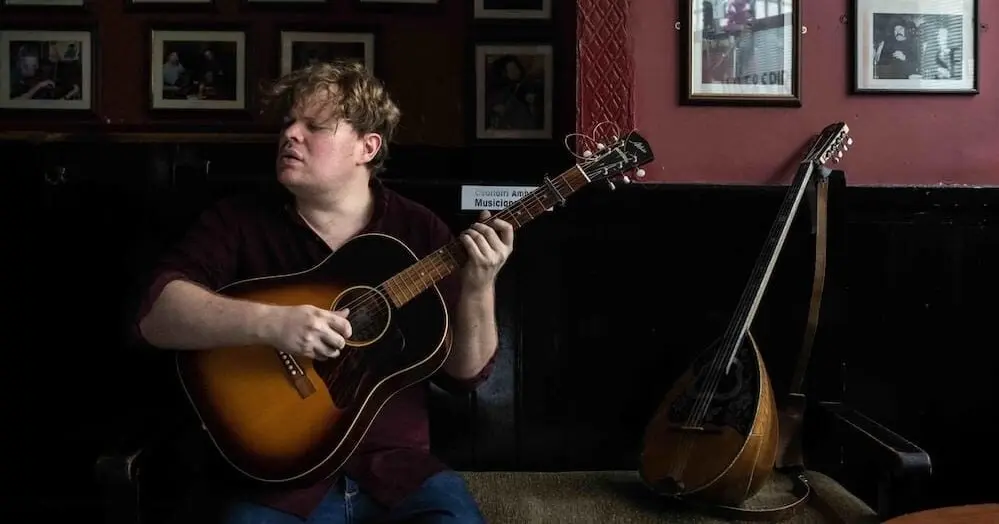
At the vanguard of this traditionalist-adjacent movement is Macdara Yeates. A foundational figure in the modern Dublin folk revival, Yeates helped ignite the scene in 2012 as a co-founder of The Night Before Larry Got Stretched—the legendary singing session hosted at Dublin’s historic Cobblestone pub that catalyzed the careers of numerous contemporary greats.
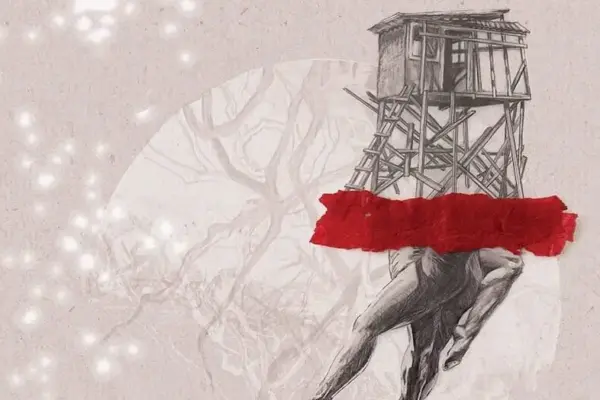
Following his celebrated 2024 debut, Traditional Singing from Dublin, Yeates returns with his sophomore full-length, Mudlark Ballads, slated for release on September 4, 2026, via SilkOnIt Records. Produced by Daniel Fox of Gilla Band, the album represents a bold step forward. It marries archival street songs with sparse, inventive, and deeply atmospheric arrangements. Far from operating as a strict traditionalist who simply mimics the past, Yeates acts as a sonic archaeologist. He exhumes neglected historical relics of Dublin’s musical heritage and injects them with unexpected instrumentation, visceral pathos, sharp humor, and striking theatricality. To mark the release of Mudlark Ballads, Yeates has announced an extensive international album launch tour spanning Ireland and the United Kingdom through the autumn and winter of 2026.
Detailed Chronology
2012: The Genesis at The Cobblestone
Long before critical praise and avant-garde folk movements thrust Dublin’s traditional music community into the international spotlight, the scene required a crucible. That crucible was forged in 2012 with the inception of The Night Before Larry Got Stretched, a grassroots singing session established at The Cobblestone, a venerable Dublin pub synonymous with traditional music preservation. Macdara Yeates stood among the primary visionaries of this gathering. The session provided a vital, communal space where musicians, singers, and enthusiasts could trade songs, experiment with phrasing, and forge the collaborative networks that would eventually yield some of the most innovative folk acts of the 21st century.
2024: The Acclaimed Debut
Twelve years after helping lay the groundwork for Dublin’s modern folk renaissance, Yeates stepped into the spotlight as a solo recording artist with his debut album, Traditional Singing from Dublin. Anchored by powerful, commanding renditions of canonical material—such as the arresting opening track, Johnny I Hardly Knew Ye—the album established Yeates as a premier interpreter of old songs. Yet, even within a project ostensibly rooted in orthodoxy, subtle indicators pointed toward a broader artistic vision. Yeates demonstrated a unique knack for prioritizing the emotional and narrative core of a composition over rigid historical purism.
September 4, 2026: The Arrival of Mudlark Ballads
Released via SilkOnIt Records, Yeates’s sophomore album marks a decisive leap in his artistic evolution. Teaming up with producer Daniel Fox—renowned for his work with abrasive post-punk outfit Gilla Band—Yeates trades the relatively straightforward presentation of his debut for a more confident, varied, and texturally rich palette. Mudlark Ballads dives deeper into Dublin’s archival underworld, resurrecting long-forgotten street songs and framing them with unorthodox instrumentation, tactile percussion, and clever structural dynamics.
Autumn/Winter 2026: The International Album Launch Tour
To support the release of Mudlark Ballads, Yeates will embark on an extensive headline tour across the UK and Ireland. The itinerary commences with a high-profile appearance at the Durham Folk Festival (September 18–20) before hitting legendary grassroots venues and cultural spaces. Irish dates include Galway’s Róisín Dubh (October 9), DeBarra’s Folk Club in Clonakilty (October 11), the Oh Yeah! Centre in Belfast (October 14), Coughlan’s in Cork (October 18), Sandino’s in Derry (October 22), and a landmark homecoming show at Dublin’s Sugar Club on November 1.
The tour then moves across the Irish Sea for a series of UK performances, visiting London’s Cecil Sharp House (November 4), Glossop Labour Club (November 7), the Red Deer Folk Club in Marsden (November 8), Birmingham’s Kitchen Garden Café (December 1), Sheffield’s Samuel Worth Chapel (December 2), and concluding with a performance at the Irish Cultural Centre in Hammersmith, London, on December 10.
Supporting Context & Metrics
The Dublin Folk Ecosystem: Experimentation Meets Preservation
The contemporary Dublin folk scene is characterized by a dynamic tension between avant-garde experimentation and historical fidelity. Groups such as Lankum, OXN, and Landless have garnered critical acclaim by pushing traditional tropes to their breaking points, incorporating metallic drones, unsettling dissonance, and long-form sonic heaviness.
While Yeates shares these artists’ willingness to subvert expectations, his methodology diverges. Rather than expanding songs outward into towering walls of apocalyptic folk, Yeates contracts them inward. He utilizes a minimalist aesthetic, lo-fi textures, and stark instrumentation to elevate the intrinsic narrative and emotional weight of the material. This counter-balance ensures that the broader Dublin folk movement maintains a healthy anchor in the vocal traditions of the city’s past, even as its peers gaze into the avant-garde future.
Production and Sonic Architecture: The Daniel Fox Effect
A critical element in the distinct sonic identity of Mudlark Ballads is the involvement of producer Daniel Fox. Best known as the bassist and sonic architect for Gilla Band, Fox brings a sharp ear for industrial grit, atmospheric tension, and spatial dynamics to Yeates’s acoustic framework.
Throughout the album, Fox’s production helps map out the urban soundscapes of Dublin. Opener The Lucan Dairy is delivered completely unaccompanied, creating a vast, plein-air acoustic environment that feels open to the elements. Elsewhere, tracks like Stands a Lady capture the auditory illusion of being recorded live on a bustling city street, where everyday urban life hums quietly in the background, treating the listener to a musical snapshot of an unheeding populace.
Archival Exhumation: Songs from the Shadows
Mudlark Ballads serves as much as a work of historical recovery as it is a contemporary folk record. Among its most notable achievements are the first-ever commercial recordings of long-lost Dublin street songs.
- De Kilmainham Minit: A vivid, darkly humorous account of an execution set to rich, evocative vocabulary. The track features palpable, physical percussion and is highlighted by a comically sinister kazoo solo, neatly balancing high drama with macabre wit.
- De May Bush: A violently celebratory May Day anthem that dispels the notion that spring fertility rites belong exclusively to quaint English villages. Propelled by metallic guitar strums, the song carries an inexorable, reckless momentum reminiscent of a chaotic night out where the outcome remains uncertain.
- Hiring Time: Operating at a slower tempo, this track employs a heavy, percussive thump that mirrors the unyielding sense of fate found in De May Bush.
- Alexander: An indulgent display of storytelling where a narrator spins epic, exaggerated historical yarns to win a lover’s heart. Yeates delivers the performance with a knowing wink and deep tenderness.
- Mrs Smyly: A biting, a cappella political satire targeting the historical practice of "souperism" during the Great Famine.
- ‘Tis Whiskey I Adore: The stately, harmonium-draped album closer. Supported by long, resonating organ notes, the track showcases Yeates’s rich, forceful baritone.
Official Statements
Reflecting on the philosophy behind his sophomore release and his unique approach to historical interpretation, Macdara Yeates notes that the title of his debut, Traditional Singing from Dublin, was playfully subversive. While the songs themselves are steeped in local folklore, his execution is rarely orthodox.
"Rather than singing familiar songs in familiar ways, [we] unearth little-known relics of Dublin’s musical history and use unusual instrumentation or arrangements to bring out the pathos, humour and drama that is inherent in those songs."
Discussing the meticulous arrangement of tracks like MattHyland—where a repetitive, death-knell guitar gives way to delicate embellishments, a swelling drone, and a hopeful a cappella release—music critics and collaborators have pointed to Yeates’s innate sense of narrative pacing. As observed in analyses of his vocal delivery:
"He has a rare knack: the ability to let his songs carry his voice in the right direction every time. It means that emotion flows from every note with apparently little effort. These songs, which at times seem like they were rescued from the dirty streets, are valuable treasures in his hands."
Producer Daniel Fox’s contribution has similarly been praised for anchoring the record in the tactile reality of modern and historical Dublin, utilizing lo-fi production techniques to transform acoustic arrangements into sonic landscape paintings rooted in urban grit and historic memory.
Future Outlook
As Mudlark Ballads hits shelves on September 4, 2026, via SilkOnIt Records, the album is positioned to significantly expand Macdara Yeates’s footprint beyond Ireland’s borders. By successfully bridging the gap between archival historical research and modern, minimalist production sensibilities, Yeates has carved out a distinct and vital niche within the international folk community.
The upcoming autumn and winter tour will test the live resonance of these complex, beautifully arranged street ballads. Performances across prestigious listening rooms, historic folk clubs, and cultural centers—from Galway to London—will offer audiences a chance to witness firsthand how Yeates translates his recorded soundscapes to the stage.
Looking further ahead, Mudlark Ballads signals a maturing voice in Irish traditional music—one that proves history is not a static artifact to be preserved behind glass, but a living, breathing tradition capable of absorbing modern grit, theatrical flair, and profound emotional resonance.