Executive Overview
Amidst the sun-drenched concrete and palm trees of San Diego’s Waterfront Park, the bi-annual CRSSD Festival serves as a mecca for electronic music enthusiasts. With temperatures soaring to 32°C (90°F), tens of thousands of festival-goers flood the grounds in festival attire—tank tops, lightweight shorts, sunglasses, and cold beers in hand—seeking the hypnotic pulses of house and techno echoing from the stages.
Yet, tucked away from the sprawling ocean-view dancefloors sits a shaded oasis that offers an entirely different kind of immersion. Inside a dark, unassuming black tent known as CRSSD Lab, the ambient festival air is replaced by the hum of cooling electronics, the glow of digital screens, and the tactile clatter of drum pads and vinyl crates.
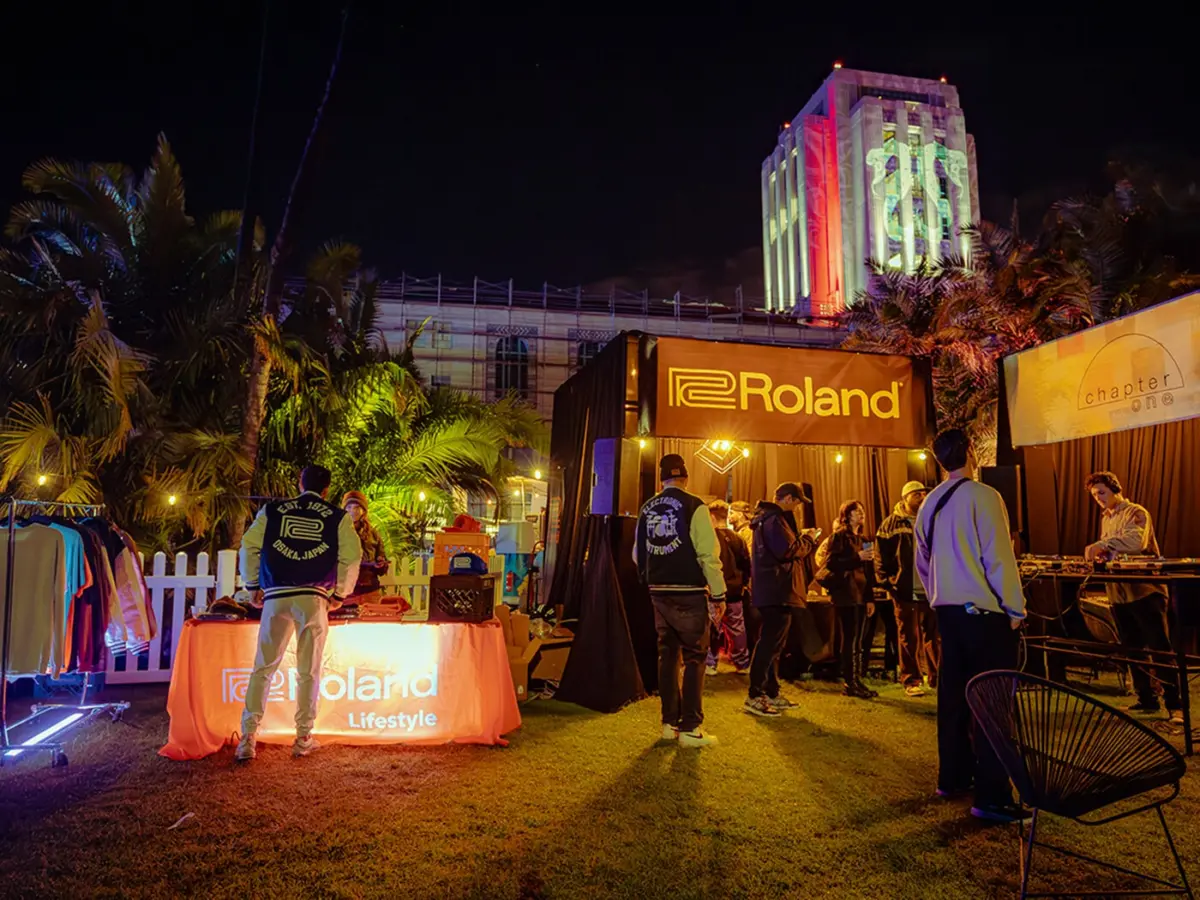
For over eight years, CRSSD Lab has anchored the center of the festival grounds. Mainstays like music technology giant Roland and Los Angeles-based pop-up record store Chapter One have utilized this intimate space to forge a vital connection between the consumer and the creator. While the rest of the festival ecosystem celebrates the finished product—pumping basslines through massive festival rigs operated by world-class DJs—CRSSD Lab peels back the curtain. Here, the festival-goer transitions from a passive consumer of electronic music into an active, hands-on participant in its creation.
This deep dive explores why legacy music tech brands and independent record shops continue to brave the festival elements, the shifting demographics of modern electronic music fans, and how physical, one-on-one engagement is reshaping the future of music production.
Detailed Chronology: A Day Inside the CRSSD Lab Tent
The Midday Lull and Tactile Exploration
By 3:00 PM, the heat outside is relentless, making the shaded interior of the CRSSD Lab tent a welcome sanctuary. Festival-goers naturally drift inside, moving seamlessly between the Roland and Chapter One booths.

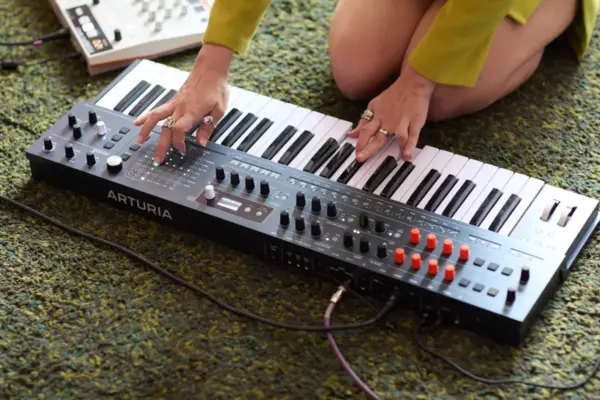
On the Roland side of the installation, a robust array of hardware sits ready for abuse: the iconic Juno-X synthesizer, a TR-1000 drum machine, various effects processors, and guitars are all wired into an Ableton Live session. The setup is designed for collaboration. An attendee might step up, twist a cutoff filter, or record a quick rhythmic loop into the DAW before stepping aside to let the next curious mind lay down a complementary lead line. A Roland DJ-202 controller sits nearby, inviting those less familiar with synthesis to try their hand at basic mixing using pre-selected tracks.
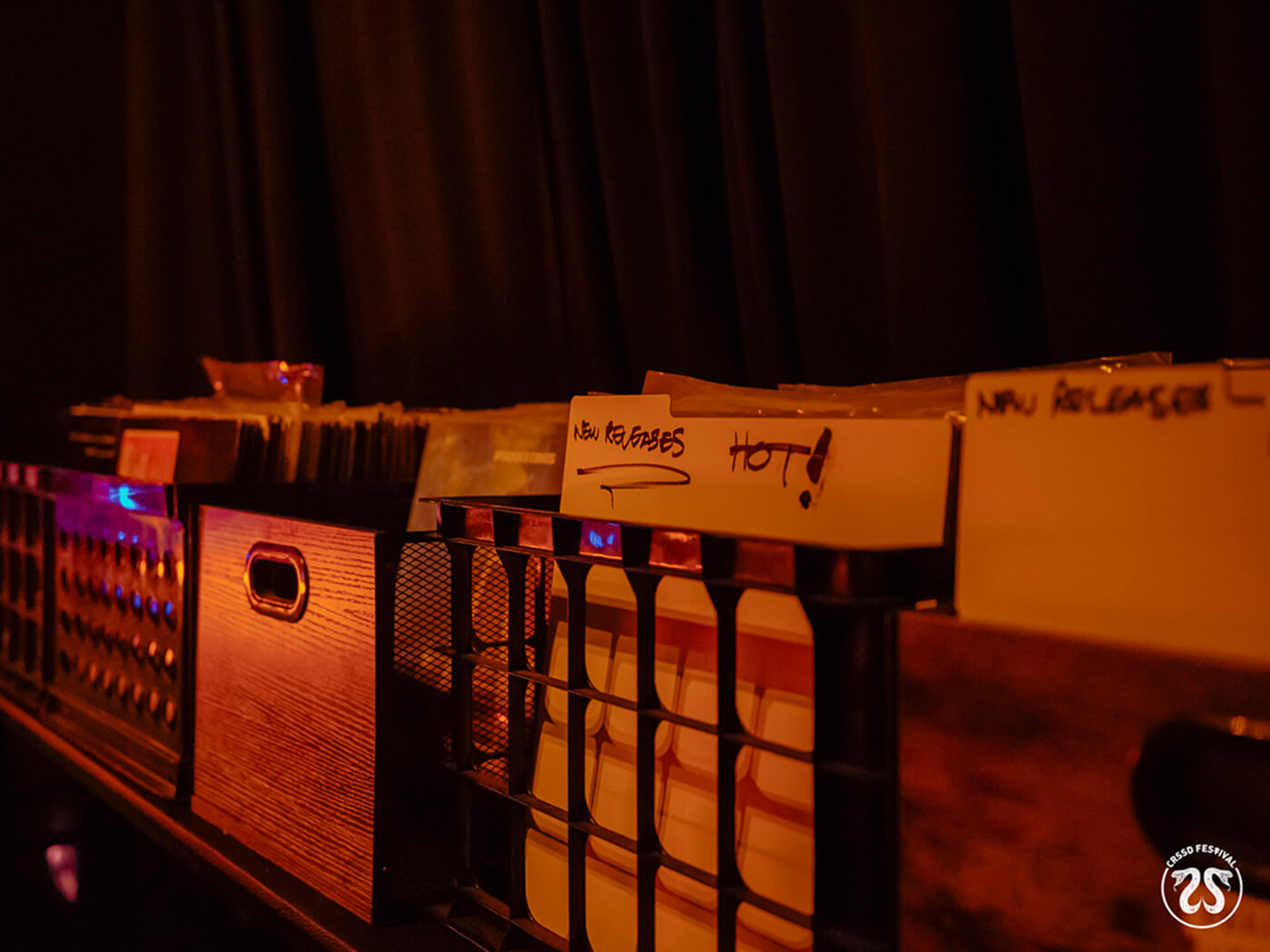
Just feet away, crate-diggers flip through cardboard boxes filled with vinyl records housed in the Chapter One Records section. Armed with a Technics SL-1200 turntable and high-end headphones, patrons can audition tracks ranging from underground $5 dance singles to heavyweight classic albums like Daft Punk’s Random Access Memories. By mid-afternoon, a stack of paper bags containing pre-purchased vinyl sits neatly stacked behind the counter, waiting for their buyers to return at the end of the night when they are ready to leave the festival grounds.
Breaking Down the Barrier to Entry
The atmosphere inside the tent defies the stereotypical intimidation factor associated with music production gear. To the uninitiated, modular synths, digital audio workstations (DAWs), and hardware sequencers can look like the cockpit of a commercial airliner.
However, the intentional design of the Roland booth strips away this apprehension. Brand representatives act less like aggressive salespeople and more like patient mentors. By demystifying the technology in real-time, they dismantle the psychological barrier that prevents casual listeners from attempting music production. Within minutes, a skeptic who walked in declaring, "I don’t make music," is actively triggering samples and sequencing drum patterns.
Supporting Context & Metrics: The Business of Grassroots Engagement
Why Brands Keep Coming Back
In an era dominated by targeted digital marketing, social media algorithms, and direct-to-consumer e-commerce websites, the decision to invest in physical, experiential festival activations might seem archaic. Yet, brands like Roland and Chapter One view events like CRSSD as irreplaceable cornerstones of their marketing and community-building strategies.
Mar Keith Anthony, Roland’s Global Brand Relations Manager, points out the sheer rarity of such initiatives. "Who else do you see out here getting one-on-one with their end users?" he asks. Roland maintains a carefully curated physical presence at select cultural touchstones across North America, including Movement in Detroit and Stagecoach—the country music festival hosted annually on the Coachella grounds.
The metrics of success for these activations are not measured solely in immediate hardware sales at the festival gates. Instead, the ROI is found in brand affinity, community integration, and educational outreach. For Chapter One, approximately 80 percent of its physical stock brought to the festival is sold over the course of the weekend. Max Coletto, founder of Chapter One, notes that the event acts as a powerful feeder network for their physical retail and community hub in Los Angeles.
Demographic Shifts and the Vinyl Resurgence
Crucially, CRSSD Lab provides a unique lens through which brands can study the evolving demographics of the electronic music audience. Coletto observes a fascinating dichotomy among the festival’s attendees:
- The New Generation: Young festival-goers in their late teens and early twenties who are experiencing underground electronic music for the first time. They may not yet know specific record labels or underground producers, but their curiosity is palpable. They eagerly ask staff for recommendations on local labels, emerging artists, and foundational records to explore.
- The Veteran Enthusiasts: Die-hard electronic music fans aged 50 to 60 who have followed the genre’s trajectory for decades. For this demographic, flipping through the crates is an exercise in nostalgia and a connection to physical media’s golden era.
This cross-generational engagement highlights an undeniable cultural trend: despite the dominance of digital streaming platforms, younger audiences retain an insatiable appetite for tangible music experiences, left-of-center underground sounds, and physical formats.
Official Statements and Industry Insights
Roland’s Vision: "Creating More Music Makers"
Roland’s long-term commitment to CRSSD Festival goes far beyond product placement. It is an exercise in empathy and community validation.
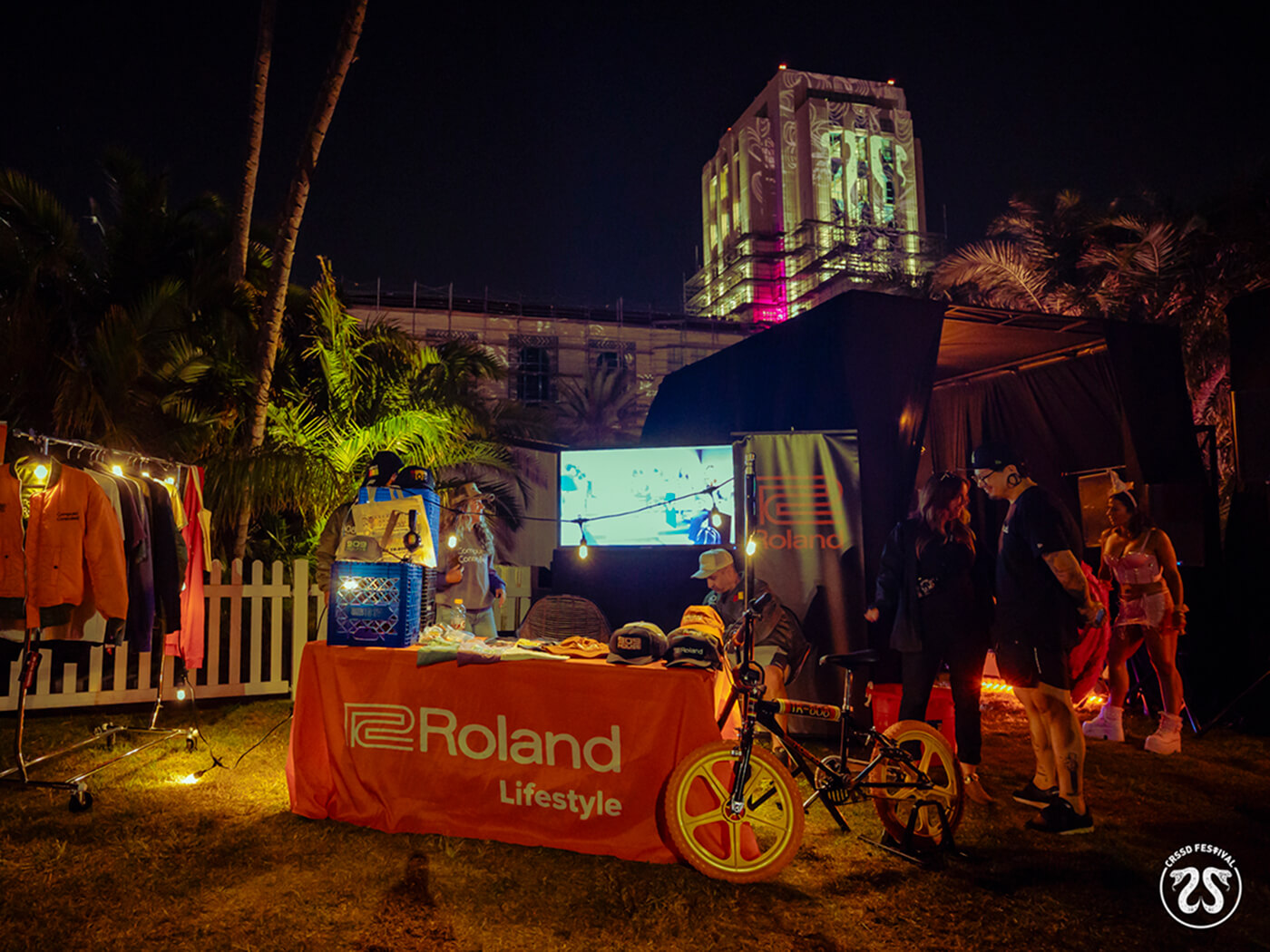
"Coming [here for] years is really about making sure the fans know that we’re part of the community as well," says Mar Keith Anthony. "We’re invested in the continued creation of this style of music. It’s important being out in the elements like this. No one can speak to the products better than someone that works directly for the brand."
This philosophy mirrors Roland’s broader retail strategy, exemplified by the launch of their flagship brick-and-mortar store in New York City—the company’s first official US flagship location. Much like the CRSSD Lab tent, the New York store is deliberately engineered not as a sterile warehouse of goods, but as an experiential playground. It invites visitors to sit down, touch the instruments, and experiment without pressure.
Anthony distills Roland’s overarching corporate philosophy into a single, passionate mandate:
"We’re creatives, and we feel like music is the heartbeat of everything that we do. So therefore, for us, that’s what we’re passionate about: creating more music makers."
Chapter One’s Perspective: Cultivating Community
For Chapter One, the festival environment acts as a living laboratory for market research. By engaging directly with consumers in an unstructured, celebratory environment, the record store team gains direct insight into what drives modern music discovery.
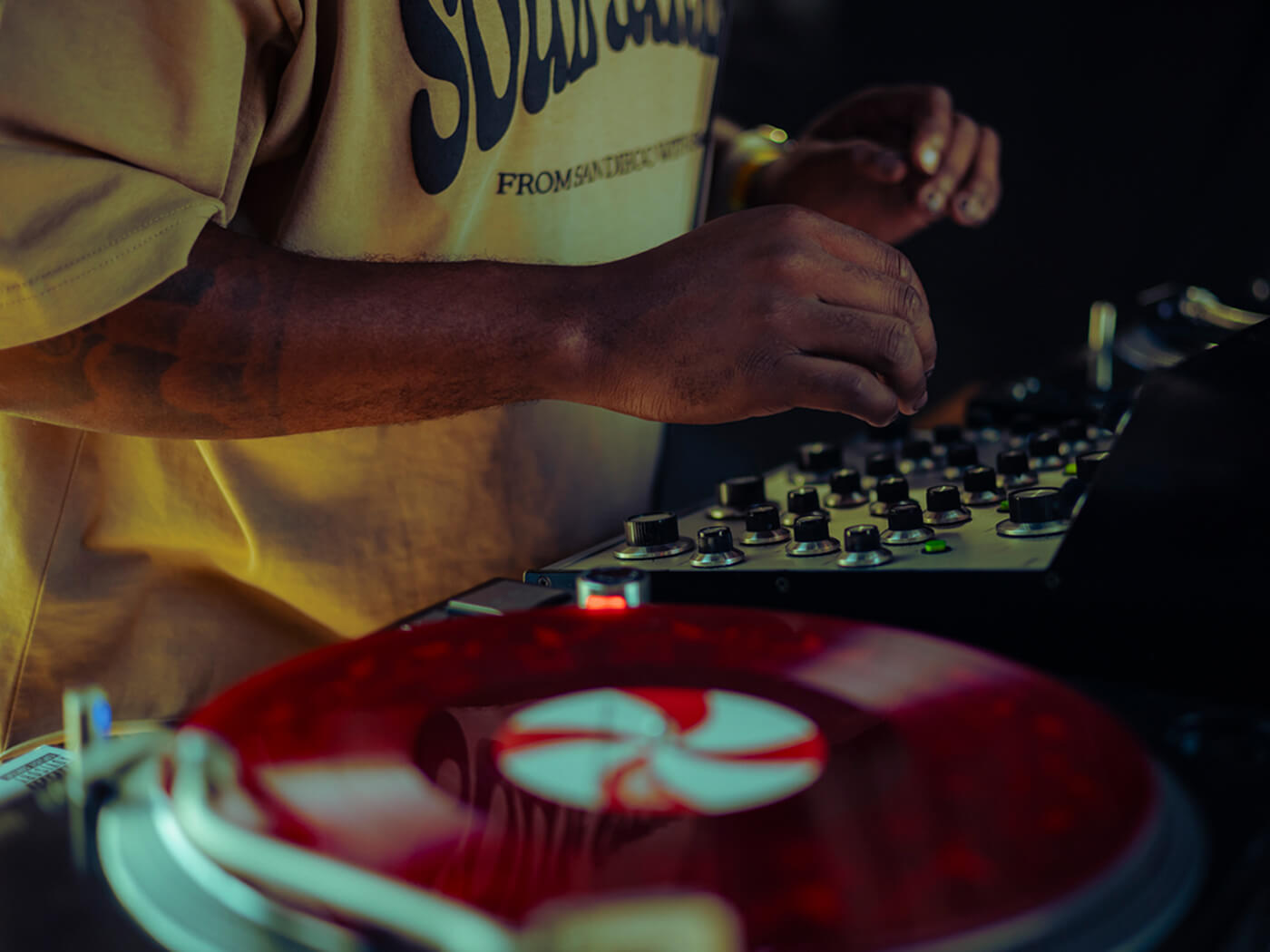
"It’s always a nice little memory for them," Coletto reflects on the interactions at the booth. "It’s not just about getting the record, it’s about interacting with them. It’s a whole experience."
The dialogue sparked across the crates often yields unexpected connections. Parents frequently approach the Roland booth seeking beginner-friendly gear for children interested in beat-making, while seasoned producers stop by to ask nuanced technical questions about integrating hardware samplers into their mobile recording rigs.
Future Outlook: The Evolution of Experiential Music Tech
As the festival landscape continues to evolve in a post-digital world, the value of physical, human-centric spaces like CRSSD Lab is skyrocketing. In an age where digital fatigue is real, and algorithms dictate nearly every song recommendation a listener receives, the tactile authenticity of turning a hardware knob, dropping a needle onto a vinyl record, or collaborating with a stranger on an Ableton session provides a powerful antidote.
The success of CRSSD Lab proves that music fans do not merely want to consume culture; they want to contribute to it. By breaking down the intimidation barriers associated with music production hardware and record collecting, brands like Roland and Chapter One are successfully planting the seeds for the next generation of producers, DJs, and vinyl enthusiasts.
As long as festivals like CRSSD continue to celebrate the underground dance music ethos, the black tent in the center of Waterfront Park will remain a vital incubator—proving that beneath the sunglasses and ice-cold beers, the true heartbeat of electronic music lies in the desire to create.