Executive Overview
The evolution of modern electronic music production is continually shaped by the bridge between hardware tactility and software flexibility. Few instruments in recent years have navigated this intersection as successfully as Arturia’s MiniFreak. Originally introduced as an unassuming yet ferocious hybrid synthesizer, the device has just received what is arguably its most significant and highly requested firmware upgrade to date: MiniFreak Firmware 5.0.
Available entirely free of charge to all existing hardware and software (MiniFreak V) users, the 5.0 update fundamentally expands the sonic palette of the instrument. Most notably, it introduces user sample and wavetable import capabilities, bridging the gap between bespoke acoustic/electronic source material and the synth’s potent Freak engines. Coupled with a brand-new factory sound bank, streamlined hardware content management, and deep integration with Arturia’s wider software ecosystem—such as Pigments—this release cements the MiniFreak’s status as a powerhouse in modern sound design.
This comprehensive report explores the technical implications of the 5.0 update, traces the developmental trajectory of the MiniFreak ecosystem, analyzes its workflow enhancements, and examines what this means for producers, sound designers, and hardware enthusiasts alike.
Detailed Chronology: The Evolution of a Hybrid Behemoth
To understand the weight of the 5.0 update, it is essential to look back at how the MiniFreak entered the market and disrupted expectations of what a compact hybrid synthesizer could achieve.
The Genesis (2022)
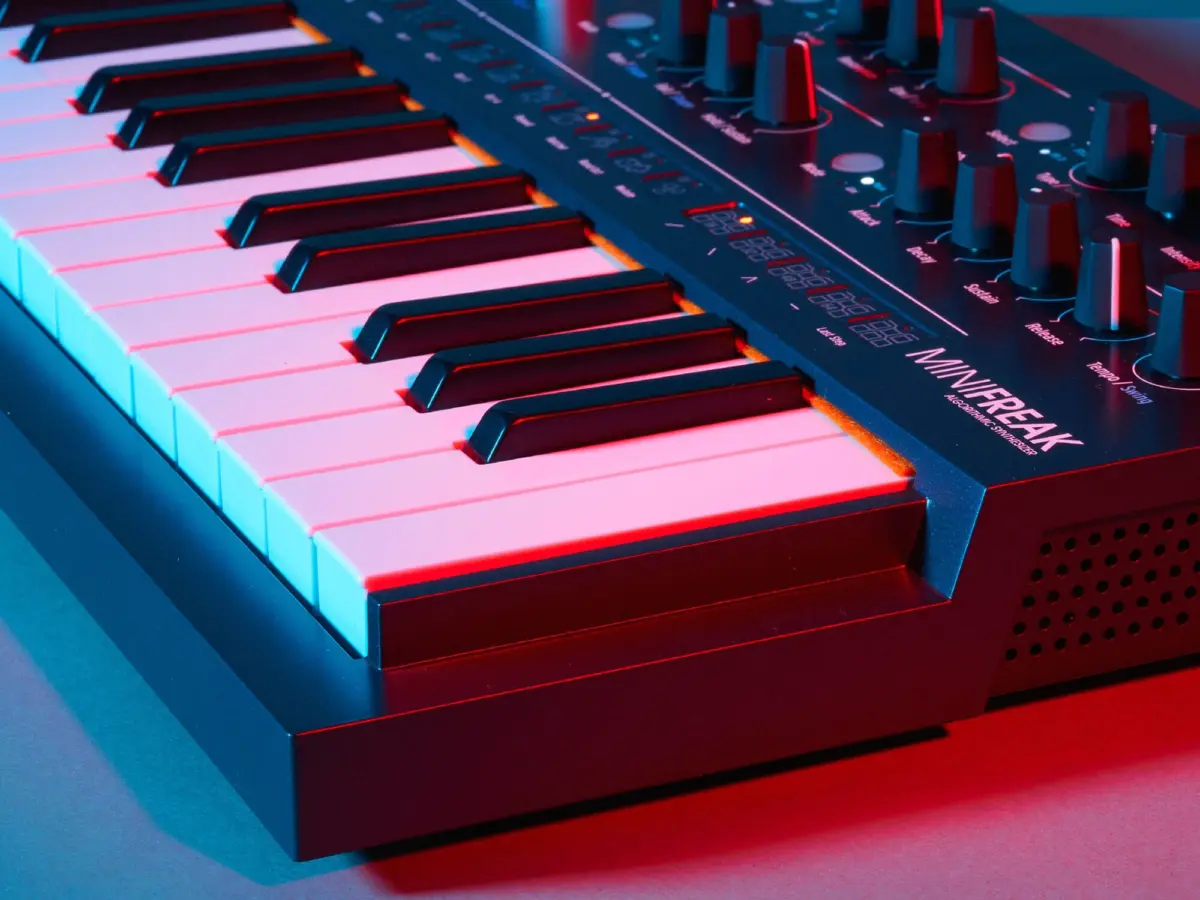
When Arturia first released the MiniFreak in late 2022, it arrived with high expectations. Building upon the experimental ethos of the original MicroFreak, the MiniFreak expanded the concept into a polyphonic, dual-engine hybrid synthesizer equipped with a comfortable, slim-key bed and a hands-on control surface.
Upon reviewing the hardware, industry publications—including MusicTech, which awarded the instrument a stellar 9/10—praised its deceptive depth. Reviewers noted:
"The MiniFreak is a small instrument whose unassuming exterior hides a behemoth of a synthesiser. It’s tough to believe the richness and character you can coax from such a compact, almost cute, instrument. Thanks to its cleverly conceived panel layout and performance controls that keep every parameter within reach, playing with the MiniFreak is never frustrating."
Crucially, the launch was accompanied by MiniFreak V, a software counterpart that mirrored the hardware 1:1. This allowed producers to seamlessly move projects from studio Digital Audio Workstations (DAWs) to physical hardware without missing a beat, establishing a fluid hybrid workflow that set a new industry benchmark.
Iterative Growth (2023–2025)
In the years following its release, Arturia did not let the instrument stagnate. Through a series of firmware updates, the French manufacturer continuously refined the operating system, optimized the modulation matrix, introduced new algorithmic sound engines, and squashed minor bugs. Each iteration expanded the synthesizer’s capabilities, gradually building a passionate, global community of users who pushed the instrument into ambient, techno, synthwave, and sound-design realms far beyond its initial genre footprint.
The Milestone: Version 5.0 (2026)
Arriving as a milestone release, Firmware 5.0 shifts the MiniFreak from a closed-architecture preset/engine synth into an open-ended canvas. By listening intently to community feedback—specifically regarding user-generated content—Arturia has unlocked the instrument’s internal memory and processing architecture, allowing musicians to inject their own sonic DNA directly into the hardware and software engines.

Technical Deep-Dive: What’s New in Version 5.0?
The 5.0 update is structured around three primary pillars: user sample import, advanced wavetable handling, and unified hardware-software content management, rounded out by a dedicated preset collection.
+-------------------------------------------------------------------------+
|                        ARTURIA MINIFREAK 5.0                            |
+---------------------------+---------------------+-----------------------+
|  User Sample Import       | Wavetable Engine    | Content Management    |
|  - Drag-and-drop workflow | - Custom mono files | - Direct HW transfer  |
|  - Auto-trim/conversion   | - Pigments compat.  | - Factory resets      |
|  - Freak engine shaping   | - On-the-fly twist  | - Preset banks (v5.0) |
+---------------------------+---------------------+-----------------------+
1. User Sample Import and Conversion
Prior to version 5.0, users were restricted to Arturia’s factory algorithms and internal ROM components when shaping their timbres. The 5.0 update shatters this boundary.
- Frictionless Workflow: Users can now simply drag and drop audio files directly into the MiniFreak V engine, or utilize the dedicated "Import" button.
- Intelligent Processing: Recognizing that raw audio files often require clean-up before being used as oscillator sources, MiniFreak V automatically handles the conversion and trimming process.
- Engine Integration: Once imported, these samples can be fed straight into the MiniFreak’s unique Freak engines, allowing producers to chop, warp, filter, and modulate personal recordings, vocal snips, or custom acoustic hits with the hardware’s tactile controls.
2. Expanded Wavetable Capabilities
Wavetable synthesis thrives on variety and movement. Version 5.0 expands the MiniFreak’s wavetable architecture by supporting the import of custom mono wavetables.
- Ecosystem Cross-Pollination: Users can pull wavetables from their favorite external libraries, including native assets from Arturia’s flagship software wavetable synthesizer, Pigments.
- Real-Time Manipulation: Once loaded, these custom tables can be manipulated "on the fly" using the hardware’s physical knobs, turning static waveforms into evolving, morphing textures.
3. Streamlined Content Management
Managing custom user content on hardware synthesizers has historically been a cumbersome chore involving third-party sysex librarians or clunky USB transfers. Arturia has resolved this friction by enabling full management of user content directly from MiniFreak V.
Through the software plugin, users can now:
- Seamlessly transfer custom samples and wavetables to the physical MiniFreak hardware.
- Remove unwanted files to free up internal memory.
- Execute system maintenance commands, such as performing a factory reset, without diving deep into confusing hardware menu pages.
4. Factory Bank v5.0
To showcase the capabilities of the new firmware, Arturia has bundled Factory Bank v5.0. This collection features 23 new presets built specifically around exclusive sample and wavetable content. It serves both as immediate inspiration for users opening up the update for the first time and as a technical demonstration of how custom audio materials behave under the hood of the MiniFreak architecture.
Supporting Context & Ecosystem Metrics
To fully appreciate the impact of the MiniFreak 5.0 update, it helps to contextualize Arturia’s broader product strategy and market standing.
The Hybrid Hardware-Software Synergy
Arturia has long been a pioneer in translating analog and digital synth heritage into software (via the V Collection) while simultaneously carving out a dominant space in physical production tools (KeyStep, BeatStep, and the Freak series). The MiniFreak represents the ultimate synthesis of this philosophy.
By maintaining absolute parity between the hardware unit and the MiniFreak V plugin, Arturia addresses a major modern production pain point: recallability and portability. A producer can design a complex patch on a laptop while traveling, transfer it to the physical MiniFreak for a live performance or late-night hardware jam session, and retain 100% sonic and structural fidelity.
Expanding Beyond the Freak Series
The release of Firmware 5.0 coincides with a broader wave of product development from Arturia. Just last month, the company made waves with the release of Pure SUB, a specialized bass synthesizer designed to tackle heavy, impact-driven low-end frequencies.

While Pure SUB targets "drop-defining" spatial weight and sub-bass motion, the MiniFreak occupies the opposite end of the spectrum: a versatile, multi-engine chameleon capable of icy leads, dirty digital pads, chaotic noise elements, and now—thanks to 5.0—personalized sample-driven soundscapes. Together, these releases highlight a brand operating at the top of its game, catering meticulously to both traditional electronic music genres and avant-garde sound design.
Expert Perspectives and Community Reception
The electronic music community’s reaction to the 5.0 announcement has been overwhelmingly positive. On digital forums, Reddit synth communities, and social media channels, user sample import was consistently cited as the "holy grail" feature missing from an otherwise flawless machine.
Industry Impact
Sound designers and electronic artists have noted that opening the MiniFreak up to user wavetables and samples effectively multiplies its lifespan. Synthesizers that rely strictly on fixed ROM often risk sounding dated or overused once their factory presets become ubiquitous. By allowing users to feed their own field recordings, modular synth loops, or custom digital wavetables into the Freak engines, Arturia has ensured that every producer can carve out a distinct sonic identity using the exact same piece of hardware.
Furthermore, the automation of the conversion and trimming process within MiniFreak V lowers the technical barrier to entry. Users do not need to manually pitch-map multi-samples across keygroups; instead, the software streamlines the translation of raw audio into playable, expressive oscillator data.
Future Outlook
As hardware synthesizers become increasingly digitized and interconnected with computer-based workflows, the dividing line between "hardware purist" and "in-the-box producer" continues to dissolve. Arturia’s ongoing support for the MiniFreak—culminating in this major, feature-rich 5.0 firmware—demonstrates a commitment to long-term product stewardship that modern consumers demand.
Looking ahead, the inclusion of sample and wavetable import capabilities sets a high bar for competing manufacturers in the compact hybrid market. It proves that a device released years prior can be radically transformed and revitalized through thoughtful software engineering and responsive community engagement.
For current MiniFreak owners, version 5.0 is an essential download that breathes entirely new life into their hardware. For prospective buyers, it tips the scales firmly in favor of an instrument that continues to punch far above its weight class.
How to Access the Update
The MiniFreak Firmware 5.0 and accompanying MiniFreak V software update are available now. Existing users can access, download, and install the free update by logging into their accounts via the Arturia Software Center (ASC) or by visiting the official Arturia MiniFreak Update Page.