Executive Overview
Ed Sheeran’s sprawling international concert series, The Loop Tour, has found itself engulfed in a geopolitical storm that threatens to overshadow the remainder of its North and South American dates. What began as a routine booking controversy has rapidly escalated into a full-scale public relations crisis, marked by widespread artist boycotts, high-profile venue pushback, and coordinated street protests.
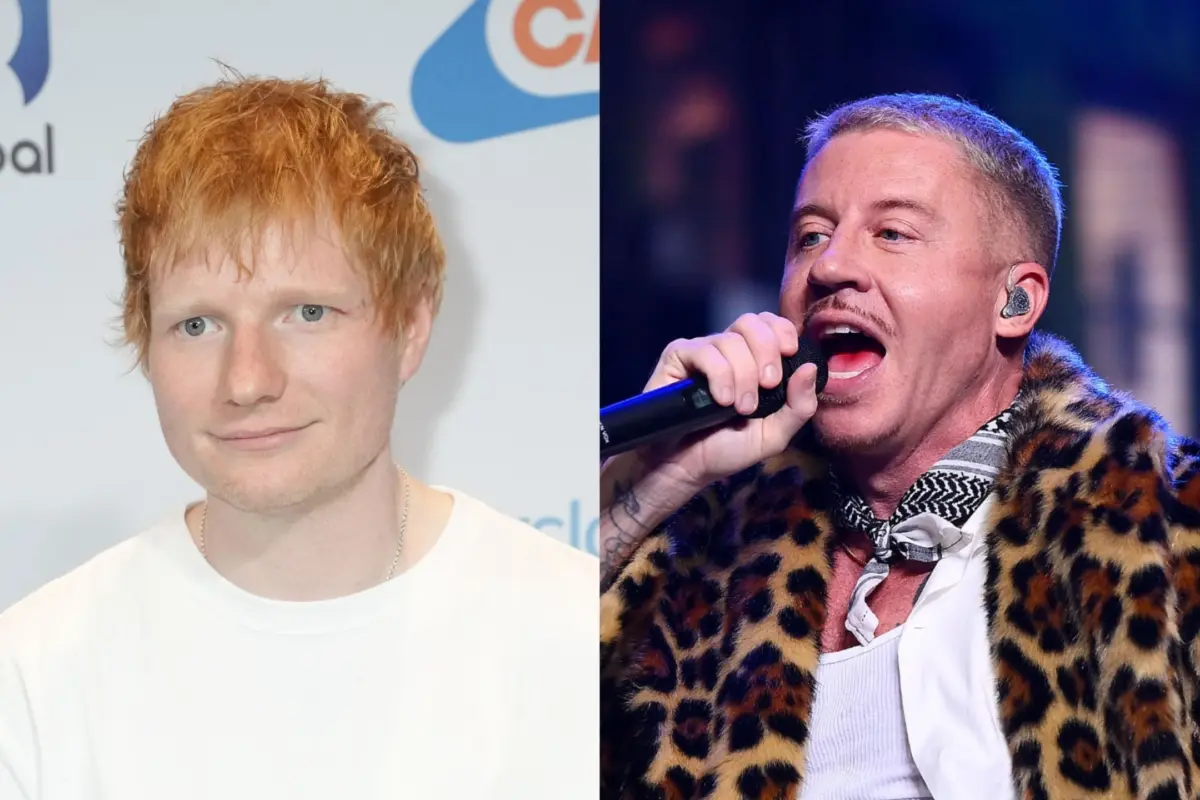
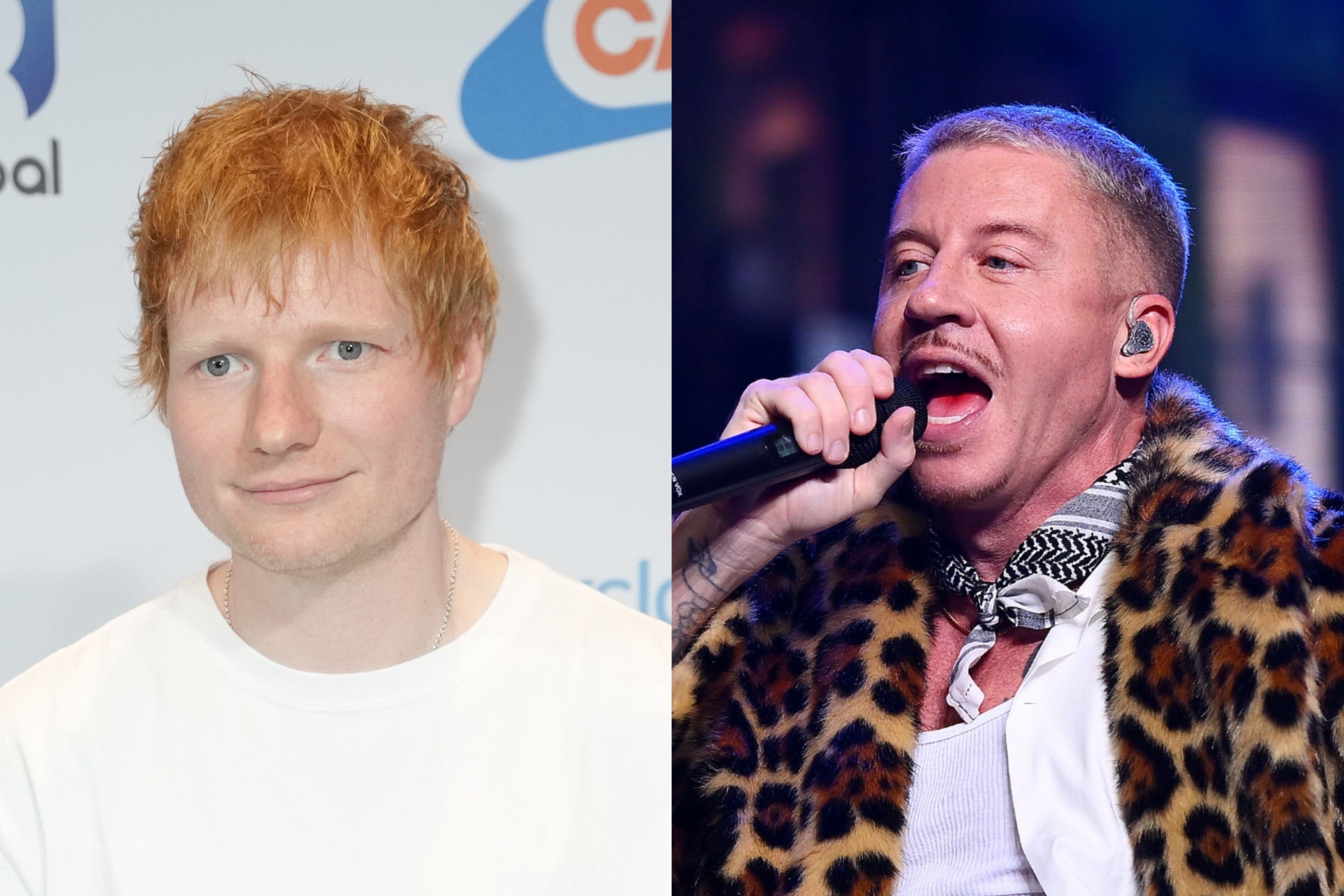
The turbulence centers on the decision to remove American rapper Macklemore—legally named Benjamin Haggerty—from the tour’s supporting lineup following controversial public comments he made regarding the ongoing conflict in Gaza. The fallout was swift and severe. In a rare display of solidarity within the contemporary music industry, all remaining opening acts, alongside Sheeran’s longtime backing band, voluntarily withdrew from the tour.
As Sheeran prepares to take the stage at Philadelphia’s Lincoln Financial Field, local activist coalitions have mobilized, promising major demonstrations outside the stadium. The protests aim to redirect public attention toward the humanitarian crisis in Gaza while holding the tour’s organizers and participating venues accountable. Meanwhile, the financial and logistical impacts of the boycott are rippling across ticket markets and tour schedules, leaving promoters scrambling to manage a fractured itinerary with 18 shows remaining before a scheduled December finale in Mexico City.
Detailed Chronology of the Crisis
The Genesis: Macklemore’s Remarks and Removal
The controversy traces back to statements made by Macklemore concerning the Israel-Hamas conflict. Known for his outspoken political views and prior musical releases addressing social justice, the rapper’s commentary on Gaza drew sharp divisions among event organizers, venue owners, and stakeholders.
By Monday, Macklemore took to Instagram to inform his followers that a definitive decision had been made regarding his tenure on The Loop Tour. He explicitly stated that Ed Sheeran and his management team had decided to remove him from the remaining dates. The announcement immediately ignited social media debates, with fans and advocacy groups dividing along ideological lines over artistic censorship, political expression, and accountability.
The Domino Effect: Artist Boycotts and Band Resignations
Macklemore’s removal triggered an unprecedented wave of support from fellow artists on the bill. Within days, the tour’s comprehensive support lineup collapsed entirely:
- Finneas: The Grammy-winning producer, songwriter, and sibling to pop megastar Billie Eilish announced his immediate withdrawal from the remaining tour dates.
- Lukas Graham: The Danish pop and soul band followed suit, pulling out of their scheduled appearances.
- Aaron Rowe: The rising Irish singer-songwriter also severed ties with the tour, citing solidarity with the dropped acts.
The exodus was not limited to the supporting acts. Sheeran’s core backing band, Beoga, dropped a bombshell announcement via Instagram, confirming their resignation. The traditional Irish folk-fusion ensemble stated plainly that they "fully supported" the message shared by Macklemore, striking a major blow to the live acoustic integrity of Sheeran’s performances.

Ed Sheeran’s Defense and Venue Pressures
Facing mounting criticism and questions regarding his personal stance, Ed Sheeran broke his silence on Tuesday via social media. The English pop singer-songwriter distanced himself from the direct decision to drop Macklemore, asserting that the directive came from the tour’s promoters rather than his own personal volition.
According to Sheeran, upcoming tour stops made it clear they would cancel their respective shows if Macklemore remained on the bill. Crucially, Sheeran highlighted that prominent figures—including Robert Kraft, owner of Gillette Stadium, which was slated to host a major tour stop—objected strongly to the rapper’s presence.
Seeking to clarify his own position while navigating the delicate diplomatic landscape of the controversy, Sheeran stated:
"I am not complicit. I have my personal views on this devastating conflict. Just because I choose not to speak publicly, it doesn’t mean I don’t have them, and it doesn’t mean I don’t care. Nor does it mean I don’t support causes in my own personal way."
Sheeran further emphasized that he was "appalled by the conflict between Israel and Palestine" while affirming his ongoing respect for Macklemore as a creative peer. Representatives for Ed Sheeran have since been contacted by the Press Association for additional commentary, though further statements remain pending.
Supporting Context & Metrics
Tour Logistics and Schedule Impact
Launched initially in January in Auckland, New Zealand, The Loop Tour was designed as a massive global endeavor. Following months of international routing, the tour entered its final stretch across North and South America, with 18 high-capacity dates remaining on the calendar. The itinerary is currently on track to conclude in Mexico City this December.
However, the shadow of the boycott hangs heavy over the remaining dates. The immediate test of crowd sentiment and security readiness falls on Philadelphia’s Lincoln Financial Field, where Saturday’s concert serves as the first major hurdle for the tour since the fallout.
Secondary and Primary Ticket Market Fluctuations
Amid the negative publicity, consumer demand has shown noticeable fluctuations across different regional markets, reflected in shifting ticket pricing structures:
- Philadelphia (Lincoln Financial Field – Saturday): Entry-level tickets have plummeted on various platforms, with primary and secondary offerings available as low as $76 USD (£56.95), suggesting a cooling of local demand or an influx of resold tickets from disillusioned fans.
- Foxborough, Massachusetts (September 25): Pricing for the Gillette Stadium show—owned by Robert Kraft, who notably objected to Macklemore—begins at a higher threshold of $112 USD (£83.83).
- Hollywood, Florida (Twin performances on October 29 & 30): Despite the national discourse, minimum advertised ticket rates surge significantly to $339 USD (£254), highlighting localized market resilience in South Florida.
- Tampa, Florida (November 7): Pricing for the final scheduled US appearance dips moderately, with entry tickets starting at $87 USD (£65).
- Mexico City (Tour Finale): International ticket costs for the grand finale currently open at a minimum of 3,550 Mexican pesos (approximately £154).
Ground-Level Protests and Activism
The controversy has successfully transitioned from digital forums and music industry circles to physical public spaces. Local pro-Palestinian activist organizations have seized upon the Philadelphia concert as a high-visibility platform to voice their grievances.
In a joint statement disseminated via Instagram, The Philly Palestine Coalition and Shut Down D& outlined plans to stage aggressive demonstrations outside Lincoln Financial Field. The coalition groups stated their explicit intention to "take to the streets to return the conversation to Palestine, and return Philadelphia to action."
Law enforcement and venue security details are currently coordinating response strategies to manage potential crowd control issues, traffic disruptions, and direct-action protests. Activists have underscored that their target is not necessarily the concertgoers themselves, but rather the systemic suppression of pro-Palestinian voices within mainstream entertainment and the complicity of corporate venue ownership.
Future Outlook: The Ripple Effects on Live Entertainment
The crisis surrounding The Loop Tour serves as a watershed moment for the intersection of pop music, corporate sponsorship, and international geopolitics. As artists increasingly find themselves pressured to take public stances on global conflicts—and conversely, penalized by promoters when they do—the operational framework of international concert touring is undergoing a stress test.
For Ed Sheeran, the immediate priority remains successfully navigating the remaining 18 dates without further mutinies within his remaining crew or catastrophic ticket boycotts. However, the long-term implications are profound. The incident sets a potent precedent regarding the power of venue owners, corporate promoters, and politically active support acts to shape the physical realization of a superstar’s tour.
As Philadelphia prepares for Saturday’s demonstrations and the concert proceeds under heightened security and intense media scrutiny, the music industry watches closely. Whether The Loop Tour can weather the political storm or whether it will stand as a cautionary tale of art colliding with global politics remains to be seen as the countdown to December continues.