Executive Overview
Every generation discovers its own cultural touchstones, re-evaluating historical figures through the lens of contemporary values, aesthetics, and socio-political shifts. For the architectural and cultural landscape of 2026, that rediscovery has centered on a man who passed away exactly three centuries ago: Sir John Vanbrugh (1664–1726).
Marked internationally by the Vanbrugh300 tercentenary celebrations, this milestone year has prompted a profound reassessment of a remarkably multifaceted historical actor. Soldier, dramatist, architect, and bon vivant, Vanbrugh defied the rigid specialization of his era. In the 19th century, Sir John Soane, professor of architecture at the Royal Academy of Arts, famously anointed him the “Shakespeare of architects”—praising his "bold flights of irregular fancy" that rise superior to common conceptions.
Yet, as contemporary architectural theory moves away from the romanticized myth of the "lone genius," Vanbrugh’s legacy is increasingly understood as a collaborative triumph. His creative partnership with master builder and site strategist Nicholas Hawksmoor (1661–1736) forged some of the most emotionally charged, theatrically magnificent buildings in British history.
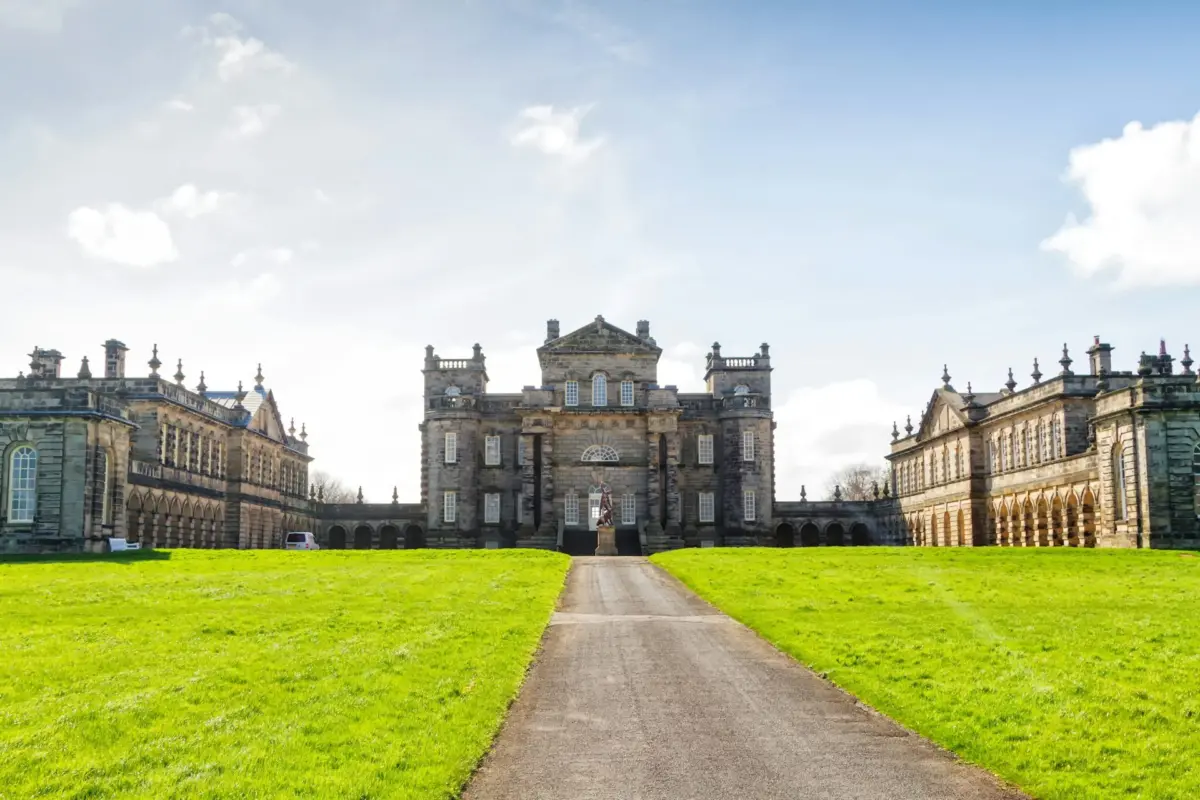
This article explores the enduring power of Vanbrugh’s work, examining his monumental country houses—chiefly Blenheim Palace and Seaton Delaval Hall—against a backdrop of shifting historical preservation policies, changing modes of tourism, and the evolution of architectural historiography in the 21st century.
Detailed Chronology: The Life, Times, and Tercentenary of Sir John Vanbrugh
Understanding Vanbrugh requires navigating a life defined by dramatic career shifts, political intrigue, military imprisonment, and theatrical triumph.
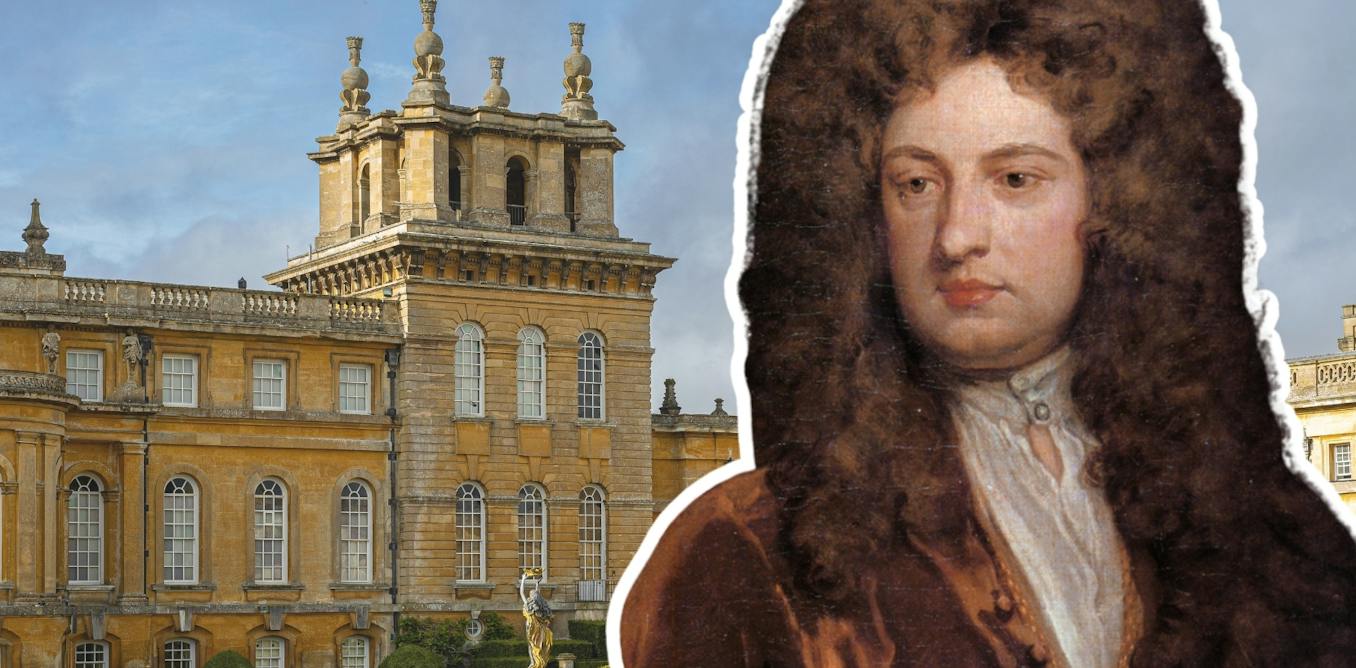
- 1664: John Vanbrugh is born in London, the son of a successful sugar baker of Flemish descent.
- 1686–1692: Embarks on a military career as an officer in the army, a path that exposes him to European fortifications and eventually leads to his imprisonment as a suspected spy by French authorities in the Bastille (1692–1696). It is during his long confinement that he reportedly begins drafting his first plays.
- 1696–1705: Transitions successfully into the theatrical world. His restoration comedies—most notably The Relapse (1696) and The Provoked Wife (1697)—achieve sensational popularity, establishing his reputation for sharp wit and social critique.
- 1702: Officially steps into architecture with little formal training, designing his first major country house, Castle Howard, for the Earl of Carlisle.
- 1704: John Churchill, 1st Duke of Marlborough, secures a decisive victory at the Battle of Blenheim in Bavaria. The English Crown commissions Vanbrugh to design a monumental palace as a permanent national tribute to the military hero.
- 1705–1725: Collaborates extensively with Nicholas Hawksmoor on major civic and residential projects, including Blenheim Palace, Seaton Delaval Hall, and Vanbrugh’s own quirky, fortress-like residences in Greenwich.
- 1726: Sir John Vanbrugh dies in London on March 26, leaving behind an unfinished architectural legacy and a transformative impact on British visual culture.
- 2026: The global heritage sector marks the Vanbrugh300 tercentenary, prompting academic symposia, public exhibitions, and a renewed public appreciation for his theatrical approach to stone and space.
Supporting Context & Metrics: Preserving and Experiencing the 18th-Century Country House
The survival of Vanbrugh’s masterpieces is nothing short of miraculous. In the 18th century, colossal country houses like Blenheim Palace and Castle Howard stood as physical manifestations of supreme political power, dynastic ambition, and extreme wealth. However, the socio-economic upheavals of the 20th century threatened these monuments with total eradication.
The Post-War Demolition Crisis
Following the devastation of the Second World War, Britain entered a period of rapid urban reconstruction and economic austerity. Historic city centers were radically re-engineered, and rural country houses—saddled with crushing death duties, maintenance costs, and a lack of domestic staff—were demolished at an alarming rate. Architectural historians estimate that over 1,200 country houses were destroyed in the UK between 1945 and the late 1970s.
It was not until the landmark Town and Country Planning Act of 1968—spurred by grassroots advocacy and a growing cultural awakening regarding art, nature, and architectural heritage—that systemic legal protections were established to safeguard historic buildings from the wrecking ball.
The Shift from Deference to Leisure
The public relationship with these architectural titans has also transformed fundamentally:
- Then (18th–19th Century): Access was heavily restricted. Country houses were private fortresses of the political elite, viewed by the general populace (if at all) with strict social deference.
- Now (21st Century): Deference has been comprehensively replaced by leisure, education, and recreation. Historic estates welcome millions of domestic and international visitors annually, transforming former symbols of exclusivity into expansive public assets providing vital green space, awe, and creative inspiration.
Official Statements and Academic Discourse
The modern valuation of Vanbrugh’s architecture is rooted in evolving academic frameworks that balance historical contextualization with aesthetic appreciation.
In discussions surrounding the Vanbrugh300 initiative, leading architectural historians have emphasized the collaborative nature of the 18th-century masterworks. Speaking on the shift away from the "lone genius" trope, Dr. Elizabeth C. Henderson notes:
"For generations, architectural history was written as a narrative of charismatic individuals descending from the heavens to rearrange the skyline. In reality, Vanbrugh’s brilliant theatricality would have remained unbuilt sketches without the technical genius, site management, and structural mastery of Nicholas Hawksmoor. Vanbrugh provided the ‘bold flights of irregular fancy,’ but Hawksmoor supplied the grammatical precision and structural backbone. They were true co-authors of the English Baroque."
Furthermore, institutions like the National Trust—which now stewards sites such as Seaton Delaval Hall—have highlighted the changing interpretive strategies required to make these spaces relevant to modern communities. A spokesperson for the Trust remarked:
"We no longer present country houses merely as dusty shrines to aristocratic privilege. Visitors today want multi-layered narratives—they want to explore the servant’s perspective, the environmental impact of the surrounding estates, and how these monumental stones interact with the post-industrial towns that grew up around them. Vanbrugh’s buildings are dramatic stages, and today, the public writes the new acts."
Architectural Analysis: Two Masterpieces of Baroque Theater
To truly understand why Vanbrugh commands such devotion among modern architectural historians, one must examine his two surviving residential triumphs: Blenheim Palace and Seaton Delaval Hall.
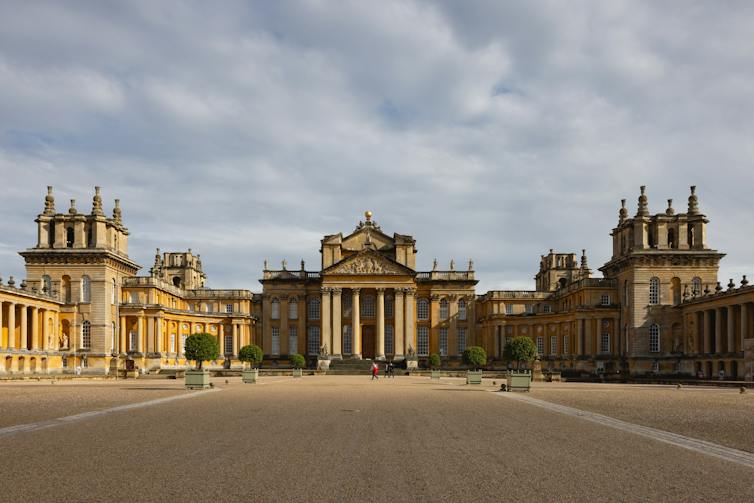
1. Blenheim Palace: The Monumental Nation State
Commissioned as a gift to John Churchill, Duke of Marlborough, Blenheim Palace in Oxfordshire is a UNESCO World Heritage Site that marries classical architectural vocabulary with the psychological intimidation of medieval fortifications.
- The Approach: Visitors are funneled through a massive golden stone archway scaled intentionally to induce a sense of human insignificance before confronting the main entrance court—a tangible expression of imperial British pride.
- The Skyline: Vanbrugh manipulated light, shadow, and massing. By utilizing massive masonry additions that break forward and recede like cliff-faces, the skyline creates a dramatic theatrical silhouette. The sculptural tops of the corner towers, designed by Hawksmoor, emphasize verticality, transforming a classical country house into a baroque castle.
- Modern Interpretation: Rather than overwhelming contemporary visitors with political history, modern curation breaks Blenheim down into accessible vignettes: the private apartments still occupied by the Churchill family, the grand state rooms, and the rigorous social history of the subterranean domestic staff.
2. Seaton Delaval Hall: The Tragic Ruin
Located in Northumberland and now proudly maintained by the National Trust, Seaton Delaval Hall offers a bracing contrast to Blenheim’s pristine survival.
- The Fire of 1822: A catastrophic fire gutted the main block’s interior, leaving behind skeletal stone walls, sweeping marble floors, and scorched plaster statues.
- The Theater of Stone: Stripped of its roof for generations, the Great Hall reads today as an ancient Roman ruin set against the Northumbrian sky. Vanbrugh’s monumental Roman arches beat out a powerful visual rhythm.
- Community Integration: Situated just north of Newcastle amidst former coal-mining communities, Seaton Delaval actively engages its regional demographic. The estate integrates community gardens, green public spaces, and inclusive programming, bridging the gap between elite 18th-century design and 21st-century civic life.
Future Outlook
As the Vanbrugh300 tercentenary celebrations draw to a close, the legacy of Sir John Vanbrugh stands on firmer cultural ground than at any point since the Georgian era.
The challenges facing his architectural corpus in the future are distinct. Climate change poses acute environmental risks to historic masonry and designed parklands, while rising operational costs demand innovative, sustainable management models from trusts and private custodians alike. Yet, the public appetite for authentic, emotionally resonant spaces has never been stronger.
Vanbrugh understood something fundamental about human psychology: architecture should make us feel alive. Whether through the golden sunlit facades of Oxfordshire or the windswept, roofless halls of Northumberland, his buildings continue to challenge, delight, and provoke. Three hundred years after his death, the "Shakespeare of architecture" remains an essential guide for how our built environment can capture our highest ambitions and deepest theatrical dreams.