As The Great British Bake Off (GBBO) prepares to welcome viewers back to the iconic white tent for its landmark 17th series this autumn, the production has announced what is arguably its most culturally significant casting choice in years: Nigella Lawson. Stepping into the role of judge, Lawson brings with her a quarter-century legacy of shaping British food culture, public appetite, and the very definition of domesticity.
Lawson’s arrival is not merely a casting coup for Channel 4; it represents a profound ideological alignment between the grand dame of sensory home cooking and a television institution that has spent over a decade redefining national identity through the medium of sponge cakes, pastry, and shared spectatorship.
For more than twenty years, Lawson has occupied a singular space in British culture. Since the publication of her seminal 2000 cookbook, How to Be a Domestic Goddess, she has cultivated a tongue-in-cheek persona that deliberately reimagined domestic labour for a modern generation. By positioning cooking as an act of pleasure rather than an oppressive obligation, Lawson transformed the domestic kitchen into a theatre of self-expression.
This ethos mirrors the cultural trajectory of The Great British Bake Off. Since its debut in 2010, the programme has evolved from a gentle baking competition into a powerful civic ritual—a cultural space where stories of family, regional heritage, and national belonging are forged, tested, and celebrated.
However, beneath the warm lighting, signature bunting, and trademark double entendres lies a more complex reality. Both Lawson and Bake Off inhabit the fraught intersection of food, femininity, and performance. As cultural scholars and past contestants have noted, the domestic sphere is rarely as apolitical or purely comforting as it appears on screen. By examining Lawson’s ascension to the judging panel alongside the historical pressures faced by contestants—particularly women of colour and marginalized bakers—this article investigates the enduring tensions of the British kitchen, the politics of amateurism, and the performance of the modern domestic ideal.
Detailed Chronology: From the Millennial Kitchen to the Tent
To understand the cultural weight of Nigella Lawson’s appointment to The Great British Bake Off, one must trace the evolution of domesticity on British television over the past quarter-century. The journey from the dawn of the millennial "domestic goddess" to the high-stakes, communal environment of the modern baking tent reveals a fascinating shift in how society views home economics, gender roles, and culinary expertise.
[2000] ──> Publication of "How to Be a Domestic Goddess" by Nigella Lawson
  │
[2010] ──> Launch of "The Great British Bake Off" on BBC Two
  │
[2017] ──> GBBO transitions to Channel 4 amid massive public debate
  │
[Present] ──> Nigella Lawson joins the GBBO judging panel for Series 17
2000–2010: The Reimagining of Domestic Labor
At the turn of the millennium, the cultural conversation surrounding domesticity was fraught. For decades, second-wave feminism had framed domestic labor as a site of patriarchal entrapment—a system of unpaid servitude from which women needed to escape to achieve liberation in the public workforce.
It was within this cultural climate that Nigella Lawson published How to Be a Domestic Goddess in 2000. The title was deliberately provocative, reclaiming a derogatory trope and turning it on its head. Lawson’s persona was neither that of the dutiful, self-effacing 1950s housewife nor the clinical, hyper-professional celebrity chef operating from a stainless-steel commercial laboratory. Instead, she offered a mode of culinary femininity that was sensual, confessional, and unapologetically performative. In Lawson’s world, baking a cake was not an act of subservience; it was an immersive, tactile indulgence. Cooking was repositioned as a sanctuary of self-soothing and creative pleasure.
2010–Present: The Rise of the Baking Tent
Ten years after Lawson redefined the literary and visual language of home cooking, The Great British Bake Off premiered on BBC Two in 2010. The show struck a chord with a British public weary of cynical reality television formats built on humiliation. Instead, Bake Off celebrated amateurism, camaraderie, and mutual support.
Over the next decade, the programme became a cultural juggernaut, eventually migrating to Channel 4 in 2017. It achieved something remarkable: it revived a nationwide interest in home baking while positioning the kitchen as a democratic space where anyone—regardless of professional background—could achieve greatness through patience, care, and a modest wooden rolling pin.
Yet, as the show grew in popularity, it also absorbed the cultural contradictions that Lawson had navigated for years. The kitchen tent became a microcosm of British society, reflecting both its deep-seated community spirit and its persistent anxieties regarding identity, class, and representation.
Supporting Context & Metrics: The Sociological Impact of GBBO and Lawson
The cultural synergy between Lawson and The Great British Bake Off is underpinned by several shared sociological frameworks: the celebration of the amateur, the aesthetics of comfort, and the performance of domestic fantasy.
1. The Celebration of Amateurism
Both Lawson and Bake Off champion the amateur cook over the detached professional. Lawson has consistently resisted the title of "chef," preferring to identify as a home cook whose authority stems from enthusiasm, sensory engagement, and lived experience rather than rigorous culinary school credentials.
Similarly, Bake Off valorizes the domestic baker. Contestants are amateur enthusiasts who juggle full-time jobs as nurses, accountants, and teachers while perfecting sourdough starters and tiered sponges on weekends. The enduring appeal of the format relies on the democratic fantasy that ordinary people can create extraordinary things. This ethos mirrors Lawson’s foundational philosophy: that cooking is an accessible art form open to all who dare to enter the kitchen.
2. Irony, Innuendo, and Domestic Fantasy
Neither Lawson nor Bake Off presents baking as an austere or moralizing duty. Instead, both embrace a self-aware, tongue-in-cheek approach to domesticity.
Lawson’s television style famously features late-night fridge raids, whispered confessions about the seductive qualities of chocolate, and a playful flirtation with the camera that acknowledges the performative nature of food television.
Bake Off has built its brand equity on a similar self-conscious humor, immortalized through cultural touchstones like "soggy bottoms" and structural baking collapses.
This shared sensibility prevents domesticity from feeling oppressive. By acknowledging the artifice of the "ideal home," both Lawson and the programme invite audiences to enjoy comforting visions of tradition and community without demanding literal adherence to traditional gender roles.
3. Cultural Demographics and Economic Footprint
To quantify the cultural dominance of these institutions, consider the following metrics:
Publishing Impact: Lawson’s How to Be a Domestic Goddess sold hundreds of thousands of copies globally, sparking a multi-million-pound multi-media empire comprising books, branded cookware, and television series syndicated across more than 30 countries.
Viewership and Engagement: At its peak, The Great British Bake Off has commanded audiences exceeding 10 million viewers per episode in the UK, making it one of the most-watched non-sporting television events of the modern era.
The "Bake Off Effect": Independent retail data consistently shows spikes of up to 30% in UK sales of baking equipment, specialty flours, and kitchen appliances during the broadcast of the series, demonstrating the tangible economic impact of televised domesticity.
Official Statements and Industry Reactions
The announcement of Nigella Lawson joining the judging panel for Series 17 has generated widespread commentary across the British media landscape, drawing responses from television executives, cultural critics, and former participants.
Channel 4’s Chief Content Officer noted in a strategic press release:
"Nigella Lawson is a towering figure in British culinary culture. Her unique ability to articulate the emotional, sensory, and joyful dimensions of home cooking makes her the quintessential addition to the Bake Off family. As we enter our 17th series, Nigella’s presence will anchor the show in its rich heritage while bringing a fresh, sophisticated perspective to the judging tent."
Reflecting on her new role, Nigella Lawson shared in an official statement:
"I have watched The Great British Bake Off with immense affection over the years. To step into the tent as a judge is both a thrilling adventure and a natural homecoming. Baking, at its heart, is an expression of care, generosity, and community. I cannot wait to taste what our brilliant amateur bakers have created and to celebrate the profound joy that comes from sharing food."
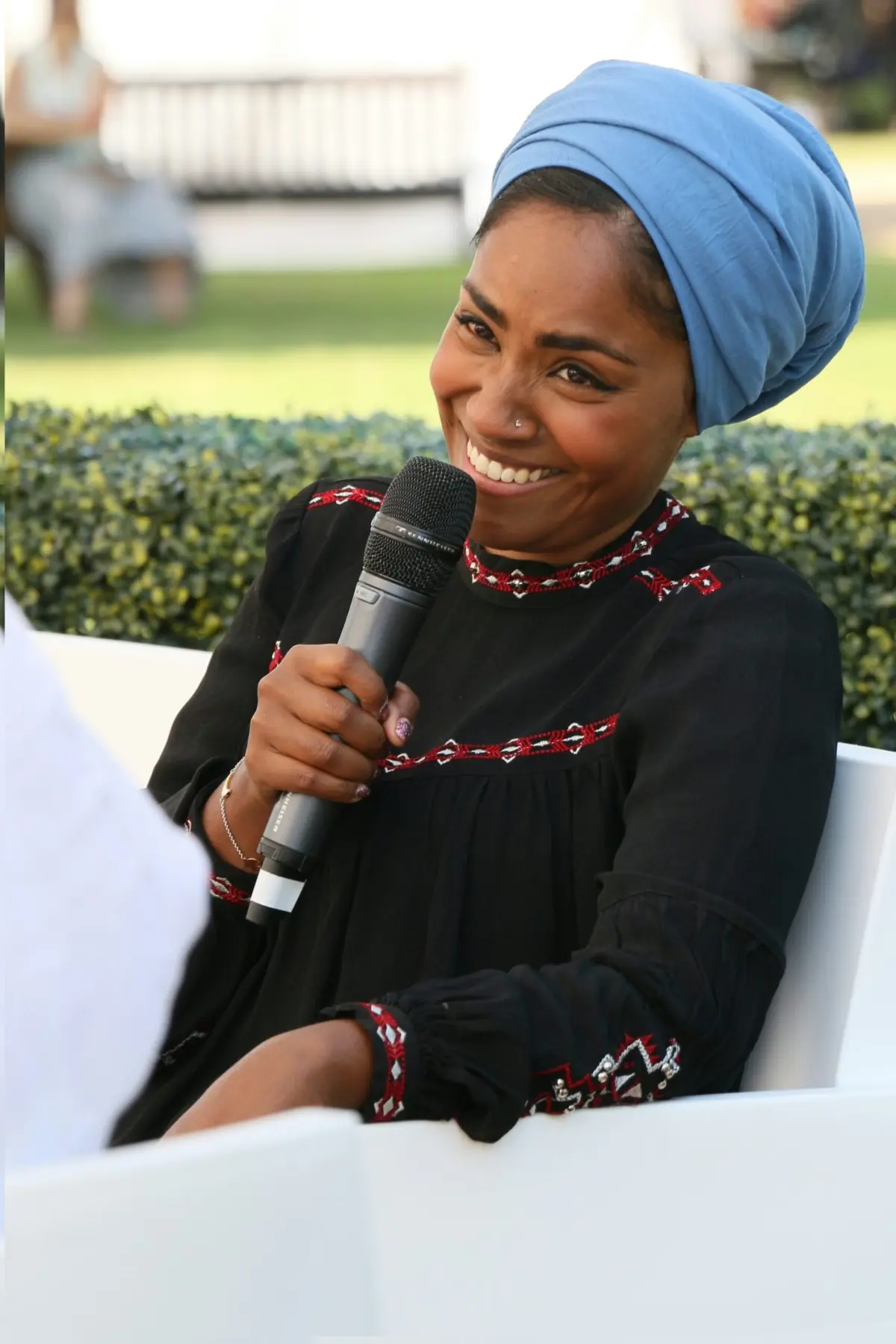
However, media analysts and cultural theorists have been quick to point out that Lawson’s arrival also brings long-standing structural debates about representation and scrutiny in the tent back into the spotlight. Former contestants—such as Ruby Tandoh and series winner Nadiya Hussain—have previously spoken candidly about the intense public scrutiny, racism, and sexism they faced during and after their time on the programme.
These testimonies serve as a vital reminder that while the tent is marketed as a haven of kindness and camaraderie, it remains a heavily mediated public arena where identities are continuously judged and negotiated. Lawson’s acute awareness of the performative nature of food media places her in a unique position to navigate these complex dynamics, yet her appointment also throws the gendered politics of food and expertise into sharp relief.
Future Outlook: What Lawson’s Arrival Means for the Next Era of GBBO
As The Great British Bake Off prepares for Series 17, the inclusion of Nigella Lawson signals a fascinating maturation of the format. What does this mean for the future of the show, its contestants, and its audience?
1. Elevated Aesthetic and Sensory Critiques
Expect a shift in the language of critique within the tent. While previous judges have focused heavily on technical precision, structural integrity, and flavor profiles, Lawson’s influence is expected to introduce a richer vocabulary of sensory appreciation. Judgments may increasingly hinge not just on whether a bake is technically proficient, but on its emotional resonance, tactile appeal, and ability to evoke comfort and memory.
2. A Sophisticated Reckoning with Domesticity
Lawson’s presence ensures that the show will continue to lean into the complex, pleasurable contradictions of domestic life. By bridging the gap between high-class culinary aesthetics and accessible home baking, Lawson helps validate the emotional labor of the kitchen. Her involvement reassures viewers that home cooking is a legitimate site of artistic expression and personal autonomy.
3. Continued Negotiations of Identity in the Tent
As the programme moves forward, the challenge for producers and judges alike will be to ensure that the inclusive, warm environment of the tent extends beyond the baking benches and into the public sphere. The scrutiny faced by past contestants underscores the reality that representation in food media is never neutral. With a cultural heavyweight like Lawson joining the panel, the show has an unprecedented opportunity to model a more inclusive, self-aware, and empathetic approach to culinary criticism.
Conclusion
Nigella Lawson’s entry into The Great British Bake Off tent is much more than a routine refresh of a long-running television format. It is a convergence of two cultural titans that have defined how Britain understands food, home, and community over the last quarter-century. Beneath the tiers of sponge, the cascading icing, and the comforting cadence of the judging table lies a profound cultural narrative: an ongoing negotiation over who gets to represent culinary expertise, how domestic labor is valued, and why the simple act of baking together remains one of our most powerful communal rituals.