The decade spanning from 2016 to 2025 will be permanently etched into modern music history as an era of profound disruption, unexpected resurgence, and vibrant generational renewal. Kicking off with the bittersweet, valedictory arrival of David Bowie’s Blackstar—released mere days before the icon’s passing—the period established a tone of urgent reflection paired with relentless forward motion. Over the subsequent ten years, the global independent music ecosystem experienced massive shifts, navigating the radical democratization of digital distribution, the post-pandemic live music renaissance, and a staggering, counter-intuitive renaissance of physical vinyl.
At the center of this movement stood institutions like Rough Trade. Celebrating its 50th anniversary, the legendary record store and label bore witness to the birth of micro-genres, underground scenes bursting into the mainstream, and monumental career-defining records. From the wind-swept experimentalism of South London’s Windmill scene to the boundary-shattering hyperpop of SOPHIE and Charli xcx, the past decade proved that independent music is broader, more inclusive, and culturally vital than ever before.
This comprehensive retrospective examines the key artistic movements, the defining albums of the 2016–2025 era via Rough Trade’s commemorative 50th Anniversary Editions, and the structural transformations reshaping the modern music industry.
Detailed Chronology: A Decade in Sound (2016–2025)
2016: The Twilight of Legends and the Roots of Renewal
The decade opened with profound loss. David Bowie’s Blackstar, dropped on his 69th birthday, immediately transcended its status as a new album to become a cinematic final statement. Yet, even as music lost one of its greatest shape-shifters, foundational blueprints were being laid elsewhere.
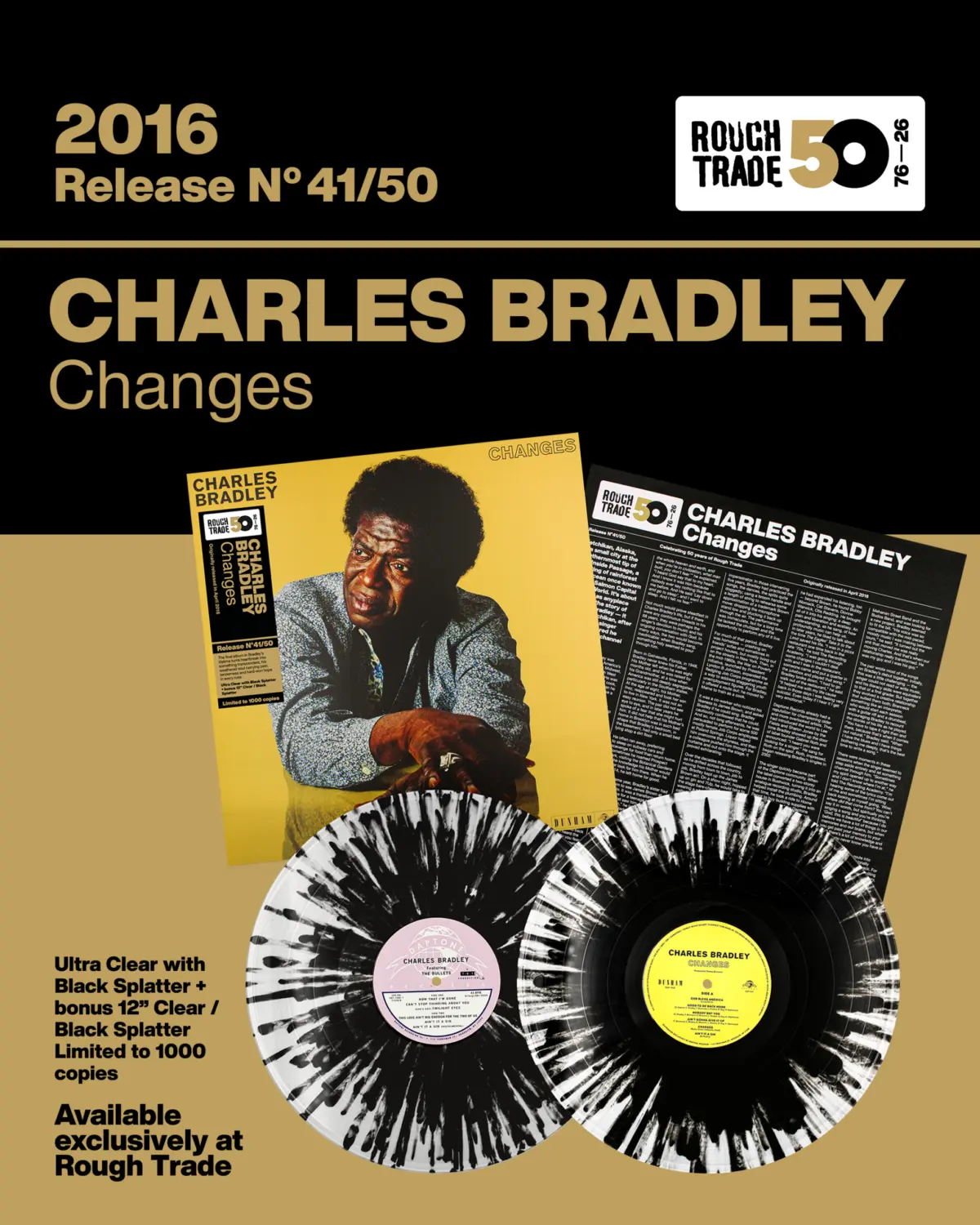
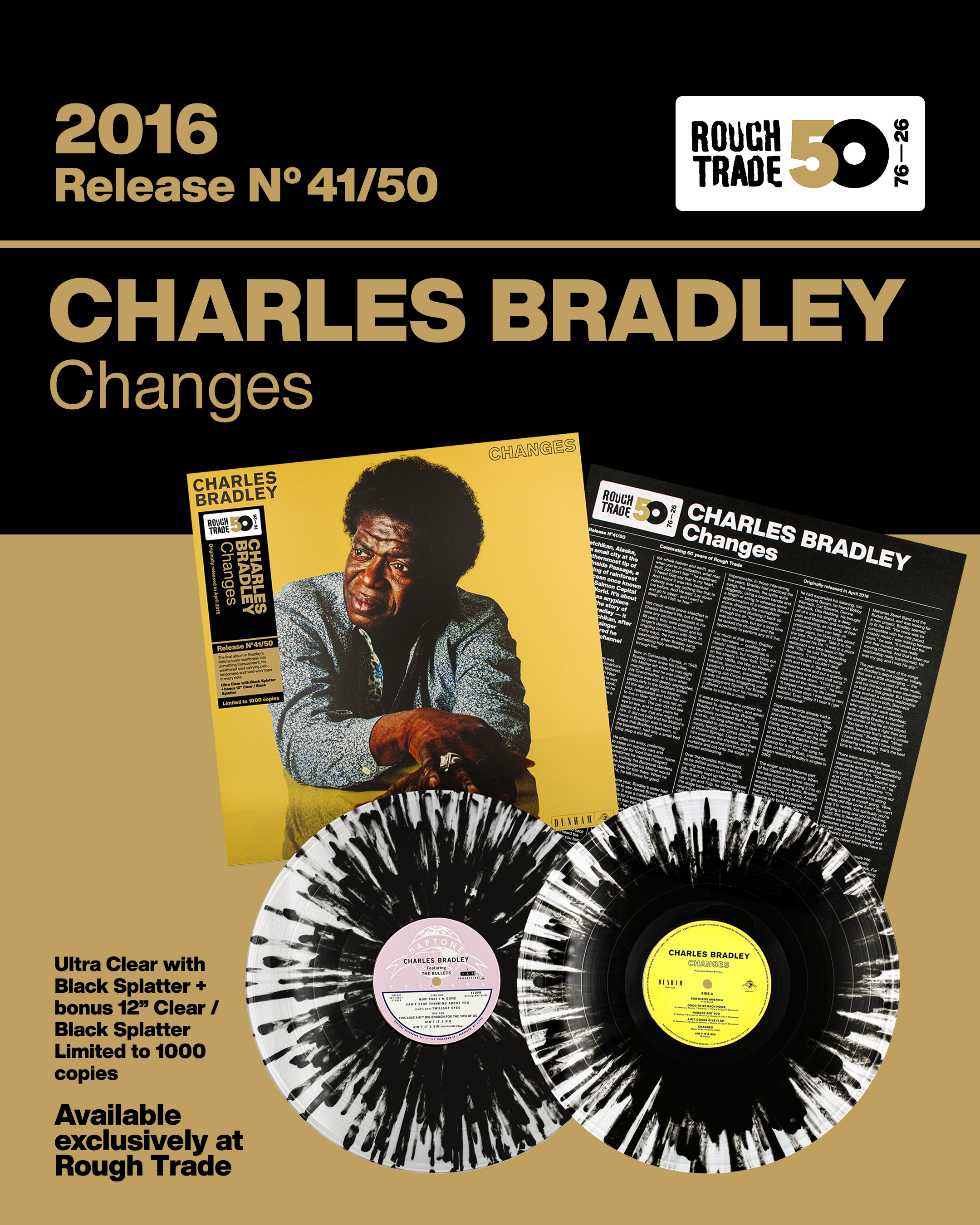
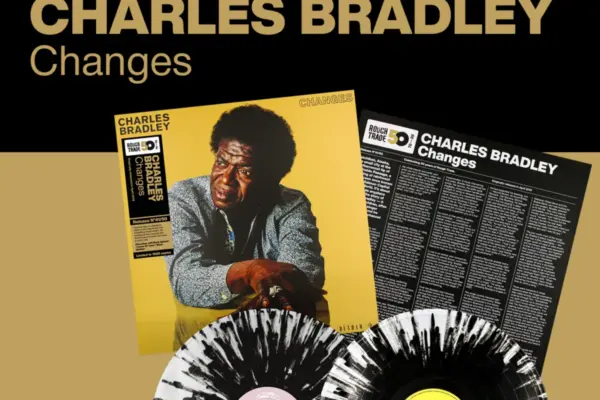
In the soul world, Gabriel Roth of Daptone Records introduced the world to Charles Bradley at age 62. Formerly a James Brown impersonator who had endured homelessness and deep personal tragedy, Bradley channeled his life’s raw suffering into Changes. Featuring a devastatingly personal cover of Black Sabbath’s title track, Bradley—dubbed "The Screaming Eagle of Soul"—left an indelible mark before passing away, cementing a masterclass in late-blooming resilience.
2017: Directness, Grit, and the Rise of Post-Punk
As populist politics and economic anxieties rippled across Western democracies, guitar music responded with an abrasive, urgent grit. Chief among these agitators were Bristol’s IDLES, whose debut album, Brutalism, hit the record racks like a clenched fist. Addressing toxic masculinity, grief, class division, and socio-economic frustration with unmatched candor, IDLES signaled that underground rock was shedding its ironic detachment in favor of radical vulnerability and blistering volume.
2018: Camp, Synth, and Floor-Filling Escapism
While gritty post-punk dominated dark basements, Brisbane’s Confidence Man blew the doors off the underground with Confident Music For Confident People. Melding the hedonistic, strobe-lit pulse of ’90s Ibiza dancefloors with razor-sharp, sardonic lyricism, the Australian outfit delivered an unapologetic masterclass in camp. It was a vital reminder that independent music retained an innate capacity for joy, absurdity, and unbridled dancefloor euphoria.
2019: Poetic Brawls and Irish Post-Punk Ascendancy
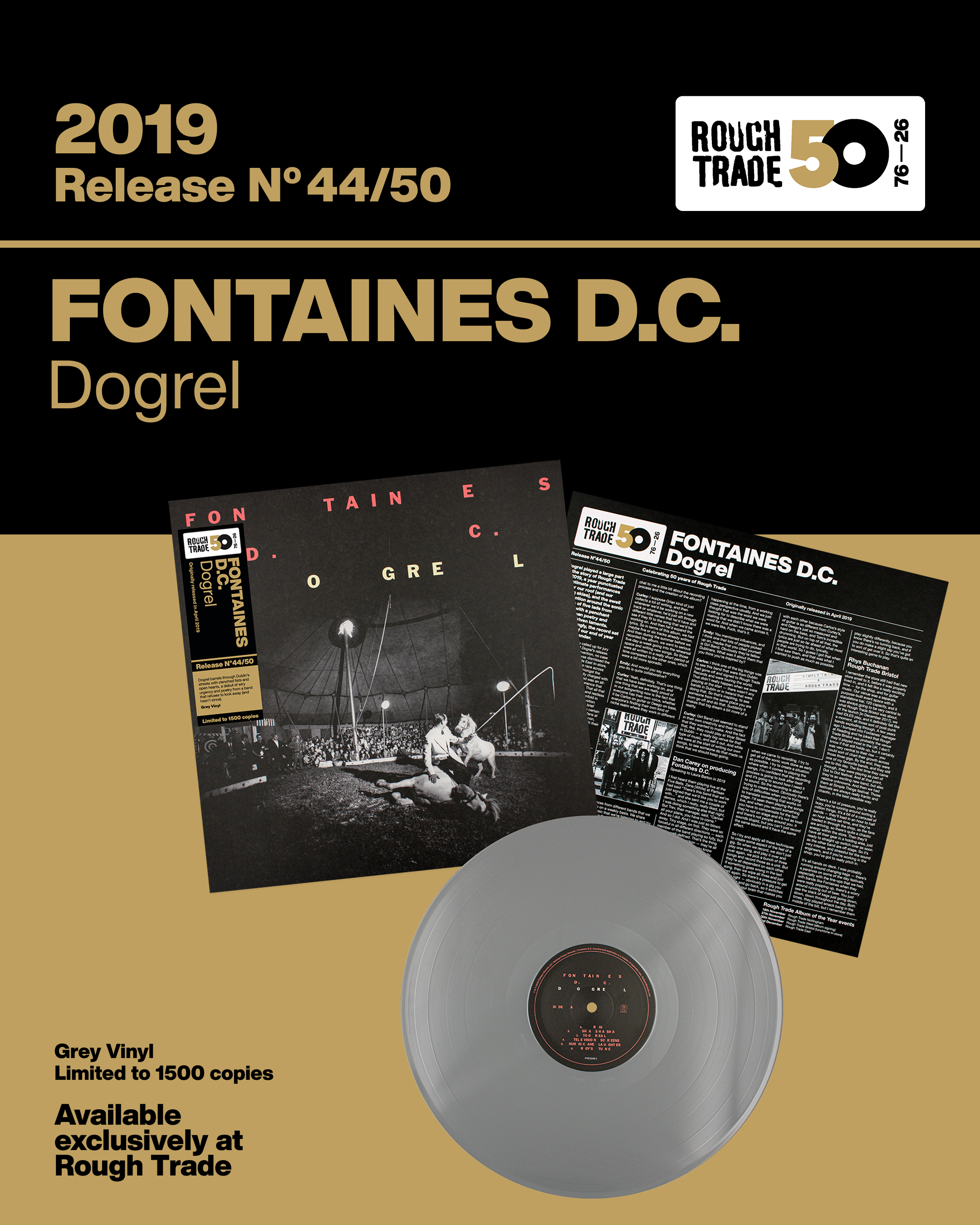
Rumors of underground excitement materialized into a tidal wave with the release of Fontaines D.C.’s debut album, Dogrel. Emerging from the pavements of Dublin and quickly captivating the Notting Hill counter-culture, the record was a poetic, slick-witted masterpiece. It captured the hearts of fans and critics alike, topping end-of-year lists and establishing a lasting, symbiotic relationship between the band and the global independent retail community.
2020: The Maximalist Explosion of Hyperpop and Identity
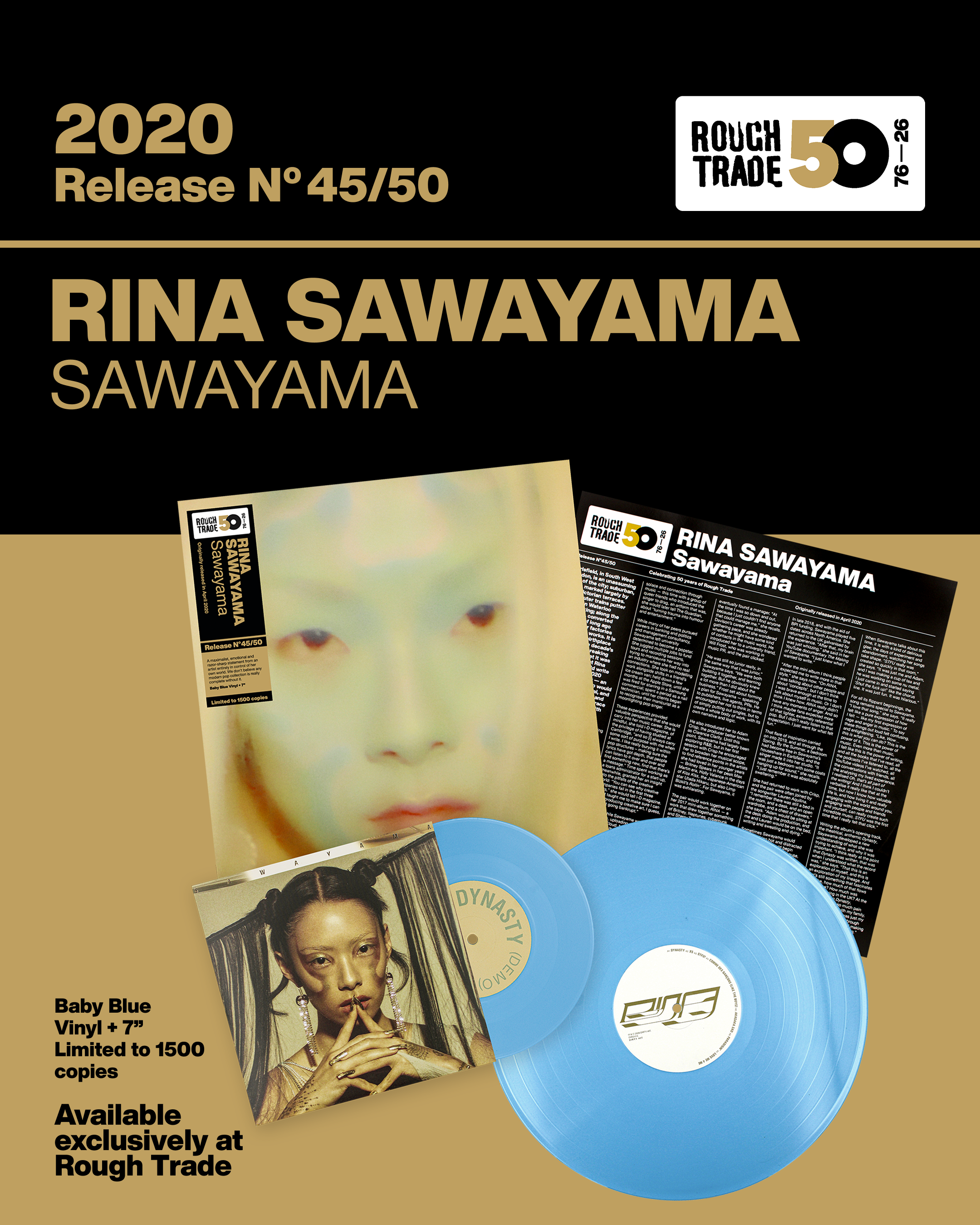
When the world locked down in 2020, music turned simultaneously inward and outward. Rina Sawayama’s self-titled debut, SAWAYAMA, exploded conventional pop templates. Fusing Y2K bubblegum dance-pop, industrial nu-metal, R&B, and virtuosic guitar solos, Sawayama navigated complex themes of generational trauma, immigrant identity, and capitalism. Tracks like "XS" proved that avant-garde pop could be simultaneously hyper-synthetic and fiercely visceral.
2021: Intergenerational Ambition and Meditative Soundscapes
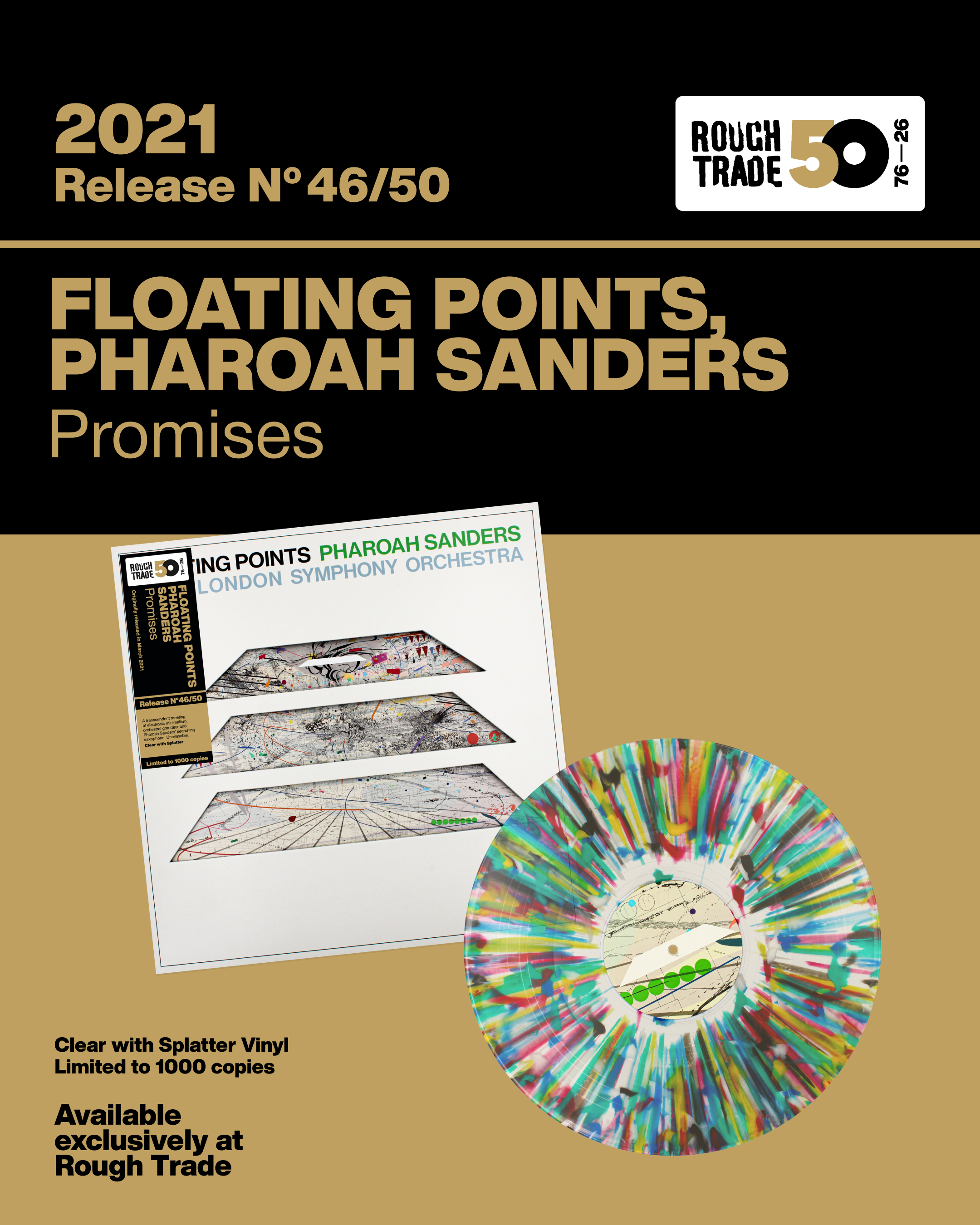
Amid pandemic-induced isolation, Floating Points, free-jazz pioneer Pharoah Sanders, and the legendary London Symphony Orchestra united for Promises. A stunning exercise in minimalism and patience, the nine-movement suite married Sanders’ breathy saxophone with ambient electronic textures. It stood as a towering, transcendent career swansong for Sanders and demonstrated a collective artistic yearning for slow, meditative healing.
2022: The Windmill’s Magnum Opus
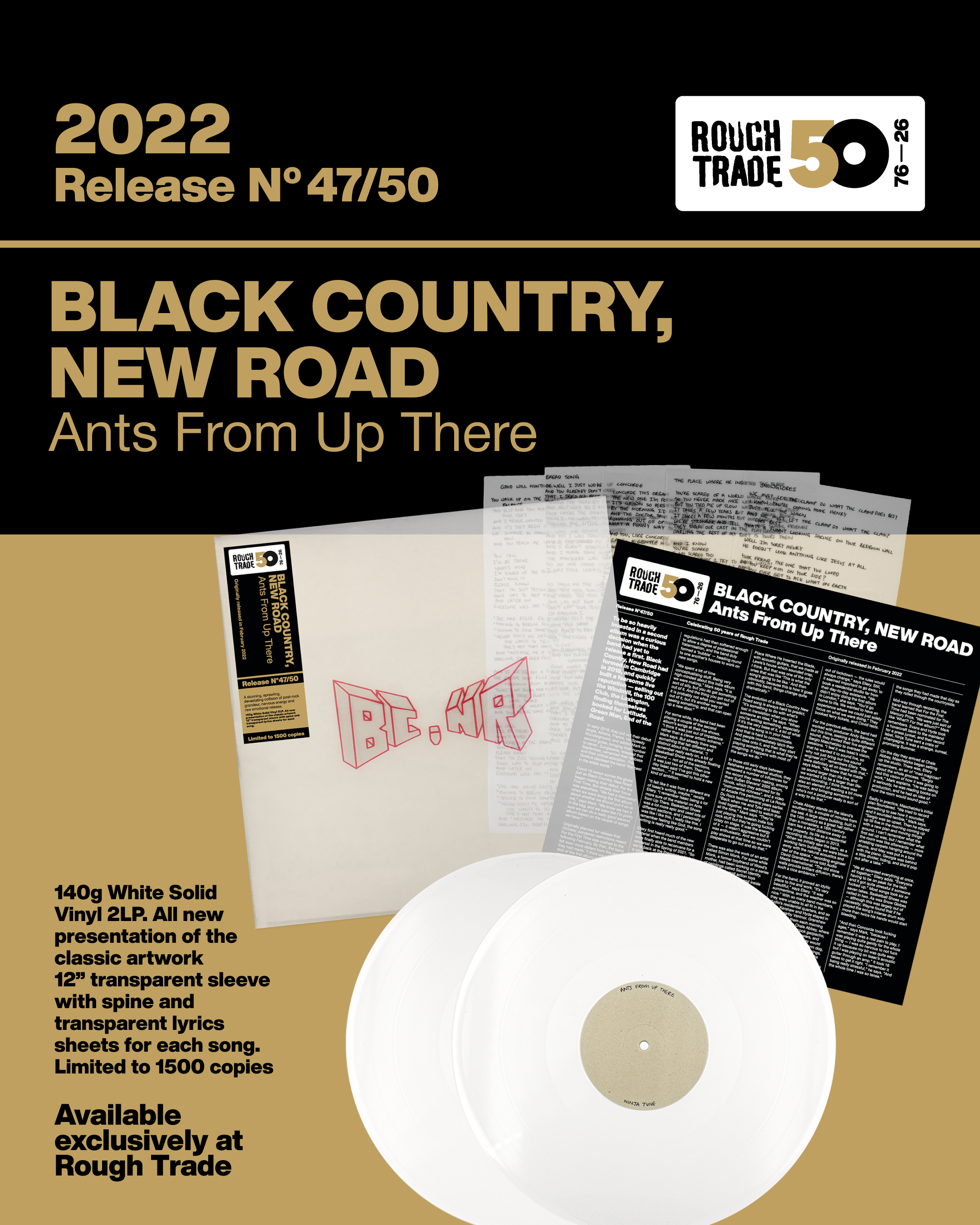
South London’s Brixton Windmill had spent years incubating a fertile grassroots community featuring acts like Goat Girl, Shame, black midi, Squid, Jockstrap, and Black Country, New Road. The ecosystem reached its creative apex with the latter’s sophomore album, Ants From Up There. A sweeping, theatrical, and gut-wrenching break-up record, it was tragically accompanied by the departure of frontman Isaac Wood just days prior. It remains the definitive monument of the modern British indie renaissance.
2023: Ancestral Drones and Folk Subversion
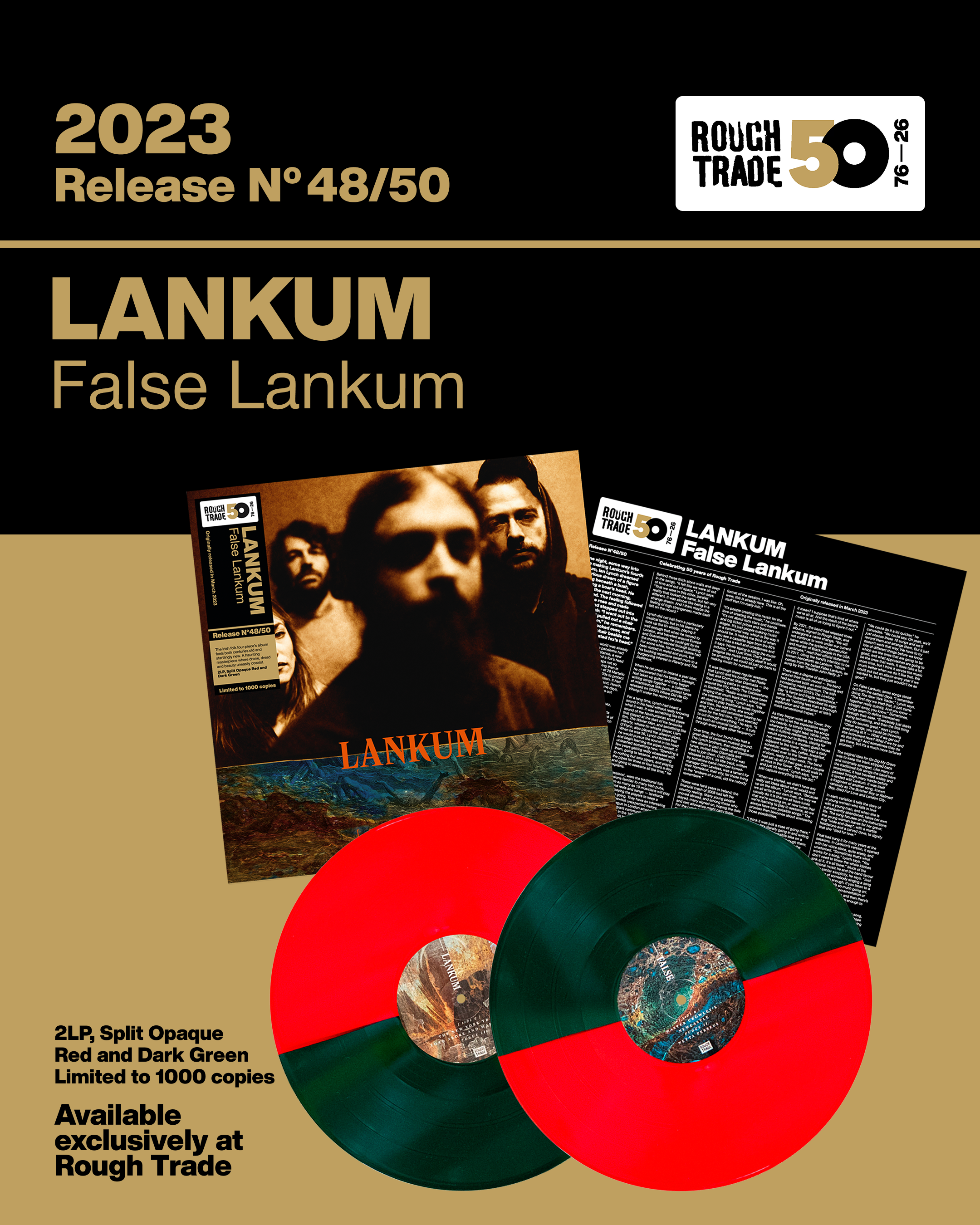
Irish experimental folk quartet Lankum delivered a masterclass in tradition-bending with False Lankum. Released via Rough Trade Records, the album layered centuries-old folk structures over dense, terrifying walls of heavy drone and industrial distortion. Driven by Radie Peat’s ancestral vocals, the record cultivated an addictive sense of unease, proving that acoustic music could match the heaviness of doom-metal.
2024: Wry Realism and the Alt-Country Wave
Mark Jacob Lenderman—better known as MJ Lenderman—cemented his status as a generational songwriting titan with Manning Fireworks. Infused with dry, self-deprecating humor, Lenderman’s Americana masterpiece explored Catholicism, heartbreak, materialism, and contemporary isolation with a casual brilliance that instantly positioned him as a cornerstone of modern alt-country.
2025: The Triumphant Return of Britpop Royalty
The mid-point of the decade witnessed a series of historic reunions, none more culturally resonant than Pulp’s More—their first collection of new material in nearly 24 years. Jarvis Cocker’s observational lyricism returned with age-earned wisdom, blending everyday absurdity, melancholy, and romanticism. It proved that legacy acts did not merely have to rely on nostalgia; they could still speak urgently to the present.
Supporting Context & Metrics: The Shifting Landscape of Music Consumption
The evolution of these artists occurred against a backdrop of radical disruption in how music is consumed, marketed, and monetized.
Metric / Trend
2016 State
2025 Reality
Impact on Indies
Physical vs. Digital
Streaming rapidly gaining market share; vinyl seen as a niche collector hobby.
Vinyl sales experience continuous multi-year growth, regularly outpacing traditional CD sales.
Physical storefronts and exclusive pressings serve as economic lifelines for indie labels.
Discovery Channels
Music blogs, specialty print magazines, radio, and physical record store recommendations.
Algorithmic streaming, TikTok viral resurrections, and digital playlisting.
Hyper-fast trend cycles balanced by deep-dive physical curation in shops like Rough Trade.
Geographic Hubs
Dominated by traditional capitals (London, New York, Los Angeles).
Decentralized global nodes (Melbourne, Stockholm, Bristol, Dublin).
Cross-pollination of international scenes via specialized distribution networks.
While algorithmic platforms like TikTok proved capable of resurrecting decades-old deep cuts or catapulting bedroom producers to global stardom overnight, physical music experienced an equally remarkable counter-ascent. The tactile experience of browsing a record store rack, engaging in counter-culture dialogue, and owning a tangible piece of art retained a psychological and cultural gravity that digital spaces could not replicate.
Official Statements & Industry Reflections
Reflecting upon the decade-long journey, the team behind Rough Trade emphasized the profound joy of artist development:
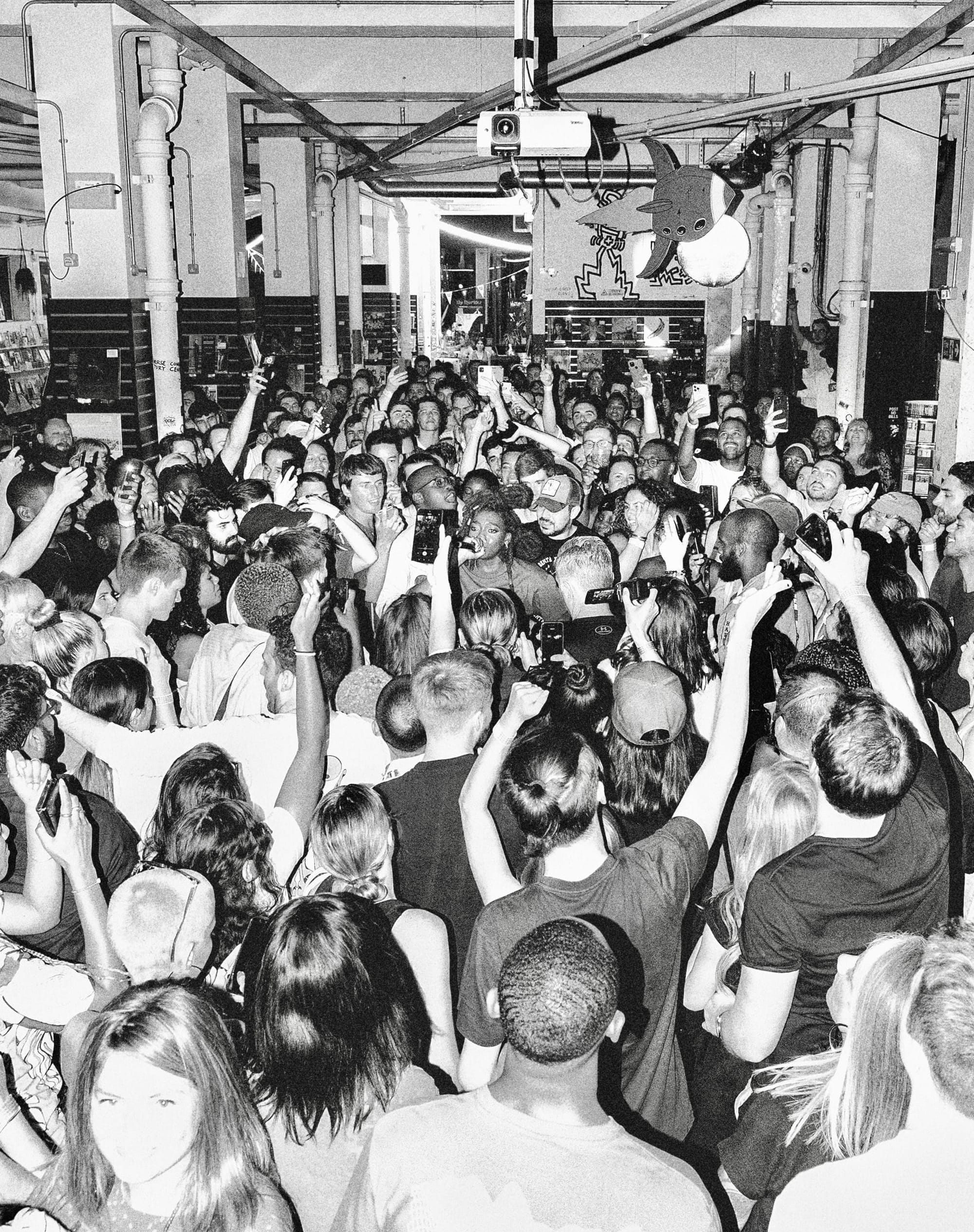
"There are few better pleasures in running a record store than seeing something genuinely exciting flourish. The venues get bigger, the crowds wilder, and the records more ambitious, but that first spark of discovery remains much the same."
This sentiment was mirrored across the retail and label footprints. As Rough Trade expanded its brick-and-mortar footprint—opening new locations in Bristol, Liverpool, and Berlin, establishing roots in Nottingham, and relocating Rough Trade NYC from Brooklyn to Manhattan—the core mission remained steadfast. The modern record shop is no longer just a transaction point; it is a vital community center where curiosity is rewarded, genre lines are obliterated, and physical human connection triumphs over digital atomization.
Future Outlook: The Next Fifty Years
As Rough Trade crosses its golden jubilee, the landscape of independent music stands at an intriguing crossroads. The traditional borders separating pop, electronic music, rap, and the avant-garde have nearly dissolved, championed by boundary-pushing artists like Charli xcx, Arca, and Vince Staples. A new generation of music consumers—equally comfortable streaming a hyperpop playlist on their phones as they are collecting limited-edition, 180-gram colored vinyl variants—demonstrates that curiosity is far from dead.
The challenges facing the industry—ranging from grassroots venue closures to the economic pressures of touring—are significant. Yet, the past decade has proven that underground scenes possess an irrepressible regenerative capacity. Whether through the post-genre experimentation of South London, the meditative drone of folk traditionalists, or the communal gathering spaces of independent record stores worldwide, the pulse of independent music beats stronger than ever. Fifty years after first opening its doors, the message from the counter remains unchanged: there has never been more music left to discover.