Executive Overview
In what has quickly become one of the most eccentric local government planning disputes of the year, plans to serve alcohol at a high-profile, Harry Potter-themed illuminated trail in Staffordshire have been firmly grounded by local authorities. Forestry England and event producers Culture Creative Limited had hoped to cast a spell of festive cheer over Cannock Chase Forest by offering visitors mulled wine and Irish cream hot chocolate as they navigated a magical woodland walk featuring iconic scenes from J.K. Rowling’s wizarding universe.
However, the ambitious magical enterprise encountered a hard administrative wall at the Cannock Chase District Council licensing sub-committee. Following an avalanche of local opposition—surpassing 75 formal objections from residents concerned about public safety, noise, and light pollution—the council voted to deny the alcohol licence outright. Adding insult to injury, the proceedings featured a pointed political critique from a Reform UK councillor who casually dismissed the proposed festive beverages as drinks that "normal men" would refuse to touch.
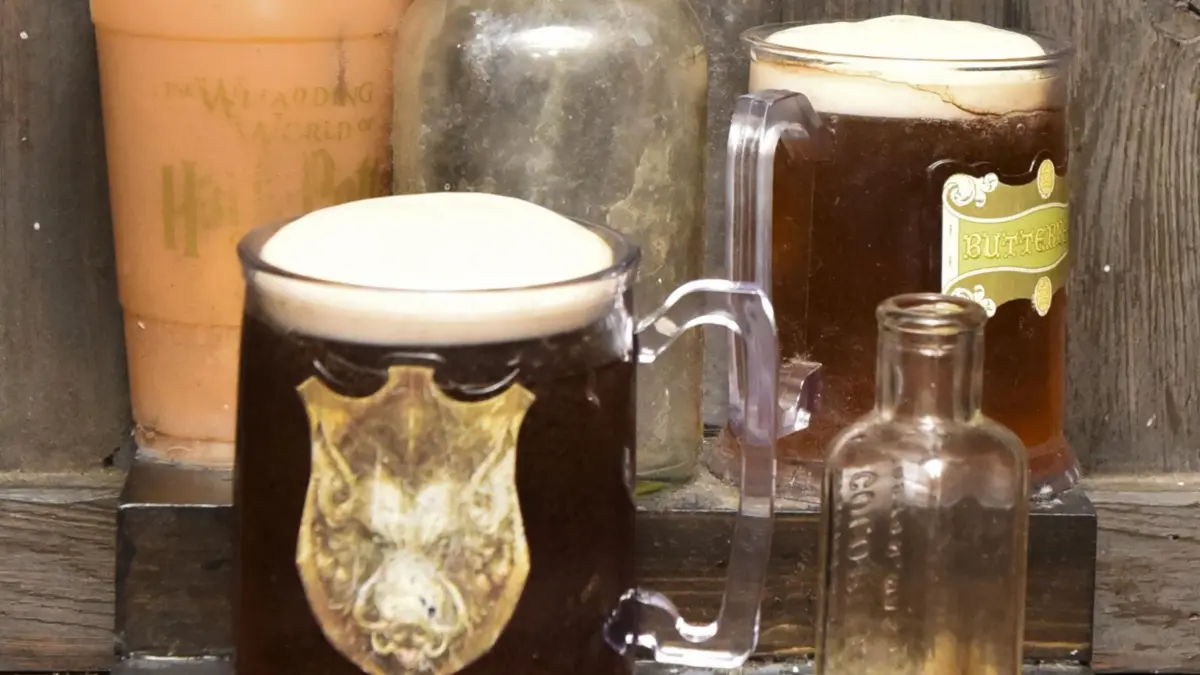
While non-alcoholic mainstays of the wizarding world, such as the famously sweet, frothy Butterbeer, remain untouched by the ruling and will still be available when the event opens its gates this autumn, the absence of adult spirits has transformed what was supposed to be a straightforward seasonal attraction into a flashpoint for community tensions. The clash highlights a growing friction across rural and semi-rural Britain between commercial outdoor entertainment ventures and the fundamental right of local residents to quiet enjoyment of their neighborhoods.
Detailed Chronology of the Dispute
The saga began when Forestry England, in partnership with creative producers, laid out plans to transform Cannock Chase Forest—an Area of Outstanding Natural Beauty in Staffordshire—into an immersive, wizarding-inspired wonderland. Scheduled to run from October 1 through January 3, the evening attraction promised to draw thousands of families and fans by illuminating deep forest pathways with interactive installations, projections, and soundscapes lifted straight from the pages of the multi-billion-pound fantasy franchise.
To enhance the nocturnal experience, the organisers submitted a formal licensing application to the Cannock Chase District Council. The proposal sought permission to sell alcohol and broadcast background music along the designated trail daily between the hours of 15:30 and 22:30. According to the applicants, the inclusion of limited alcoholic offerings—specifically mulled wine and Irish cream-infused hot chocolates—was designed to cater to adult visitors braving the chilly autumn and winter evening temperatures.
Yet, the magic quickly faded as local residents caught wind of the plans. The application triggered a wave of more than 75 individual objections submitted to the local authority, setting the stage for a contentious public licensing hearing.
During the session, representatives for the applicants attempted to soothe community fears, arguing that the alcohol component was strictly managed, minor in scope, and intended to complement a wholesome family event. But the arguments failed to sway the committee, or the outspoken local politicians sitting on the panel. The culmination of the hearings resulted in a decisive rejection of the alcohol licence by committee chair Councillor Maureen Freeman, who noted that the panel was "not minded to grant the licence as requested," effectively sealing the fate of the wizarding adult beverages.
Supporting Context & Metrics: The Battle of Cannock Chase
To understand the severity of the council’s rejection, one must examine the metrics and the unique vulnerabilities of the proposed location. Cannock Chase Forest is a dense, highly valued ecological landscape that draws walkers, cyclists, and nature enthusiasts by day, but transforms into an intensely dark and remote wilderness by night.
The Residents’ Perspective
Local opposition was built on a foundation of hard-earned skepticism derived from previous temporary events held in the area. Homeowners living adjacent to the forest access points voiced deep concerns regarding:

- Vehicular Congestion and Parking: Previous gatherings had allegedly choked narrow country lanes, blocked private driveways, and caused gridlock.
- Light and Noise Pollution: Residents pointed out that illuminated trails running late into the evening would project artificial glare directly into bedroom windows, destroying the peaceful nocturnal rhythm of the surrounding community.
- Anti-Social Behaviour and Public Safety: Perhaps the most compelling argument raised by objectors centred on the combination of alcohol consumption and the physical realities of the forest at night.
One vocal local resident encapsulated the community’s anxieties during the hearing, questioning the necessity of pairing a beloved children’s fantasy franchise with intoxicating substances:
"We don’t need Harry Potter, it’s already a magical place. We’re not trying to be killjoys, but the woods can be challenging at night—it’s dark and it’s dense. Add alcohol and the risks multiply. Must we tell our children that every event we do should be soaked in alcohol?"
Furthermore, objectors highlighted the inherent danger of encouraging patrons to drive to a remote forest location, consume alcoholic beverages, and subsequently navigate dark rural roads behind the wheel.
The Organisers’ Defense
Defending the application, Jon Payne of Forestry England stressed the family-friendly nature of the attraction, asserting:
"It’s very much a family-orientated event. The amount of alcohol consumption is very small, served from limited outlets in the forest, and not available throughout the site."
This sentiment was reinforced by Emily Sewell of event producers Culture Creative Limited, who provided statistical context based on past operations. According to Sewell’s operational data, only roughly one in five visitors typically chooses to purchase alcohol at these specific outdoor illuminated events, suggesting that the refusal would impact a relatively small percentage of the total audience.
Despite these assurances, the quantitative risk assessment presented by residents—combined with the political theatre of the council chamber—tipped the scales firmly against the applicants.
Official Statements and Political Commentary
The licensing hearing also delivered moments of unexpected levity and sharp political rhetoric, most notably courtesy of Reform UK Councillor John Parkes. During the deliberation over the suitability of the drinks menu—which featured mulled wine and Irish cream—Parkes launched a blistering verbal critique of the proposed beverages.
Questioning the appeal of such fare to the general demographic of the area, Parkes claimed that "normal men" would not partake in the beverages being offered. He further turned his critical eye toward the undisputed king of themed non-alcoholic beverages, the franchise-staple Butterbeer, dismissing the sweet, frothy concoction as outright "horrendous."

While Parkes’ remarks quickly made waves across social media and local press reports—inspiring puns regarding the "goblet of no booze"—they also underscored a broader cultural divide between corporate-backed commercial entertainment ventures and local traditionalists who view such pop-culture overlays with deep suspicion.
Labour Councillor Maureen Freeman, serving as the chair of the licensing sub-committee, maintained a more formal posture during proceedings, steering the committee’s focus back onto statutory licensing objectives—specifically the prevention of public nuisance and the protection of children from harm—before officially delivering the panel’s verdict to block the alcohol sales.
Future Outlook: What Happens Next for the Magical Trail?
With the alcohol licence officially denied, the organisers of the Cannock Chase illuminated trail face a choice: cancel the event entirely or pivot toward a strictly temperance-friendly wizarding experience. Fortunately for fans of the boy wizard, planning has forged ahead with the latter approach.
The event, officially licensed through official brand partnerships, will proceed as scheduled from October 1 through January 3. Visitors traversing the Cannock Chase trail will still encounter state-of-the-art light installations, immersive soundscapes, and themed photo-ops depicting iconic moments from the magical series.
Moreover, non-alcoholic treats will remain central to the culinary side of the experience. The real-world, commercially produced versions of Butterbeer—a butterscotch-flavoured, creamy concoction that has become a staple at Universal Studios theme parks and official touring exhibitions globally—will flow freely without legal impediment. Standard hot chocolates, soft drinks, and festive foods devoid of spirits will likewise be available at designated rest points along the path.
Broader Industry Implications
This Staffordshire council decision serves as a clear warning shot for major event promoters operating in rural and residential-adjacent green spaces across the United Kingdom. As local authorities face mounting pressure from organized residents’ associations, securing commercial perks like alcohol licences for temporary pop-up attractions can no longer be treated as a mere administrative formality.
For Culture Creative Limited and Forestry England, the immediate challenge lies in executing a successful, high-volume seasonal attraction without the supplementary revenue traditionally generated by adult beverage sales. For Cannock Chase residents, however, the ruling represents a hard-fought victory for domestic tranquility—proving that even the most powerful spells of corporate entertainment cannot bypass local democracy when the community stands united.