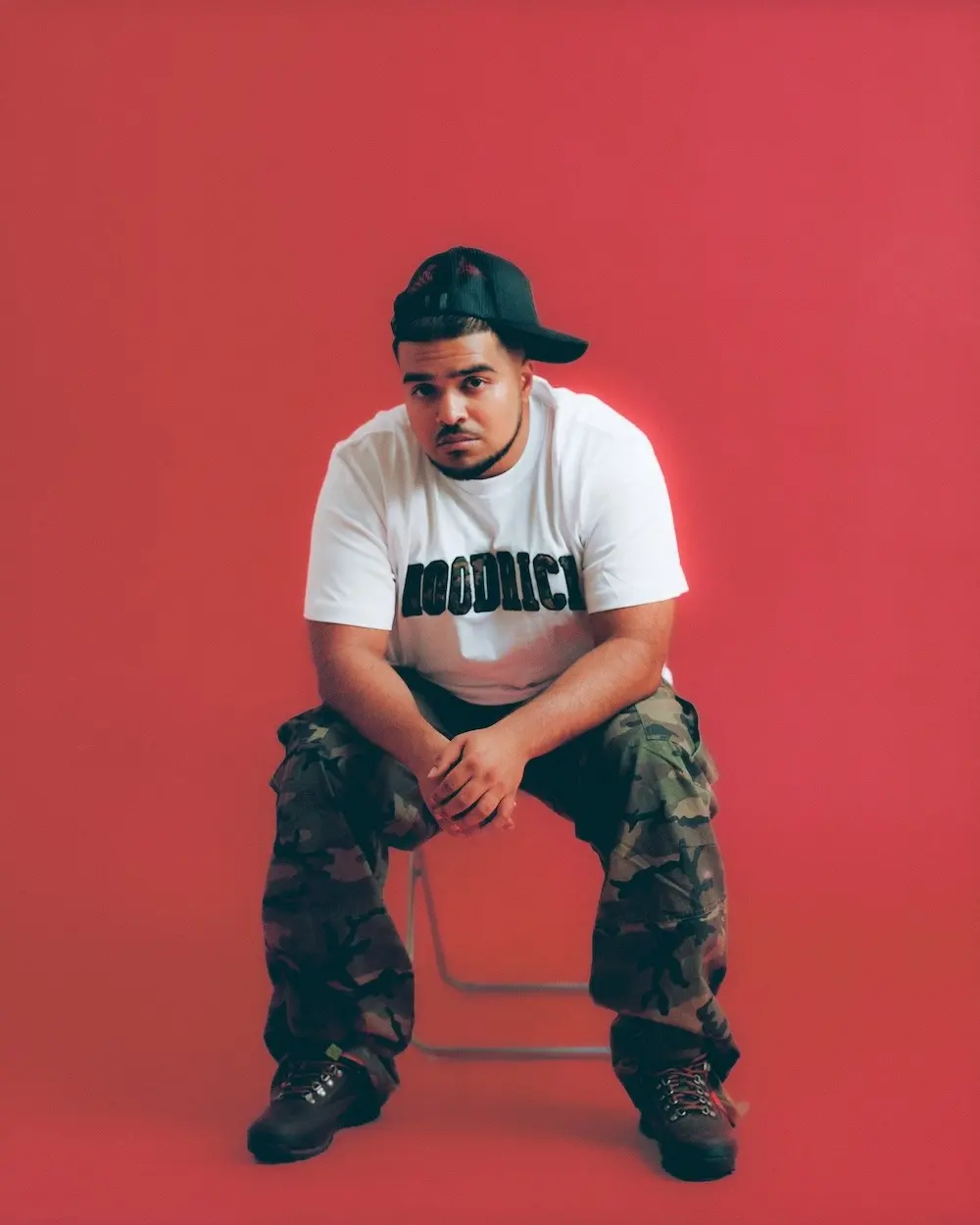
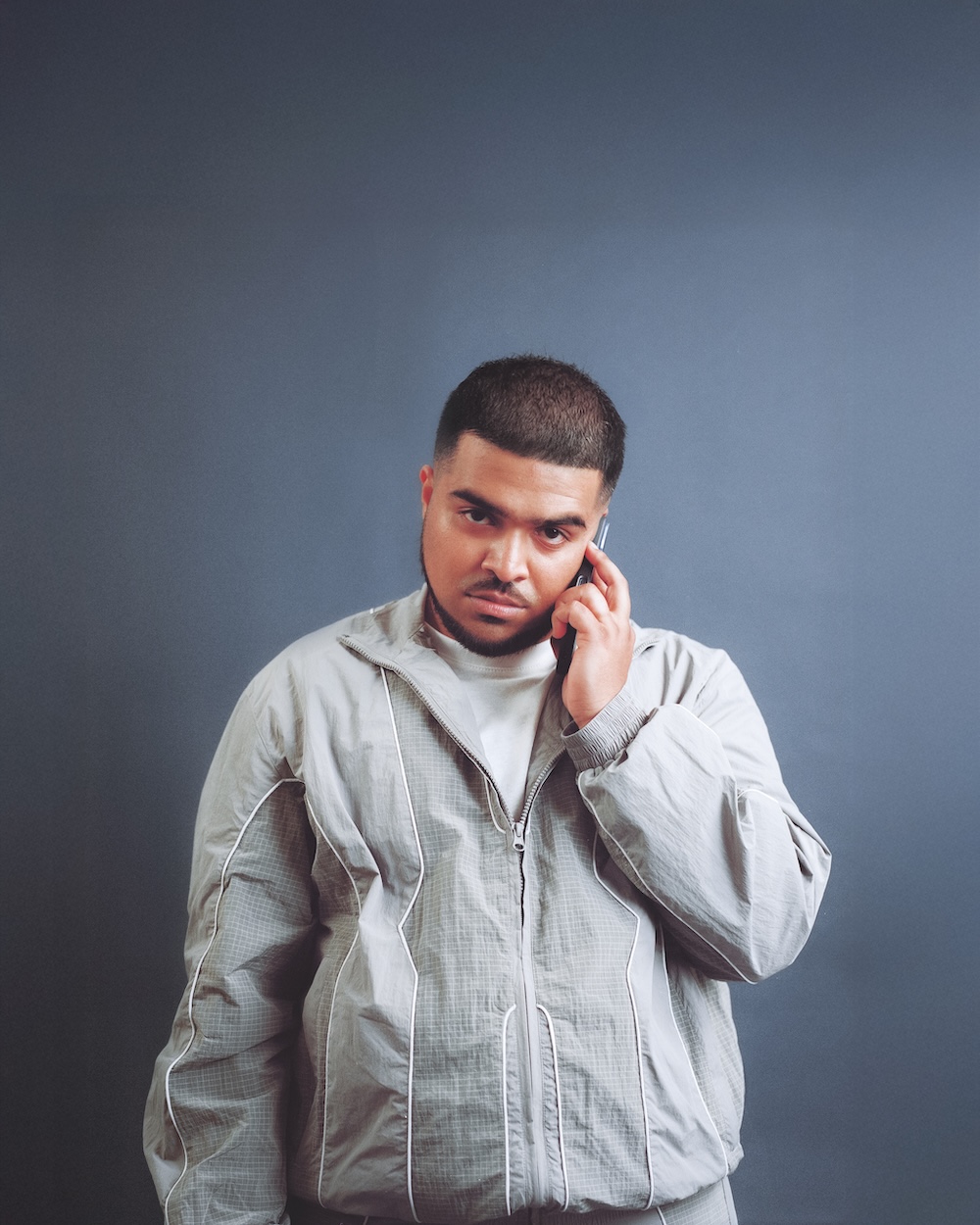
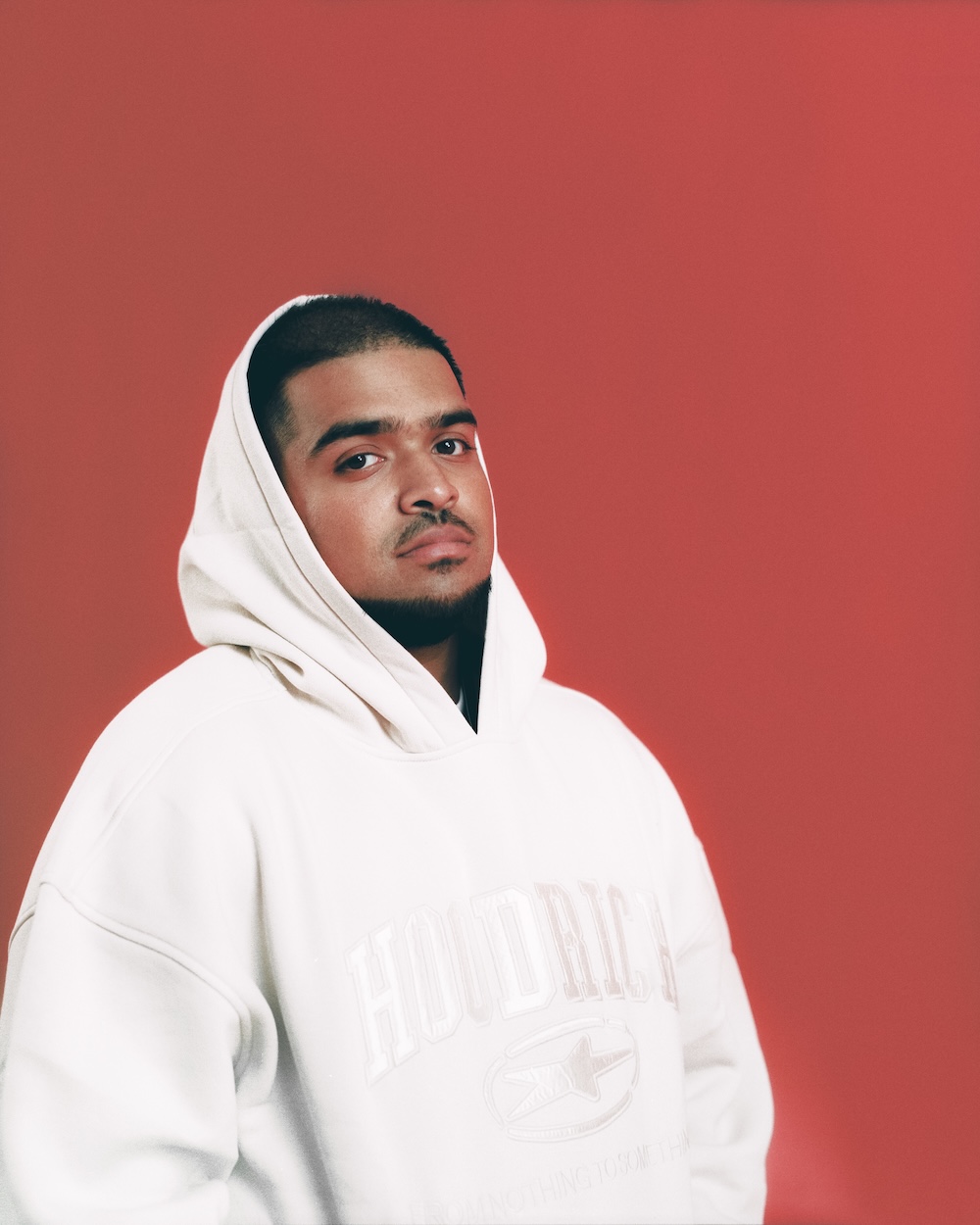
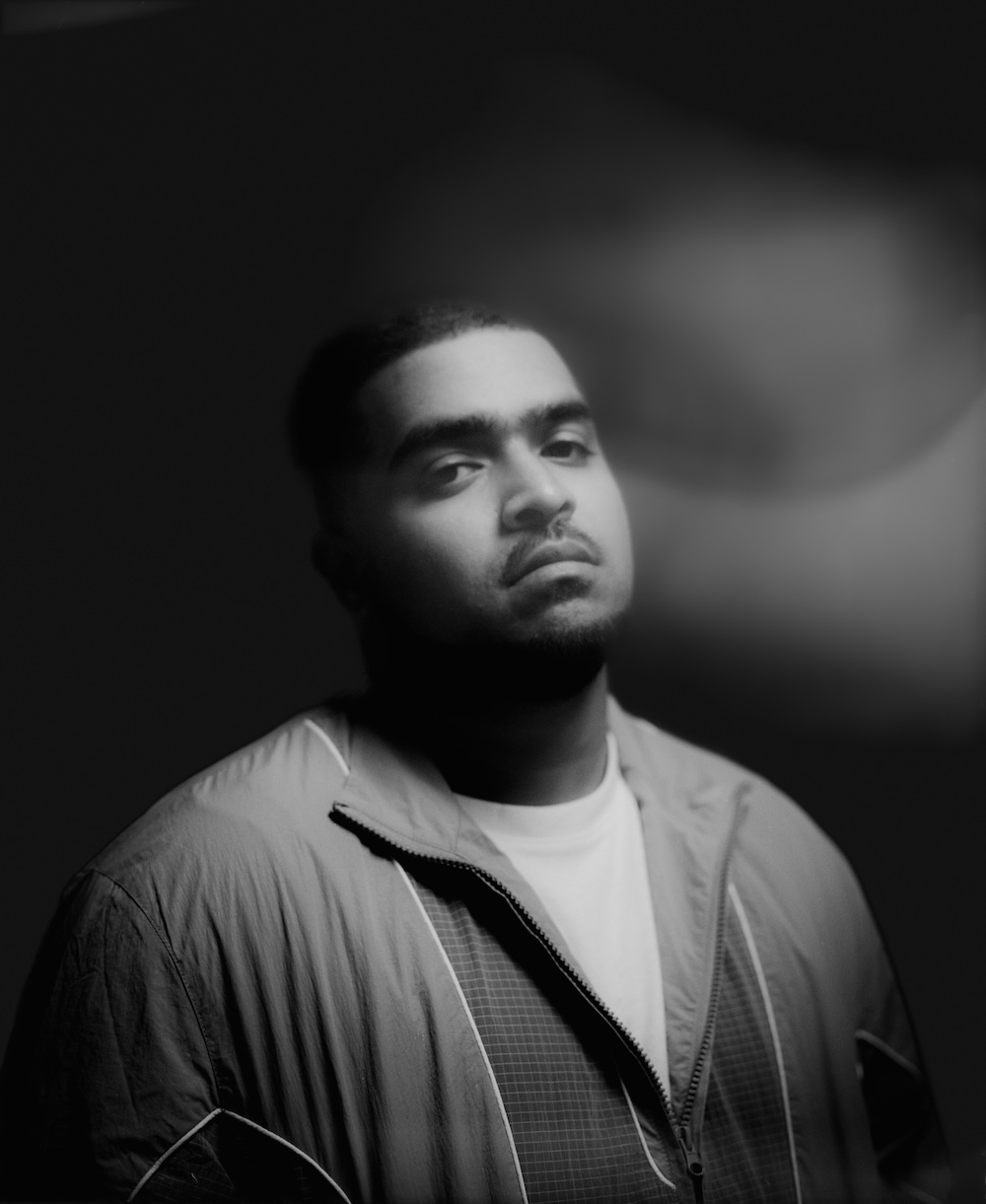
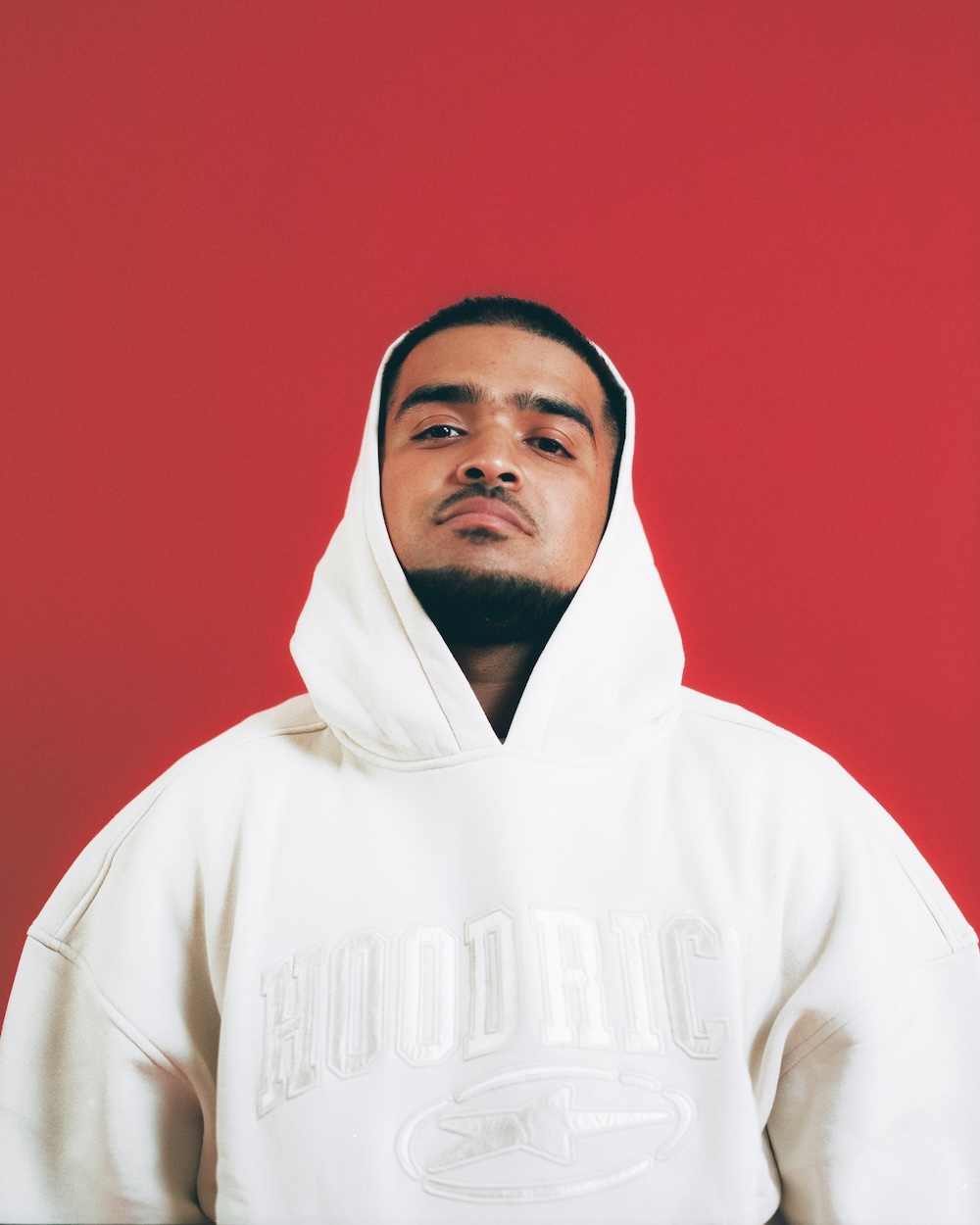
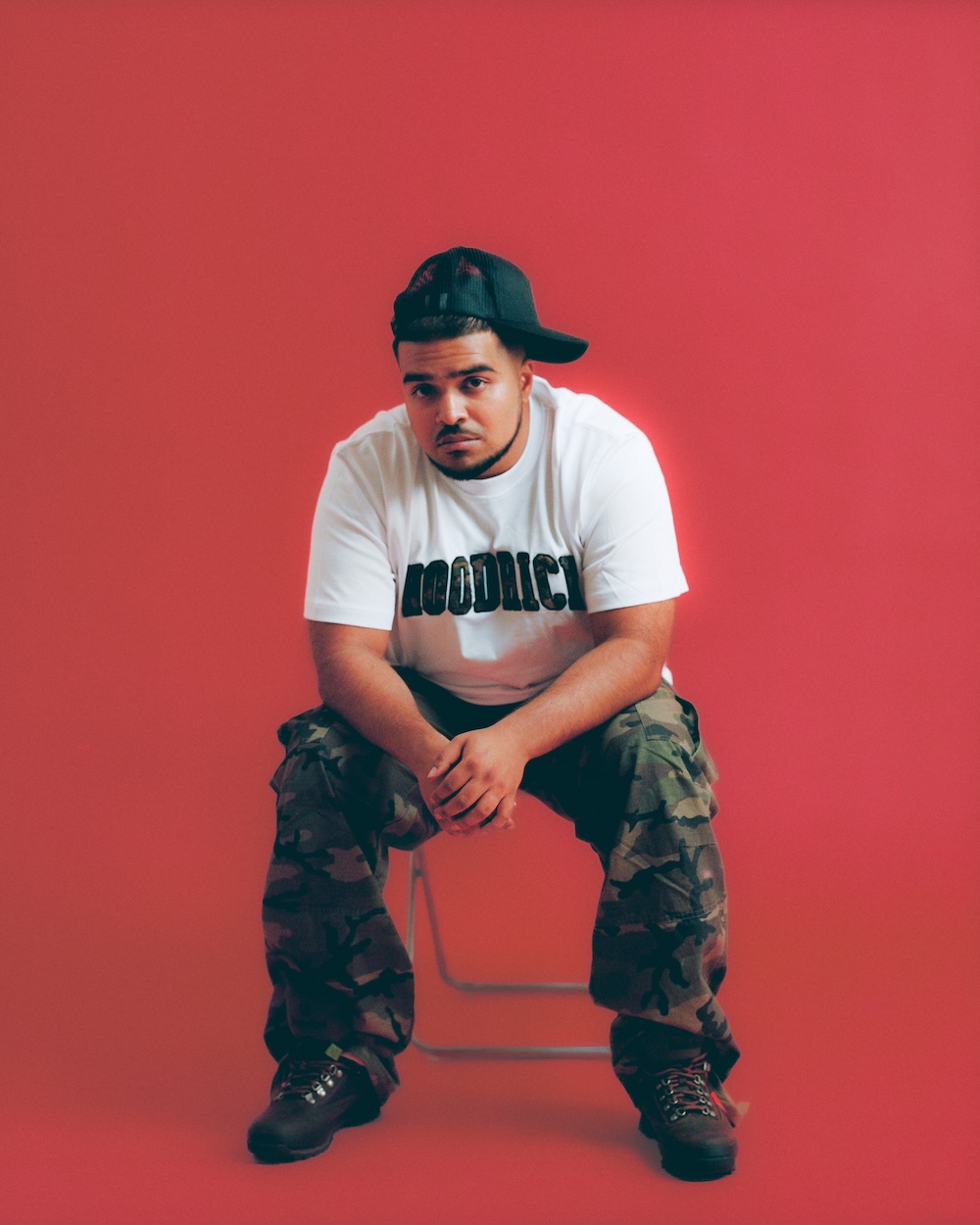
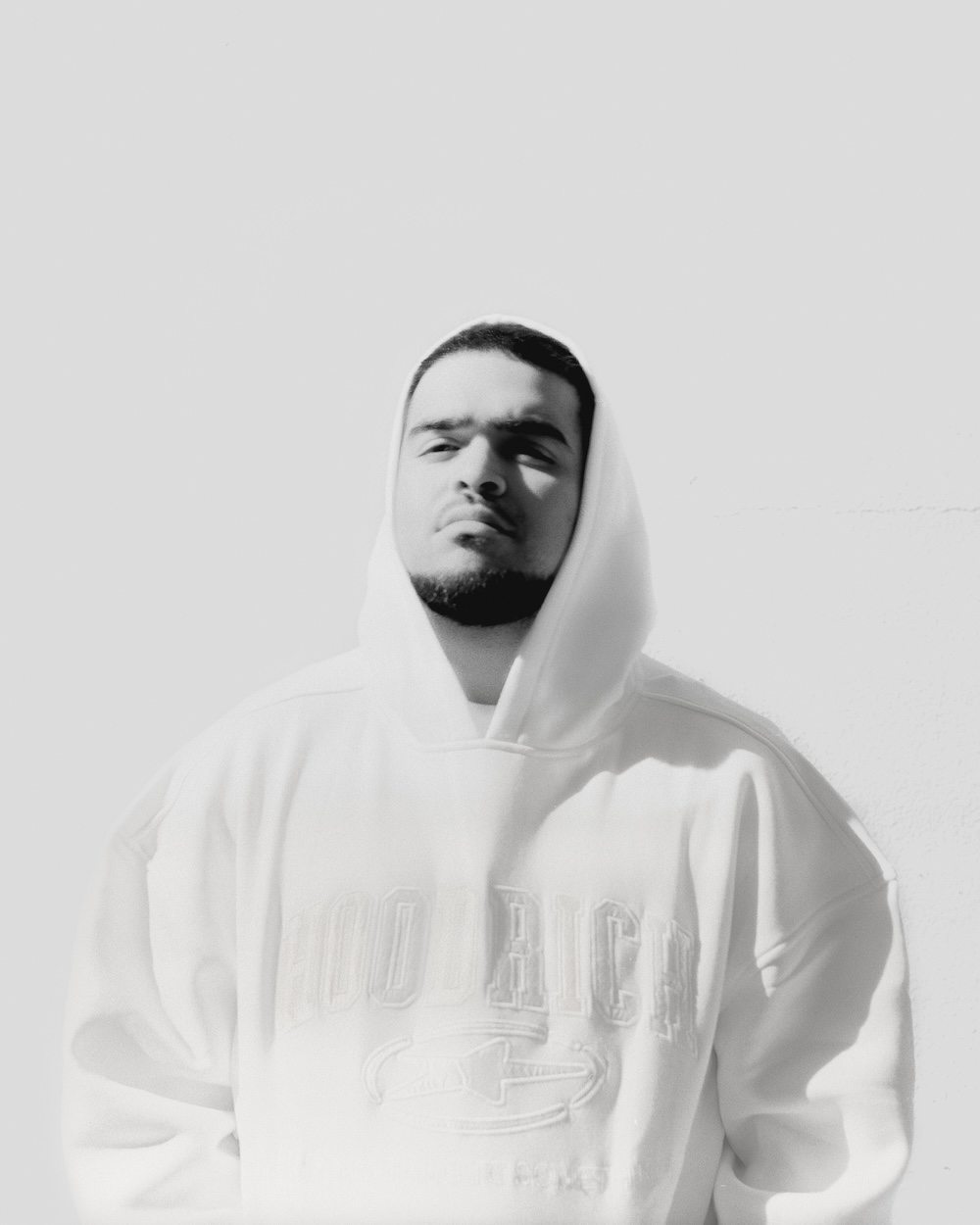
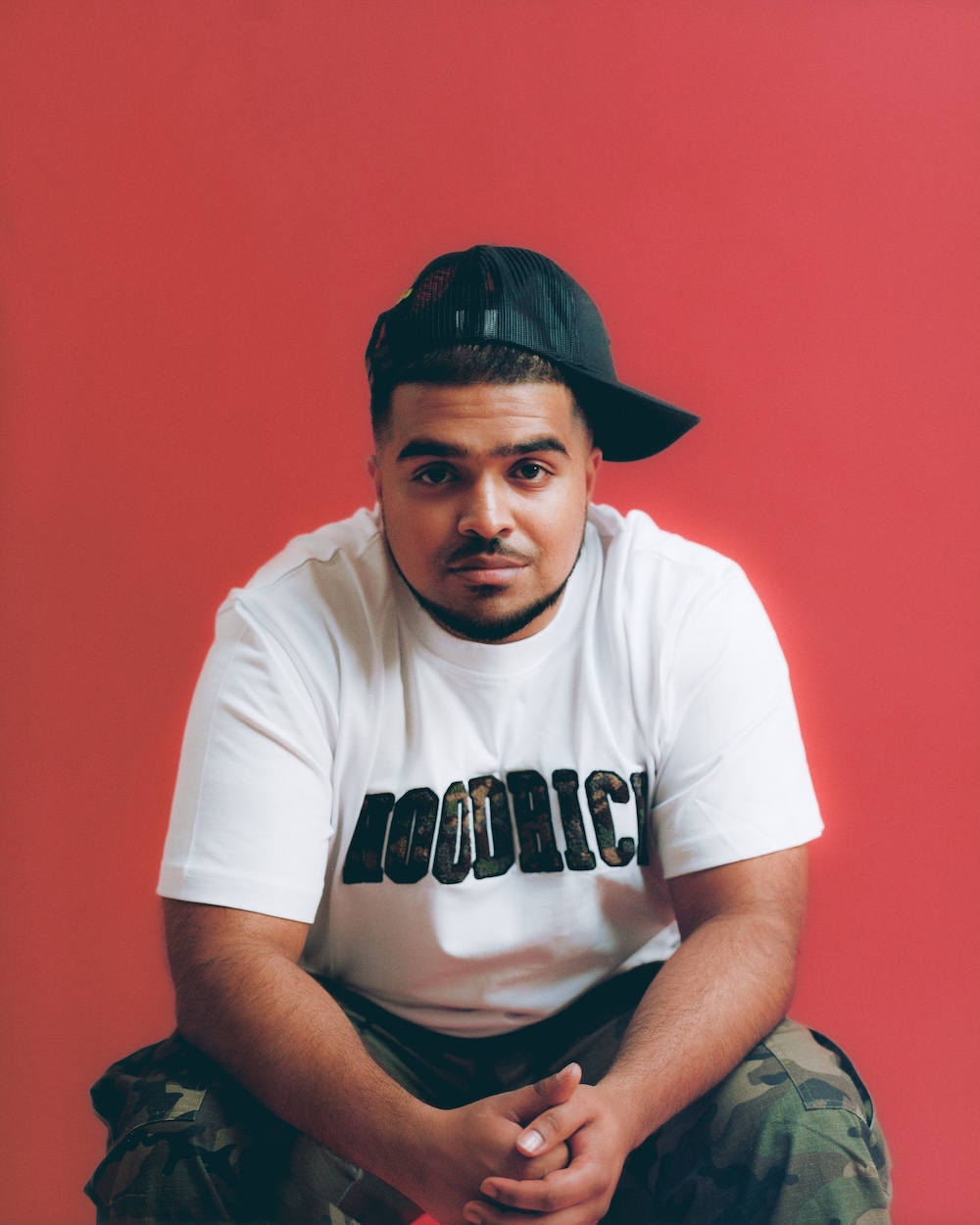
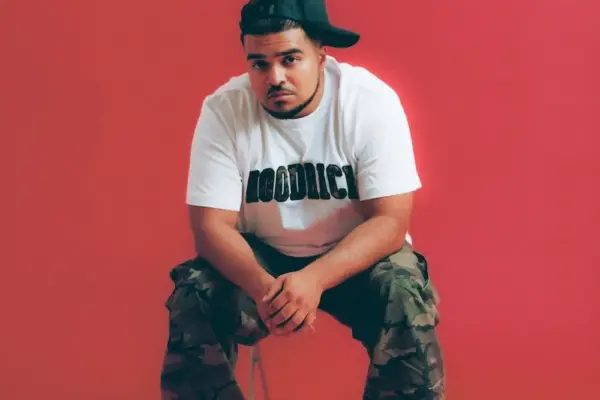
Presented in an exclusive digital cover feature in partnership with Hoodrich, Birmingham rapper KayMuni is carving out his space in the UK rap landscape with absolute clarity and relentless focus.
Since returning home, his trajectory has been defined by a rare duality: aggressive artistic ambition and profound community stewardship. As he prepares for the release of his highly anticipated project, Monopoly, KayMuni is proving that his time away did not dull his creative instincts—it sharpened them into a fine instrument. From funding one thousand school uniforms for local youth to handing out hot meals side-by-side with Hoodrich, the rapper is anchoring his success directly in the soil that raised him.
In this deep-dive conversation, KayMuni reflects on writing his earliest mixtapes behind bars, stepping onto a stage for the very first time, and why putting his hometown squarely on his back remains his ultimate, non-negotiable mission.
Executive Overview
The narrative of KayMuni is one of transformation, resilience, and unwavering regional pride. Emerging from the vibrant, continuously evolving music scene of Birmingham, his journey has defied conventional trajectories. Long before he was stepping into professional recording booths or headlining community events, KayMuni was a teenager watching the Midlands capital cultivate its distinct sonic identity, drawing inspiration from early regional trailblazers like KB.
However, a significant chapter of his foundational development occurred out of the public eye. Serving time in prison, KayMuni—alongside peers like Marnz Malone and KB—refused to let incarceration become a period of stagnation. Instead, they weaponized the experience, transforming it into an intensive, self-directed masterclass in the business and art of music.
Now, with a high-profile co-sign from Central Cee, a viral digital footprint, and a burgeoning reputation for grassroots philanthropy, KayMuni stands at the precipice of national breakout success. Monopoly is not merely an album title; it is a manifesto for autonomy, control, and unapologetic local representation.
Detailed Chronology: From Behind the Walls to the Birmingham Skyline
The Genesis: Writing Without a Platform
Every artist’s origin story has its hurdles, but few begin with the unique constraints faced by KayMuni. Before he had reliable access to recording equipment, distribution pipelines, or streaming platforms, the young lyricist was already constructing complex cadences and writing bars without anywhere permanent to put them.
The turning point from casual writer to serious contender occurred during his time inside. Confronted with isolation and time, KayMuni made a definitive choice: he would channel his reality into a structured body of work. That decision yielded his first official mixtape, fittingly titled Time Is Money.
"I’ve always wanted to take music seriously, but probably when I was in prison. Probably when I decided to write a mixtape. My first mixtape, ‘Time Is Money’ to be exact."
The Prison "Study Program"
While incarceration is often viewed strictly as a punitive measure, KayMuni and his contemporaries—including Marnz Malone and KB—reimagined their environment as an incubator. Day-to-day life inside became a rigorous study program dedicated to mastering the mechanics of the music industry.
Far from treating rap as a casual hobby, the collective dissected the administrative and creative sides of the craft simultaneously. This period of intense preparation laid the structural groundwork for everything KayMuni has executed since gaining his freedom.
"Just trying to find beats, as well as structuring my mixtapes correctly, organising distribution for all streaming platforms too. A variety of things."
This methodical approach extended directly into his writing habits. Rather than forcing creativity on a rigid schedule, KayMuni developed an intuitive relationship with his pen, navigating distinct phases of prolific output and reflective silence.
"I go through stages with writing. I can’t write all the time, but I definitely go through stages where I can write a lot of stuff and some stages where I don’t write at all."
The Viral Spark and the Central Cee Co-Sign
Long before his official home debut, digital momentum signaled that KayMuni’s voice was traveling far beyond Birmingham’s city limits. A defining moment arrived when a freestyle went viral, pulling in 500,000 views overnight following a high-profile co-sign from Central Cee.
Remarkably, KayMuni received the life-altering news while still incarcerated. The digital explosion served as concrete validation that his work was resonating on a national scale, steeling his resolve for the day he would finally walk out of the gates.
"We was in jail, man. It’s just mad, I can’t lie. We had a few freestyles going viral at the time. When them freestyles used to go mad, it was a big thing. It just made me know that I’ve got to come home and take things seriously."
Supporting Context & Metrics: Community Impact and Artistic Autonomy
Philanthropy as a Pillar
For KayMuni, musical success is inextricably linked to civic responsibility. Rather than adopting the detached persona of the newly minted rap star, he has leveraged his platform to directly uplift Birmingham’s working-class communities.
Earlier this month, making headlines across Birmingham Live, KayMuni made substantial waves by funding one thousand school uniforms for local youth, ensuring families burdened by the rising cost of living received tangible support. This initiative was swiftly followed by a collaborative community giveaway alongside Hoodrich, which provided one hundred hot meals directly to those in need.
When asked about the underlying message of these charitable efforts, KayMuni’s philosophy is remarkably straightforward:
"I just feel like you should help people wherever you can, it goes a long way and I take pride in doing that, especially in my hometown."
It was precisely at this Hoodrich community giveaway that KayMuni crossed another major milestone: his very first live performance. Stepping onto a stage for the first time in front of his own people presented a unique brand of pressure, yet it cemented his bond with the city.
"Yeah, it was good, man. I can’t lie, it was kind of nerve-wracking. I had never performed before."
Defining Monopoly: Total Control
The upcoming project, Monopoly, functions as a thesis statement on independence. In an industry notorious for stripping artists of their agency, KayMuni’s primary objective is absolute self-determination—both in his business dealings and his daily life.
"I feel like just being in control of my own life and doing what I want to do, it’s important."
The creative genesis of Monopoly bridges two distinct eras of his life. While the bulk of the project was meticulously crafted following his release, certain tracks carry the DNA of his time behind bars, serving as physical relics of his journey.
"A lot of the music I’ve done, I wrote since I came home. Even one or two of the songs, I had them before I came out of jail, still. So this is a special project to me. It’s my first home mixtape. I ain’t even dropped that mixtape yet since I came home. I got a few features on there as well. This one should be big."
When discussing collaborations, KayMuni maintains a strict adherence to authenticity. There are no calculated, label-forced pairings in his catalog; every feature is born from genuine mutual respect.
"All my features are natural. When you see me featured, I either like their music or I rock with them in real life."
Official Statements & Regional Representation
Putting Birmingham on the Map
A recurring theme throughout KayMuni’s discourse is his protective, fiercely proud relationship with Birmingham. Historically, the UK music press has frequently hyper-focused on London scenes, often leaving regional powerhouses fighting for national spotlight. KayMuni views his rise not merely as a personal victory, but as a collective reclamation of space for the Midlands.
"I feel like I’m just trying to put my city on. When a lot of people look at England, I feel like Birmingham kind of gets overshadowed. So I’m just trying to put my city on."
Reflecting on his teenage years spent filming early videos and tracking the evolution of pioneers like KB, KayMuni admits a sense of surreal disbelief regarding how far the journey has taken him.
"Damn. I’m here still. Yeah, I wouldn’t even believe this story."
Future Outlook: The Next Hundred Levels
As KayMuni looks toward the horizon, his ambitions show no signs of plateauing. Armed with a hardened work ethic forged in adversity and a deeply loyal community base, he envisions an exponential upward trajectory for his career over the coming years.
"Going to go up hundred levels, man. Keep rapping, keep dropping, keep showing them there’s levels to this."
Whether he is analyzing the intricacies of hip-hop distribution, funding educational supplies for Birmingham’s youth, or playfully predicting an Arsenal Premier League title win ("100%. Every single year"), KayMuni operates with an unshakeable sense of self-belief.
The release of Monopoly will undoubtedly mark a watershed moment for UK rap—not just because of the music it contains, but because it represents the triumphant return of an artist who refused to let his story be written for him. KayMuni is holding all the cards, and he is playing them precisely right.
This interview is part of our ongoing long-form content series hosted exclusively on our Substack. To gain full access to our comprehensive archive of deep-dives into the architects of hip-hop and global culture, visit the Viper Substack.