Executive Overview
In an era where geopolitical friction increasingly bleeds into cultural symbols, few flashpoints have captured the absurdity and intensity of modern cross-border tensions quite like the battle over Lake Ontario. What began as a unilateral decree from Washington has swiftly escalated into a fierce cultural standoff, uniting Canada’s artistic elite, provincial leadership, and millions of citizens in a shared act of defiance.
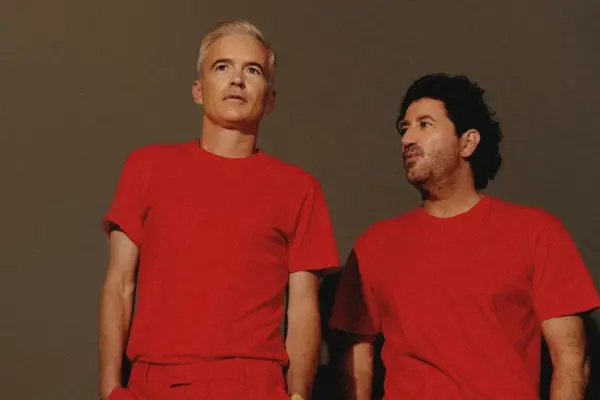
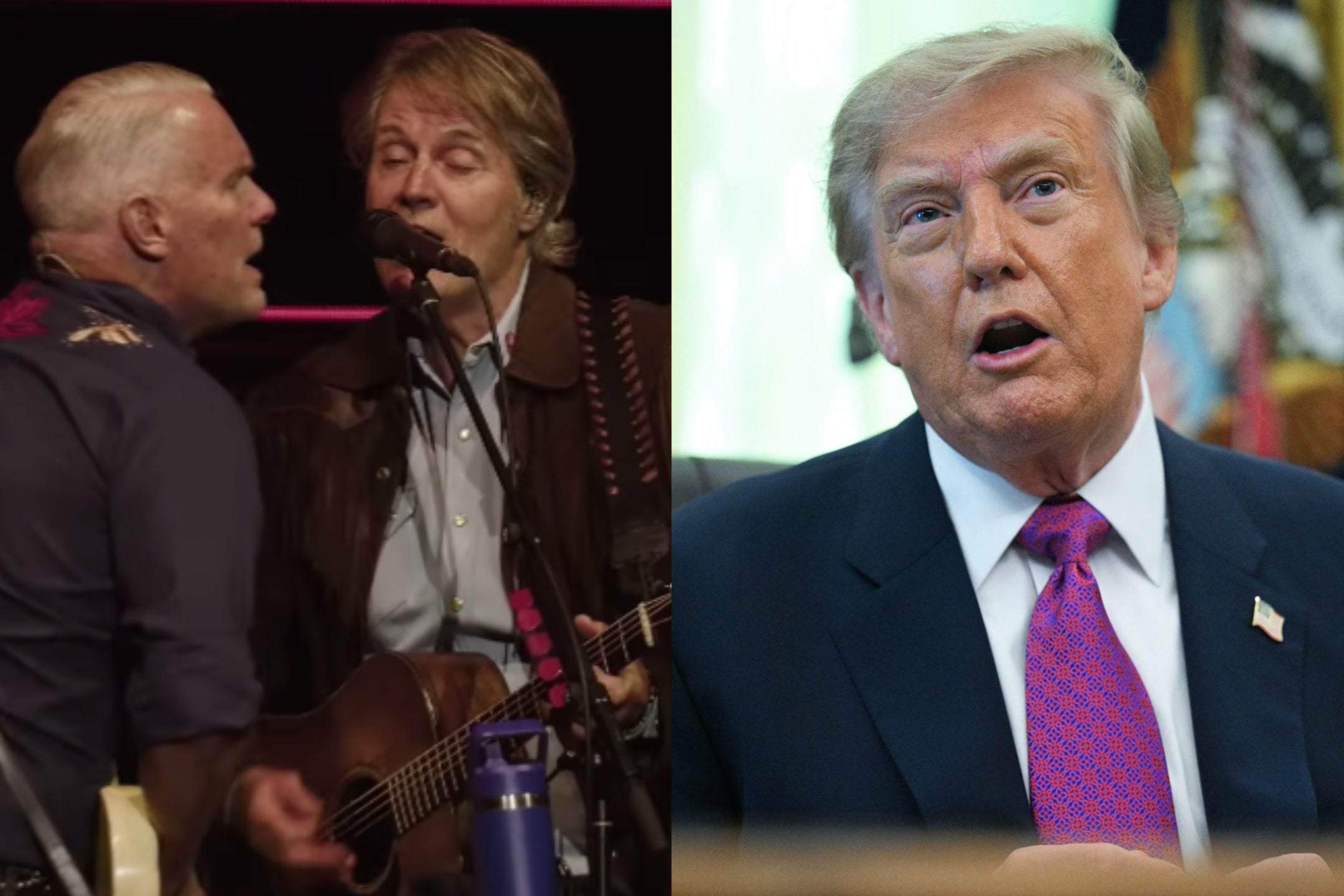
The latest and perhaps most resonant salvo in this brewing cultural war was fired on a Saturday evening in Toronto, where the iconic Canadian rock band Blue Rodeo turned a routine waterfront concert into a defiant rallying cry. Performing live at the RBC Amphitheater—a venue physically anchored to the northern shores of the disputed waterway—lead singer Greg Keelor paused mid-set to address a pulsating, sold-out crowd. Referencing the band’s enduring 1993 hit, "Hasn’t Hit Me Yet," Keelor directly confronted the elephant in the room: President Donald Trump’s controversial executive order attempting to rebrand Lake Ontario as "Lake America."
What followed was a masterclass in collective solidarity. As thousands of fans roared the name "Lake Ontario" with synchronized authority, towering stage screens illuminated the night with maps bearing the lake’s historic, unyielding title. Bandmate Jim Cuddy later captured the raw emotion of the evening, telling the electrified audience: “That was chilling, folks. We are who we are, right? F*** them.”
This high-profile musical protest is far from an isolated incident. It is emblematic of a rapidly deteriorating relationship between the United States and Canada, catalyzed by a protracted trade war, aggressive economic protectionism, and provocative political rhetoric emanating from the White House. From unilateral executive orders to tech conglomerates altering digital maps, and from provincial premiers erecting defiant billboards to iconic musicians staking a claim for national heritage, the fight over Lake Ontario has evolved into a vital test of Canadian sovereignty and resilience.
Detailed Chronology: From Trade War Tensions to the "Lake America" Decree
To understand the cultural earthquake vibrating along the Canadian waterfront, one must examine the sequence of events that transformed a shared natural resource into a geopolitical battlefield.
The Escalation of Economic Hostilities
The tensions underpinning the Lake Ontario naming dispute did not materialize overnight. For months, the trade relationship between the United States and Canada has suffered under the weight of an escalating trade war. Driven by protectionist trade policies and grievances over cross-border tariffs, the White House has repeatedly targeted Canadian exports, leading to retaliatory measures from Ottawa.
As economic friction intensified, the rhetoric from Washington shifted from trade policy to personal and national attacks. Administration officials and President Trump himself began questioning Canadian economic independence, culminating in inflammatory rhetoric floating the notion of absorbing Canada as the 51st U.S. state. While dismissed by most political analysts as political grandstanding, these threats poisoned the diplomatic well, creating an atmosphere of profound unease north of the border.
The Executive Order and the Digital Battlefield
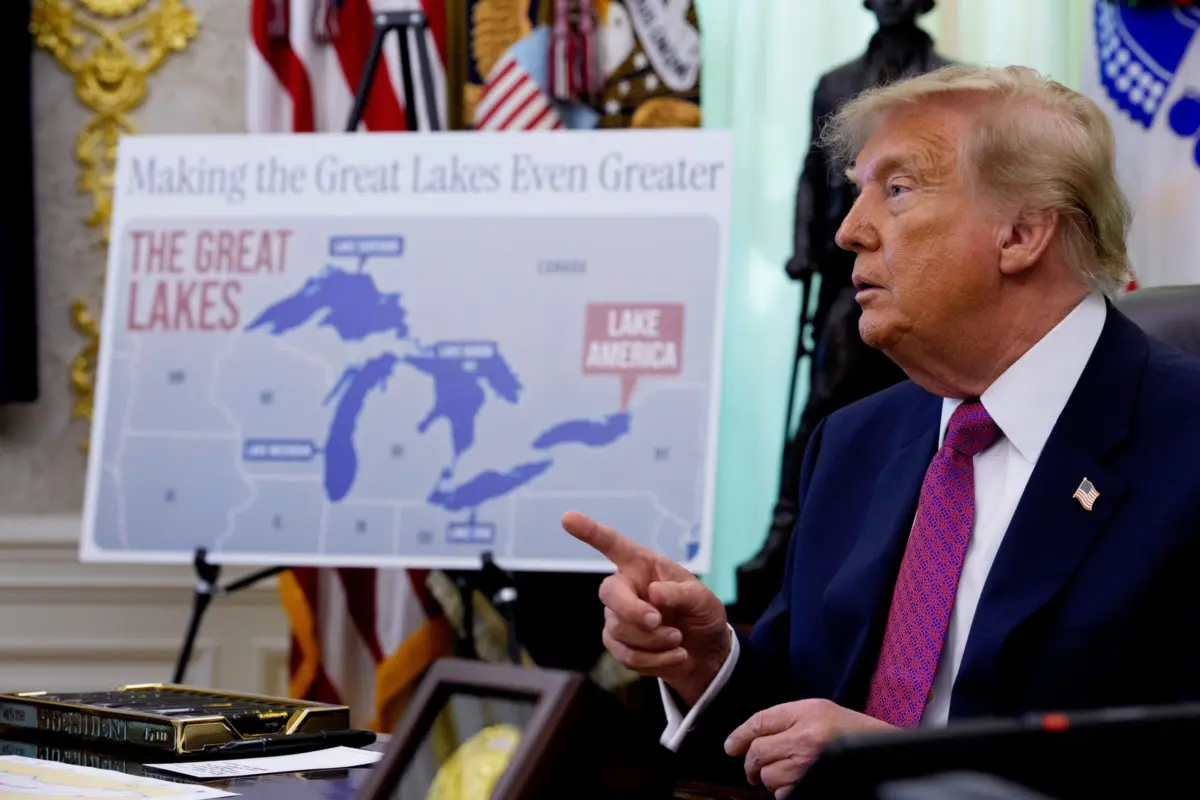
The flashpoint materialized last week when President Trump signed a formal executive order unilaterally declaring that the U.S. government would henceforth refer to Lake Ontario as "Lake America." The move, ostensibly aimed at projecting American economic and geographical dominance amid the trade impasse, was met with immediate bafflement and outrage in international law and cartographic circles.
The decree immediately sparked a digital scramble. Tech giant Google found itself caught in the crosshairs of geopolitical compliance when its mapping subsidiary, Google Maps, altered the lake’s designation on its application to reflect the presidential order for American users—a move that triggered intense backlash and accusations of corporate capitulation to political pressure.
The Musical Counter-Offensive
Against this tense backdrop, Blue Rodeo took to the stage at the RBC Amphitheater in Toronto on Saturday. The choice of venue was deliberate; the amphitheater sits mere yards from the restless, slate-blue waves of the lake in question.
As captured on the band’s official YouTube livestream, Greg Keelor introduced "Hasn’t Hit Me Yet"—a track beloved by generations of Canadians—by acknowledging the controversy head-on.
"At the end of this song, there’s a mention of a lake. It’s a lake right behind us right there," Keelor told the roaring crowd. "The name has become a little controversial. I would just like you to sing tonight with full authority and ownership. And we’ll sing this one for the shining waters that have been there long before any of us were ever here."
The crowd obliged with deafening enthusiasm, turning a classic rock staple into an impromptu referendum on sovereignty. The moment underscored the power of art to channel national frustration into collective catharsis.
The Political Response: Doug Ford’s Billboard Campaign
Hours before the concert, the political apparatus of Ontario mobilized in tandem with its cultural icons. Ontario Premier Doug Ford unveiled a massive, unmissable billboard along the Canadian shoreline of the lake, bearing a blunt, unequivocal message: “Lake Ontario. Now and Always.”
Standing before the press against the backdrop of the disputed waters, Ford did not mince words.
"You may have heard that President Trump is trying to rename this lake, all because he doesn’t like Ontario and Canada standing up for ourselves," Ford declared. "Pero let’s be serious. Long before President Trump, this lake was called Lake Ontario, and long after President Trump is gone, it will still be called Lake Ontario."
Supporting Context & Metrics: Blue Rodeo and the Fabric of Canadian Culture
To fully appreciate the weight of Blue Rodeo’s intervention, one must examine the cultural stature of the band within the Canadian landscape. Formed in Toronto in 1984 by singer-songwriters Greg Keelor and Jim Cuddy, Blue Rodeo is not merely a touring act; they are a foundational pillar of modern Canadian roots-rock.
Accolades and Legacy
- Juno Awards: The band has amassed an astounding 12 Juno Awards—Canada’s highest music industry honors—spanning categories from Group of the Year to Songwriter of the Year.
- Hall of Fame Induction: In 2012, Blue Rodeo was formally inducted into the Canadian Music Hall of Fame, cementing their status alongside legends like Neil Young, Joni Mitchell, and The Band.
- Commercial and Critical Endurance: Across four decades, the group has released a string of multi-platinum albums, including Outskirts (1987), Diamond Mine (1989), and Five Days in July (1993), which housed the iconic track "Hasn’t Hit Me Yet."
Because Keelor and Cuddy have spent forty years crafting songs that romanticize Canadian landscapes, small towns, and urban melancholy, their music functions as a kind of secular hymnal for the country. When they ask an audience to claim ownership of a geographic landmark through song, it resonates with the deep-seated cultural anxiety of a middle power striving to maintain its identity in the sprawling shadow of an economic superpower.

Official Statements and Institutional Silence
The diplomatic fallout from the "Lake America" decree has exposed deep divisions in how international norms are respected, while also highlighting the deafening silence from key political offices.
The White House Stonewall
When pressed for comment regarding the Toronto concert, Premier Ford’s billboard campaign, and the broader international criticism surrounding the executive order, the White House maintained a strict policy of avoidance. The Independent reached out to the Trump administration for official comment, but requests were met with silence. Political analysts suggest that the administration may view the naming controversy as a low-cost, high-visibility lever to exert psychological pressure during trade negotiations, preferring to let the symbolic chaos play out without official engagement.
Canadian Unity Across Partisan Lines
In stark contrast to Washington’s silence, Canadian leadership has displayed a rare moment of unified front. While provincial and federal politicians often clash bitterly over healthcare, taxation, and resource management, the existential nature of the "Lake America" gambit has temporarily bridged partisan divides. Liberal, Conservative, and New Democratic Party (NDP) officials have uniformly condemned the executive order as a violation of international geographical standards and an affront to bilateral goodwill.
Cultural institutions, tourism boards, and environmental agencies across the Great Lakes basin have similarly mobilized, flooding social media with historical maps, indigenous naming lineages, and educational resources highlighting the rich, centuries-old heritage of the name "Ontario"—derived from the Huron word ontario, meaning "great lake" or "beautiful water."
Future Outlook: Where Do We Go From Here?
As the dust settles on a tumultuous week of concerts, billboards, and executive overreaches, the long-term ramifications of the "Lake America" saga remain uncertain.
Cartographic Disobedience and Digital Realities
The technological battlefront, led by corporations like Google, poses ongoing challenges. While local users can bypass algorithmic changes through custom settings, the willingness of multinational tech firms to bend to the executive whims of foreign leaders sets a troubling precedent for global data accuracy. Grassroots tech initiatives and open-source mapping collectives are already organizing efforts to audit and challenge politically motivated cartographic edits, ensuring that historical truths remain accessible on global networks.
The Next Phase of the Trade War
Ultimately, the lake is a proxy for a much larger economic struggle. Observers watching the U.S.-Canada trade talks note that symbolic battles over geography often precede critical breakthroughs—or catastrophic breakdowns—at the negotiating table. If the White House intends to use territorial nomenclature as a bargaining chip, it risks hardening Canadian public resolve to the point where political leaders cannot compromise without facing severe electoral backlashes.
A Cultural Legacy Cemented
For Blue Rodeo, the weekend performance will undoubtedly go down in infamy as one of the defining moments of their storied career. It demonstrated that even as political landscapes shift and economic bullies attempt to redraw the map by executive fiat, the soul of a nation is often guarded not by diplomats or bureaucrats, but by its artists.
As Jim Cuddy’s parting words echoed across the Toronto waterfront—*"We are who we are, right? F** them"—they did not merely express frustration at a foreign president. They articulated the fierce, protective pride of a people determined to ensure that their waters, their history, and their identity remain untouched by the stroke of a foreign pen. Lake Ontario was, is, and will remain Lake Ontario—now and always.