Executive Overview
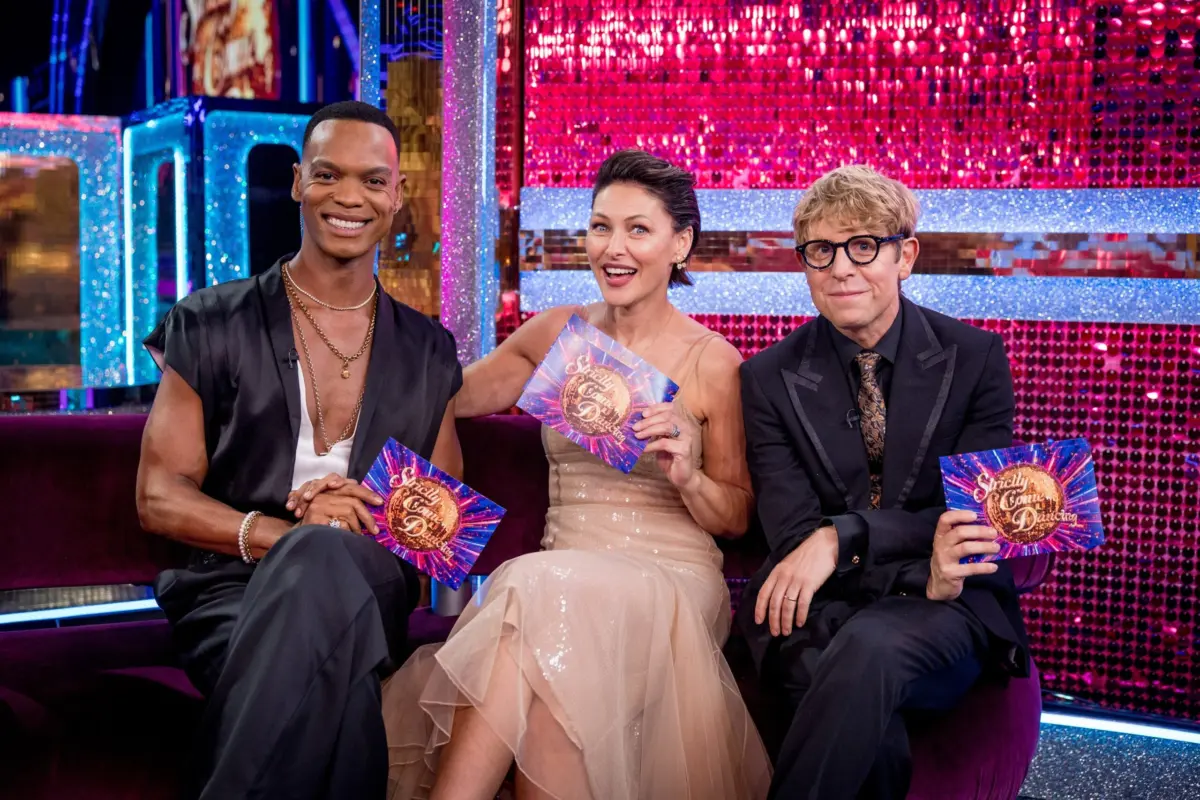
Strictly Come Dancing, the crown jewel of British weekend television, has returned to BBC One for its landmark autumn run, bringing with it not only a star-studded celebrity roster and dazzling routines, but also the most radical structural transformation in the show’s recent history. Following the departure of long-standing, beloved hosts Tess Daly and Claudia Winkleman—who anchored the program together for more than a decade—the BBC unveiled a brand-new presenting triad featuring comedian Josh Widdicombe, broadcaster Emma Willis, and former Strictly professional dancer Johannes Radebe.
While the refresh was designed to modernize the format and inject fresh creative energy into the Saturday-night staple, the transition has not been without its growing pains. Josh Widdicombe’s distinct comedic styling and hosting tempo have sparked mixed reactions among vocal factions of the show’s fan base and television critics alike.
However, head judge Shirley Ballas has stepped firmly into the fray to defend her colleague. Speaking exclusively on the red carpet at the prestigious Pride of Britain Awards ceremony, the 66-year-old dance maestro threw her full weight behind Widdicombe, praising his professionalism, kindness, and on-screen execution. Ballas argued that the revamped line-up has successfully breathed new life into the long-running series, ensuring it remains an unmissable anchor for family viewing across the United Kingdom.
This comprehensive report examines the ongoing presenter transition, the critical reception of the new hosting trio, the mechanics of the current series—including the most recent dramatic weekend eliminations—and what this pivotal season signals for the future of the BBC’s flagship entertainment franchise.
Detailed Chronology: The Anatomy of a Presenter Shake-Up
The journey to the current series of Strictly Come Dancing represents one of the most daring gambles in the BBC’s entertainment division over the last decade. For over ten years, Tess Daly and Claudia Winkleman formed an ironclad, universally adored partnership. Their seamless chemistry, quick wit, and empathetic handling of the celebrity contestants became synonymous with the Strictly brand.
Consequently, when Daly and Winkleman announced their departure at the conclusion of the previous series, it sent shockwaves through the British television landscape. Producers faced an unenviable task: how to replace a duo that felt irreplaceable without alienating an audience of millions who treat the show as a weekend ritual.
The Audacious Trio: Willis, Radebe, and Widdicombe
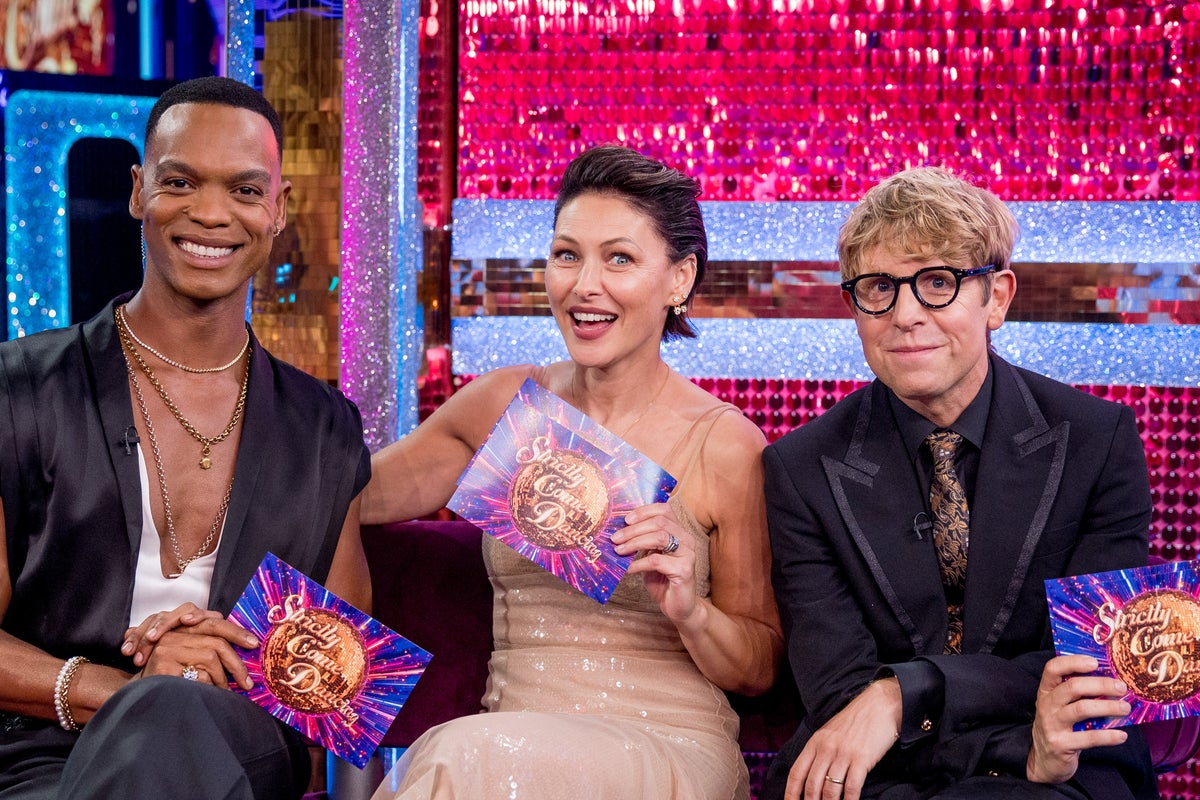
Rather than appointing a traditional dual-host pairing, the BBC opted for a triumvirate. The network announced that broadcaster Emma Willis, fan-favorite professional dancer Johannes Radebe, and stand-up comedian Josh Widdicombe would take the reins.
- Emma Willis brought years of live television experience, having successfully fronted heavy-hitting formats such as Big Brother, The Voice UK, and The Circle. Her authoritative yet warm delivery made her an instant stabilizing force on the main stage.
- Johannes Radebe injected unprecedented inside knowledge into the hosting team. Having captivated audiences with his choreography and emotional intelligence as a professional dancer on the show, Radebe bridged the gap between the competitors and the stage, offering technical insight wrapped in flamboyant charisma.
- Josh Widdicombe, a veteran of British panel shows and comedy tours, was brought in to provide a distinct comedic counterweight. Known for his self-deprecating humor and sharp timing, Widdicombe’s appointment was explicitly intended to modernize the backstage banter and interview segments.
The Fan Backlash and Critical Debate
As the curtain rose on the current series last month, the new dynamic was immediately put under a microscope. While Emma Willis and Johannes Radebe received largely positive notices for their natural poise and emotional resonance with the contestants, Josh Widdicombe’s reception proved more polarized.
Traditionalists accustomed to the rapid-fire, gossip-heavy rapport of the Daly-Winkleman era expressed initial hesitation regarding Widdicombe’s more laid-back, observational comedy style. Social media forums and television review columns became battlegrounds between viewers embracing the fresh energy and purists arguing that the comic timing occasionally clashed with the high-stakes drama of the competition.
It is within this crucible of public scrutiny that Shirley Ballas’s recent intervention takes on heightened significance, serving as a powerful endorsement from deep within the show’s inner circle.
Supporting Context & Metrics: Week Five and the Elimination Trail
As the series reaches its critical fifth week, the dust is beginning to settle on the presenter debate, and the competition itself is heating up. Sunday night marked the third elimination of the run, demonstrating that beneath the changing aesthetic of the hosting team, the ruthless nature of the dance-off remains unchanged.
The Danger Zone: Storey, Antonia, and the Dance-Off
The weekend’s episodes delivered high drama when Paralympic icon Dame Sarah Storey and her professional partner Julian Caillon found themselves at the bottom of the leader board.
On Saturday night, Storey and Caillon performed a Tango set to Shania Twain’s classic hit "That Don’t Impress Me Much". Despite an admirable effort, the routine failed to captivate the judges, accumulating a total of just 21 points and leaving them anchored in last place.
Joining them in the bottom two were House of the Dragon star Bethany Antonia and her professional partner Nancy Xu. Antonia and Xu had performed a vibrant Cha-Cha-Cha to Aretha Franklin’s empowerment anthem "Respect". Although their performance scored a respectable 27 points, it left them third from bottom, ultimately plunging them into the dreaded dance-off alongside Storey and Caillon.
Following tense re-performances on Sunday’s results show, the judging panel—consisting of Shirley Ballas, Oti Mabuse, Craig Revel Horwood, and Anton Du Beke—unanimously voted to save Bethany Antonia and Nancy Xu, bringing Dame Sarah Storey and Julian Caillon’s journey on the ballroom floor to an emotional close.
The Competitive Landscape
Despite the early exits, the broader cast of series participants continues to level the playing field. The 2026 celebrity line-up features an eclectic mix of cultural figures, including reality television star Dani Dyer, acclaimed Australian singer Delta Goodrem, former England football pundit Shaun Wright-Phillips, and broadcaster Will Best.
According to behind-the-scenes reports, the initial nerves that defined week one have given way to genuine competitive fire. As Ballas noted on the red carpet, "Everybody’s getting into the groove now," pointing to a narrowing performance gap between the front-runners and the rest of the pack.
Official Statements: Shirley Ballas Speaks Out
The most substantial defensive volley for the new-look production came from head judge Shirley Ballas during her appearance at the Pride of Britain Awards. Addressing the Press Association on the red carpet, Ballas offered an intimate look at the off-screen camaraderie that sustains the production through its grueling weekly schedule.
"I have a changing room just down from Josh," Ballas revealed to reporters. "He is humorous. He is a gentleman. He is kind, and I think he’s brilliant at his job."
Ballas, who has occupied the head judge’s chair since 2017, acknowledged that change of this magnitude is bound to ruffle feathers among a fiercely loyal viewing public, but insisted that the ultimate outcome is a net positive for the franchise.
"It’s mixed up, but it feels great. It feels fresh," she continued. "Still one of those bigger shows where people tune into for all the family. So it’s great. I’ve had the best time with the new presenters, and the cast is such an even playing field."
These remarks serve not merely as professional courtesy, but as an authoritative strategic defense from one of the most trusted pillars of the BBC’s entertainment empire. By vouching for Widdicombe’s character and professional competence, Ballas aims to quell the dissenting voices and refocus public attention where it belongs: on the artistry and athletic dedication of the celebrity contestants.
Future Outlook: The Evolution of Weekend Television
As Strictly Come Dancing presses past its midpoint toward the coveted Blackpool week and the grand final, the stakes for the BBC production team remain exceptionally high. The gamble to overhaul the presenting staff was executed to prevent format fatigue—a trap that has claimed numerous reality and talent formats over the decades.
What Lies Ahead for the 2026 Series
- Consolidation of the Hosting Trio: As Widdicombe settles further into his rhythm, critics anticipate that his dynamic with Willis and Radebe will continue to tighten, reducing the friction observed during the opening weeks.
- The Tactical Battleground: With strong contenders like Dani Dyer and Delta Goodrem showing consistent technical growth, the upcoming weeks will likely see the competition transition from a popularity contest into a high-stakes battle of technical precision.
- Audience Retention: Initial viewing figures indicate that despite the high-profile departures of Daly and Winkleman, the core audience has remained remarkably stable, proving that the enduring brand equity of Strictly transcends individual personnel.
Conclusion
Television history is littered with failed attempts to reboot successful legacy formats. Yet, driven by strategic casting, an evenly matched celebrity roster, and staunch institutional backing from figures like Shirley Ballas, the current iteration of Strictly Come Dancing appears to have weathered its baptism by fire.
By embracing change rather than fearing it, the BBC has ensured that the ballroom doors remain open, welcoming a new generation of viewers while retaining the glittering soul that has made the program a national institution for over two decades.