Executive Overview
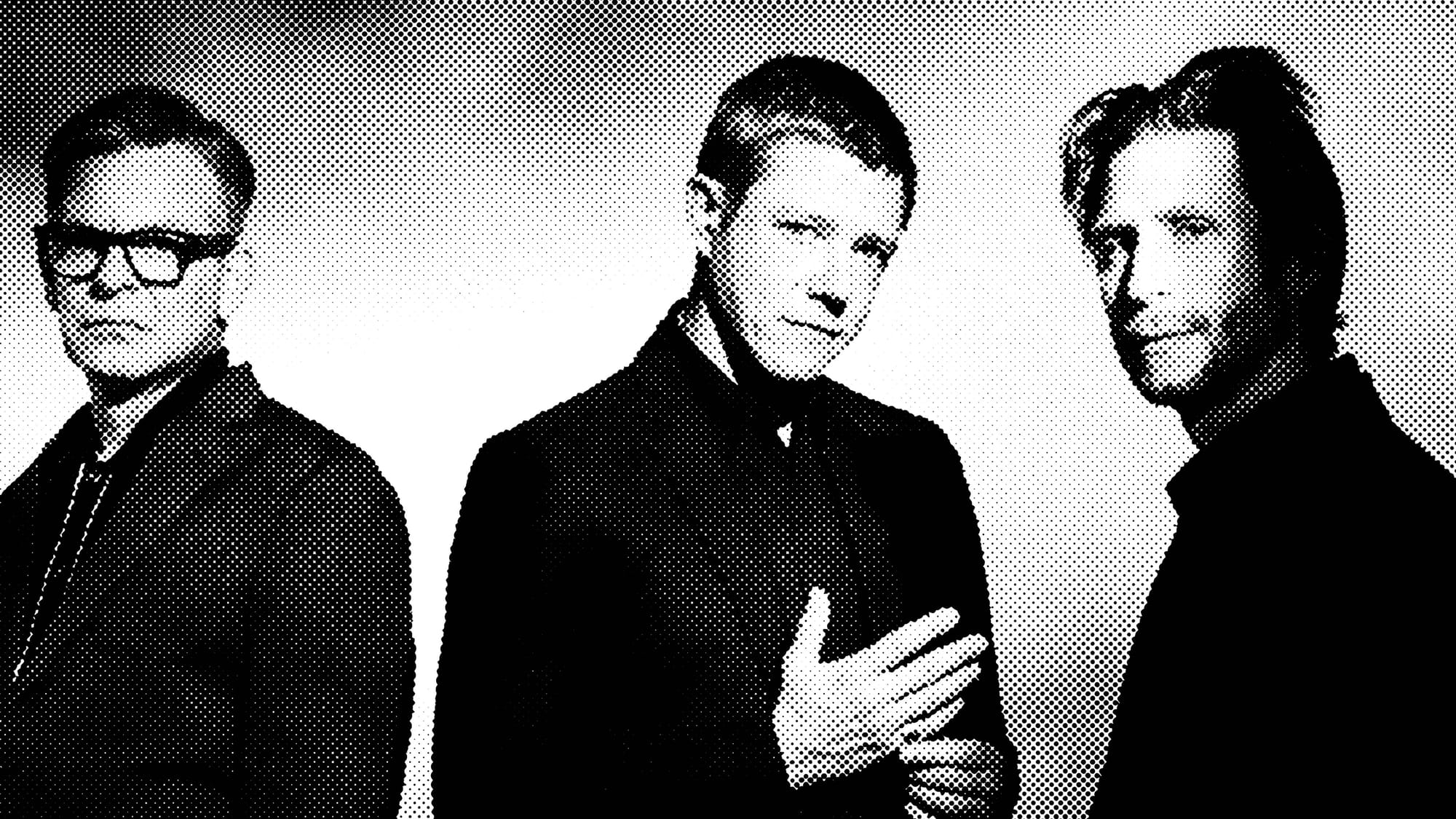
Few bands have captured the existential dread, asphalt-slick romance, and architectural melancholy of the early 2000s New York independent music scene quite like Manhattan’s own Interpol. Emerging from the fertile ground of the post-9/11 "indie sleaze" era, the sharp-suited quartet forged an unmistakable sonic identity defined by driving, atmospheric rock, interlocking guitar lines, and Paul Banks’ disaffected, baritone croon. Evoking comparisons to post-punk pioneers Joy Division while effortlessly weaving melodic hooks and polished grandeur into their repertoire, Interpol established a masterclass in melancholy that has endured for over two decades.
Marking the arrival of their eighth studio album, This Mirror Weighs a Ton—alongside an exclusive Rough Trade collaborative tote bag designed by OBEY founder Shepard Fairey—Rough Trade Denmark Street manager Matt Baghurst has undertaken the definitive task of chronicling the band’s storied catalog. Ranging from their timeless, generation-defining debut to their experimental mid-career evolutions, this exhaustive ranking traces Interpol’s immaculate gloom from great to greatest.
Detailed Chronology: Ranking the Discography
7. Interpol (2010)
Kicking off the ranking is Interpol’s eponymous fourth studio release from 2010. Following a grueling decade of continuous writing and touring, the physical and mental strain placed upon the band began to manifest visibly in the studio. While the record features undeniable highlights—such as the cavernous sprawl of Lights and the urgent, driving energy of Barricade (which remains a career standout)—the album occasionally struggles with a cohesive core identity.
The lyrical themes heavily reflect internal friction and exhaustion during production. However, time has proven to be a generous critic. Viewed in the wider context of their later career milestones, Interpol has aged remarkably well, offering a fascinating glimpse into a band pushing through adversity.
- Key Track: Summer Well
6. The Other Side of Make-Believe (2022)
Stepping into a slower, more cinematic tempo, 2022’s The Other Side of Make-Believe showcases the band’s unwavering commitment to sonic evolution. Tracks like Toni, Gran Hotel, and Something Changed capture an ensemble attempting to make sense of a globalized landscape fractured by isolation and pandemic-era anxiety.
While dialing back the frantic tempo of their earlier years, the album preserves the innate moodiness embedded in the band’s DNA. Notably, the record’s life was extended through a brilliant suite of remixes spearheaded by avant-garde and electronic luminaries including Jeff Parker, Water From Your Eyes, and Daniel Avery.
- Key Track: Toni
5. Our Love to Admire (2007)
Landing in the middle of the pack, major label debut Our Love to Admire represents a pivotal moment in Interpol’s trajectory. Despite housing major streaming hits and live staples like No I in Threesome and The Heinrich Manoeuvre, the album began to display early indications of a calcifying sonic template—a lack of flexibility that would ultimately come to a head on their self-titled follow-up.
Nevertheless, dismissing it would be a mistake. The record features some of Paul Banks’ finest, most razor-sharp vocal performances, practically spitting lines with breathless velocity on Pace Is the Trick.
- Key Track: Rest My Chemistry
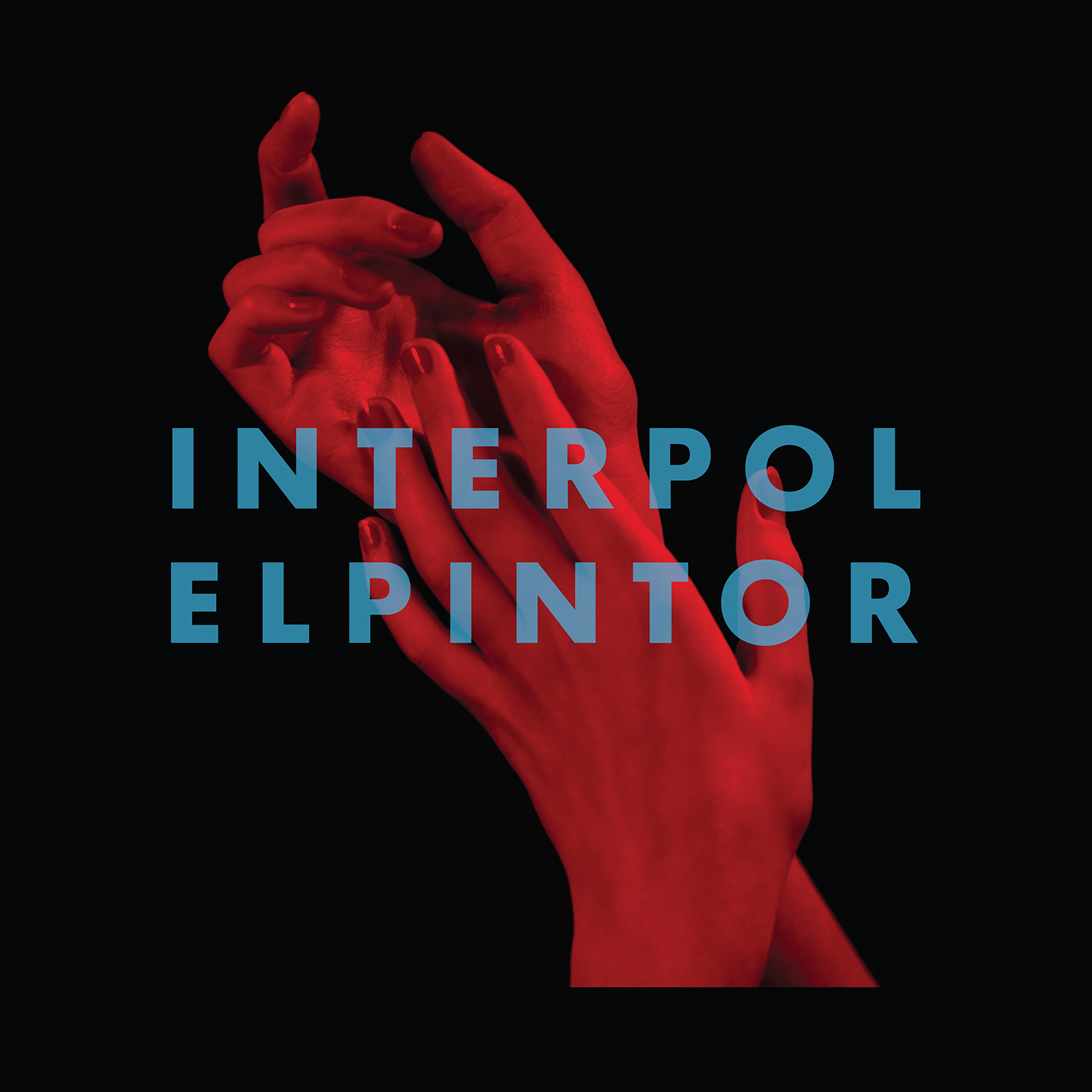
4. El Pintor (2014)
Before the creation of El Pintor, Interpol stood at a terrifying precipice. Bassist Carlos Dengler—a foundational pillar of the band’s early identity—departed following the recording of their 2010 album. Left as a trio, Paul Banks, Daniel Kessler, and Sam Fogarino had to reinvent their operational blueprint. Choosing not to replace Dengler, Banks stepped up to handle bass duties, injecting a striking, direct groove into the arrangements.

Placing El Pintor above Our Love to Admire feels essential; without the triumph of this record, it is questionable whether Interpol would still exist today. They turned an existential crisis into an artistic renaissance.
- Key Track: Anywhere
3. Marauder (2018)
Raw, urgent, and fiercely uncompromising, 2018’s Marauder stands as one of the band’s most complete and cohesive statements since their golden era. Songs like The Rover and If You Really Love Nothing channel the haunting, shadowy urgency of classic cuts like Not Even Jail and Stella Was a Diver and She Always Knew.
Lyrically, the album reads like an aggressive psychological interrogation, probing the mechanics of self-sabotage. Fueled by Dave Fridmann’s visceral, unvarnished production, Marauder gave listeners zero room to escape its heavier passages, proving that the band was operating at a peak not seen in over a decade.
- Key Track: Stay In Touch
2. Antics (2004)
Sophomore slumps are practically a rite of passage in rock music, particularly when a debut album achieves stratospheric, era-defining success. Yet, Interpol shattered expectations by returning just two years later with Antics, an album that nearly matches the brilliance of its predecessor in songwriting, lyricism, and intricate guitar-and-bass interplay.
Tracks like Slow Hands, C’mere, and Evil are permanent fixtures of the band’s live shows for good reason. They inject high-energy momentum into their sets, balancing out the deeper, darker cuts with effortless precision.
- Key Track: Evil
1. Turn On the Bright Lights (2002)
Surprising absolutely no one, the crown jewel of Interpol’s catalog remains their monumental 2002 debut, Turn On the Bright Lights. Hailing from sweaty Manhattan rehearsal rooms where future indie royalty—including the Yeah Yeah Yeahs, The National, and The Strokes—honed their respective crafts, Interpol delivered an album that stands as one of the most influential bodies of work of the 21st century.

From the iconic opening guitar riff of Obstacle 1 to the emotional crescendos of PDA and the structural dynamism of The New, this album is the physical embodiment of that rare musical lightning-in-a-bottle moment. It remains the ultimate blueprint for modern alternative rock.
- Key Track: Obstacle 1
Supporting Context & Metrics
To truly understand Interpol’s cultural footprint, one must examine their deep-rooted relationship with institutions like Rough Trade. The mutual admiration dates back to the very release of Turn On the Bright Lights, which proudly holds status as a long-standing Rough Trade Essential and a perennial staff favorite.
Over the years, this relationship has transcended retail distribution into live spaces:

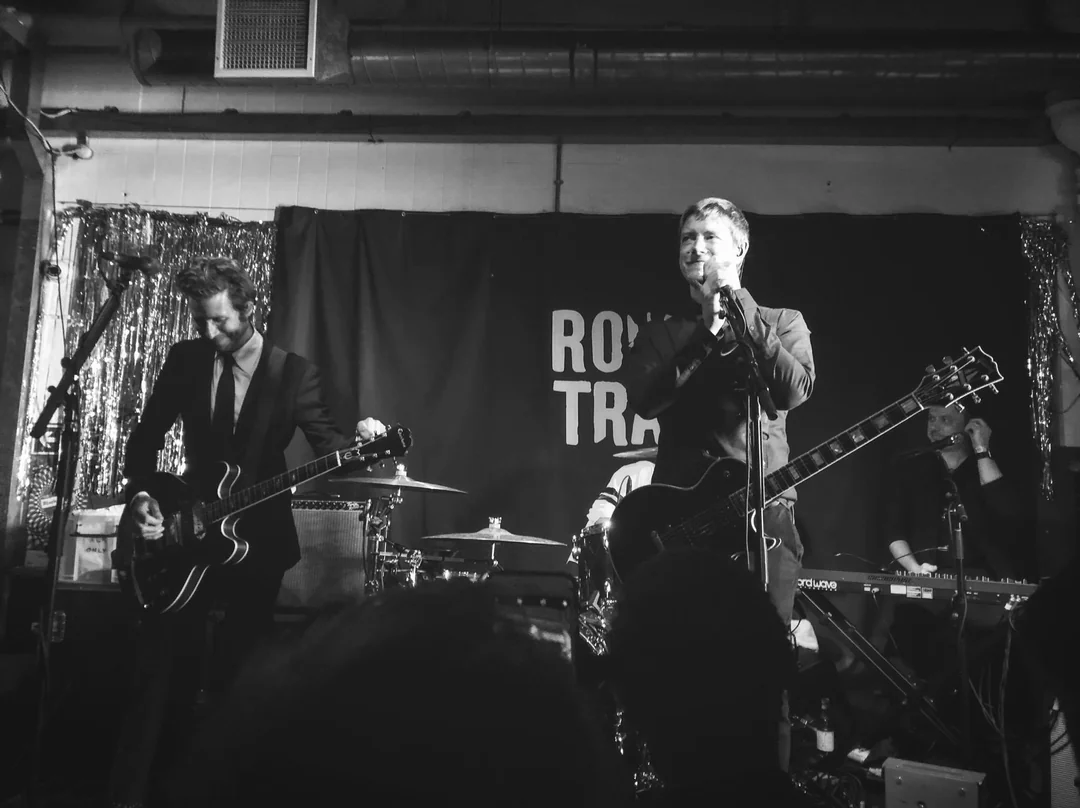
- August 2018: Interpol performed an intimate, sell-out in-store set at Rough Trade East to an ecstatic crowd, six albums deep into their career.
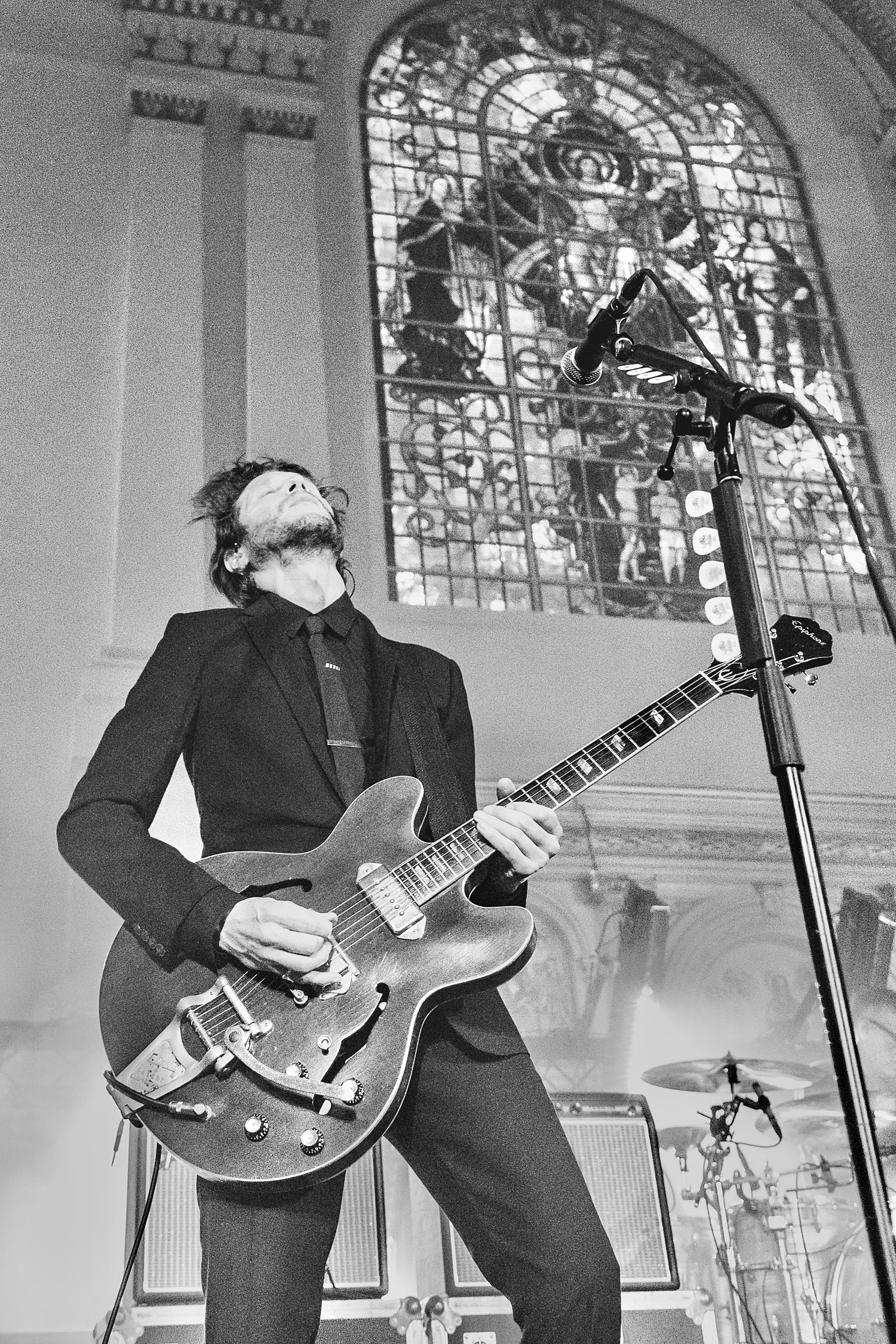
- July 2012: The band returned for a special out-store performance at Hackney Church to celebrate the release of The Other Side of Make-Believe.
- Global Festival Footprint: Key performances, such as their definitive 2014 set on The Other Stage at Glastonbury, cemented their reputation as a powerhouse live act capable of translating metropolitan gloom into sprawling festival spectacles.
Official Statements and Curatorial Insight
Reflecting on the band’s trajectory, Rough Trade Denmark Street manager Matt Baghurst shares his perspective on why Interpol continues to command such reverence:
"This album is, to me, one of the most influential of the century… This is why people start bands. Sometimes it just clicks, and this album is the epitome of that."
Discussing the mid-career pivot that saved the band following the departure of Carlos Dengler, Baghurst notes the sheer resilience required to pivot their creative workflow:
"… I think at the time it was the band at their best in over a decade."
This sentiment underlines a core truth about Interpol: while trends in independent music have shifted wildly over the last twenty years—from the garage rock revival of the early 2000s to the digital indie sleaze retrospectives of today—Interpol has remained steadfastly committed to their distinct aesthetic of sharp tailoring, shadowy atmosphere, and emotional depth.
Future Outlook
As Interpol steps into their third decade of making music with the release of their eighth studio album, This Mirror Weighs a Ton, the band shows no signs of artistic stagnation. While the record is purposefully omitted from current rankings to allow it time to "live, breathe, and find its place in the world," its arrival signals an enduring vitality.

Simultaneously, cultural touchpoints like their exclusive collaboration with Shepard Fairey’s OBEY brand—available strictly through Rough Trade—prove that Interpol’s visual and sonic identity remains as coveted as ever. Whether filling historic European churches or headlining festival grounds, Interpol continues to prove that genuine, atmospheric melancholy never goes out of style.