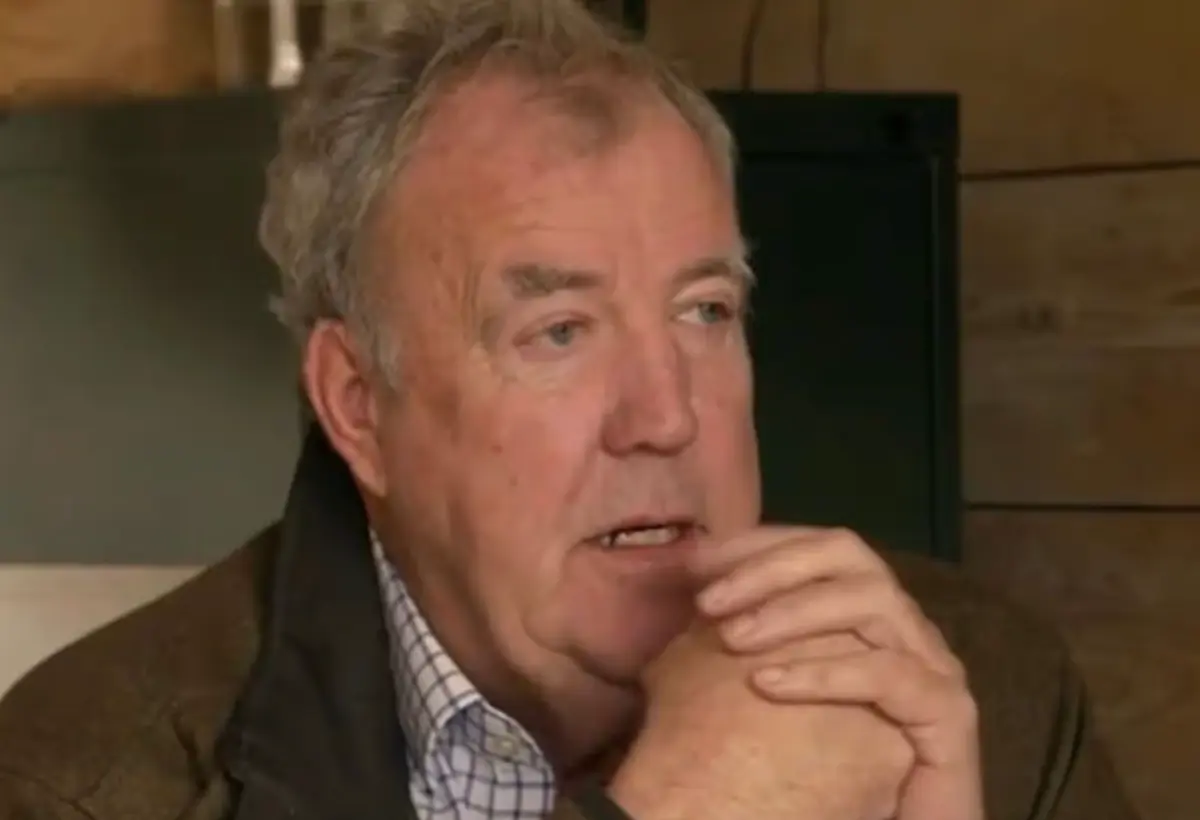
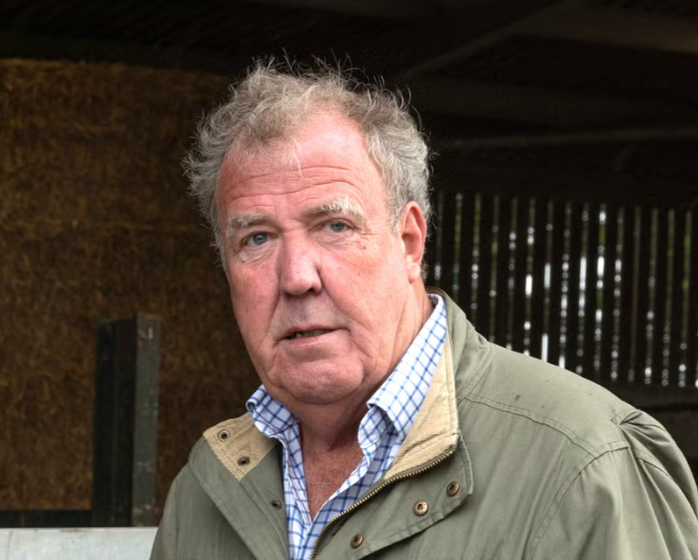
Rural crime in the picturesque county of Oxfordshire has hit headlines once again, taking a decidedly brazen turn at the nation’s most famous agricultural enterprise. Jeremy Clarkson, the outspoken broadcaster, journalist, and star of Amazon Prime Video’s runaway hit Clarkson’s Farm, has revealed that 11 prized sheep have been stolen from his sprawling Diddly Squat estate in Chadlington.
The theft—estimated to be valued at upwards of £2,000 at current market rates—was uncovered during a routine livestock tally conducted by Clarkson alongside his resident farming right-hand man and co-star, Kaleb Cooper. The incident highlights the enduring and escalating vulnerability of the British countryside to agricultural crime, a systemic issue that targets livestock, machinery, and fuel with impunity.
While the exact mechanics of the heist remain under investigation by Thames Valley Police, the audacious crime has laid bare the distinct challenges of securing a sprawling 1,000-acre agricultural holding. It has also reignited intense public discourse regarding the unique security pressures faced by high-profile farms operating in the public eye.
For Clarkson, who has recently navigated significant personal health battles—including a successful battle with prostate cancer—the theft represents more than just a minor financial loss; it is a visceral disruption to the daily rhythms of food production and stewardship that form the backbone of his current professional life. As local authorities comb through evidence and appeal for information, the incident serves as a stark reminder of the realities facing modern British farmers, where rural isolation, vast landmasses, and sophisticated criminal enterprises converge to create a persistent law enforcement challenge.
Detailed Chronology: Uncovering the Diddly Squat Heist
The sequence of events leading to the discovery of the missing livestock unfolded against the backdrop of ordinary farm management, punctuated by the distinct realities of running a commercial agricultural enterprise that doubles as a television production set.
The Discovery in the Fields
The missing livestock were discovered during a routine flock count. Clarkson, working alongside agricultural manager Charlie Ireland and farming prodigy Kaleb Cooper, was conducting an inventory of the farm’s holdings in Chadlington when the discrepancy became glaringly obvious. The numbers simply did not add up.
Upon closer inspection, it became apparent that 11 members of the flock—specifically identified as Easycares, a hardy British breed known for shedding their own fleece—were unaccounted for. Unlike traditional breeds that require shearing, Easycare sheep are prized by modern farmers for their low-maintenance wool profiles, making them a lucrative target for opportunistic thieves or illegal black-market operations.
Timing and Execution
Piecing together when the theft occurred has proved challenging for both the farm management and investigating officers. Clarkson noted that the heist likely took place either under the cover of darkness or during strategic pauses in the relentless filming schedule for Clarkson’s Farm.
Because production on the Prime Video series typically involves a constant physical presence—including roaming camera crews, sound technicians, and aerial drone surveillance—perpetrators would have had to exploit very specific windows of opportunity. When the cameras are rolling and personnel are active across the estate, the likelihood of unauthorized human activity going unnoticed drops significantly. However, a 1,000-acre farm features numerous isolated perimeter fields, blind spots, and access points that remain shielded from central surveillance, providing ample cover for calculated rustling operations.
Reporting the Crime
Recognizing the gravity of the situation, Kaleb Cooper and land manager Charlie Ireland formally raised the theft with Thames Valley Police. Clarkson himself detailed the idiosyncratic process of reporting a distinctly traditional crime to modern emergency dispatch systems.
Reflecting on his interaction with the police call handler, Clarkson quipped that he felt like he was "from 1856" when explaining the nature of the emergency. However, he was quick to praise the efficiency and responsiveness of the local force once connected. In a characteristic moment of lightheartedness amidst frustration, Clarkson noted that the call handler immediately recognized the specific breed involved, demonstrating a familiarity with the farm born from watching the hit television series.
Despite the bureaucratic hurdles of navigating automated phone menus and recorded messages, the complaint was logged, and formal investigative procedures were initiated by Thames Valley Police.
Supporting Context & Metrics: The Scale of Rural Crime and Diddly Squat’s Footprint
To fully understand the impact of the Diddly Squat sheep theft, one must examine the broader economic and geographical context of rural crime in the United Kingdom, alongside the unique operational footprint of Clarkson’s enterprise.
The Economics of Livestock Rustling
Livestock theft—historically termed "rustling"—is far from a quaint relic of historical frontier fiction; it remains a multi-million-pound illicit enterprise across the British countryside. According to data from rural insurers such as NFU Mutual, agricultural crime costs the UK economy tens of millions of pounds annually, with livestock theft representing a significant proportion of these losses.
Market Valuation: While the 11 Easycare sheep stolen from Diddly Squat were valued at upwards of £2,000 at direct market rates, the true economic impact on a working farm runs deeper. Breeding ewes represent future yields, genetic investments, and foundational stock for sustainable flock management.
The Black Market: Stolen sheep are frequently funnelled into illegal slaughter networks or swiftly integrated into unverified commercial herds, making recovery virtually impossible once the animals are moved beyond immediate regional radiuses.
The Physical Toll: Beyond the balance sheet, rustling inflicts severe psychological stress on farmers who rear, feed, and care for their animals through harsh winters and lambing seasons.
The Diddly Squat Footprint
Spanning approximately 1,000 acres of prime Oxfordshire countryside, Diddly Squat Farm is not a neatly contained hobby holding; it is a vast, sprawling operation characterized by rolling hills, wooded boundaries, and numerous access tracks connected to public footpaths and rural lanes.
Clarkson has frequently pointed out the inherent vulnerability of managing such a massive landmass:
"This is 1,000 acres, it’s a big farm. Anyone could be anywhere and you wouldn’t know."
Operating a farm of this scale requires maintaining multiple peripheral gates, boundary fences that are constantly susceptible to wear, tear, or deliberate tampering, and open pastures that border public rights of way. While the farm has installed various security measures and benefits from intermittent television production surveillance, achieving total perimeter security across a sprawling rural estate remains an economically and logistically prohibitive challenge for any modern agriculturalist.
Official Statements and Public Reactions
The incident has generated widespread media commentary, drawing responses from the farm’s principals, law enforcement agencies, and the broader agricultural community.
Jeremy Clarkson’s Unfiltered Assessment
True to form, Jeremy Clarkson has neither minced words nor attempted to sugarcoat his reaction to the theft. Speaking candidly to The Sun, his message to the culprits was both direct and uncompromising: "Put them back."
Expressing his deep-seated frustration with the reality of rural criminality, Clarkson remarked:
*"It p me off. Honestly, it just p me off."*
Addressing whether the global fame of Diddly Squat Farm—largely driven by the Amazon Prime series—has painted a target on his back, Clarkson acknowledged the double-edged sword of celebrity status. While admitting that high visibility likely elevates the farm’s profile as a destination, he maintained that the crime speaks more broadly to the vulnerability of the countryside as a whole, rather than an isolated vendetta against his specific brand.
In a stark warning highlighting the reality of armed rural defense in Great Britain—where landowners possess specific legal rights regarding the protection of their property and livestock—Clarkson added:
"It’s a farm. We’re armed. Just so they know."
Thames Valley Police Involvement
Thames Valley Police have confirmed that the incident has been formally recorded and is currently under review by local rural crime taskforces. Agricultural crime teams within the force specialize in tracking illicit livestock movements, collaborating with neighboring constabularies, and monitoring auction marts where stolen animals are occasionally fenced.
While formal statements from the police emphasize ongoing inquiries, local officers have repeatedly urged rural communities to remain vigilant, report suspicious vehicle movements late at night, and invest in modern preventative technologies such as GPS livestock tracking, motion-activated trail cameras, and secure boundary gating.
Future Outlook: Security, Stardom, and the Road Ahead for Diddly Squat
As Diddly Squat Farm looks toward the future, the sheep rustling incident serves as a turning point regarding how the property manages security, public access, and media visibility.
Upgrading Rural Defense
The theft of the 11 Easycare sheep is expected to prompt a comprehensive security review across the Chadlington estate. While maintaining an open, welcoming environment for fans of the show and local shoppers visiting the farm shop remains a core commercial objective, balancing public engagement with robust asset protection is becoming increasingly critical.
Future measures implemented by land manager Charlie Ireland and the farm team may include:
Enhanced Perimeter Monitoring: Deployment of covert thermal-imaging and infrared trail cameras along remote field boundaries and vulnerable access points.
Livestock Identification: Utilization of advanced digital tagging, microchipping, and GPS tracking collars for high-value breeding ewes.
Community Policing Networks: Closer integration with local Farmwatch schemes to share real-time intelligence regarding suspicious vans, livestock trailers, and nighttime incursions across the Oxfordshire region.
A Period of Transition
The livestock theft arrives during a landmark transitional period for Clarkson. Alongside managing the day-to-day pressures of agricultural life and recovering from his recent battle with aggressive prostate cancer—which he revealed had been caught early and is now in remission—Clarkson has also been stepping back from his legendary automotive broadcasting roots.
Just days before the theft made headlines, Clarkson attended the high-profile premiere of the final series of The Grand Tour on Prime Video, where a new generation of presenters—Francis Bourgeois, Thomas Holland, and James Englesman—officially took over the reins from him, Richard Hammond, and James May.
With his television career pivoting decisively toward the muddy fields of Chipping Norton and Chadlington, Clarkson’s commitment to agriculture is unwavering. However, as Diddly Squat continues to navigate the unique intersection of mass media celebrity and traditional British farming, the message from the farmyard is clear: the cameras may capture the triumphs and tribulations of rural life for millions to see, but the core challenges of protecting the land and its animals remain as gritty, relentless, and demanding as ever.