Executive Overview
The passing of Dolly Parton—the iconic, multi-platinum-selling country music legend—coincides poignantly with the United Kingdom’s National Year of Reading. While the world mourns the loss of a musical titan and a towering cultural architect, her departure offers a crucial moment to reflect on her most enduring, yet perhaps understated, legacy: her lifelong crusade to eradicate illiteracy and democratize access to literature.
Beneath an intentionally flamboyant, larger-than-life public persona lay a brilliantly strategic mind. Parton weaponized her own carefully cultivated, cartoonish "cover" to disarm critics and draw global attention to the issues closest to her heart: community upliftment, poverty alleviation, and, above all, education. Through her pioneering philanthropic venture, the Imagination Library, Parton altered the trajectory of early childhood literacy on a planetary scale.
However, as educational researchers and language academics point out, putting books into the hands of toddlers is only the opening salvo in a much larger war. While Parton’s initiative brilliantly solves the crisis of early motivation and access, literacy experts warn that a book in the crib must be met with systematic, sustained, and rigorous pedagogical instruction that follows a child all the way through their adolescent years. This article explores the staggering impact of Parton’s literacy empire, examines the evolutionary and cognitive realities of reading, and analyzes the critical bridge required between inspiring a love of reading and building the mechanical skill to decode the written word.
Detailed Chronology: Building an Empire of Literacy
Dolly Parton’s philanthropic footprint was never an afterthought; it was the structural bedrock of her relationship with her community and the wider world. Her journey as an educational activist unfolded across decades, marked by strategic milestones that transformed her hometown roots into an international movement.
1986: The Birth of Dollywood and Regional Revitalization
Long before the Imagination Library became a household name, Parton turned her attention to the economic and social fabric of her native Sevier County, Tennessee. In 1986, she opened the Dollywood theme park. Far from a vanity project, Dollywood was a masterclass in localized economic stimulation, injecting desperately needed employment, tourism revenue, and pride into an economically depressed Appalachian region.
1988: Institutionalizing Philanthropy
Building upon the success of the theme park, Parton established the Dollywood Foundation in 1988. The foundation was designed as the administrative engine for her escalating philanthropic ambitions, focusing explicitly on fostering educational opportunities and lowering high school dropout rates in her community.
1995: The Genesis of the Imagination Library
In 1995, driven by a deeply personal tribute to her father—a man whose life and potential were constrained by his inability to read—Parton launched the Imagination Library. The core premise was disarmingly simple yet revolutionary: mail one high-quality, age-appropriate book every single month to children from the day they are born until they turn five years old, completely free of charge to their families.
What began as a localized Tennessee initiative soon broke geographic and cultural borders. The programme systematically expanded across the United States, before crossing international waters into Canada, the United Kingdom, Australia, and the Republic of Ireland. Wherever an active local programme partner—ranging from local charities to municipal governments—was established, parents could simply register their newborns, leaving the complex logistics of distribution and publishing partnerships to Parton’s foundation.
2014–2025: Breaking Barriers and Reaching Milestones
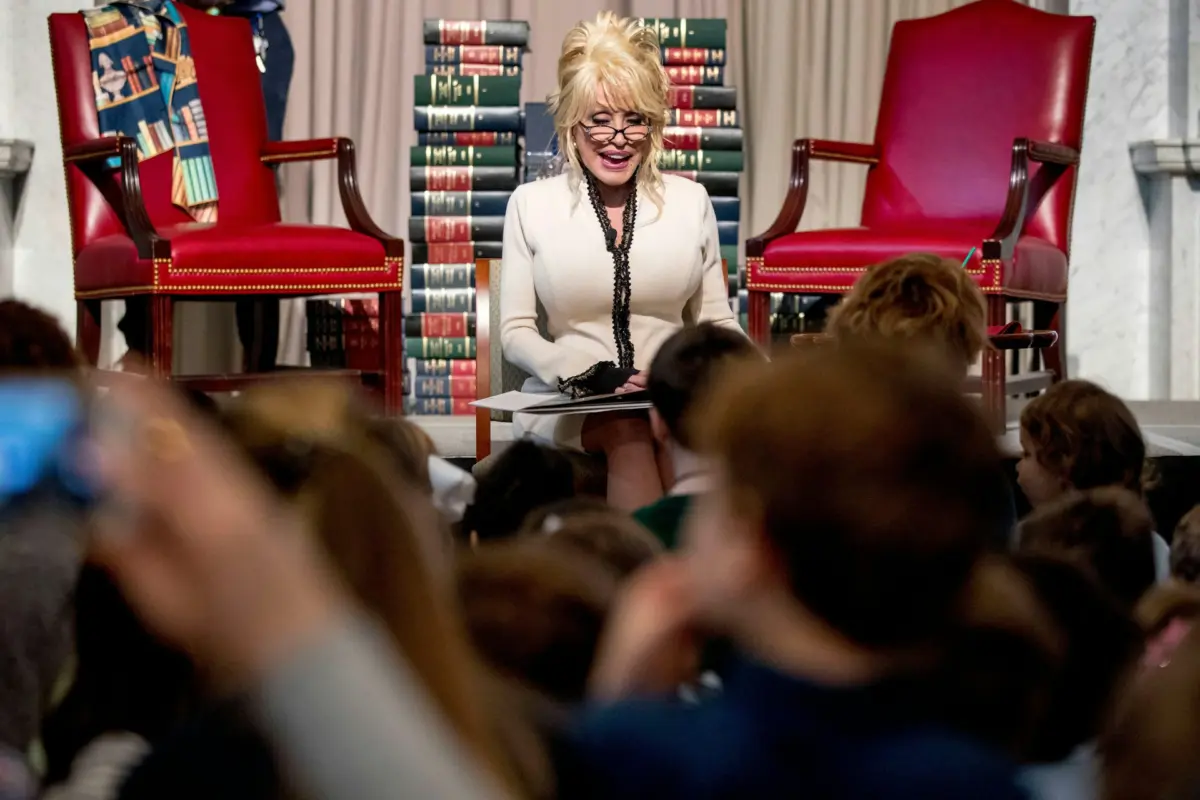
As the decades progressed, the Imagination Library continually adapted to inclusivity. In 2014, during a landmark visit to Liverpool, England, Parton presented her one millionth UK book—which was also the organization’s historic first braille book—to a young visually impaired boy.
By 2025, the programme marked its monumental 30th anniversary, shattering previous records by distributing more than 300 million books to children globally. Empirical evaluations, such as the comprehensive research conducted by Caroline Zwierzchowska-Dod at Swansea University, confirmed what educators had long suspected: the programme was tangibly increasing shared reading habits, boosting early childhood literacy, and radically improving school readiness across the four home nations of the UK.
Supporting Context & Metrics: The Science of Reading and the Will-to-Skill Continuum
While the cultural impact of gifting 300 million books is undeniable, contemporary language and reading research urges a nuanced understanding of how children actually learn to process text. Gifting books solves the vital problem of motivation and engagement, but it represents only one facet of a much larger cognitive puzzle.
The Six Pillars of Reading Motivation
According to insights derived from the Nuffield Foundation’s Love to Read project, providing physical access to books is merely one of six research-informed principles required to cultivate genuine reading motivation and engagement in children. The remaining five pillars are equally critical:
- Choice of Reading Materials: Allowing children autonomy over what they read fosters intrinsic motivation.
- Dedicated Time to Read: Protecting unhurried windows within daily routines for deep immersion.
- Connection and Personal Resonance: Ensuring children see their own lives, cultures, and emotional realities reflected on the page.
- Social Interaction Around Books: Cultivating spaces where reading is discussed, debated, and shared communally with peers and adults.
- Encountering Success: Achieving the cognitive milestones necessary for a child to proudly self-identify as a "reader."
The Cognitive Evolution of Literacy
From an evolutionary standpoint, reading is a profoundly recent cultural invention. Unlike spoken language—which human brains have evolved specialized, innate neural architectures to acquire—reading does not happen automatically. It is a secondary cultural technology that must be explicitly and systematically taught.
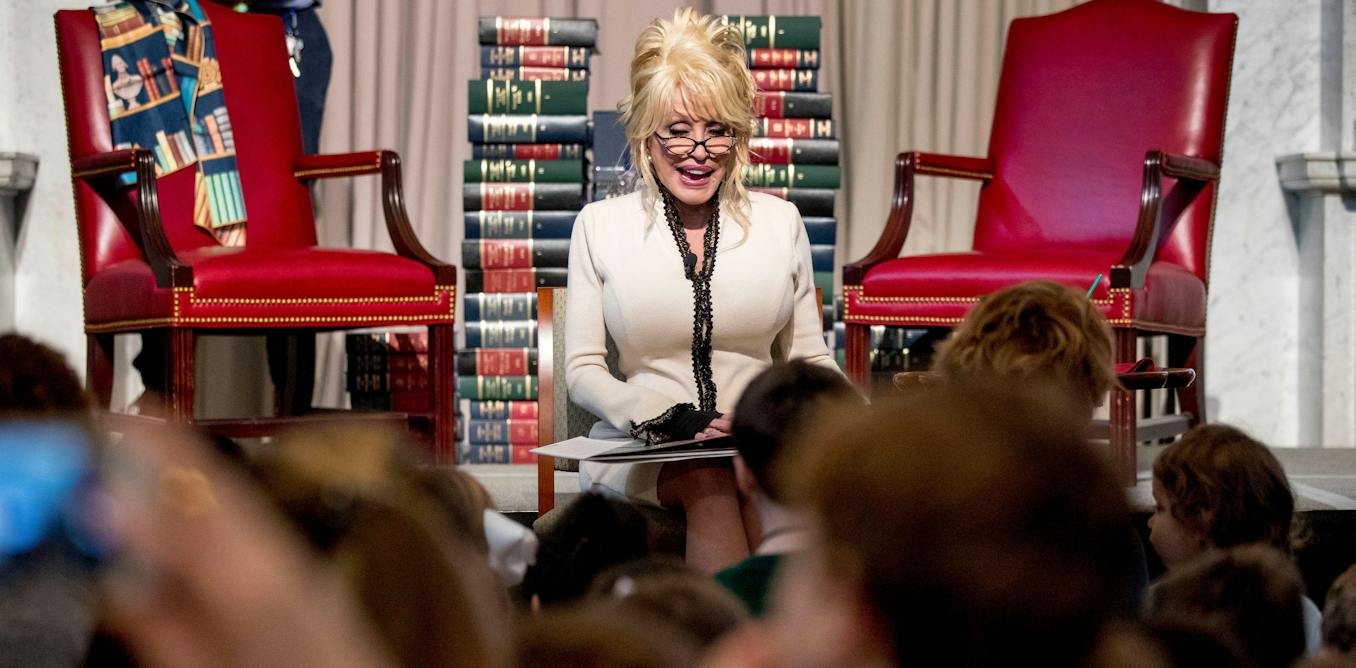
The human brain repurposes visual and auditory networks to process text, mapping the sounds of spoken language (phonology) onto visual symbols (orthography). Because this process is non-intuitive, structured pedagogical frameworks are mandatory. In the United Kingdom, the national curriculum mandates systematic synthetic phonics, teaching children the direct correspondence between letters and sounds within a rich, language-soaked environment.
The Persistent Literacy Gap
Despite rigorous early instruction, longitudinal data reveals a sobering reality: a substantial minority of children continue to struggle. Government statistics indicate that 20% to 25% of children fail to meet expected national standards in reading metrics at ages six and eleven.
Furthermore, empirical research conducted by academic teams at universities across the UK demonstrates that reading difficulties do not magically evaporate at the end of primary school. Academic vulnerabilities remain stubbornly prevalent throughout the teenage years, disproportionately impacting youngsters from disadvantaged socioeconomic backgrounds. To combat this, specialized continuing professional development (CPD) programmes have been engineered to train secondary school teachers and leadership teams on how to remediate reading deficits in high school students.
The overarching academic consensus can be distilled into a simple maxim: both will and skill are vital. While motivation (will) opens the door, decoding mechanics and comprehension (skill) must come first. When skill is firmly established, young readers enter a self-sustaining, virtuous circle: they read more, they get better at reading, and consequently, they read even more.
Official Statements and Academic Insights
The convergence of Dolly Parton’s grassroots philanthropy and rigorous academic research highlights a unified front in the global battle for literacy.
Educational experts emphasize that early childhood interventions—while foundational—must not be treated as a silver bullet. As children mature, the cognitive demands of literacy fundamentally shift. In infancy and early childhood, language comprehension is predominantly auditory, driven by adults reading aloud to toddlers. However, as children transition into independent readers, the hurdles multiply: they must master complex orthographic mapping, expand their working vocabularies, develop reading fluency, and cultivate deep background knowledge of diverse text genres.
"We cannot assume that a child who successfully engages in shared reading experiences in infancy will automatically transition into a proficient independent reader when formal schooling begins," notes reading and language research academics. "Reading difficulties can emerge at any developmental junction as the intellectual challenge of text shifts. Therefore, identification, ongoing monitoring, and adaptive intervention must be sustained continuously throughout childhood and adolescence."
Public policy frameworks and charitable initiatives increasingly reflect this dual-pronged philosophy. Programmes like the UK’s BookTrust Bookstart initiative work in tandem with Parton’s Imagination Library to secure early entry points, while institutional research ensures that secondary educators are equipped to catch adolescents before they slip through the cracks of the education system.
Future Outlook: Sustaining the Legacy
As the world processes the loss of Dolly Parton, the institutional machinery she built—the Dollywood Foundation and the ever-expanding global footprint of the Imagination Library—stands as a self-sustaining testament to her vision. The foundation has proven that corporate social responsibility, celebrity influence, and grassroots community organizing can unite to achieve monumental humanitarian feats.
Yet, the future outlook of global literacy demands vigilance and adaptation. The challenges facing the next generation of readers extend far beyond physical book scarcity. In an increasingly digital, hyper-stimulated media landscape, children contend with fractured attention spans, algorithmic distractions, and evolving text formats that test the limits of deep comprehension.
To honor Dolly Parton’s legacy properly, society must move beyond sentimental grief and embrace a rigorous, two-fold commitment:
- Unwavering Access: Continuing to flood homes, waiting rooms, and schools with physical books from birth through age five, ensuring that no child is priced out of the magic of storytelling.
- Sustained Pedagogical Support: Funding and implementing longitudinal literacy monitoring, evidence-based phonics instruction, and secondary school reading interventions that protect children well into their teenage years.
Dolly Parton may no longer be gracing the stage, but her voice echoes every time a parent opens a brightly colored book for a wide-eyed toddler, and every time a struggling teenager finally cracks the code of a complex text. She gave millions of children the greatest gift imaginable: the key to unlocking their own potential. Now, it falls to educators, policymakers, and communities to ensure that the door remains open for all.